
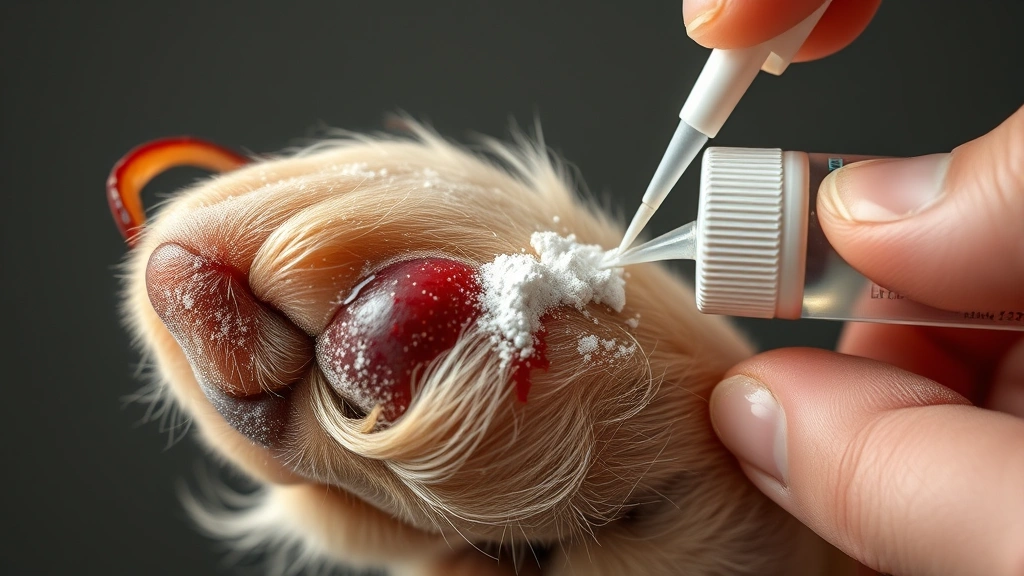
So your furry friend just had a nail accident, and now you’re staring at a tiny (or not-so-tiny) blood droplet on your floor wondering what the heck to do. Don’t panic! Learning how to stop dogs nail from bleeding is one of those essential pet parent skills that’ll save you a vet visit and a small fortune. Whether your pup caught their nail on the carpet, got a little too aggressive with the scratching post, or you accidentally clipped too short during grooming, we’ve got you covered with five proven methods that actually work.
Table of Contents
- Why Do Dog Nails Bleed in the First Place?
- Method 1: The Styptic Powder Power Move
- Method 2: The Ice Pack Technique for Nail Bleeding
- Method 3: Direct Pressure and Patience
- Method 4: The Hydrogen Peroxide Clean and Clot
- Method 5: Cauterization (The Professional Approach)
- Quick Prevention Tips for Nail Bleeding
- When Should You Actually Call the Vet?
- What NOT to Do When Your Dog’s Nail is Bleeding
- The Recovery Period: What to Expect
- Why Having a Dog First Aid Kit Matters
- Frequently Asked Questions
- Final Thoughts: You’ve Got This
Why Do Dog Nails Bleed in the First Place?
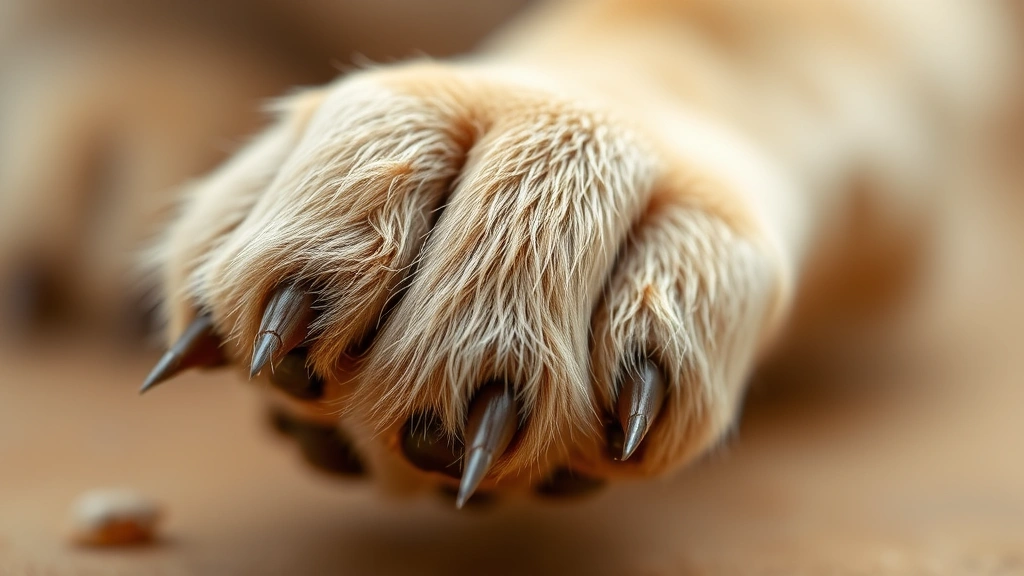
Before we jump into solutions, let’s understand what’s happening under that keratin shell. Dog nails, much like human nails, contain a sensitive area called the quick—basically a bundle of blood vessels and nerves running through the center. When you trim too short, get too enthusiastic with the nail file, or your pup catches their nail on something sharp, you’re breaking into this blood supply zone. It’s not a life-threatening emergency (usually), but it does bleed because, well, there are literally tiny blood vessels in there.
The quick is darker in dogs with dark nails and pink in dogs with light nails, which is why nail trimming can be trickier with our dark-nailed friends. The good news? Most nail bleeding stops within a few minutes with the right approach.
Method 1: The Styptic Powder Power Move
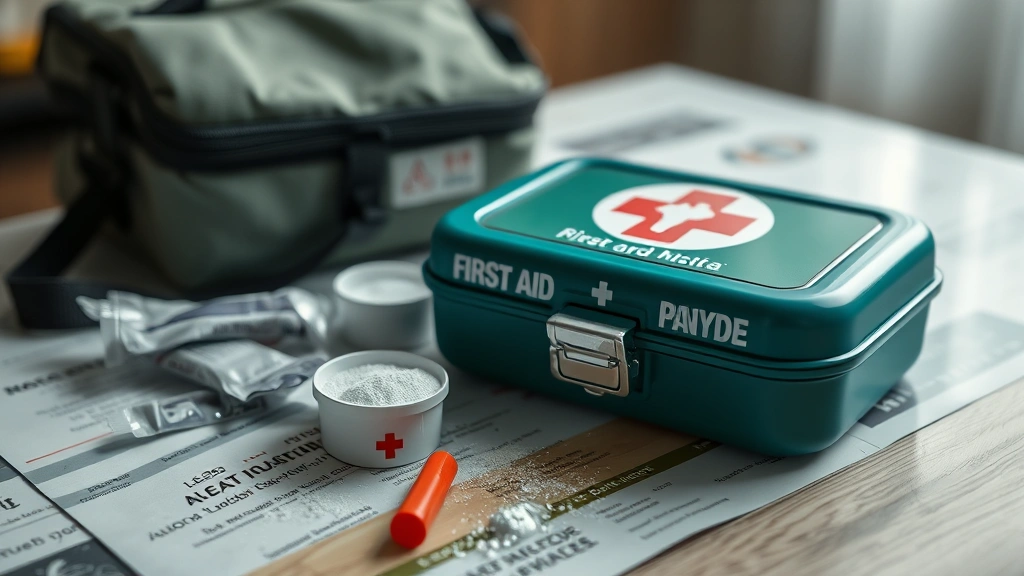
This is the MVP of dog nail bleeding solutions. Styptic powder (also called blood stop powder or clotting powder) is literally designed for this exact situation. It contains an astringent agent that constricts blood vessels and promotes clotting faster than you can say “oops.”
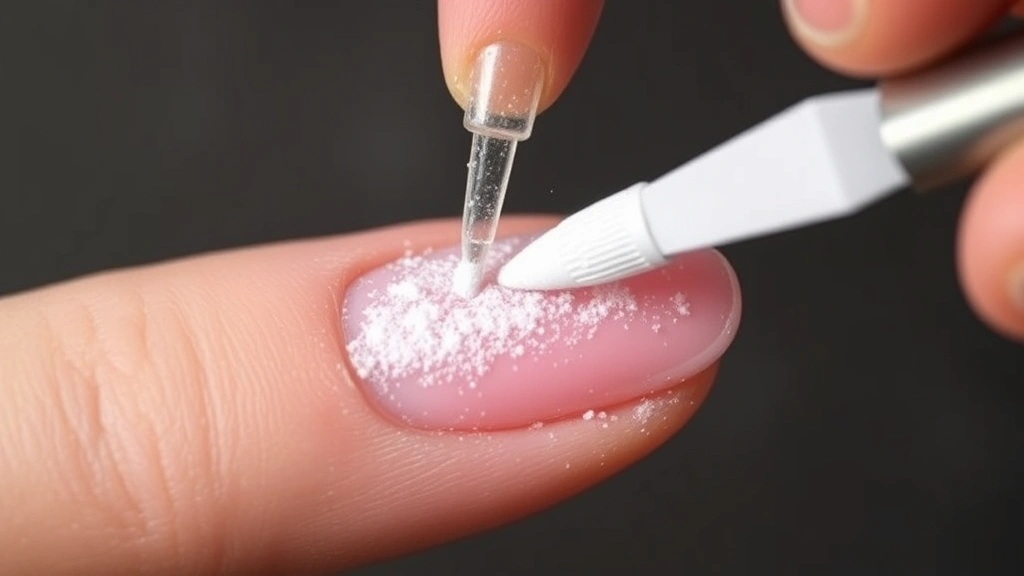
How to use it: Dip your dog’s bleeding nail directly into the powder container, or apply it with a small stick or applicator. Press gently for 30 seconds. Your pup might shake their paw (totally normal), but the bleeding usually stops within 1-3 minutes. Keep some in your grooming kit, bathroom cabinet, and car—you’ll thank yourself later.
Pro tip: If you don’t have styptic powder handy and need an emergency substitute, cornstarch or flour can work in a pinch, though they’re not quite as effective.
Method 2: The Ice Pack Technique for Nail Bleeding
Sometimes the simplest solution is the best one. Ice reduces blood flow and helps with clotting while also numbing any discomfort your dog might be experiencing. This method is particularly useful if your pup’s nail is still actively bleeding after a few minutes.

How to apply it: Wrap an ice cube or ice pack in a thin cloth (don’t apply ice directly to the paw—that’s uncomfortable). Hold it gently against the bleeding nail for 2-5 minutes. Your dog might not love this, but most tolerate it better than you’d expect, especially if you follow up with treats and praise.
This method works great alongside other topical treatments like Neosporin, which can help prevent infection once the bleeding has stopped.
Method 3: Direct Pressure and Patience
Sometimes you don’t need fancy products—just good old-fashioned pressure. This is the most accessible method since you probably have clean gauze or paper towels at home right now.
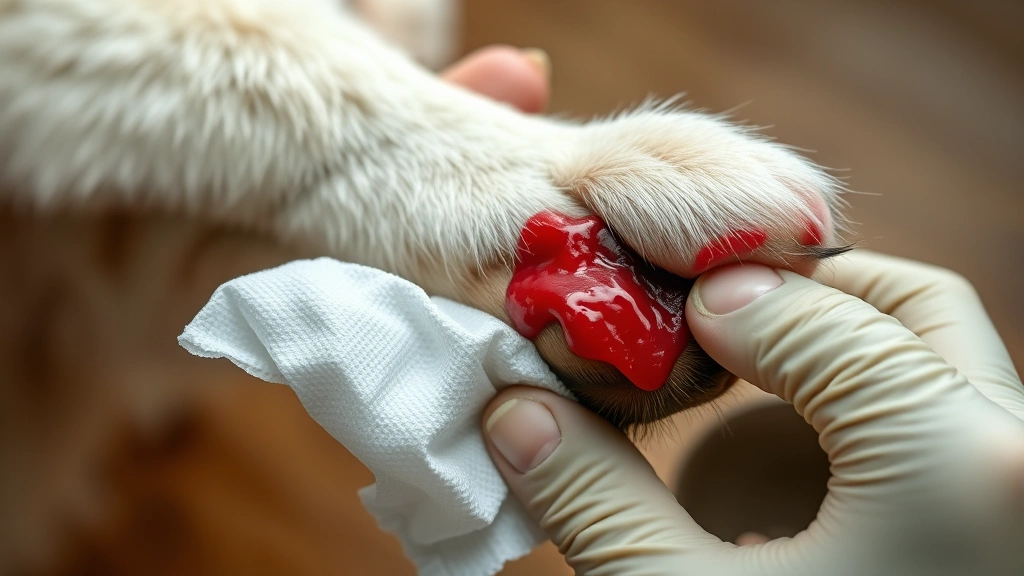
Here’s the process: Take a clean piece of gauze or paper towel and apply firm (but not crushing) pressure directly to the bleeding nail. Hold it there for 3-5 minutes without peeking. Yes, it’s boring. Yes, your dog might squirm. But this method works because pressure literally stops the bleeding by giving your pup’s body time to form a clot naturally.
After you remove the gauze, check if bleeding has stopped. If it’s still going, repeat for another 2-3 minutes. Most dog nail bleeds respond to this method within 10 minutes total.
Method 4: The Hydrogen Peroxide Clean and Clot
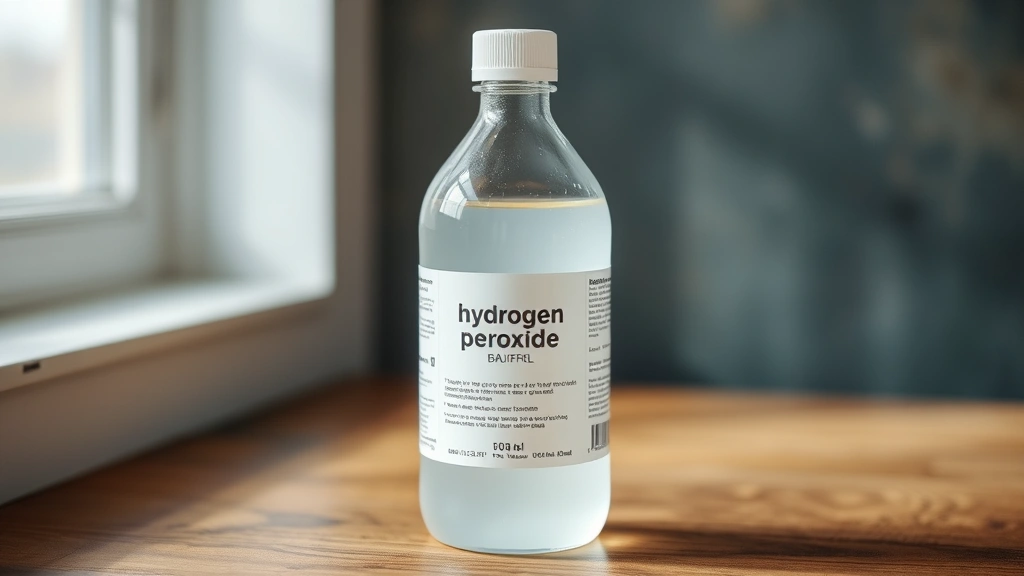
If you’re worried about infection or your dog’s nail won’t stop bleeding after 10 minutes, hydrogen peroxide can help. It cleans the wound while the fizzing action actually helps dislodge debris and can encourage clotting.
Application steps: Pour a small amount of 3% hydrogen peroxide over the bleeding nail (yes, it’ll fizz—that’s normal). Let it bubble for 30 seconds, then gently dab dry with a clean cloth. Follow up with direct pressure or styptic powder if needed.
Important note: Don’t overuse hydrogen peroxide on your dog’s paws, as excessive use can irritate skin. This is a one-time cleaning solution, not a daily treatment. For ongoing care, consult your vet about the best aftercare routine.
Method 5: Cauterization (The Professional Approach)
If your dog’s nail won’t stop bleeding after 15-20 minutes of home treatment, or if the bleeding is unusually heavy, it’s time to call in the professionals. Veterinarians can use cauterization—essentially a controlled burn that seals blood vessels—to stop persistent bleeding.

This isn’t something you should attempt at home (seriously, please don’t), but it’s good to know it exists as an option. Your vet might also prescribe antibiotics if there’s concern about infection, especially if the nail was torn or damaged rather than cleanly cut.
Quick Prevention Tips for Nail Bleeding
The best cure is prevention, right? Here’s how to avoid nail emergencies in the first place:
During grooming: Only trim the clear or light part of the nail, staying about 2mm away from where it starts to curve or darken. If you’re unsure, trim less rather than more. You can always trim again in two weeks.

Regular maintenance: Keep your dog’s nails trimmed every 3-4 weeks. Longer nails are more likely to catch and tear. Plus, overgrown nails can affect your pup’s gait and cause joint problems down the line.
Smooth those edges: After trimming, use a nail file to smooth rough edges. This prevents snagging and makes the nail less likely to split or break.
Watch for catches: Be mindful of situations where nails might catch—rough carpets, outdoor debris, or aggressive scratching behavior. If your dog is a chronic nail-catcher, consider protective booties during certain activities.

When Should You Actually Call the Vet?
Most dog nail bleeds are minor and stop within 15 minutes. But there are situations where professional help is warranted:
If bleeding doesn’t stop after 20 minutes of consistent treatment, if the nail is severely broken or splintered, if your dog is limping or showing signs of pain beyond the initial injury, or if there’s swelling or signs of infection developing (redness, discharge, warmth), it’s time to call your vet. Some dogs are on blood thinners or have clotting disorders that make nail bleeding more serious, so if your pup falls into that category, err on the side of caution.
You can also use pet telehealth services for a quick consultation if you’re unsure whether an in-person visit is necessary.
What NOT to Do When Your Dog’s Nail is Bleeding
Just as important as knowing what to do is knowing what NOT to do:
Don’t panic visibly. Your dog picks up on your stress. Stay calm, and your pup will stay calmer too.
Don’t apply human bandages. Dogs will chew them off, and they restrict movement. If you need to protect the nail, use a soft booties or wrap with vet wrap, but usually this isn’t necessary.

Don’t use tourniquets or tight wrapping. This can cut off circulation and cause more problems than it solves.
Don’t ignore persistent bleeding. If it doesn’t stop after 20 minutes, get professional help.
Don’t apply products your vet hasn’t approved. While Neosporin is generally safe for dogs in small amounts, some dogs have sensitivities. Ask your vet first.
The Recovery Period: What to Expect
After you’ve successfully stopped the bleeding, your work isn’t quite done. The nail will be tender for a few days, and your dog might favor that paw slightly. This is normal and usually resolves within 3-5 days.
Keep the nail clean and dry. If you notice any signs of infection—increased swelling, discharge, foul smell, or your dog licking excessively—contact your vet. Most nail bleeds heal without incident, but infections can develop if bacteria get into the wound.
Avoid baths or extended water exposure for the first 24 hours if possible. If your dog must go outside, consider using a protective bootie to keep the nail clean and dry.
Why Having a Dog First Aid Kit Matters
Every dog owner should have a basic first aid kit at home. For nail bleeding specifically, you’ll want:
Styptic powder (the MVP), clean gauze pads, hydrogen peroxide, antibiotic ointment, and soft cloth or paper towels. Keep it in an easily accessible place—preferably somewhere you can grab it quickly when panic mode sets in. Label everything clearly so family members know what’s what when you’re not around.
Frequently Asked Questions
How long does it take for a dog’s bleeding nail to stop?
Most dog nail bleeding stops within 5-15 minutes with proper treatment. If bleeding continues beyond 20 minutes despite consistent pressure and styptic powder application, contact your veterinarian. Excessive bleeding can indicate an underlying clotting disorder or more serious injury.

Is it normal for a dog’s nail to bleed after trimming?
Some bleeding after nail trimming is normal if you accidentally hit the quick, but it shouldn’t be excessive. If you’re consistently hitting the quick, you might be trimming too short. For dark nails, it’s better to trim conservatively and file down gradually rather than risk cutting into the quick.
Can I use a human bandage on my dog’s bleeding nail?
It’s not recommended. Dogs will chew off human bandages, and they can restrict movement. If protection is necessary, use a soft dog bootie or vet wrap. In most cases, however, leaving the nail exposed to air is fine once bleeding has stopped.
What’s the difference between styptic powder and cornstarch for dog nail bleeding?
Styptic powder contains astringent agents that actively promote clotting and typically stops bleeding faster (1-3 minutes). Cornstarch works through pressure and absorption but is less effective and slower (5-10 minutes). Styptic powder is worth having on hand for faster results.
Should I be worried if my dog’s nail won’t stop bleeding?
If bleeding continues beyond 20 minutes of treatment, yes, contact your vet. This could indicate a clotting disorder, especially if your dog is on blood thinners or has a bleeding condition. It could also mean the injury is more severe than a simple quick exposure.
How can I prevent my dog’s nails from bleeding in the future?
Trim nails every 3-4 weeks, stay 2mm away from the quick, use a nail file to smooth edges, and avoid situations where nails might catch on rough surfaces. If you’re unsure about trimming, have a groomer or vet do it for you.
Final Thoughts: You’ve Got This
Knowing how to stop dogs nail from bleeding is a game-changer for any dog owner. What seems like a minor emergency in the moment is usually handled in minutes with the right approach. Keep styptic powder in your first aid kit, stay calm, and remember that most dog nail bleeds are completely manageable at home.
The key takeaway? Prevention through regular, careful trimming is your best friend, but when accidents happen (and they will), you now have five solid methods to handle them. Your pup will appreciate your quick thinking, and you’ll feel like a pet care pro. Now go give your dog a treat—they’ve earned it after that ordeal.





