
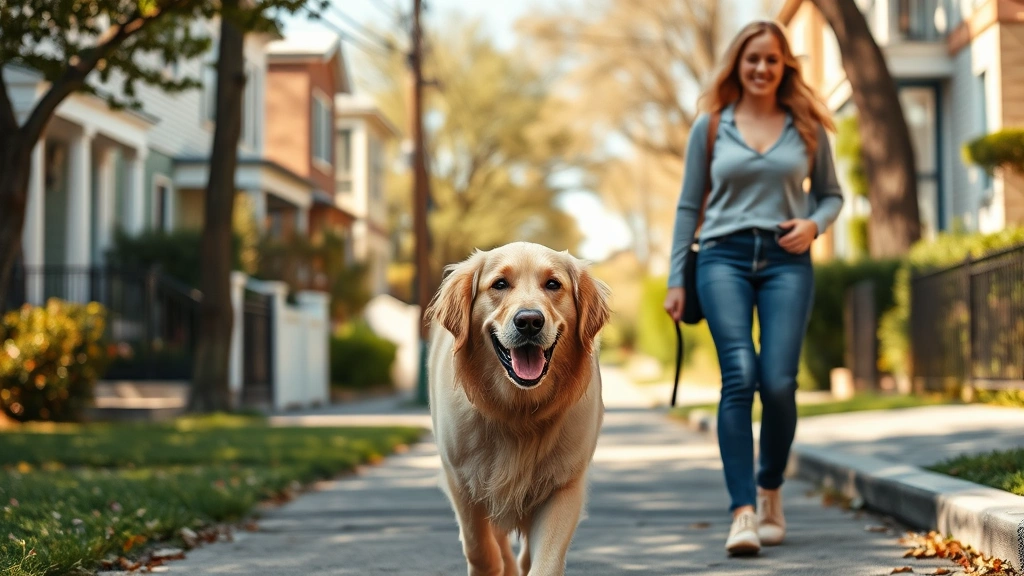
If you’re tired of your dog yanking your arm off during walks, you’re not alone—learning how to stop dogs pulling on their leads is one of the most common challenges dog owners face. Whether you’ve got a enthusiastic puppy or a stubborn adult dog, constant pulling can turn what should be a relaxing stroll into an exhausting battle. The good news? With the right techniques and a little patience, you can teach your pup to walk politely on a leash and actually enjoy your time together.
Table of Contents
- Why Do Dogs Pull on Leads in the First Place?
- Master the Art of Loose Leash Walking Techniques
- Choose the Right Equipment for Lead Control
- The Direction Change Method: A Game-Changer for Lead Training
- Use High-Value Rewards and Positive Reinforcement
- Practice Impulse Control Exercises at Home
- Tire Out Your Pup Before Walks (Mental and Physical Exercise)
- Consistency is Key: Stick With Your Training Plan
- Address Underlying Anxiety or Excitement Issues
- Gradual Exposure to Real-World Distractions
- When to Seek Professional Help
- Beyond the Walk: Making Car Rides Comfortable Too
- Nutrition and Training: The Connection Nobody Talks About
- Summary: Your Roadmap to Peaceful Walks
- Frequently Asked Questions
Why Do Dogs Pull on Leads in the First Place?
Before we dive into solutions, let’s understand the root cause. Dogs pull because it works—at least from their perspective. When your pup pulls forward and you move forward, they’ve learned that pulling gets them where they want to go faster. It’s not defiance or stubbornness; it’s basic cause and effect. Some dogs also pull due to excitement, anxiety, or simply because they haven’t learned proper leash manners. Recognizing why your dog pulls is the first step toward fixing the problem.
Master the Art of Loose Leash Walking Techniques
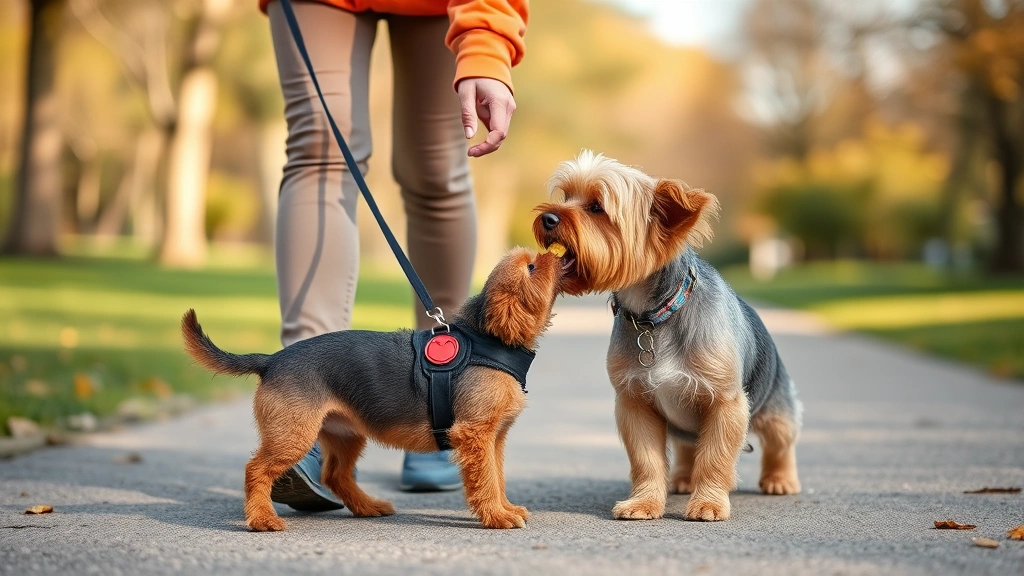
The foundation of stopping lead pulling is teaching loose leash walking. This technique involves keeping the leash slack while your dog walks beside you. Start in a quiet environment with minimal distractions. Hold treats at your side and reward your dog frequently when they walk next to you without tension on the leash. The moment they pull, stop moving completely. Don’t jerk the leash or yell—just become a statue. Once they look back at you or the leash goes slack, reward them and continue. This teaches them that pulling stops progress, but walking nicely keeps the adventure going.
Choose the Right Equipment for Lead Control
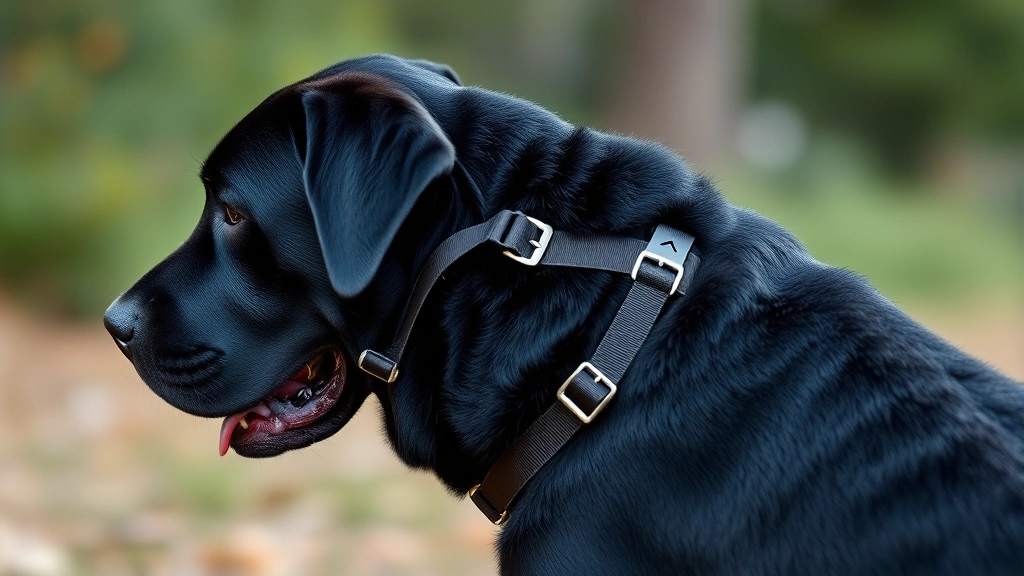
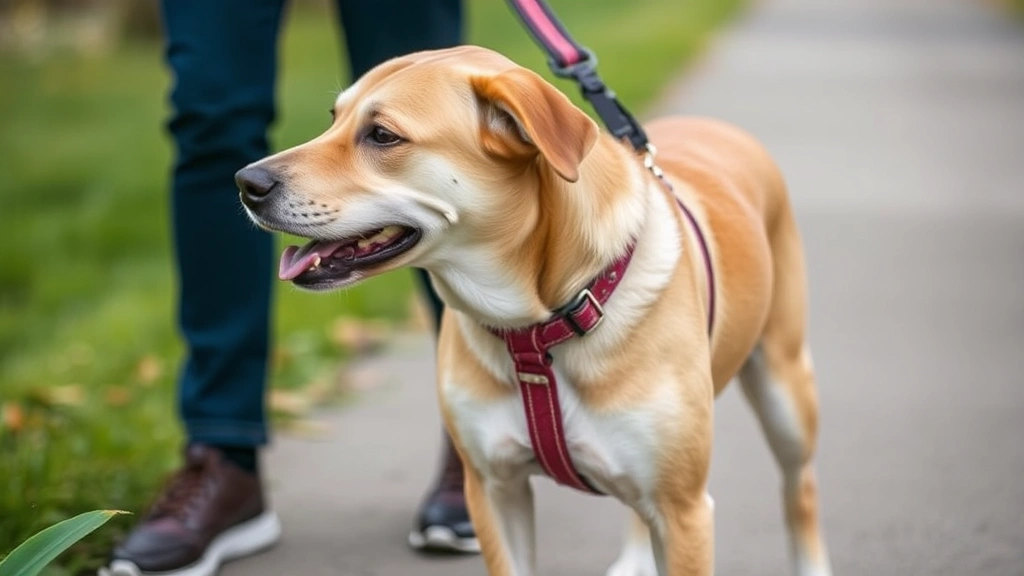
Your leash and collar setup matters more than you’d think. A standard 6-foot leash is ideal for training—long enough for freedom but short enough for control. Consider upgrading your collar or harness choice:
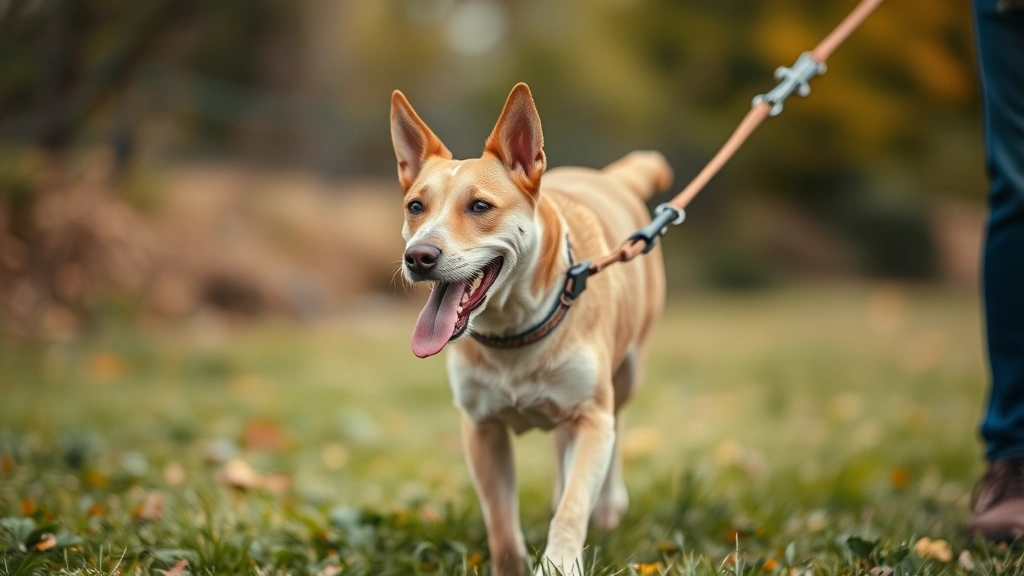
- Front-clip harnesses: These redirect your dog’s momentum toward you when they pull, making it harder for them to forge ahead
- No-pull harnesses: Similar to front-clip but with additional design features for stubborn pullers
- Standard collars: Fine for well-trained dogs, but less effective for serious pullers
- Retractable leashes: Actually encourage pulling—avoid these during training
A quality harness can be a game-changer when combined with proper training techniques.
The Direction Change Method: A Game-Changer for Lead Training
Here’s a brilliant technique that works surprisingly well: whenever your dog pulls in one direction, calmly change direction and walk the opposite way. Don’t make a big deal about it—no corrections, no drama. Just turn and walk. Your dog will eventually realize that pulling doesn’t get them where they want to go, but sticking with you does. This method requires consistency but teaches dogs that cooperation is rewarded with forward progress.
Use High-Value Rewards and Positive Reinforcement
Forget about punishment-based training—it doesn’t work for lead pulling and can actually make things worse. Instead, use rewards that genuinely excite your dog. These might include premium healthy pet treats, enthusiastic praise, or access to their favorite activity. Timing is crucial: reward the exact moment your dog walks nicely beside you. Be generous during the training phase—you’re essentially bribing them to make good choices. As they improve, you can gradually reduce treat frequency.

Practice Impulse Control Exercises at Home
Before hitting the streets, build impulse control indoors. Practice “sit” and “wait” commands, teach them to pause before going through doorways, and reward calm behavior. Dogs with better impulse control generally pull less on walks. Try these exercises:
- Have your dog sit before meals or treats
- Practice “leave it” with toys and treats
- Teach them to wait at doorways before exiting
- Work on “heel” commands in low-distraction environments
These foundational skills translate directly to better leash behavior.
Tire Out Your Pup Before Walks (Mental and Physical Exercise)
A tired dog is a well-behaved dog. Before your training walks, ensure your pup has had adequate exercise. This might mean a play session, some fetch time, or even mental stimulation through puzzle toys. When your dog isn’t bursting with pent-up energy, they’re far more likely to focus on you and walk politely. Think of it as releasing some of that pulling impulse through other outlets first.
Consistency is Key: Stick With Your Training Plan
Here’s where most people fail: they’re inconsistent. If you let your dog pull sometimes but not others, you’re sending mixed signals. Everyone in your household needs to enforce the same rules using the same techniques. Your dog will learn faster and better if everyone responds to pulling in identical ways. Set a timeline—give it at least 2-4 weeks of consistent practice before expecting dramatic changes.
Address Underlying Anxiety or Excitement Issues
Some dogs pull because they’re anxious or overstimulated. If your pup pulls more in certain situations (near other dogs, busy streets, etc.), they might need extra support. Consider whether remote pet health monitoring could help you track stress patterns, or consult with a certified trainer or veterinary behaviorist. Anxiety-driven pulling requires a slightly different approach than excitement-driven pulling.
Gradual Exposure to Real-World Distractions
Start training in quiet, boring environments—your backyard or an empty parking lot. Once your dog nails loose leash walking there, gradually introduce more distractions. Move to a quieter street, then busier areas. Progress to parks with other dogs only after they’ve mastered the basics. This gradual exposure prevents overwhelming your pup and sets them up for success.
When to Seek Professional Help
If your dog is extremely strong, aggressive when pulling, or shows signs of anxiety or fear, consider hiring a certified professional dog trainer or veterinary behaviorist. They can assess your specific situation and create a customized plan. There’s no shame in getting expert help—sometimes a few sessions with a pro saves months of frustration. The American Kennel Club provides resources for finding certified trainers in your area.
Beyond the Walk: Making Car Rides Comfortable Too
While you’re working on lead training, don’t forget about car safety. If your dog pulls in vehicles too, consider investing in a proper car seat for dogs that keeps them secure and prevents pulling behaviors during transport.
Nutrition and Training: The Connection Nobody Talks About
Believe it or not, diet affects behavior. A dog with balanced nutrition and stable blood sugar is calmer and more focused during training. Make sure your pup is eating quality food and getting appropriate nutrients. If you’re incorporating treats into training, opt for puppy safe human foods or low-calorie training treats so you’re not overfeeding.
Summary: Your Roadmap to Peaceful Walks
Stopping your dog from pulling on their lead isn’t about dominance or harsh corrections—it’s about teaching them that walking nicely beside you is more rewarding than pulling ahead. Use loose leash walking techniques, invest in proper equipment, maintain consistency, and reward good behavior generously. Start in low-distraction environments and gradually increase difficulty. Most importantly, be patient with yourself and your pup. Every dog learns at their own pace, and the effort you invest now will pay dividends in years of enjoyable walks together.
Frequently Asked Questions
How long does it take to stop a dog from pulling on the lead?
Most dogs show improvement within 2-4 weeks of consistent training, but some may take 8-12 weeks to fully master loose leash walking. The timeline depends on your dog’s age, temperament, and how consistently you practice. Puppies typically learn faster than adult dogs, but older dogs can absolutely learn new habits.
Is a no-pull harness effective?
Yes, no-pull harnesses can be very effective tools, especially for strong dogs. However, they work best when combined with training, not as a standalone solution. A harness manages the behavior while you teach your dog proper leash manners. Think of it as a training aid, not a permanent fix.
What should I do if my dog pulls and lunges at other dogs?
This requires professional help. Lunging at other dogs suggests reactivity or aggression, which goes beyond basic lead training. Consult with a certified trainer or veterinary behaviorist who specializes in reactivity. According to PetMD, addressing this behavior early prevents it from escalating.
Can I use a retractable leash for training?
No. Retractable leashes actually encourage pulling because they reward the behavior with more freedom. Stick with a standard 6-foot fixed leash during training. Once your dog has mastered loose leash walking on a regular leash, you might cautiously introduce a retractable leash, but many trainers recommend avoiding them altogether.
Why does my dog still pull even with treats?
Your dog might be more motivated by what’s ahead (squirrels, other dogs, interesting smells) than your treats. Try using higher-value rewards, practice in less distracting environments first, or consult a professional trainer. Sometimes the issue is timing—you need to reward at the exact moment of good behavior, not after.

Is it too late to train an adult dog not to pull?
Absolutely not. While puppies may learn slightly faster, adult dogs are perfectly capable of learning new behaviors. In fact, adult dogs often have better focus and impulse control than puppies, making them excellent candidates for training. It’s never too late to teach an old dog new tricks.





