
If you’re wondering how to stop my dog from digging, you’re not alone—this is one of the most common behavioral headaches dog owners face, right up there with excessive barking and stealing socks. One day your backyard looks pristine, and the next it resembles a battlefield with crater-sized holes everywhere. Your pup isn’t trying to ruin your landscaping dreams on purpose; they’re usually responding to instinct, boredom, anxiety, or the irresistible call of that mole tunneling under your petunias.
Table of Contents
- Why Dogs Dig: Understanding the Root Cause
- Method 1: Create a Designated Digging Zone
- Method 2: Exercise and Mental Stimulation Are Your Best Friends
- Method 3: Address Anxiety With Calming Strategies
- Method 4: Modify Your Yard Environment
- Method 5: Training and Positive Reinforcement
- Special Considerations for Breed-Specific Diggers
- Health Issues That Cause Digging
- When to Call a Professional Trainer
- Technology and Monitoring Solutions
- Summary: Your Digging Solution Roadmap
- Frequently Asked Questions
The good news? Digging is totally fixable with the right approach. Let’s dig into why dogs do this and how you can redirect that energy into something less destructive.
Why Dogs Dig: Understanding the Root Cause
Before you can tackle stopping dog digging behavior, you need to understand why your furry friend is turning your yard into an archaeological dig site. Dogs dig for several legitimate reasons, and identifying which one applies to your pup is half the battle.

Some dogs dig because they’re bored out of their minds—they’re looking for mental stimulation and physical activity. Others dig to escape the heat by creating cool underground burrows. Anxiety and stress can trigger frantic digging, especially if your dog has separation anxiety or is spooked by loud noises. Pregnant females sometimes dig to prepare a nesting area. And then there are the hunters and prey-driven dogs who swear there’s treasure buried beneath that patch of grass.
The breed matters too. Terriers, Dachshunds, and Catahoula Leopard Dogs were literally bred to dig. It’s in their DNA. If you own one of these breeds, you’re fighting millions of years of evolution, so patience is essential.

Method 1: Create a Designated Digging Zone
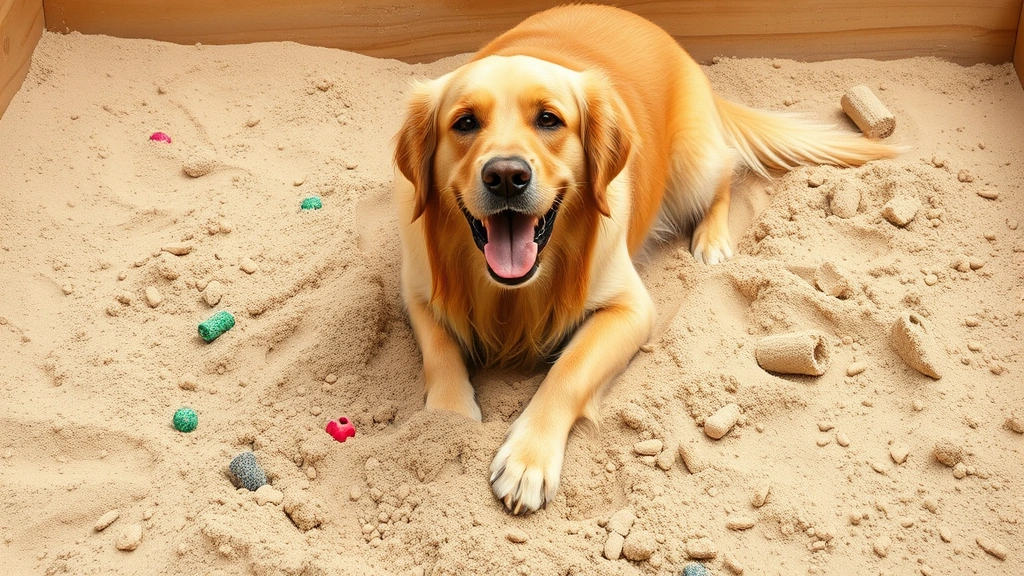
Instead of fighting the instinct, why not give your dog a legal place to dig? This is one of the most effective solutions for dogs with strong digging drives. Set up a sandbox, a designated garden bed, or a specific corner of the yard where digging is not just allowed—it’s encouraged.
Fill this zone with loose soil, sand, or mulch that’s easy to dig in. Bury some toys, treats, or puzzle toys in there to make it irresistible. Whenever you catch your dog digging in the forbidden zones, gently redirect them to their special digging area and praise like crazy when they dig there instead.

This method works particularly well for breed-specific diggers and dogs with high prey drives. It’s a compromise that respects their natural instincts while protecting your roses.
Method 2: Exercise and Mental Stimulation Are Your Best Friends
A tired dog is a well-behaved dog. Boredom is a massive trigger for destructive digging, so cranking up the exercise routine can work wonders. Dogs need both physical exercise and mental stimulation to stay balanced.

Aim for at least 30 minutes to an hour of exercise daily, depending on your dog’s age, breed, and energy level. This could be brisk walks, running, fetch sessions, swimming, or agility training. Mix it up to keep things interesting.
For mental stimulation, invest in puzzle toys, interactive feeders, and training sessions. Teach your dog new commands, play hide-and-seek with treats, or set up obstacle courses in your yard. A mentally engaged dog is far less likely to excavate your landscaping.

Method 3: Address Anxiety With Calming Strategies
If your dog’s digging is anxiety-driven, you need to tackle the root cause. Dogs with separation anxiety or noise sensitivity often dig frantically as a coping mechanism. Start by creating a safe, comfortable space where your dog can retreat.
Consider using calming foods for anxious pets as a supplement to your anxiety management strategy. Additionally, try desensitization exercises, calming music, or white noise to help your dog relax. Some dogs benefit from anxiety wraps or pheromone diffusers.

If the anxiety is severe, consult your vet about whether medication might help. Anxiety-related digging often requires a multi-pronged approach combining environmental changes, training, supplements, and sometimes professional help.
Method 4: Modify Your Yard Environment
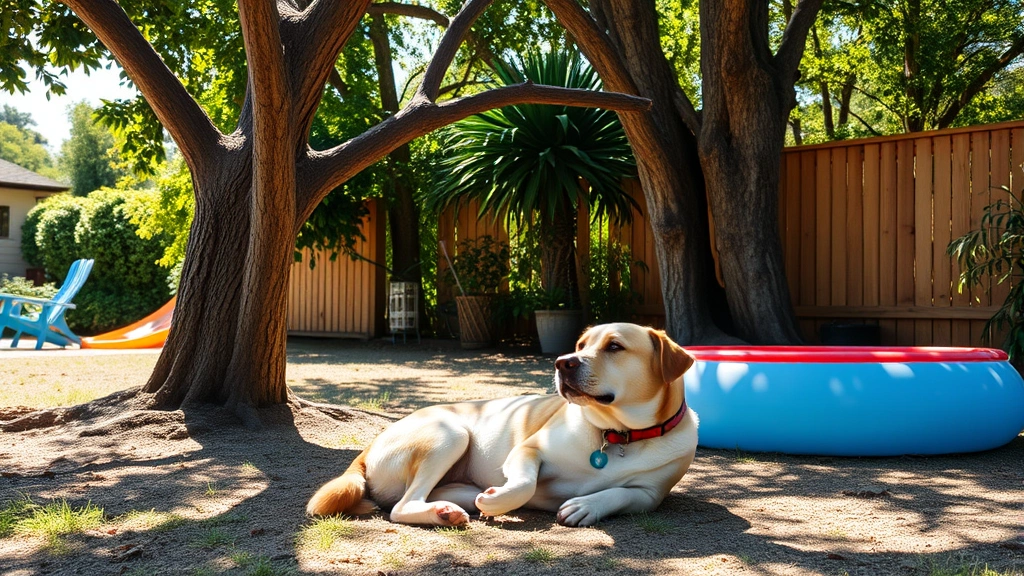
Sometimes the solution is as simple as making your yard less appealing for digging. If your dog is digging because they’re hot, provide plenty of shade and access to cool, shaded areas. Set up a kiddie pool for them to cool off in during hot weather.

Remove temptations like exposed soil, mulch piles, or areas where small animals might be burrowing. If your dog is obsessed with hunting moles or gophers, you might need to address the pest problem first—it’s hard to stop a dog from digging when there’s genuinely something moving underground.
You can also make certain areas physically unappealing by placing chicken wire just below the soil surface in problem areas, or by using motion-activated sprinklers that startle your dog when they approach.
Method 5: Training and Positive Reinforcement
Teach a solid “leave it” or “no dig” command using positive reinforcement. When you catch your dog about to dig in an off-limits area, redirect them with a command and reward heavily when they comply. Never punish digging after the fact—your dog won’t understand why you’re angry, and punishment can increase anxiety-related digging.
Consistency is crucial. Everyone in your household needs to enforce the same rules and use the same commands. It might take weeks or even months to fully break the habit, but persistence pays off.

Special Considerations for Breed-Specific Diggers
If you own a terrier, Husky, Beagle, or other breed with a strong digging drive, you’re essentially asking your dog to ignore their genetic programming. This requires extra patience and realistic expectations.
For these breeds, the designated digging zone method combined with plenty of exercise is usually most effective. You might also consider activities that channel their natural instincts, like earthdog trials or scent work competitions. These outlets satisfy the digging urge in controlled environments.

Health Issues That Cause Digging
Sometimes excessive digging signals an underlying health problem. Dogs with allergies, parasites, or skin conditions often dig and scratch excessively. If your dog’s digging seems obsessive or is accompanied by hair loss, redness, or other skin issues, schedule a vet visit.
Joint pain can also trigger digging behavior as dogs try to find comfortable positions. Older dogs or those with arthritis might dig more frequently. Foods for joint health in pets can help manage pain and potentially reduce digging related to discomfort.

When to Call a Professional Trainer
If you’ve tried multiple methods and your dog’s digging persists, consider hiring a certified professional dog trainer or animal behaviorist. They can assess your specific situation, identify triggers you might have missed, and create a customized training plan.
Persistent digging can sometimes indicate anxiety disorders or obsessive-compulsive behaviors that require professional intervention. There’s no shame in getting expert help—some dogs need it.
Technology and Monitoring Solutions
If you work long hours and can’t supervise your dog, remote pet health monitoring systems with cameras and alerts can help you catch digging in real-time and intervene immediately. Some pet owners use these systems to redirect their dogs via two-way audio when they spot problem digging happening.
Summary: Your Digging Solution Roadmap
Stopping your dog from digging requires understanding why they’re doing it in the first place. Whether it’s boredom, anxiety, breed instinct, or a health issue, there’s a solution tailored to your situation. Start with increased exercise and mental stimulation, create a designated digging zone, and use positive reinforcement training. If anxiety is the culprit, address that with calming strategies and environmental modifications. Most importantly, stay patient and consistent—your dog isn’t being malicious; they’re just being a dog.
Frequently Asked Questions
How long does it take to stop a dog from digging?
It depends on the cause and your dog’s age and temperament. Some dogs respond within weeks, while others take several months. Consistency and patience are key. Puppies and younger dogs typically learn faster than senior dogs.
Is it ever okay to let your dog dig?
Absolutely! Creating a designated digging zone respects your dog’s natural instincts while protecting your yard. This is often the most successful long-term solution, especially for breed-specific diggers.
Can punishment stop my dog from digging?
No, punishment after the fact is ineffective and can backfire by increasing anxiety. Dogs don’t understand delayed consequences. Focus on prevention, redirection, and positive reinforcement instead.
What if my dog only digs when I’m gone?
This typically indicates separation anxiety or boredom. Increase exercise before you leave, use puzzle toys, practice short departures to desensitize your dog, and consider crate training or a safe room setup.
Are there medications that help with digging?
If digging is anxiety-driven, your vet might recommend anti-anxiety medication as part of a comprehensive treatment plan. Medication alone rarely solves the problem without behavioral training and environmental changes.
Why does my dog dig at night?
Nighttime digging often relates to temperature regulation, boredom, or anxiety. Ensure your dog has a cool, comfortable sleeping area and adequate daytime exercise and stimulation.





