
Let’s be real—if you’re wondering how to stop my dog from shedding, you’ve probably already found fur in places you didn’t know fur could exist. Your couch looks like it’s hosting its own fur colony, your black pants are basically a fashion statement in dog hair, and you’re pretty sure you’re vacuuming more than you’re actually living. The good news? You’re not alone, and there ARE legitimate ways to dramatically reduce the fur tumbleweeds taking over your home.
Table of Contents
- Understanding Why Dogs Shed in the First Place
- Solution #1: Master the Art of Regular Brushing
- Solution #2: Optimize Your Dog’s Nutrition for Coat Health
- Solution #3: Keep Your Dog Properly Hydrated and Moisturized
- Solution #4: Address Allergies and Underlying Health Issues
- Solution #5: Use Professional Grooming Services Strategically
- The Role of Stress in Excessive Shedding
- Seasonal Shedding: What to Expect and When
- Supplements and Treatments That Actually Work
- Creating a Shedding Management System at Home
- Frequently Asked Questions
- Summary: Your Action Plan for Less Fur
Understanding Why Dogs Shed in the First Place
Before we tackle solutions, let’s understand the enemy. Dogs shed for several reasons: seasonal coat blows (when they’re basically replacing their entire wardrobe twice a year), poor nutrition, stress, allergies, and sometimes just because they’re a naturally sheddy breed. Some breeds are basically walking lint rollers—looking at you, Golden Retrievers and German Shepherds. Understanding the root cause is half the battle.
Solution #1: Master the Art of Regular Brushing
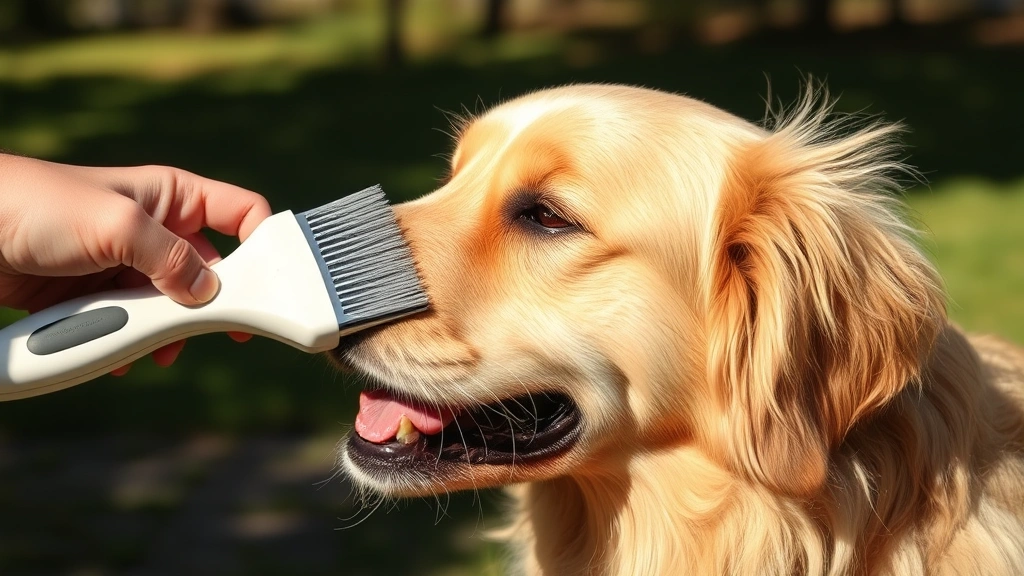
This is the MVP of shedding control. Regular brushing removes loose fur BEFORE it ends up on your furniture. We’re talking daily brushing during heavy shedding seasons, and at least 3-4 times per week during normal times. Invest in a quality de-shedding tool like a FURminator or undercoat rake—these aren’t just fancy brushes, they’re game-changers.
The magic happens when you brush in the direction of hair growth, working through the entire coat. You’ll be shocked at how much loose fur comes out. Your dog will actually enjoy it (most do), and you’ll feel like you’re preventing a furry apocalypse. Pro tip: brush outside or over a trash can. Trust me on this.
Solution #2: Optimize Your Dog’s Nutrition for Coat Health
A shiny, healthy coat starts from the inside. Poor nutrition is one of the biggest culprits behind excessive shedding. Your dog needs high-quality protein, omega-3 and omega-6 fatty acids, and essential vitamins to maintain a strong coat.
Look for dog foods with real meat as the first ingredient and consider adding supplements like fish oil. Many vets recommend foods rich in biotin and zinc for coat health. You can also incorporate skin and coat health foods into your dog’s diet. Foods like salmon, sweet potatoes, and eggs are fantastic for coat quality. Some owners even add a tablespoon of coconut oil to their dog’s food (check with your vet first on portion sizes).
The transformation from a dull, sheddy coat to a glossy, healthy one can take 6-8 weeks, but it’s absolutely worth the wait. Your vacuum will thank you.
Solution #3: Keep Your Dog Properly Hydrated and Moisturized
Dehydrated skin is itchy skin, and itchy skin leads to more shedding and scratching. Make sure your dog always has access to fresh, clean water. Some dogs are notoriously lazy drinkers, so consider a dog water fountain—the moving water actually encourages them to drink more.
Beyond hydration, occasional baths with moisturizing dog shampoo can help. Don’t overdo it though—too many baths strip natural oils. Once every 4-6 weeks is usually ideal. When you do bathe, use lukewarm water and a quality conditioner. Wondering if you can use your own products? Check out our guide on can you use human conditioner on dogs before raiding your shower caddy.
Solution #4: Address Allergies and Underlying Health Issues
Sometimes excessive shedding is a red flag for allergies, parasites, or skin conditions. If your dog is shedding way more than normal, has bald patches, or is constantly scratching, it’s vet visit time. Allergies—whether food-related or environmental—can cause inflammation and hair loss.
Your vet can run tests to identify the culprit and recommend treatment. Boosting your dog’s immune system through proper nutrition also helps fight allergies naturally. Consider exploring immune boosting foods for pets to support your dog’s defense system from the inside out.
Solution #5: Use Professional Grooming Services Strategically
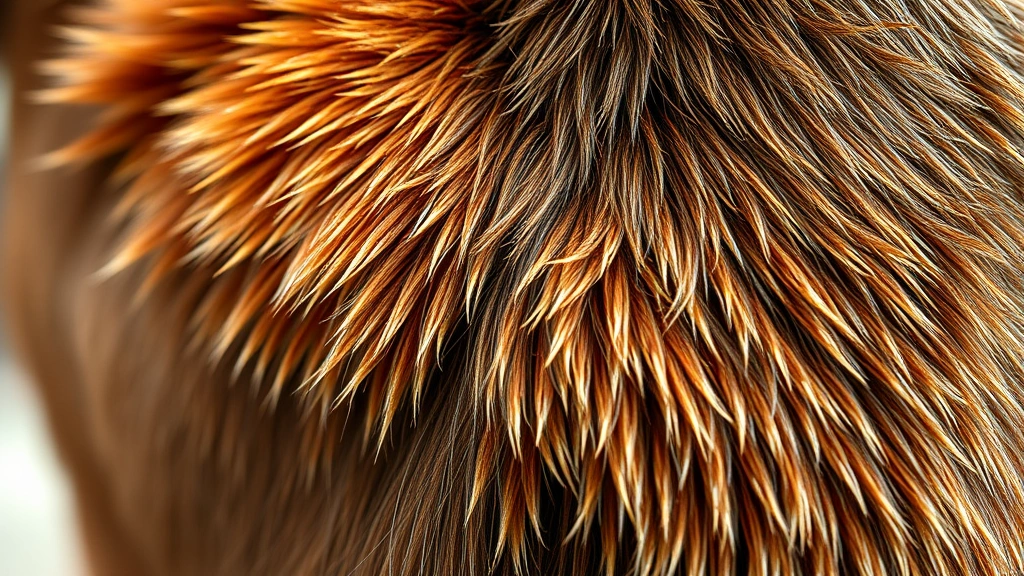
A professional groomer with a de-shedding treatment is like sending your dog to a spa that actually solves problems. They have industrial-grade tools and expertise that can remove an incredible amount of loose fur. During heavy shedding seasons, even one professional grooming session per month can make a dramatic difference.
Professional groomers can also identify potential skin issues you might miss and recommend specific products or dietary changes. It’s an investment, but if you’re drowning in fur, it might be worth it.
The Role of Stress in Excessive Shedding
Here’s something people often overlook: stress causes shedding. If your dog is anxious, bored, or not getting enough exercise, their coat suffers. Make sure your pup gets adequate physical activity, mental stimulation, and quality time with you. A tired dog is a happy dog with a healthier coat.
Consider puzzle toys, regular walks, playtime, and training sessions. The bonus? A well-exercised dog is also better behaved, so you’re solving multiple problems at once.
Seasonal Shedding: What to Expect and When
Most dogs shed year-round, but many experience dramatic seasonal blows in spring and fall when they’re transitioning between coats. During these times, your dog might shed even more than usual—we’re talking tumbleweed-level shedding. This is completely normal and temporary.
If you know your dog’s breed typically sheds heavily, plan ahead. Stock up on lint rollers, increase brushing frequency, and maybe schedule that professional grooming session. Some people actually shave their dogs during heavy shedding seasons to manage the fur explosion, though this is controversial and depends on your dog’s breed.
Supplements and Treatments That Actually Work
Beyond diet, certain supplements can genuinely reduce shedding. Omega-3 fatty acids are the MVP here—they reduce inflammation and promote coat health. Fish oil supplements designed for dogs are widely available and recommended by vets.
Biotin supplements also show promise for coat quality. Some owners swear by probiotics for overall health and skin condition. Always consult your vet before starting any supplement regimen, especially if your dog is on other medications.
Creating a Shedding Management System at Home
Accept that some shedding is inevitable and create systems to manage it. Invest in furniture covers, washable dog beds, and a quality vacuum (the Dyson V15 is specifically designed for pet hair—yes, it’s that much of a problem for dog owners). Keep lint rollers in every room. Some people even use rubber gloves for quick fur removal from furniture.
The goal isn’t to eliminate shedding entirely—that’s impossible for most dogs—but to manage it so it doesn’t take over your life. With these strategies in place, you’ll notice a significant reduction in the amount of fur you’re dealing with.

Frequently Asked Questions
Can I completely stop my dog from shedding?
Unfortunately, no. Most dogs shed year-round to some degree—it’s a natural process. However, you can dramatically reduce the amount of fur your dog loses by following the solutions above. Hypoallergenic or low-shedding breeds like Poodles and Bichon Frises shed less, but even they shed some. The goal is management, not elimination.
How long does it take to see results from diet changes?
Give it 6-8 weeks. Coat quality is determined by what your dog ate weeks ago, so patience is necessary. You’ll start noticing a shinier, healthier-looking coat and reduced shedding after this timeframe. Don’t expect overnight miracles, but do expect real improvement.
Is professional grooming necessary?
Not necessarily, but it helps tremendously during heavy shedding seasons. If you’re committed to daily brushing with the right tools, you can manage shedding at home. However, professional groomers have equipment and expertise that’s hard to replicate. Consider it an investment in your sanity and your dog’s coat health.
What breeds shed the most?
Golden Retrievers, Labrador Retrievers, German Shepherds, Huskies, and Malamutes are notorious shedders. Basically, if a breed was developed for cold climates, they shed like crazy. Breeds with double coats shed significantly more than single-coated breeds. Check your dog’s breed standards to understand what you’re dealing with.
Could my dog’s shedding indicate a health problem?
Possibly. Excessive shedding beyond what’s normal for your dog’s breed, bald patches, skin irritation, or constant scratching warrant a vet visit. Allergies, parasites, thyroid issues, and other health conditions can cause abnormal shedding. When in doubt, get it checked out.
Are there foods I should avoid that make shedding worse?
Low-quality dog foods with fillers and artificial ingredients can contribute to poor coat health and increased shedding. Avoid foods with excessive corn, soy, and by-products. Consider exploring vet approved human foods for pets to supplement your dog’s diet with whole food nutrition.
Summary: Your Action Plan for Less Fur
Here’s what you need to do right now: First, invest in a quality de-shedding brush and commit to using it 3-4 times per week minimum. Second, evaluate your dog’s diet and consider upgrading to a higher-quality food or adding omega-3 supplements. Third, schedule a vet appointment if your dog’s shedding seems excessive or abnormal. Fourth, increase your dog’s exercise and mental stimulation to reduce stress-related shedding. Finally, consider a professional grooming session during heavy shedding seasons.
The combination of regular brushing, proper nutrition, hydration, and professional help can reduce shedding by 50-70%. You might not achieve a fur-free home, but you can definitely achieve a home where you’re not vacuuming every single day. Your quality of life (and your furniture) will improve dramatically.
Remember: shedding is normal, but excessive shedding doesn’t have to be your reality. With these proven solutions, you’ll be amazed at the difference a few weeks of consistent effort can make. Now go forth and reclaim your couch from the fur invasion!





