

Learning how to teach a dog to heel is one of the most valuable skills you can master as a dog owner, and honestly, it’s way easier than you think. A dog that heels walks calmly beside you without pulling, lunging, or dragging you down the street like you’re a sled being pulled by a husky on espresso. Whether you’ve got a rambunctious puppy or an adult dog with questionable leash manners, these five proven steps will transform your walks from chaotic to civilized.
Table of Contents
- Why Heel Training Matters More Than You’d Think
- Step 1: Master the Loose Leash Foundation
- Step 2: Establish the Heel Position and Walking Pattern
- Step 3: Gradually Reduce Treat Frequency and Add Distance
- Step 4: Introduce Directional Changes and Speed Variations
- Step 5: Practice in Real-World Scenarios and Stay Consistent
- Common Heel Training Mistakes to Avoid
- Choosing the Right Equipment for Success
- Understanding Your Dog’s Perspective During Training
- Advanced Heel Variations Once You’ve Got the Basics Down
- Troubleshooting: When Heel Training Isn’t Working
- Frequently Asked Questions
- Final Thoughts: Your Path to Better Walks
Why Heel Training Matters More Than You’d Think
Before we dive into the nitty-gritty, let’s talk about why teaching your pup proper heel position and loose leash walking is actually a game-changer. A dog that heels isn’t just better behaved—it’s safer. Dogs that pull on the leash are more likely to slip their collar, chase squirrels into traffic, or yank you face-first into a puddle. Plus, a well-trained dog gets more exercise and mental stimulation because you’re actually able to take longer walks without your shoulder feeling like it’s been dislocated.
Step 1: Master the Loose Leash Foundation
Before your furry friend can heel like a pro, they need to understand what a loose leash even means. Start in a quiet, distraction-free environment like your backyard or a quiet park. Hold the leash with a bit of slack—and I mean actual slack, not just the illusion of slack. When your dog walks beside you without pulling, immediately reward them with a high-value treat from your pet treat recipes stash or their favorite toy. The moment they pull ahead, stop walking completely. Don’t jerk, don’t yell—just become a statue. Resume walking only when the leash goes slack again. This teaches them that pulling gets them nowhere, literally.
Step 2: Establish the Heel Position and Walking Pattern
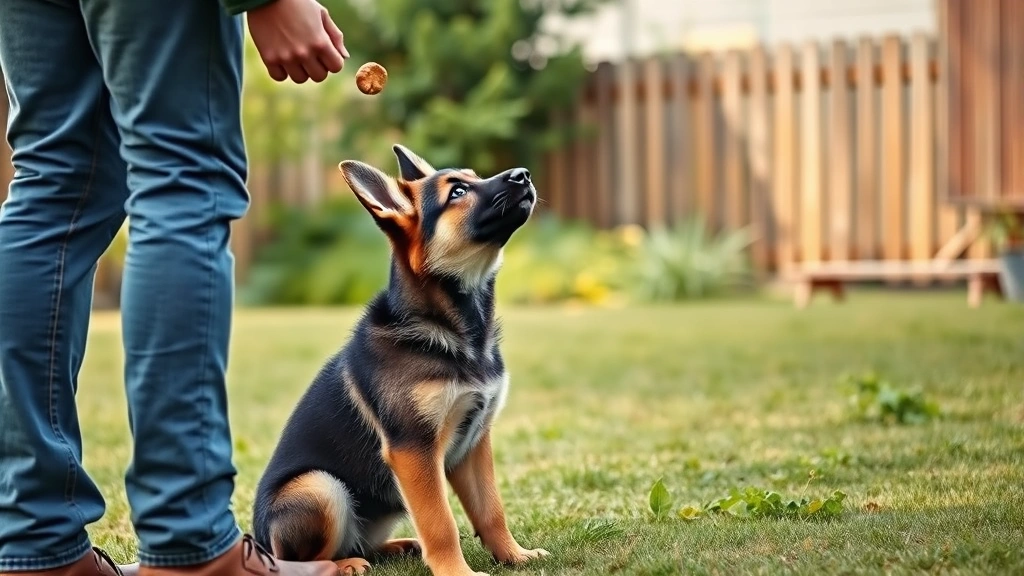
The heel position is when your dog walks on your left side (traditionally, though right side works too), with their shoulder roughly aligned with your leg. Start by luring your dog into position with treats held right at your leg. Say “heel” in an upbeat, encouraging tone—dogs respond better to enthusiasm than monotone commands. Take a few steps, keep treating, and repeat this pattern dozens of times. The goal here isn’t perfection; it’s repetition and positive association. Your dog should start thinking that being next to your leg is literally the best place in the universe to be, especially since safe human snacks for pets can double as training rewards.
Step 3: Gradually Reduce Treat Frequency and Add Distance
Once your dog consistently moves into heel position, start stretching out the reward intervals. Instead of treating every step, reward every five steps. Then every ten. Eventually, you’ll only reward at the end of a successful heel sequence. This is called variable reinforcement, and it’s what keeps dogs motivated long-term. Begin practicing in slightly more stimulating environments—a quieter street, a park with fewer distractions, then gradually busier areas. Your dog’s heel training in different environments teaches them that the command applies everywhere, not just in your living room.
Step 4: Introduce Directional Changes and Speed Variations
Real-world walking isn’t a straight line at constant speed. Start changing direction unpredictably—turn left, turn right, stop suddenly, speed up, slow down. When your dog maintains heel position through these changes, they deserve a party (or at least a treat). This step teaches them to pay attention to you rather than whatever interesting smell is happening three feet away. It also builds impulse control and focus, which are the actual foundations of all good behavior. Many dogs that struggle with heel training actually just aren’t paying attention to their owners, so this step is crucial.
Step 5: Practice in Real-World Scenarios and Stay Consistent
Now comes the part that separates casual dog owners from actual dog trainers: consistency. Your dog isn’t going to magically heel perfectly on day three and then forget about it. You need to practice regularly, in various environments, with different distractions. Walk past other dogs, through busy streets, near parks where squirrels are actively taunting you. Every single walk is a training opportunity. If your dog breaks heel position, don’t get frustrated—just reset and try again. Some days will feel like you’re making zero progress, and then suddenly, one day, your dog will heel for an entire block without a single treat, and you’ll realize you’ve actually created a miracle.
Common Heel Training Mistakes to Avoid
Let’s talk about what NOT to do, because honestly, most people mess this up. First mistake: using a retractable leash. These things are the enemy of heel training because they teach dogs that pulling is rewarded with more freedom. Get a standard six-foot leash instead. Second mistake: inconsistency. If you let your dog pull sometimes but not others, you’re confusing them. Third mistake: punishment-based training. Yanking the leash, yelling “heel,” or using a shock collar might get short-term compliance, but you’re creating an anxious dog, not a willing partner. Positive reinforcement works better and faster. Fourth mistake: expecting perfection immediately. Heel training takes weeks, sometimes months. Your patience is part of the training.
Choosing the Right Equipment for Success
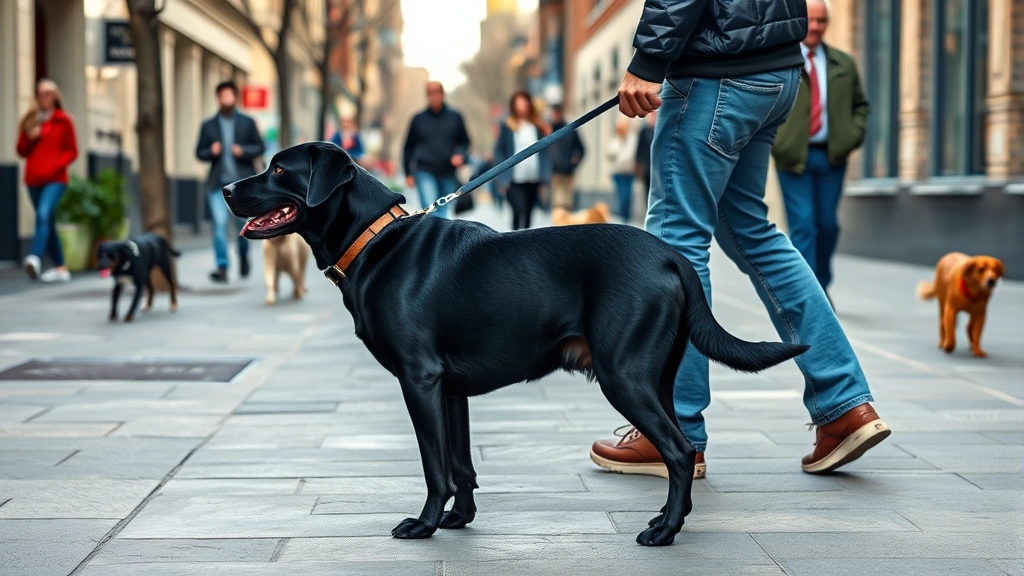
Your gear matters more than you’d think. A standard 6-foot leash gives you control without being cumbersome. A coach dog collar or well-fitted harness distributes pressure evenly and prevents neck strain. Avoid those retractable leashes like they’re dog training kryptonite. If your dog is a serious puller, a no-pull harness can help, but remember—the harness is a training tool, not a permanent solution. You’re still working toward heel position without equipment dependency. And keep those treats accessible; homemade dog biscuits are perfect because you can control portion sizes and ingredients.
Understanding Your Dog’s Perspective During Training
Here’s something most people don’t consider: your dog doesn’t inherently understand what you want. From their perspective, they’re just trying to explore the world, follow interesting smells, and maybe chase that bird. When you ask them to heel, you’re essentially asking them to ignore all their natural instincts and focus on you instead. That’s actually pretty difficult for a dog. So when they fail, it’s not because they’re stubborn or dumb—it’s because they’re still learning. Patience and empathy make all the difference in heel training.
Advanced Heel Variations Once You’ve Got the Basics Down
Once your dog has the basic heel down, you can get fancy. Try heeling at different speeds, heeling with turns, heeling while navigating obstacles, or even heeling off-leash (in a safe, enclosed area). Some trainers teach a “close heel” where the dog stays even closer, or a “happy heel” where the dog can range a bit further but still maintains position. The point is, once you understand the fundamentals of how to teach a dog to heel, you can adapt it to your specific needs and lifestyle.
Troubleshooting: When Heel Training Isn’t Working
If you’ve been at this for weeks and your dog still pulls like a sled team, something needs adjustment. First, check your treats—are they actually high-value? Your dog might be more interested in that squirrel than your boring kibble. Second, check your timing—are you rewarding at the exact moment they’re in heel position, or are you rewarding too late? Third, check your environment—are you practicing in too distracting an area too soon? Go back to basics in a quieter space. Fourth, check your expectations—some dogs are naturally more driven to explore, and that’s okay. You might never have a perfect heel, but you can have a much better loose leash walk. Finally, consider consulting a professional trainer if you’re genuinely stuck. There’s no shame in getting expert help.
Frequently Asked Questions
How long does it take to teach a dog to heel?
Most dogs show basic understanding within 2-4 weeks of consistent daily practice. However, true, reliable heel training typically takes 2-3 months before your dog will heel consistently in all environments. The timeline depends on your dog’s age, temperament, previous training, and how often you practice.
Can you teach an old dog to heel?
Absolutely. The saying “you can’t teach an old dog new tricks” is complete nonsense. Adult and senior dogs can absolutely learn heel training. They might actually be easier to train than puppies because they have better impulse control and longer attention spans. Start with the same basic steps and be patient.
What’s the difference between heel and loose leash walking?
Heel is a specific position where your dog stays at your side in a defined location. Loose leash walking is broader—your dog can range a bit further but still maintains a slack leash and doesn’t pull. Loose leash walking is more practical for everyday walks, while heel is more formal and useful for training demonstrations or navigating crowded spaces.
Should I use a harness or collar for heel training?
Either can work, but a well-fitted harness is generally better because it distributes pressure evenly and doesn’t strain the neck. Avoid retractable leashes entirely. A standard 6-foot leash with a regular collar or harness is your best bet for heel training.
What if my dog has leash reactivity or aggression?
Heel training can actually help with leash reactivity because it increases focus on you. However, if your dog shows signs of aggression (lunging, snapping, growling), consult a professional trainer or veterinary behaviorist before attempting heel training. Safety comes first.
Can I teach heel without treats?
Technically yes, but why would you? Treats make training faster, easier, and more fun for your dog. You don’t need expensive treats—even small pieces of regular kibble work. The goal is to motivate your dog to cooperate, and treats are the most effective motivation.
Final Thoughts: Your Path to Better Walks
Learning how to teach a dog to heel is genuinely one of the best investments you can make in your relationship with your dog. It’s not about having a perfectly obedient robot—it’s about creating a partnership where your dog understands what you want and is motivated to cooperate. The process teaches patience, consistency, and clear communication. Plus, once your dog heels reliably, your walks become actual exercise instead of a wrestling match. Start with the loose leash foundation, establish the heel position, gradually increase difficulty, and practice consistently in varied environments. Stay patient, keep treats handy, and celebrate small victories. Your future walks—the ones where you’re actually enjoying nature instead of fighting for control—are absolutely worth the effort. Now get out there and start training!
For authoritative information on dog training techniques, visit the American Kennel Club (AKC), check out PetMD’s training resources, or consult your veterinary behaviorist for professional guidance.





