

Figuring out how to tell if a dog has a fever can feel like trying to read tea leaves while your furry friend refuses to cooperate. Unlike humans, dogs can’t tell us their heads are pounding or their body feels like it’s on fire. But here’s the good news: there are several telltale signs that’ll help you catch a fever before it becomes a bigger problem. As a vet tech who’s seen plenty of feverish pups come through the clinic, I’m here to break down exactly what you need to watch for and when to hit the panic button (spoiler: usually sooner rather than later).
Table of Contents
- What’s a Normal Temperature for Dogs Anyway?
- Sign #1: The Warm Nose and Ears Test (But Don’t Rely on It Alone)
- Sign #2: Lethargy and Loss of Interest in Playtime
- Sign #3: Loss of Appetite and Picky Eating
- Sign #4: Excessive Panting and Rapid Breathing
- Sign #5: Shivering and Seeking Warmth
- Other Symptoms That Accompany Canine Fever
- When to Use a Thermometer vs. When to Trust Your Gut
- What Causes Fever in Dogs?
- What You Should Do If You Suspect a Fever
- The Importance of Professional Diagnosis
- Prevention: The Best Medicine
- Frequently Asked Questions
- Summary: Trust Your Instincts and Call the Vet
What’s a Normal Temperature for Dogs Anyway?
Before we dive into fever detection, let’s talk baseline temperatures. A healthy dog’s normal body temperature ranges from 101°F to 102.5°F (38.3°C to 39.2°C). Yep, dogs run hotter than we do—that’s why they feel like little furnaces when you cuddle them. If your dog’s temperature climbs above 103°F (39.4°C), you’re officially in fever territory. Anything above 106°F (41.1°C) is a medical emergency requiring immediate veterinary attention. The most accurate way to check? A rectal thermometer—I know, not fun for anyone involved, but it’s the gold standard.
Sign #1: The Warm Nose and Ears Test (But Don’t Rely on It Alone)
This is the classic move every dog owner tries first: touching your pup’s nose and ears. Here’s the thing—that warm, dry nose? It’s not actually a reliable fever indicator, despite what your grandmother told you. A dog’s nose temperature fluctuates throughout the day and can be affected by activity level, ambient temperature, and even where they’ve been napping. However, if your dog’s ears feel unusually hot to the touch AND you’re noticing other symptoms, it’s worth investigating further. Think of it as your first clue, not the smoking gun.
Sign #2: Lethargy and Loss of Interest in Playtime
This is usually the first sign that something’s off with your dog’s health. Your normally energetic golden retriever suddenly doesn’t want to play fetch? Your border collie isn’t demanding their usual three walks? That’s a red flag. Feverish dogs often become withdrawn, sleeping more than usual and showing zero interest in activities they normally love. They might hide in dark, quiet spaces and seem generally uninterested in food or interaction. This behavioral change is often more telling than any physical symptom. If your dog goes from being a party animal to acting like they’re auditioning for a sloth documentary, something’s brewing.
Sign #3: Loss of Appetite and Picky Eating
A dog with a fever often loses their appetite or becomes extremely picky about food. Your lab who normally inhales their kibble in 30 seconds might sniff their bowl and walk away. Some dogs might show interest in treats but refuse their regular meals. This appetite suppression is your dog’s way of telling you their body is fighting something. If your pup skips meals for more than 24 hours, that’s definitely worth a vet call. Check out our guide on when to call the vet about food for more detailed guidance on feeding a sick dog.
Sign #4: Excessive Panting and Rapid Breathing
While panting is normal after exercise or on hot days, excessive panting without obvious cause can indicate a fever. A feverish dog might breathe faster than normal even when resting. You’ll notice their chest moving more rapidly, and they might seem restless or uncomfortable. Some dogs also drool more when running a fever. Count your dog’s breaths per minute when they’re resting—a normal resting respiratory rate is 10-30 breaths per minute. If you’re consistently seeing 40+ breaths per minute without exercise or heat as an explanation, fever could be the culprit.
Sign #5: Shivering and Seeking Warmth
This might seem counterintuitive, but a feverish dog often shivers and seeks out warm spots. Your pup might curl up under blankets, huddle by the fireplace, or press themselves against you for warmth. This happens because their body is trying to regulate temperature—shivering generates heat, so their body keeps doing it even though they’re already running hot. It’s like their internal thermostat got crossed with a faulty wiring job. If your dog is simultaneously seeking warmth while having a high body temperature, fever is likely involved.
Other Symptoms That Accompany Canine Fever
Beyond these five main signs, watch for additional clues: vomiting, diarrhea, nasal discharge, coughing, or any visible signs of pain or discomfort. Some dogs develop a dull, lifeless coat when feverish, and their eyes might look glassy or unfocused. Limping or reluctance to move can also indicate fever, especially if it’s accompanied by infection or inflammation. The more symptoms you’re seeing together, the more urgent the vet visit becomes. For dogs showing signs of illness affecting their diet, our bland diet recipes for sick pets can help support their recovery once the fever breaks.
When to Use a Thermometer vs. When to Trust Your Gut
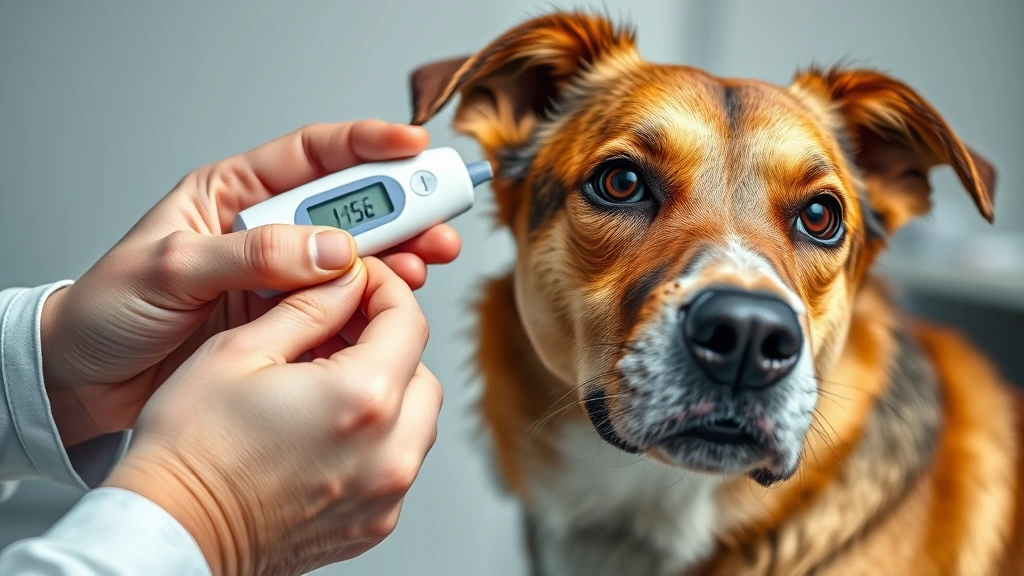
The most accurate way to know if your dog has a fever is using a digital thermometer. Rectal thermometers are most accurate, though ear thermometers designed for dogs work reasonably well. Temporal thermometers (the forehead kind) aren’t reliable for dogs. If you’re not comfortable taking your dog’s temperature at home, that’s totally fine—that’s literally what vets are for. However, if you notice behavioral changes combined with any of the signs above, don’t wait for thermometer confirmation. Your gut instinct matters. Trust it.
What Causes Fever in Dogs?
Understanding what might cause a fever can help you provide better information to your vet. Common culprits include bacterial infections, viral infections, ear infections, urinary tract infections, and inflammatory conditions. Vaccinations can sometimes cause mild, temporary fevers as your dog’s immune system responds. Certain medications and heat stroke can also trigger elevated temperatures. More serious causes include autoimmune diseases, cancer, or infected wounds. The underlying cause determines treatment, which is why getting professional evaluation is crucial. According to the American Kennel Club, identifying the cause is essential for proper treatment.
What You Should Do If You Suspect a Fever
First, don’t panic—but do take action. Call your veterinarian and describe the symptoms you’re seeing. They’ll likely want to see your dog within 24 hours, or immediately if your dog seems severely ill. If it’s after hours and your dog has a temperature above 106°F, is having difficulty breathing, or seems in severe distress, head to an emergency vet clinic. While waiting for your appointment, keep your dog comfortable and hydrated. Don’t give fever-reducing medications like ibuprofen or acetaminophen—these can be toxic to dogs. Stick with cool (not cold) compresses on their paws and ears if they seem comfortable with it.
The Importance of Professional Diagnosis
Here’s where I get a bit serious: fever is a symptom, not a diagnosis. Your vet needs to figure out what’s causing the fever to treat it properly. A fever from a viral infection needs different management than one from a bacterial infection. Your vet might recommend bloodwork, urinalysis, or imaging to pinpoint the cause. According to PetMD, proper diagnosis often involves multiple diagnostic tools. This is why that vet visit isn’t optional—it’s essential. Don’t try to tough it out at home hoping it’ll pass. Fevers that persist beyond 24-48 hours almost always need professional attention. If your dog has ingested something concerning, our telehealth advice for pet poisoning might help you determine if poison is a factor.
Prevention: The Best Medicine
While you can’t prevent every fever, you can reduce your dog’s risk by keeping up with vaccinations, maintaining good hygiene, preventing injuries, and catching infections early. Regular vet checkups help catch issues before they become febrile illnesses. Keep your dog’s living space clean, provide fresh water daily, and watch for any signs of infection or injury. Maintaining proper pet nutrition advice also supports a strong immune system. A well-nourished dog with up-to-date preventive care is better equipped to fight off infections before they cause fever.

Frequently Asked Questions
Can I give my dog fever-reducing medication?
Never give your dog over-the-counter fever reducers like ibuprofen, acetaminophen, or aspirin without explicit veterinary approval. Many common human medications are toxic to dogs. Your vet might prescribe appropriate medications if needed, but the focus should be on treating the underlying cause, not just reducing the fever.
How long does a dog fever typically last?
This depends entirely on the cause. A fever from a minor viral infection might resolve in 24-48 hours, while bacterial infections might require antibiotics and take longer. Some conditions cause persistent fevers. This is why professional diagnosis is crucial—your vet can tell you what to expect based on the specific cause.
Is a fever always bad for dogs?
Fever is actually your dog’s immune system working to fight infection. Low-grade fevers can be beneficial. However, high fevers (above 106°F) can cause organ damage and are dangerous. The goal is to identify and treat the underlying cause, not necessarily to eliminate the fever itself.
Should I keep my feverish dog isolated from other pets?
It depends on the cause. If your dog has a contagious illness, yes—isolation is important. If the fever is from a non-contagious condition, isolation isn’t necessary. Your vet will advise you based on diagnosis. When in doubt, err on the side of caution and separate them until you know what you’re dealing with.
Can puppies and senior dogs get fevers differently?
Puppies and senior dogs can both run fevers, and the signs are similar. However, puppies sometimes struggle to regulate temperature effectively, and senior dogs might have underlying conditions that complicate fever response. Both age groups require prompt veterinary attention when fever is suspected.
Summary: Trust Your Instincts and Call the Vet
Learning how to tell if a dog has a fever comes down to knowing your dog and watching for behavioral changes combined with physical signs. That warm nose? Not reliable. Your dog suddenly acting like they’ve given up on life? That’s your signal. Lethargy, loss of appetite, excessive panting, and seeking warmth are your real clues. The only way to confirm a fever is with a thermometer, but you don’t need absolute confirmation before calling your vet—behavioral changes warrant professional evaluation. Fevers are your dog’s immune system’s way of fighting something, and that something needs to be identified and treated. Don’t wait it out. Don’t try home remedies. Call your vet, describe what you’re seeing, and get your pup the professional care they deserve. Your dog can’t tell you they feel awful, but their behavior will—you just need to know what to listen for.





