
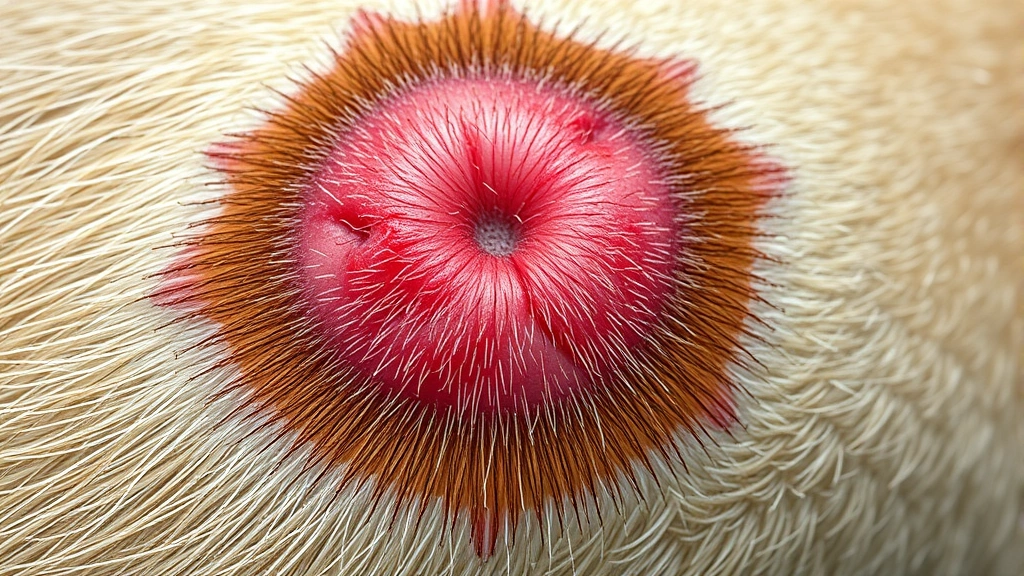
So you’ve noticed your dog scratching more than usual, and now there’s this weird circular patch of missing fur on their side. Your mind immediately goes to the worst-case scenario: ringworm. But before you panic and start imagining your pup covered in worms (spoiler alert: there are no actual worms involved), let’s talk about how to tell if dog has ringworm and what you can actually do about it.
Table of Contents
- What Exactly Is Ringworm in Dogs?
- Sign #1: Circular Patches of Hair Loss (Alopecia)
- Sign #2: Itching and Scratching (Or Not)
- Sign #3: Red, Inflamed, or Scaly Skin
- Sign #4: Brittle or Discolored Nails
- Sign #5: Lesions That Don’t Improve With Normal Treatment
- How Ringworm Spreads (And Why It’s Contagious)
- Diagnosis: When to See Your Vet
- Treatment Options for Canine Ringworm
- Prevention and Long-Term Care
- When to Worry: Severe Cases
- The Reality Check: Your Dog Will Be Fine
- Frequently Asked Questions
- Summary: Know the Signs and Act Fast
Ringworm is one of those frustrating fungal infections that sounds way scarier than it actually is. It’s contagious, sure, but it’s also totally manageable with the right approach. The good news? You’re probably already noticing signs that something’s off, which means you’re on the right track to getting your furry friend some help.
What Exactly Is Ringworm in Dogs?
Let’s clear up the name confusion right off the bat: ringworm has absolutely nothing to do with worms. Nope, not a single parasitic worm involved. Instead, it’s a fungal infection caused by dermatophytes—fancy scientific name for fungi that love living on skin, hair, and nails. The most common culprit in dogs is a fungus called Microsporum canis.
Think of it like athlete’s foot, but for your dog. The infection creates those telltale circular lesions that look like little rings, which is how it got its misleading name. Pretty clever naming fail, right?
Sign #1: Circular Patches of Hair Loss (Alopecia)
The most obvious sign that you might be dealing with ringworm is noticing bald spots on your dog’s body. These patches are usually circular or oval-shaped and often appear on the face, ears, paws, or tail. Your dog might look like they’ve got tiny crop circles happening all over their fur.
Here’s the thing though: the hair loss itself isn’t the infection—it’s your dog’s immune response to the fungus. The ringworm fungus damages the hair shaft, making it weak and brittle, which causes the hair to break off and fall out.
The patches might have a slightly scaly or crusty appearance, and the skin underneath could look inflamed or reddish. If your dog has a darker coat, you might notice the affected areas look lighter or grayer than the surrounding fur.
Sign #2: Itching and Scratching (Or Not)
Here’s where ringworm gets tricky: some dogs itch like crazy, and others don’t seem bothered at all. If your pup is one of the itchy ones, you might notice them constantly scratching, licking, or chewing at the affected areas. This excessive grooming can actually make the infection spread faster because they’re distributing fungal spores all over the place.
Other dogs might have ringworm and barely scratch at all, which means you could miss it if you’re only looking for signs of discomfort. This is why visual inspection is so important. Just because your dog isn’t scratching doesn’t mean that weird patch of missing fur is nothing to worry about.
Sign #3: Red, Inflamed, or Scaly Skin
When you part the fur around the affected area, the skin underneath might look angry and irritated. You could see redness, inflammation, or a crusty, scaly appearance. Some dogs develop what looks like dandruff around the lesions, with flaky skin that just won’t quit.
In some cases, the skin might also develop a slightly greasy or oily feel to it. If you notice your dog’s skin smells a bit off or musty, that’s another clue that fungal activity might be happening. The fungus can create that distinctive musty odor that makes you go, “Wait, does my dog smell weird right now?”
Sign #4: Brittle or Discolored Nails
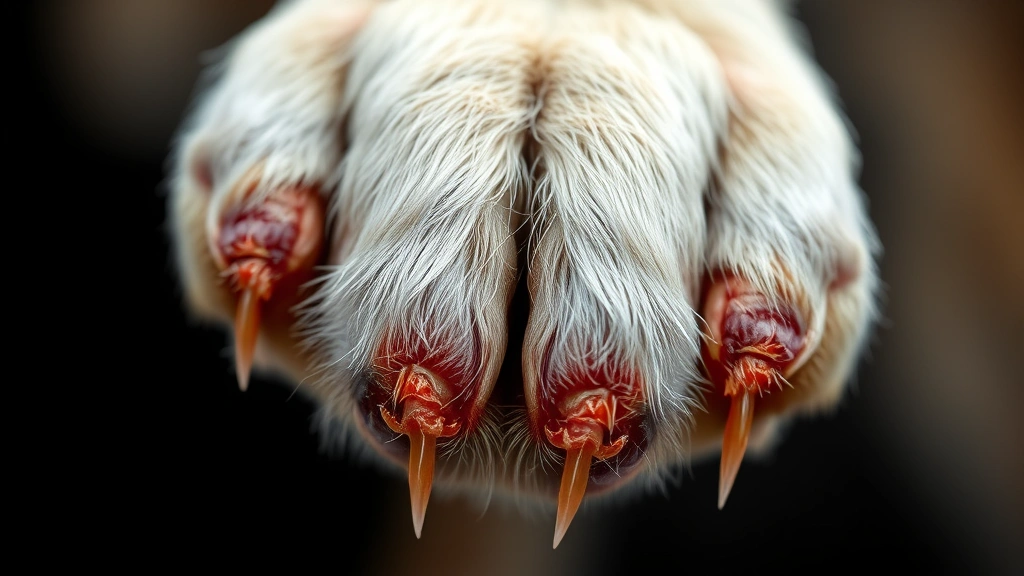
Ringworm doesn’t just hang out on your dog’s skin and fur—it can also infect the nails. If you notice your pup’s nails looking thickened, discolored, brittle, or crumbly, ringworm might be the culprit. The nails might appear yellowish, brownish, or just generally unhealthy-looking.
This is particularly common in dogs that spend a lot of time outdoors or have compromised immune systems. If the nail bed is infected, your dog might also start limping or showing signs of discomfort when walking.
Sign #5: Lesions That Don’t Improve With Normal Treatment
Maybe you noticed a small patch of irritation, applied some topical treatment, and expected it to clear up in a few days. But instead, it’s hanging around like an unwanted houseguest. If you’ve been treating what you thought was a minor skin issue for more than a week or two with no improvement, ringworm might be the reason.
Ringworm lesions have a stubborn quality about them. They won’t respond to regular antibacterial ointments or home remedies because, well, they’re fungal, not bacterial. This is a key distinguishing factor that should prompt you to get your vet involved.
How Ringworm Spreads (And Why It’s Contagious)
Ringworm is highly contagious, which is why knowing the signs matters for your whole household. The fungus spreads through direct contact with infected skin or fur, contaminated objects (like bedding, brushes, or toys), or spores in the environment.
Your dog can catch ringworm from other animals, contaminated soil, or even from you (yes, humans can get it too, though it’s less common). If your dog has ringworm, they can spread it to your other pets, and theoretically to you, though most healthy adults won’t develop symptoms.
This is why quarantining an infected dog and practicing good hygiene is so important. Wash your hands after petting your dog, clean their bedding frequently, and disinfect any shared toys or grooming supplies.
Diagnosis: When to See Your Vet
If you’re seeing any combination of the signs mentioned above, it’s time to schedule a vet appointment. Your vet can diagnose ringworm in several ways: visual inspection under a special light called a Wood’s lamp, fungal culture, or KOH preparation (where they examine skin cells under a microscope).
Don’t try to diagnose this yourself based on appearance alone. Other conditions like mange, allergies, or bacterial infections can look similar. Getting a proper diagnosis ensures your dog gets the right treatment and you’re not wasting time and money on ineffective remedies.
Treatment Options for Canine Ringworm
The good news is that ringworm is treatable. Your vet might recommend a combination approach depending on the severity of the infection:
Topical Treatments: Antifungal creams, ointments, or sprays applied directly to the affected areas. Your vet might suggest something like antibiotic ointment alternatives specifically formulated for fungal infections.
Oral Medications: For more severe cases, your vet might prescribe oral antifungal medications like griseofulvin or terbinafine. These work from the inside out to fight the infection.
Medicated Baths: Regular baths with antifungal shampoo can help reduce spore shedding and speed up healing. Your vet will tell you how often to bathe your dog.
Environmental Management: Cleaning and disinfecting your home is crucial. Wash all bedding in hot water, disinfect toys and grooming tools, and vacuum frequently to remove spores.
Prevention and Long-Term Care
Once your dog recovers from ringworm, you’ll want to take steps to prevent reinfection. Keep your dog’s skin healthy by maintaining a balanced diet rich in omega fatty acids. Consider incorporating skin and coat health foods into their regular meals to support immune function.
Regular grooming helps you catch any new skin issues early. Keep your dog’s living environment clean and dry, as fungi thrive in damp conditions. If your dog spends time outdoors, try to minimize their exposure to contaminated soil.
Avoid feeding your dog anything that might compromise their immune system. If you’re unsure about what’s safe, check out our guide on harmful foods for dogs to ensure you’re not accidentally feeding them something that could weaken their defenses.
When to Worry: Severe Cases
Most cases of ringworm in dogs are mild and manageable, but some dogs develop more serious infections, especially if they have compromised immune systems, are very young or very old, or have other underlying health conditions.
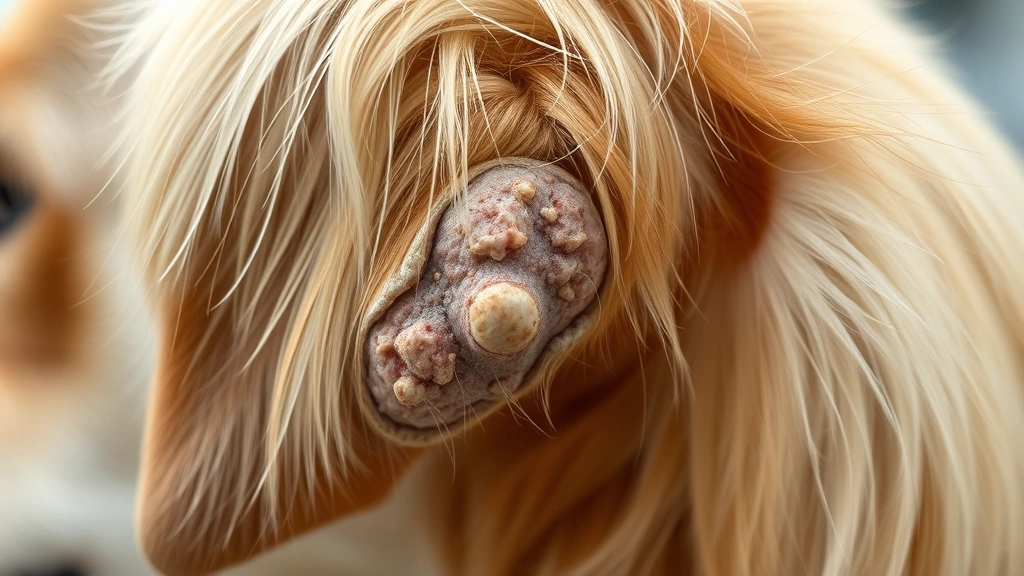
If your dog’s ringworm is spreading rapidly, covering large areas of the body, or if they’re showing signs of secondary bacterial infection (like pus or extreme inflammation), get to your vet immediately. These situations require aggressive treatment and close monitoring.
The Reality Check: Your Dog Will Be Fine
Here’s the bottom line: if you’re asking yourself “how to tell if dog has ringworm,” you’re already being a responsible pet parent. Ringworm is annoying, it requires some patience and consistent treatment, and yes, it’s contagious. But it’s not life-threatening, and with proper care, your dog will make a full recovery.
Most cases resolve within 2-4 weeks with appropriate treatment, though some stubborn infections might take longer. The key is catching it early, getting a proper diagnosis, and following your vet’s treatment plan consistently.
Frequently Asked Questions
Can I catch ringworm from my dog?
Yes, it’s possible, though uncommon. Ringworm is zoonotic, meaning it can spread from animals to humans. However, most healthy adults won’t develop symptoms even with exposure. Children, elderly people, and immunocompromised individuals are at higher risk. Practice good hygiene, wash your hands after petting your dog, and avoid touching the infected areas.
How long does ringworm last in dogs?
With proper treatment, most cases resolve in 2-4 weeks. However, some infections can take 6-12 weeks to completely clear, especially if they’re extensive or your dog has a weakened immune system. Consistent treatment and environmental management are key to speeding recovery.
Can ringworm in dogs go away on its own?
While some mild cases might eventually resolve without treatment, this is rare and not recommended. Untreated ringworm will likely spread to other areas of your dog’s body and to other pets. It’s best to get veterinary treatment to ensure faster healing and prevent transmission.
Is ringworm painful for dogs?
Ringworm itself isn’t typically painful, though it can be itchy and uncomfortable. If your dog is scratching excessively, they might cause secondary skin damage that becomes painful or infected. Treating ringworm promptly reduces discomfort and prevents complications.
What’s the difference between ringworm and mange?
Both cause hair loss and skin irritation, but they’re caused by different things. Ringworm is fungal, while mange is caused by mites. Your vet can distinguish between them through proper diagnostic testing. Treatment differs significantly, so accurate diagnosis is important.
Can Neosporin or other antibiotic ointments treat ringworm?
No, antibiotic ointments won’t work on fungal infections like ringworm. You need antifungal medications specifically. Using the wrong type of treatment will waste time and allow the infection to spread further.
Summary: Know the Signs and Act Fast
Ringworm in dogs presents with clear warning signs: circular hair loss patches, itching (or lack thereof), red or scaly skin, brittle nails, and lesions that don’t improve with normal treatment. If you notice any of these signs, schedule a vet appointment for proper diagnosis.
Remember, ringworm is manageable, treatable, and your dog will recover with appropriate care. The key is catching it early, getting professional help, and following through with consistent treatment. Your pup will be back to their normal self in no time, and you’ll have learned valuable lessons about recognizing and managing fungal infections.
Stay vigilant, keep your dog’s environment clean, and don’t hesitate to contact your vet if something seems off. That’s what they’re there for, and your dog will thank you for being such an attentive pet parent.





