
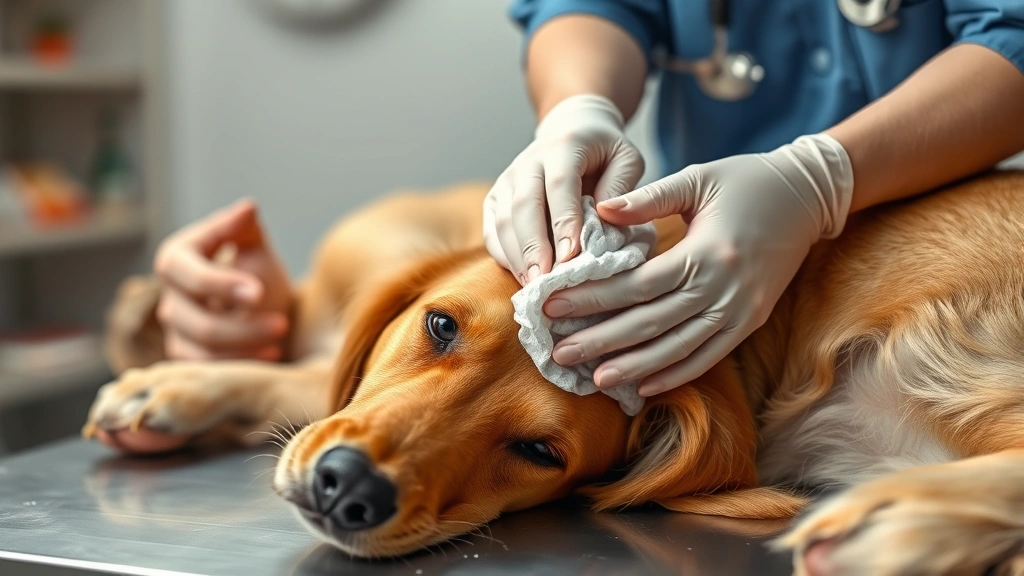
How to treat dog wounds doesn’t require a veterinary degree, but it does require a little patience, some basic supplies, and the ability to resist your dog’s dramatic interpretation of a minor scrape. Whether your pup tangled with a fence, got into a scuffle with another dog, or just has that mysterious wound that appeared overnight, knowing the right steps can mean the difference between a quick recovery and an infected mess.
Table of Contents
- Step 1: Stay Calm and Assess the Damage
- How to Treat Dog Wounds: The Cleaning Process
- Step 2: Trim the Hair Around the Wound
- Step 3: Apply Appropriate Topical Treatment
- Dog Wound Care: Bandaging Basics
- Step 4: Monitor for Infection Signs
- Step 5: Support Healing From the Inside
- When to Call the Vet Immediately
- Preventing Future Wounds
- Recovery Timeline and Expectations
- Frequently Asked Questions
- Final Thoughts on Dog Wound Care
Step 1: Stay Calm and Assess the Damage
Before you panic and rush to the emergency vet, take a breath. Your dog can sense your anxiety, and honestly, they’re probably fine. Start by examining the wound carefully. Is it bleeding heavily, or just a little ooze? Can you see deep tissue, or is it just surface-level? A minor cut or scrape that’s less than half an inch deep is usually manageable at home. Anything deeper, gaping, or involving the eye, ear, or genitals? Time to call your vet. Also, if your dog was bitten by another animal or if there’s any chance of a puncture wound, professional help is non-negotiable.
How to Treat Dog Wounds: The Cleaning Process
Once you’ve determined it’s safe to proceed at home, cleaning is your first real step. Grab some lukewarm water—and I mean lukewarm, not hot—and gently rinse the wound. You can use a soft washcloth or gauze pad. If your dog got into something particularly dirty, you might consider using a mild saline solution or diluted chlorhexidine (ask your vet about this beforehand). Avoid hydrogen peroxide and alcohol; they can damage healthy tissue and actually slow healing. If there’s debris stuck in there, resist the urge to dig. Let the water do the work. Many pet owners ask about using witch hazel on dogs, but plain water is genuinely your best bet for initial cleaning.
Step 2: Trim the Hair Around the Wound
This step separates the amateurs from the pros. Trimming hair around the wound prevents bacteria from falling into it and helps you monitor healing progress. Use blunt-tipped scissors (safety first!) and trim the hair about a quarter-inch away from the wound edges. Be gentle—your dog is already uncomfortable, and you don’t want to accidentally clip skin. If your dog has thick fur or you’re nervous, this is a perfect time to call your groomer or vet for help.
Step 3: Apply Appropriate Topical Treatment
Here’s where it gets interesting. After cleaning and drying the wound with a clean, soft cloth, you can apply a pet-safe antibiotic ointment like Neosporin (though some vets debate this—ask yours). Alternatively, many vets recommend simply keeping the wound clean and dry without ointment, especially if it’s in an area your dog can lick. If your dog is obsessed with licking the wound, that’s when you might need to consider an Elizabethan collar (the cone of shame). Licking introduces bacteria and prevents healing, so don’t skip this step if needed. Some dog owners worry about accidental ingestion of treatments—if you’re concerned about toxicity, check the Pet Poison Hotline for specific products.
Dog Wound Care: Bandaging Basics
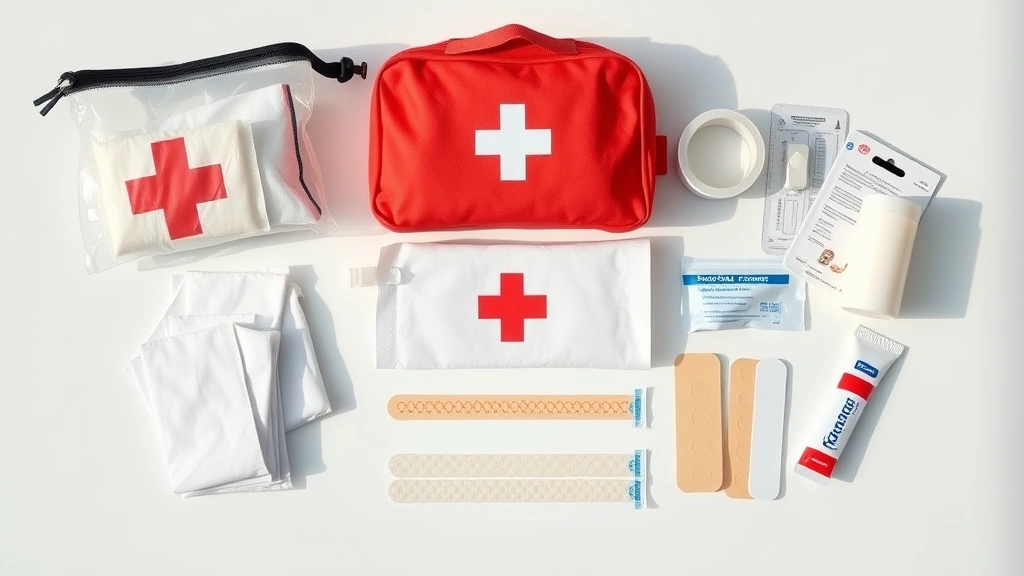
Not all wounds need bandaging. Small, shallow wounds often heal better exposed to air. However, if the wound is in a location that gets dirty easily (like on the paw) or won’t stop bleeding after 10 minutes of gentle pressure, bandaging is your friend. Use sterile gauze pads and wrap with self-adhesive bandaging tape or an elastic bandage. Don’t wrap too tightly—you should be able to fit a finger under the bandage. Change the bandage daily or whenever it gets wet or dirty. If you’re unsure about bandaging, your vet can show you the proper technique.
Step 4: Monitor for Infection Signs
This is crucial. Check the wound daily for signs of infection: increased redness, swelling that gets worse after day two, pus or discharge, warmth around the area, or your dog acting lethargic. Minor swelling and redness in the first 24 hours is normal, but if things aren’t improving by day three, call your vet. Infections in dogs can escalate quickly, so don’t play hero if something seems off. Your dog might also develop a fever or stop eating—these are definite vet-visit signals.
Step 5: Support Healing From the Inside
Proper nutrition accelerates wound healing. Your dog’s body needs adequate protein, vitamins, and minerals to repair tissue. If your dog has a serious wound, consider discussing skin and coat health foods with your vet or exploring a telehealth pet nutrition consultation. Some vets recommend supplementing with omega-3 fatty acids, vitamin C, and zinc during recovery. Proper hydration is equally important—make sure your dog always has access to fresh water. If your dog is refusing food, that’s another reason to contact your vet.
When to Call the Vet Immediately
Let’s be clear: certain situations require professional intervention. Deep wounds, puncture wounds, animal bites, wounds that won’t stop bleeding after 10-15 minutes of pressure, wounds showing signs of infection, wounds near the eye or genitals, or if your dog is showing signs of shock (pale gums, rapid breathing, weakness)—these all need veterinary attention. There’s no medal for treating these at home, and delaying care can result in serious complications like sepsis or permanent scarring.
Preventing Future Wounds
An ounce of prevention is worth a pound of cure, right? Keep your yard free of sharp objects, broken glass, and rusty metal. Supervise playtime with other dogs, especially if your pup is a scrapper. Keep your dog’s vaccines current—particularly tetanus if they’re an outdoor adventurer. Regular exercise and a healthy diet strengthen their immune system and overall resilience. And honestly, sometimes wounds just happen. Dogs are curious creatures who love exploring, and minor injuries are part of the deal.
Recovery Timeline and Expectations
Most minor wounds heal within 7-14 days. You’ll notice the scab forming (and your dog will notice it too—resist letting them pick at it). By day 10, new skin should be forming underneath. Don’t be alarmed if the area looks a bit pink or hairless for a while; that’s normal. Hair regrowth can take several weeks, especially on larger wounds. For deeper wounds, healing can take 3-4 weeks or longer. During this time, limit your dog’s activity to prevent reopening the wound. No running, jumping, or swimming until your vet gives the all-clear.
Frequently Asked Questions
Can I use human first aid supplies on my dog’s wound?
Some human products are safe for dogs, but others aren’t. Plain saline solution, gauze, and medical tape are fine. Avoid hydrogen peroxide, alcohol, and products containing xylitol or other toxic ingredients. When in doubt, ask your vet before applying anything to your dog’s wound.
How long should I keep a bandage on my dog’s wound?
Change bandages daily or whenever they get wet or dirty. Most minor wounds don’t need bandaging after 3-5 days if they’re not in a high-traffic area or prone to contamination. Your vet can advise on your specific situation.
Is it normal for a dog wound to smell?
A slight odor might occur, but a strong, foul smell suggests infection. If the smell is accompanied by discharge, increased redness, or swelling, contact your vet immediately.
Can I give my dog pain medication for a wound?
Over-the-counter pain relievers meant for humans can be toxic to dogs. If your dog is in pain, contact your vet. They can prescribe safe pain management options for your pup.

Should I let my dog lick their wound?
No. Dog saliva isn’t the healing miracle people claim. Constant licking introduces bacteria and prevents proper healing. Use an Elizabethan collar if your dog won’t leave the wound alone.
When can my dog resume normal activity after a wound?
Restrict activity for at least 7-10 days for minor wounds, longer for serious injuries. Excessive movement can reopen wounds and delay healing. Your vet will give you specific guidelines based on the wound’s severity.
What’s the difference between a wound that needs stitches and one that doesn’t?
Wounds with edges that gape open, are deeper than a quarter-inch, or longer than half an inch often need stitches. Stitches help wounds heal faster and with less scarring. Your vet can determine if stitches are necessary during an examination.
Can I use essential oils on my dog’s wound?
Most essential oils are toxic to dogs. Stick with vet-approved treatments. Check Pet Poison Hotline if you’re unsure about a specific product’s safety.
Final Thoughts on Dog Wound Care
Learning how to treat dog wounds empowers you to handle minor injuries confidently while recognizing when professional help is necessary. The five essential steps—assessing the damage, cleaning thoroughly, trimming hair, applying appropriate treatment, and monitoring for infection—form the foundation of effective home wound care. Remember that your dog depends on you to make the right call between at-home treatment and veterinary intervention. When in doubt, call your vet. They’d rather answer a question than treat a serious infection. With proper care, most minor wounds heal beautifully, and your dog will be back to their normal mischievous self in no time. For additional pet nutrition advice to support healing, consult with your veterinary team about optimizing your dog’s diet during recovery.





