
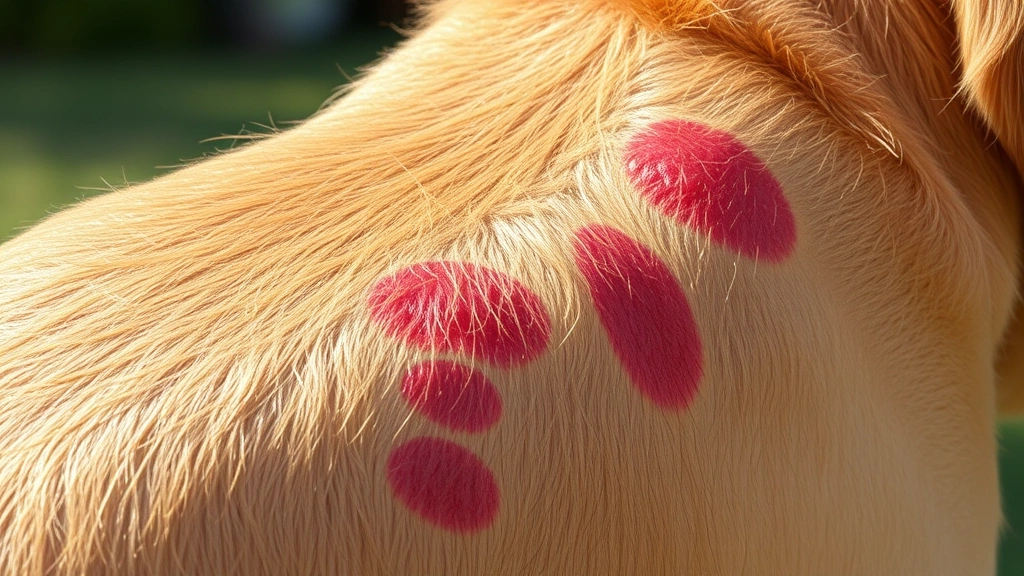
Learning how to treat flea allergy dermatitis in dogs at home can save you hundreds in vet bills and your pup from endless scratching misery. If your dog’s constantly gnawing at their skin like it owes them money, you’ve probably noticed the telltale signs: red, inflamed patches, hair loss, and that desperate look of a furry friend who just can’t get comfortable. The good news? You can tackle this pesky problem with proven home remedies and preventative strategies that actually work.
Table of Contents
- Understanding Flea Allergy Dermatitis: What’s Actually Happening?
- Step 1: The Nuclear Option—Complete Flea Elimination
- Step 2: Environmental Cleanup—Where the Real Battle Happens
- Step 3: Soothing the Inflamed Skin at Home
- Step 4: Omega-3 Supplementation for Skin Health
- Step 5: Hydration and Topical Soothing Treatments
- Step 6: Preventing Secondary Infections
- Step 7: Long-Term Flea Prevention Strategies
- When to Seek Professional Help
- Nutritional Support for Skin Resilience
- Conclusion: Your Dog’s Scratching Days Are Numbered
- Frequently Asked Questions
Understanding Flea Allergy Dermatitis: What’s Actually Happening?
Before jumping into solutions, let’s talk about what flea allergy dermatitis actually is. Unlike regular flea bites that cause mild itching, flea allergy dermatitis is your dog’s immune system throwing a tantrum over flea saliva. Yep, saliva. Just one or two flea bites can trigger an allergic reaction that makes your pup scratch like they’re trying to dig to China. This condition isn’t about the number of fleas—it’s about your dog’s sensitivity to their proteins. Some dogs can have dozens of fleas and barely notice; others react to a single bite like it’s a personal attack.
Step 1: The Nuclear Option—Complete Flea Elimination
You can’t treat flea allergy dermatitis without eliminating the source. Start with a thorough flea bath using a quality dog shampoo designed to kill adult fleas on contact. Look for products containing pyrethrins or piperonyl butoxide—these are safe for dogs and devastate fleas. Bathe your dog in warm (not hot) water, lather up, and let the shampoo sit for 5-10 minutes. This isn’t a quick rinse situation; patience is key.
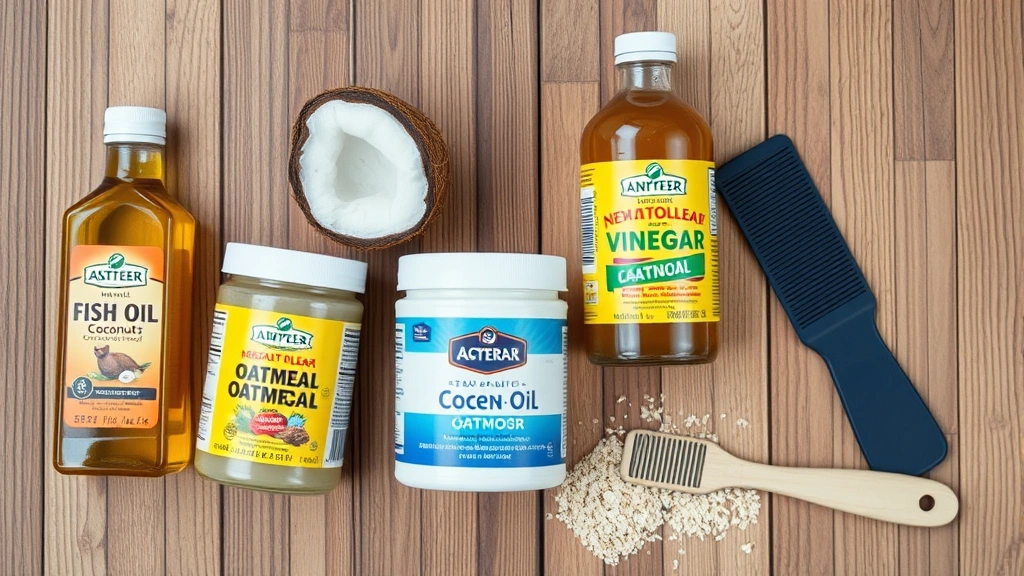
After the bath, use a fine-toothed flea comb to physically remove dead fleas and eggs. Yes, it’s tedious. Yes, it works. Run the comb through your dog’s coat section by section, dunking the comb in soapy water to trap fleas. You might be surprised how many you catch even after shampooing.
Step 2: Environmental Cleanup—Where the Real Battle Happens
Here’s where most pet owners fail: they treat the dog but ignore the house. Fleas live in your carpet, bedding, and furniture—not just on your pup. Vacuum your entire house thoroughly, paying special attention to areas where your dog sleeps and spends time. Throw that vacuum bag away immediately (or empty the canister outside). Wash all dog bedding, blankets, and any fabric your dog contacts in hot water. If your dog sleeps on your bed, yes, you need to wash those sheets too.
For stubborn infestations, consider using a food-grade diatomaceous earth on carpets and furniture. Sprinkle it lightly, let it sit for 24 hours, then vacuum thoroughly. This natural powder damages fleas’ exoskeletons without harming your dog. Just avoid breathing in the dust yourself—use a mask.
Step 3: Soothing the Inflamed Skin at Home
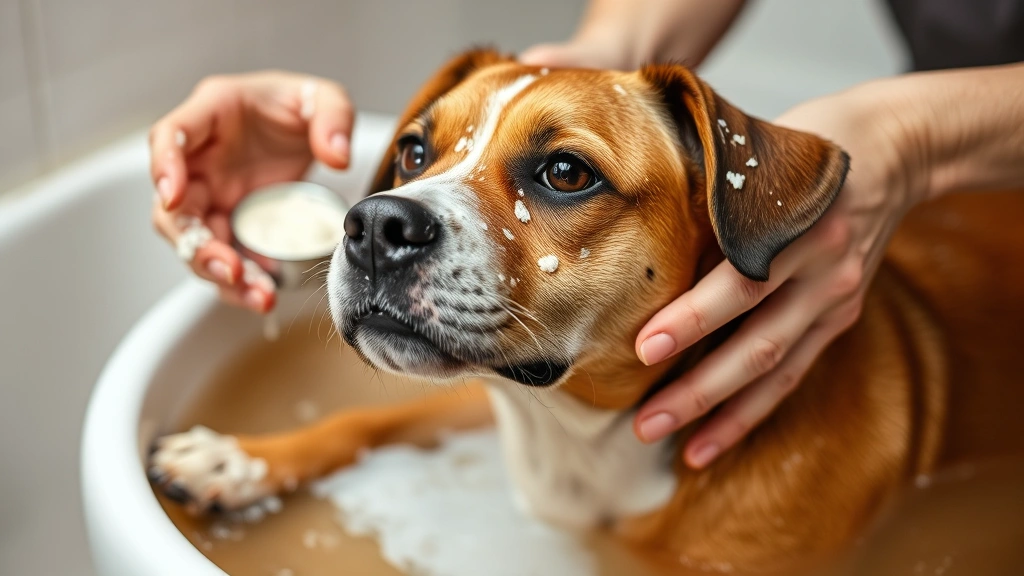
While you’re eliminating fleas, your dog’s skin needs relief. Oatmeal baths are a game-changer for flea allergy dermatitis symptoms. Grind plain oatmeal into a fine powder, mix it with warm water to create a paste, and apply it directly to affected areas or add it to bathwater. Oatmeal has natural anti-inflammatory properties that calm irritated skin without harsh chemicals. Bathe your dog in this mixture 2-3 times weekly for best results.
Apple cider vinegar is another home remedy worth trying. Mix one part raw, unfiltered apple cider vinegar with one part water and apply it to affected areas with a spray bottle. The acidity helps restore your dog’s skin pH balance and has mild antimicrobial properties. Skip this if your dog has open wounds, though—it’ll sting like crazy.
Step 4: Omega-3 Supplementation for Skin Health
Omega-3 fatty acids are your secret weapon against skin inflammation. Fish oil supplements reduce itching and support skin barrier function from the inside out. Start with a quality fish oil supplement designed for dogs (check dosing on the label based on weight). Within 4-6 weeks, you should notice improved skin condition and reduced scratching. Alternatively, add small amounts of cooked salmon or sardines to your dog’s regular meals—they’ll love you for it, and their skin will thank you too.
For dogs with food allergies in pets, omega-3s become even more critical since skin health is often compromised. Some owners find that combining omega-3 supplementation with human foods for pets with food allergies creates a comprehensive wellness approach.
Step 5: Hydration and Topical Soothing Treatments
Keep your dog hydrated—skin health starts from within. Ensure fresh water is always available and consider adding a bit of bone broth to their water bowl for extra nutrients and palatability. Topically, coconut oil is fantastic for soothing irritated skin. Apply a thin layer to affected areas (just avoid the face to prevent eye irritation). Coconut oil has antimicrobial and anti-inflammatory properties, plus most dogs don’t mind the taste if they lick it off.
Aloe vera gel is another excellent topical option. Use pure aloe (not the kind with additives) and apply it directly to inflamed patches. The cooling sensation provides immediate relief, and aloe promotes skin healing. Your dog might try to lick it off, so consider using an Elizabethan collar if necessary.
Step 6: Preventing Secondary Infections
Excessive scratching creates open wounds that invite bacterial infections. Keep your dog’s nails trimmed short to minimize damage from scratching. If you notice signs of infection (oozing, pus, foul odor), clean the area gently with diluted Betadine solution or a mild antiseptic. A mixture of equal parts white vinegar and water also works for minor wound cleaning. If infection seems serious, you’ll need veterinary antibiotics—this is one area where home care has limits.
Step 7: Long-Term Flea Prevention Strategies
Once you’ve conquered the initial infestation, prevention is everything. Natural options include cedar oil sprays (fleas hate cedar), diatomaceous earth applications monthly, and regular vacuuming. Some owners swear by adding brewer’s yeast to their dog’s food—the theory is that it makes dogs less attractive to fleas, though scientific evidence is mixed.
For more serious cases, prescription flea preventatives like Comfortis or Bravecto work year-round and are worth discussing with your vet. They’re not “home remedies,” but they’re often the most reliable long-term solution for dogs with severe flea allergy dermatitis. Consider that foods for joint health in pets and overall wellness support can boost your dog’s immune response to allergens.
When to Seek Professional Help
Home treatment works great for mild to moderate cases, but severe flea allergy dermatitis sometimes requires professional intervention. If your dog develops widespread hair loss, severe infections, or shows no improvement after 3-4 weeks of home treatment, contact your vet. They might prescribe antihistamines, corticosteroids, or antibiotics. This isn’t failure—it’s recognizing when your pup needs extra backup.
Your veterinarian can also perform allergy testing to confirm flea allergy dermatitis and rule out other skin conditions. According to the American Kennel Club, proper diagnosis is crucial for effective treatment planning.
Nutritional Support for Skin Resilience
Don’t underestimate the power of a quality diet. High-protein foods support skin barrier function and healing. If your dog tolerates it, adding lean meats, eggs, and bone broth boosts skin health. Avoid low-quality kibble loaded with fillers—your dog’s skin will suffer. Some owners find that bland diet recipes for sick pets help during acute flare-ups, giving the digestive system a break while the body focuses on healing skin.
Conclusion: Your Dog’s Scratching Days Are Numbered
Treating flea allergy dermatitis at home is absolutely possible with a multi-pronged approach: eliminate fleas completely, clean your environment thoroughly, soothe inflamed skin with natural remedies, support skin health from the inside with omega-3s and quality nutrition, and maintain consistent prevention. Most dogs see significant improvement within 2-4 weeks of starting comprehensive home treatment. The key is consistency—you can’t skip steps or take shortcuts. Your dog’s comfort depends on your commitment to this process. Start today, stay the course, and soon your pup will be back to their happy, itch-free self instead of looking like they’re auditioning for a scratching commercial.
Frequently Asked Questions
Can I treat flea allergy dermatitis in dogs without seeing a vet?
Mild to moderate cases often respond well to home treatment. However, if your dog has severe symptoms, widespread infections, or doesn’t improve in 3-4 weeks, veterinary care is necessary. Your vet can rule out other conditions and prescribe medications if needed.
How long does it take to see improvement with home treatment?
Most dogs show noticeable improvement within 2-4 weeks of starting comprehensive home treatment, assuming you’ve eliminated all fleas and are addressing skin inflammation consistently. Patience is essential—skin healing takes time.
Is oatmeal really effective for flea allergy dermatitis?
Yes, oatmeal has proven anti-inflammatory properties that calm irritated skin. Colloidal oatmeal (finely ground) is most effective. Bathe your dog 2-3 times weekly for best results. It’s one of the safest and most accessible home remedies available.
What’s the best natural flea prevention for dogs with allergies?
Diatomaceous earth, cedar oil sprays, and consistent vacuuming work well for prevention. However, for dogs with severe flea allergy dermatitis, prescription preventatives are often more reliable than natural options. Discuss options with your vet based on your dog’s severity.
Can fish oil supplements really help with flea allergy dermatitis?
Absolutely. Omega-3 fatty acids reduce skin inflammation and support barrier function. Most dogs see improvement within 4-6 weeks of supplementation. Quality matters—choose fish oil supplements specifically formulated for dogs.
What should I do if my dog develops a secondary skin infection?
Clean the area gently with diluted Betadine or antiseptic solution. Trim nails to prevent further damage from scratching. If the infection worsens or doesn’t improve, seek veterinary care—you may need prescription antibiotics.





