
If your dog just licked a toad, you’re probably panicking right now—and honestly, that’s justified. Toad poisoning in dogs is no joke, but the good news? You can take immediate action at home while getting professional help. Let’s talk about what you need to do RIGHT NOW and what comes next.
Table of Contents
- Why Toads Are Basically Nature’s Toxic Candy for Dogs
- Recognizing Toad Poisoning Symptoms in Your Dog
- Step 1: Rinse Your Dog’s Mouth Thoroughly
- Step 2: Do NOT Induce Vomiting
- Step 3: Monitor Vital Signs and Symptoms
- Step 4: Activated Charcoal (Only If Your Vet Approves)
- Step 5: Supportive Care and Recovery
- When to Get Veterinary Help for Toad Poisoning in Dogs
- Prevention: The Real Hero of Toad Poisoning Management
- Understanding Toad Toxin and Your Dog’s Sensitivity
- What NOT to Do When Your Dog Encounters a Toad
- Frequently Asked Questions
- Final Thoughts: Act Fast, Stay Calm
Why Toads Are Basically Nature’s Toxic Candy for Dogs
Dogs think toads are toys. Unfortunately, toads think dogs are threats. When threatened, toads secrete bufotoxins—nasty compounds that can cause serious neurological and cardiac issues in your pup. Some toad species (like the Colorado River toad and cane toad) are particularly dangerous. Your dog doesn’t need to swallow the toad; just licking or mouthing it can transfer enough toxin to cause problems.
The worst part? Dogs often repeat the offense. They’ll chase another toad tomorrow if you don’t intervene.
Recognizing Toad Poisoning Symptoms in Your Dog
Symptoms appear within 15 minutes to a few hours. Watch for:
- Excessive drooling and foaming at the mouth
- Vomiting or retching
- Dilated pupils
- Tremors or muscle rigidity
- Rapid or irregular heartbeat
- Seizures (in severe cases)
- Disorientation or stumbling
- Hypersalivation that looks like the dog’s foaming
If you see ANY of these, don’t wait. This is the time to contact your vet immediately.
Step 1: Rinse Your Dog’s Mouth Thoroughly
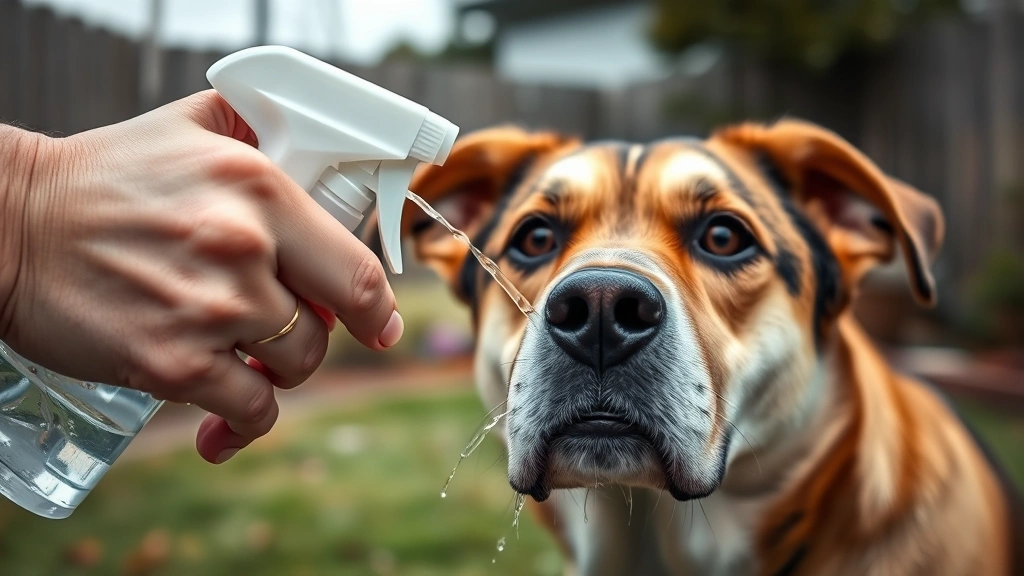
This is your first line of defense against toad toxin exposure. Grab a hose, spray bottle, or cup and flush your dog’s mouth with lukewarm water for 5-10 minutes. Get under the tongue, along the gums, and the roof of the mouth. This removes residual toxin before it gets absorbed.
Pro tip: Don’t let your dog swallow the water if possible—have them spit it out. And yes, your dog will hate this. They’ll act like you’re torturing them. You’re not; you’re saving their life.
Step 2: Do NOT Induce Vomiting
I know your first instinct might be to make your dog throw up, but STOP. With toad poisoning, inducing vomiting can cause more damage as the toxin travels back up the esophagus. Skip the hydrogen peroxide and ipecac. Let your vet decide if vomiting is necessary after they examine your dog.
Step 3: Monitor Vital Signs and Symptoms
After rinsing, watch your dog like a hawk for the next 4-6 hours. Check their breathing rate (should be 10-30 breaths per minute at rest), heart rate, and pupil responsiveness. Note any changes in behavior, coordination, or appetite. Keep a log—your vet will want details.
This is where emergency telehealth services can be a lifesaver if you can’t get to a clinic immediately. A vet can assess your dog’s condition remotely and advise whether an in-person visit is urgent.

Step 4: Activated Charcoal (Only If Your Vet Approves)
Some vets recommend activated charcoal to bind toxins in the stomach, but this only works if given within 1-2 hours of exposure and only with vet approval. Never give it without professional guidance. If your vet says yes, the typical dose is 1-3 grams per kilogram of body weight. Give it with a small amount of food to make it palatable (your dog will think it tastes like dirt, because it does).
Step 5: Supportive Care and Recovery
Most dogs recover within 24-48 hours with supportive care. This means:
- Keeping them calm and quiet (no running or playing)
- Providing fresh water (small amounts frequently)
- Offering bland food after 12 hours if they’re interested
- Monitoring for secondary complications
Check out convalescence foods from the kitchen for gentle options during recovery. Boiled chicken and rice are classics for a reason.
When to Get Veterinary Help for Toad Poisoning in Dogs
Here’s the reality: home treatment is first aid, not a cure. You should contact your vet or emergency clinic if:
- Your dog is showing ANY symptoms (drooling, tremors, vomiting)
- You’re unsure if your dog touched a toad
- Symptoms persist beyond 24 hours
- Your dog has a pre-existing heart condition
- Your dog is very young, elderly, or has health issues
Your vet might recommend IV fluids, cardiac monitoring, or medications to manage symptoms. Some dogs need hospitalization for severe cases. Online vet advice for food reactions can help you decide if an emergency visit is necessary, but don’t replace professional evaluation for potential poisoning.
Prevention: The Real Hero of Toad Poisoning Management
An ounce of prevention is worth a pound of emergency vet bills. Here’s how to keep your dog safe:
- Remove toads from your yard: Use a net or gloved hands to catch and relocate them far from your home
- Eliminate toad habitat: Remove standing water, dense vegetation, and mulch piles where toads hide
- Supervise outdoor time: Don’t leave your dog unattended in the yard, especially at dawn and dusk when toads are active
- Train recall: A solid “leave it” command can prevent your dog from investigating suspicious creatures
- Install motion-activated lights: Toads prefer darkness, so lighting up your yard deters them
If you live in an area with dangerous toad species, this isn’t optional—it’s essential.
Understanding Toad Toxin and Your Dog’s Sensitivity
Not all toads are equally toxic, and not all dogs react the same way. Small dogs (under 10 lbs) are at higher risk because the toxin concentration is more potent relative to their body weight. Puppies and senior dogs also have increased vulnerability. Certain breeds with a stronger prey drive (terriers, hounds) are more likely to chase and mouth toads.
The bufotoxins affect the heart, nervous system, and gastrointestinal tract. In severe cases, they can cause arrhythmias that are life-threatening. This is why even “mild” symptoms warrant professional evaluation.

What NOT to Do When Your Dog Encounters a Toad
Panic is understandable, but avoid these mistakes:
- Don’t squeeze the toad (releases more toxin)
- Don’t use your bare hands to handle the toad
- Don’t wait to see if symptoms develop before calling the vet
- Don’t assume your dog is fine because they’re not showing symptoms yet (they might be)
- Don’t give your dog milk, oil, or other home remedies without vet approval
Frequently Asked Questions
How long does toad poisoning last in dogs?
Most dogs recover within 24-48 hours with supportive care. Mild cases might resolve in 12 hours. Severe cases requiring hospitalization might take 3-5 days. The toxin is metabolized relatively quickly, but secondary complications can extend recovery time.
Can toad poisoning kill a dog?
Yes, severe toad poisoning can be fatal, especially in small dogs or those with underlying heart conditions. Death usually results from cardiac arrhythmias or severe seizures. This is why immediate veterinary care is critical for any suspected exposure.
Is my dog safe if they licked a toad but aren’t showing symptoms?
Not necessarily. Symptoms can appear up to several hours after exposure. Monitor closely for 6-8 hours. If your dog licked a toad, it’s still worth calling your vet for guidance, even if there are no current symptoms.
What’s the difference between toad poisoning and other types of poisoning?
Toad poisoning is specific to bufotoxins and affects the cardiac and nervous systems primarily. Other poisonings (food, plant, chemical) have different mechanisms and treatments. This is why identifying the source of poisoning matters for treatment.
Can I treat toad poisoning entirely at home without a vet?
Rinsing the mouth and monitoring are home first aid, but they’re not sufficient treatment for actual poisoning. You need professional evaluation and likely veterinary care. Even mild cases benefit from vet assessment to rule out complications.
Which toads are most dangerous to dogs?
Cane toads, Colorado River toads, and Sonoran Desert toads are the most toxic. However, even common American toads can cause problems. If you’re in a region with dangerous species, prevention is absolutely critical.
Final Thoughts: Act Fast, Stay Calm
Toad poisoning in dogs is scary, but it’s manageable if you act quickly. Rinse that mouth, call your vet, monitor symptoms, and get professional help. Most dogs recover fully with proper care. The key is not panicking—your dog needs you calm and focused. And once your pup is healthy again, implement prevention strategies to make sure this never happens twice. Your dog’s curiosity about wildlife is adorable until it’s not. Keep them safe, and you’ll both sleep better at night.





