
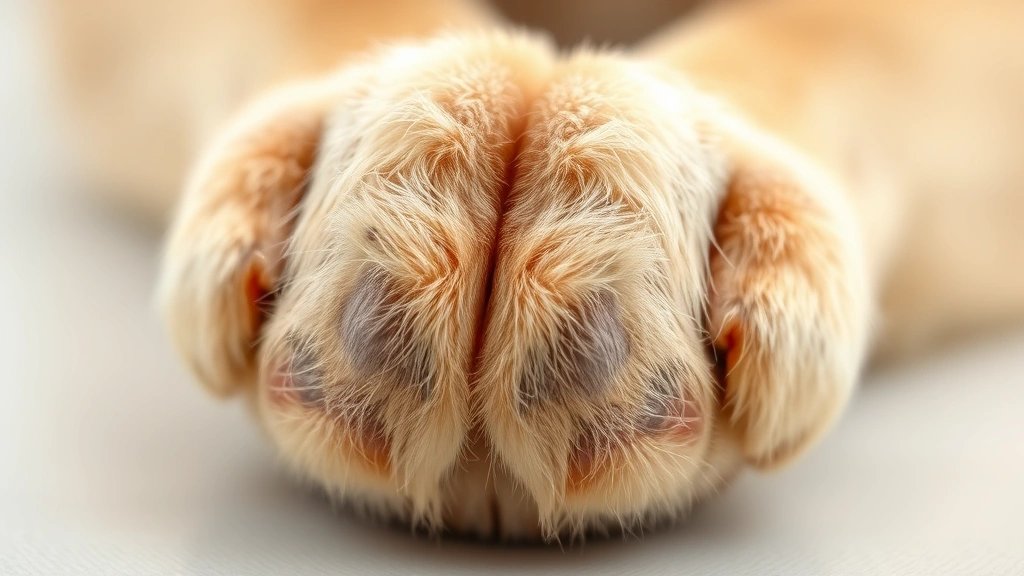
If your dog’s paws look like they’ve been through a cheese grater, or you’ve noticed crusty, thickened skin on their nose or footpads, you might be dealing with hyperkeratosis in dogs—a condition where your pup’s skin produces way too much keratin, the protein that keeps skin tough and protective. It sounds scary, but don’t panic; we’re about to walk you through everything you need to know about this pesky skin condition and how to actually fix it.
Table of Contents
- What Exactly Is Hyperkeratosis in Dogs?
- Why Does Your Dog’s Skin Turn Into a Crusty Mess?
- Solution #1: Optimize Your Dog’s Diet with Proper Nutrition
- Solution #2: Topical Treatments and Regular Paw Care
- Solution #3: Address Underlying Allergies and Infections
- Solution #4: Anti-Inflammatory Support and Supplements
- Solution #5: Professional Veterinary Treatment and Monitoring
- When to Worry: Red Flags You Can’t Ignore
- Prevention: Stop Hyperkeratosis Before It Starts
- Real-World Timeline: What to Expect
- Summary: Your Hyperkeratosis Action Plan
- Frequently Asked Questions
What Exactly Is Hyperkeratosis in Dogs?
Hyperkeratosis is basically your dog’s skin going into overdrive mode. Instead of producing a normal, healthy amount of keratin, their body says “let’s make MORE,” resulting in thick, crusty, sometimes painful buildup on their paws, nose, or other areas. Think of it like your dog’s skin decided to become a rhino’s hide without asking permission.
There are two main types: primary hyperkeratosis (which dogs are born with) and secondary hyperkeratosis (which develops later due to allergies, infections, or other underlying issues). The secondary type is way more common, and the good news is it’s usually manageable once you figure out what’s causing it.
Why Does Your Dog’s Skin Turn Into a Crusty Mess?
The causes of hyperkeratosis vary wildly. Some dogs inherit it genetically (thanks, breeding), while others develop it because of allergies, nutritional deficiencies, infections, or autoimmune conditions. Seborrheic breeds like Cocker Spaniels and Basset Hounds seem to get it more often, but honestly, any dog can develop this condition.
Environmental factors matter too. Dry climates, poor nutrition, and lack of omega fatty acids can all contribute to your dog developing crusty, thickened skin. If your pup is constantly licking or chewing at their paws, that’s a red flag that something’s off.
Solution #1: Optimize Your Dog’s Diet with Proper Nutrition
Here’s the truth: you can’t fix hyperkeratosis with treats alone, but nutrition is absolutely foundational. Your dog’s skin needs quality protein, healthy fats, and essential vitamins to function properly. Check out our Pet Nutrition Advice guide to understand what your dog actually needs.
Omega-3 and omega-6 fatty acids are absolute game-changers for skin health. These aren’t just buzzwords—they genuinely reduce inflammation and support healthy skin barrier function. Fish oil supplements, salmon, and flaxseed are your friends here. Many dogs with hyperkeratosis see dramatic improvement just by adding quality omega supplements to their diet.
Your vet might also recommend foods with higher bioavailable proteins and specific vitamins like vitamin A and E, which support skin cell turnover. If your dog has underlying allergies causing the hyperkeratosis, eliminating trigger foods is critical. Our Immune-Boosting Foods for Pets resource can help you identify nutrient-dense options that support your dog’s immune system and skin health.
Solution #2: Topical Treatments and Regular Paw Care
While diet fixes things from the inside, topical treatments handle the immediate problem. Keratolytic shampoos (yes, that’s a real thing) contain ingredients like salicylic acid or benzoyl peroxide that literally dissolve the excess keratin buildup. Bathing your dog with these shampoos 2-3 times weekly can dramatically reduce crusty paw pads.
Between baths, moisturizing balms and paw waxes help prevent the skin from drying out and cracking. Paw soaks in warm water with Epsom salt can also soften the buildup and reduce discomfort. Some owners swear by coconut oil or specialized paw creams—just make sure whatever you use won’t make your dog slip all over the hardwood floors.
Don’t forget about nail care either. Overgrown nails can trap moisture and bacteria under thickened skin, making everything worse. Regular trimming and keeping the paw area clean and dry is essential maintenance.
Solution #3: Address Underlying Allergies and Infections
Here’s where things get tricky: if your dog’s hyperkeratosis is secondary (caused by allergies or infections), you absolutely have to address the root cause. Secondary hyperkeratosis is your dog’s skin basically saying “hey, something’s wrong up here!”
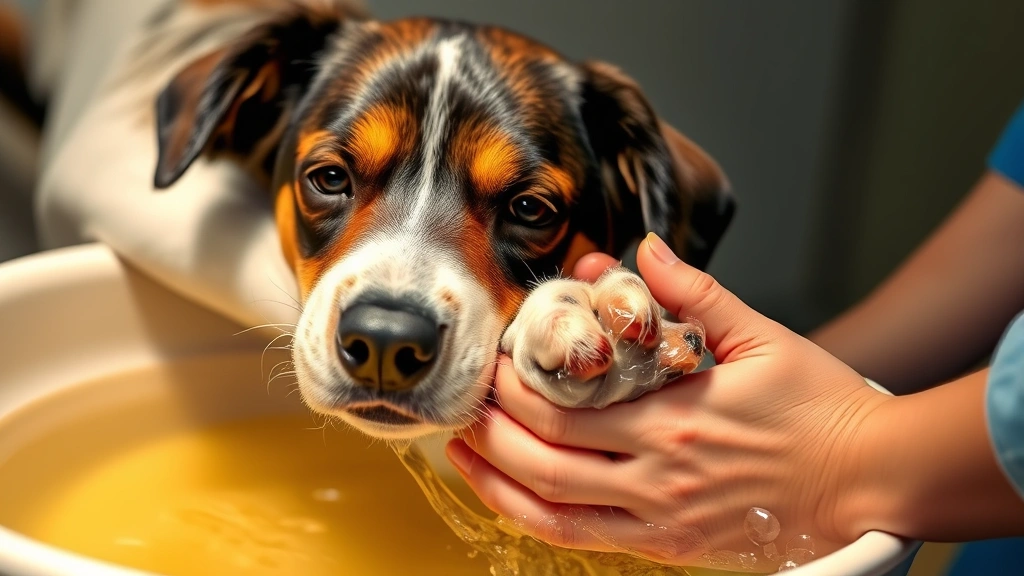
Food allergies, environmental allergies, and yeast infections are common culprits. If your dog is constantly scratching, has ear issues, or develops hyperkeratosis after environmental exposure changes, allergies are likely the villain. Your vet might recommend elimination diets, allergy testing, or medications to manage the underlying condition.
Bacterial or yeast infections can also trigger hyperkeratosis. If your dog’s skin smells funky or looks inflamed beneath the crusty buildup, infection is probably involved. Antifungal or antibacterial treatments prescribed by your vet become essential in these cases.
Solution #4: Anti-Inflammatory Support and Supplements
Inflammation is the underlying troublemaker in many hyperkeratosis cases. Beyond dietary changes, targeted supplements can provide serious relief. Quercetin, a natural anti-inflammatory compound, helps reduce allergic responses. Probiotics support gut health, which directly impacts skin health (yes, really—your dog’s gut microbiome affects their skin).
Our Anti-Inflammatory Foods for Pets guide breaks down specific foods and supplements that combat inflammation naturally. Turmeric (with black pepper for absorption), green-lipped mussel, and collagen supplements have all shown promise in reducing skin inflammation and supporting healthy skin cell production.
Vitamin E is another powerhouse—it’s an antioxidant that protects skin cells from damage. Many vets recommend 400-800 IU daily for dogs with chronic skin conditions. Just check with your vet before adding anything new, especially if your dog’s on other medications.
Solution #5: Professional Veterinary Treatment and Monitoring
Sometimes you need the pros. Your vet can prescribe medications like retinoids (which regulate skin cell turnover), antibiotics for infections, or immunosuppressants if autoimmune disease is involved. For severe cases, these prescription treatments are absolute lifesavers.
Regular vet check-ins are crucial because hyperkeratosis can hide other problems. What looks like simple crusty paws might actually be a sign of systemic disease, nutritional deficiency, or serious infection. Your vet can monitor progress, adjust treatment, and catch complications early.
If you’re unsure about your dog’s condition or treatment options, Virtual Vet Consultation for Diet Questions can connect you with professionals who can give personalized advice based on your dog’s specific situation.
When to Worry: Red Flags You Can’t Ignore
Most hyperkeratosis cases are manageable, but some situations demand immediate vet attention. If your dog is limping badly, has open sores or bleeding paws, shows signs of infection (swelling, pus, bad smell), or suddenly develops widespread crusty skin, call your vet immediately.
Also watch for signs that the hyperkeratosis is affecting your dog’s quality of life—constant licking, inability to walk normally, or behavioral changes from pain all warrant professional evaluation. Don’t try to tough it out at home if things are getting worse.
Prevention: Stop Hyperkeratosis Before It Starts
While you can’t always prevent hyperkeratosis (especially if it’s genetic), you can reduce your dog’s risk. Feed high-quality nutrition with adequate omega fatty acids, keep your dog’s paws clean and dry, maintain regular grooming, and address allergies promptly before they trigger skin problems.

Environmental control matters too. If your dog has dry skin, use a humidifier during winter months. If allergies are involved, minimize exposure to triggers when possible. Regular vet check-ups catch early signs before hyperkeratosis becomes severe.
Real-World Timeline: What to Expect
Here’s the honest truth: hyperkeratosis doesn’t disappear overnight. Most dogs show noticeable improvement within 4-6 weeks of consistent treatment, but complete resolution can take 2-3 months or longer, especially for severe cases. Some dogs manage it long-term with maintenance therapy rather than achieving complete cure.
The key is consistency. You can’t do keratolytic baths for two weeks, skip a month, and expect results. Treatment requires commitment, but the payoff—a comfortable, happy dog without crusty, painful paws—is absolutely worth it.
Summary: Your Hyperkeratosis Action Plan
Hyperkeratosis in dogs is manageable. Start by optimizing nutrition with quality proteins and omega fatty acids, use topical treatments to address the immediate crusty buildup, identify and treat underlying causes like allergies, add anti-inflammatory supplements, and work closely with your vet for professional guidance. Most dogs improve significantly with this multi-pronged approach.
Remember: your dog’s crusty paws are telling you something’s wrong. Listen to that message, take action, and your pup will be padding around comfortably again soon.
Frequently Asked Questions
Can hyperkeratosis in dogs be cured completely?
It depends on the cause. Primary (genetic) hyperkeratosis is usually managed rather than cured, requiring ongoing maintenance. Secondary hyperkeratosis caused by allergies or infections can often be resolved once you address the underlying issue. Many dogs achieve significant improvement or remission with proper treatment.
Is hyperkeratosis painful for dogs?
Yes, it can be. Thickened, cracked skin on paws is uncomfortable and can become painful, especially if it leads to bleeding or infection. Dogs with severe hyperkeratosis often limp or excessively lick their paws due to discomfort. This is why treatment is important.
What’s the best shampoo for hyperkeratosis?
Keratolytic shampoos containing salicylic acid, benzoyl peroxide, or coal tar are most effective. Brands like Malaseb, Sebamed, or Douxo are commonly recommended by vets. Always follow your vet’s recommendation because the best choice depends on your dog’s specific condition.
How much omega-3 should I give my dog with hyperkeratosis?
Dosing depends on your dog’s weight and the supplement’s concentration. Generally, 50-100 mg of combined EPA and DHA per pound of body weight daily is effective. Always consult your vet for specific dosing recommendations for your individual dog.
Can diet alone fix hyperkeratosis?
For some dogs, especially those with nutritional deficiencies, improving diet significantly helps. However, most hyperkeratosis cases require a multi-faceted approach combining nutrition, topical treatment, and addressing underlying causes. Diet is foundational but rarely the complete solution alone.





