
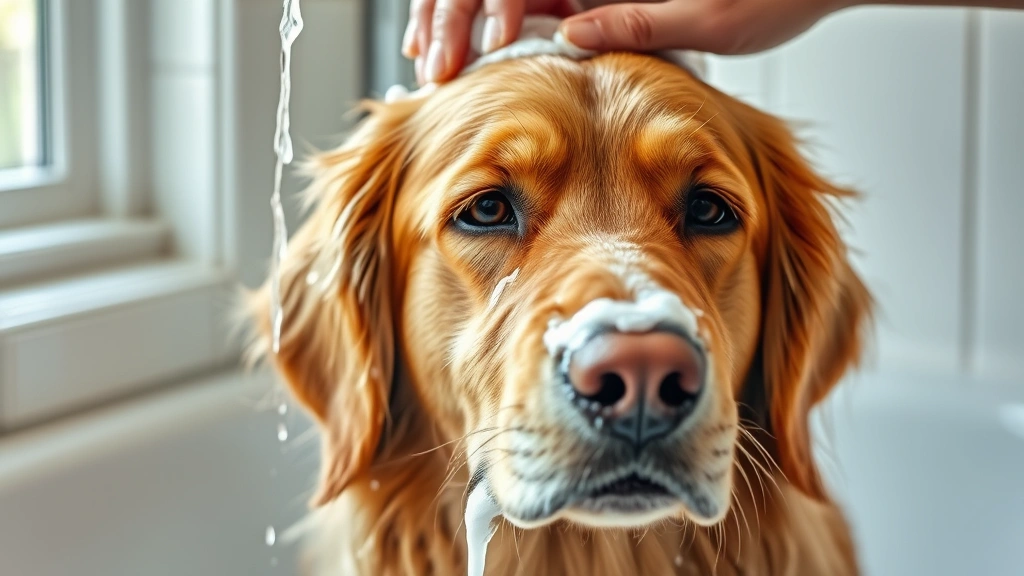
If your pup scratches more than a DJ at a turntable, hypoallergenic dog shampoo might be your new best friend. Sensitive skin in dogs is no joke—it can lead to infections, hair loss, and one very miserable furry companion. The good news? The right shampoo can transform your dog’s skin health faster than you can say “stop licking your paws.”
Table of Contents
- What Makes a Shampoo Hypoallergenic?
- Common Allergens in Regular Dog Shampoos
- 5 Best Hypoallergenic Dog Shampoos for Sensitive Skin
- Understanding Your Dog’s Specific Skin Issues
- Natural Ingredients to Look For
- Ingredients to Avoid in Hypoallergenic Formulas
- How Often Should You Bathe a Dog with Sensitive Skin?
- Pro Tips for Bathing Sensitive-Skin Dogs
- The Connection Between Diet and Skin Health
- Don’t Make the Cat Shampoo Mistake
- Transitioning to a New Hypoallergenic Shampoo
- Frequently Asked Questions
- Conclusion: Making the Right Choice for Your Pup
What Makes a Shampoo Hypoallergenic?
Not all shampoos labeled “hypoallergenic” are created equal. A truly hypoallergenic dog shampoo is formulated to minimize allergic reactions by excluding common irritants like artificial fragrances, dyes, and harsh chemicals. These products typically feature gentle, natural ingredients that cleanse without stripping your dog’s skin of essential oils.
The term “hypoallergenic” means the product is less likely to cause allergic reactions, though no shampoo is 100% allergen-free (because every dog is unique, just like us). Look for formulations that avoid sulfates, parabens, and synthetic perfumes—basically, the stuff that makes your dog’s skin angrier than a cat in a bathtub.
Common Allergens in Regular Dog Shampoos
Before we talk solutions, let’s discuss the villains. Standard dog shampoos often contain:
- Sodium Lauryl Sulfate (SLS): A harsh detergent that strips natural oils
- Artificial fragrances: Synthetic scents that trigger itching and irritation
- Dyes: Unnecessary colors that serve no purpose except looking pretty on the bottle
- Parabens: Preservatives linked to skin sensitivity
- Alcohol: Dries out skin faster than a desert wind
These ingredients are why your dog might have a crusty white dog situation or constant itching. Your pup’s skin barrier is already compromised; why make it worse with chemical warfare?
5 Best Hypoallergenic Dog Shampoos for Sensitive Skin
1. Earthbath Oatmeal & Aloe Hypoallergenic Dog Shampoo
This is the gentle giant of dog shampoos. Packed with colloidal oatmeal and aloe vera, it soothes irritated skin while cleansing. It’s sulfate-free, pH-balanced, and smells like a spa day (in a good way). Perfect for dogs with moderate sensitivity.
2. Burt’s Bees for Dogs Hypoallergenic Shampoo with Buttermilk
Buttermilk might sound like something you’d pour on pancakes, but it’s actually fantastic for sensitive skin. This formula is soap-free and made with natural ingredients. It’s tear-free too, so bath time won’t turn into a drama production.
3. Veterinary Formula Clinical Care Hypoallergenic Shampoo
Developed by vets (hence the name), this shampoo is designed specifically for dogs with allergies and sensitive skin. It’s fragrance-free and contains ceramides to restore the skin barrier. This is the heavy hitter for serious skin issues.
4. Vet’s Best Hypoallergenic Shampoo with Aloe
Another vet-approved option that combines aloe, oatmeal, and tea tree oil. It’s gentle enough for weekly use and won’t interfere with flea treatments. Great for dogs with mild to moderate sensitivity.
5. Zesty Paws Oatmeal Dog Shampoo
This budget-friendly option doesn’t skimp on quality. It features organic oatmeal, aloe, and coconut oil—basically a moisturizing vacation for your dog’s skin. No sulfates, no parabens, no drama.
Understanding Your Dog’s Specific Skin Issues
Not all sensitive skin is the same. Your dog might have allergies, dermatitis, yeast infections, or just plain dry skin. Before choosing a shampoo, identify the problem:
Itching & Scratching: Usually indicates allergies or irritation. Look for soothing ingredients like oatmeal and aloe.
Flaking & Dryness: Your dog needs moisture. Choose shampoos with coconut oil, honey, or ceramides.
Redness & Inflammation: This suggests active irritation. Hypoallergenic formulas with minimal ingredients work best.
Odor Issues: Could indicate yeast or bacterial overgrowth. Some hypoallergenic shampoos include tea tree oil to address this.
If your dog’s skin issues persist after switching shampoos, consult your vet. Sometimes the problem is dietary—check out our guide on food allergies in pets to see if nutrition is the culprit.
Natural Ingredients to Look For
When scanning ingredient lists, these are your skin-saving MVPs:
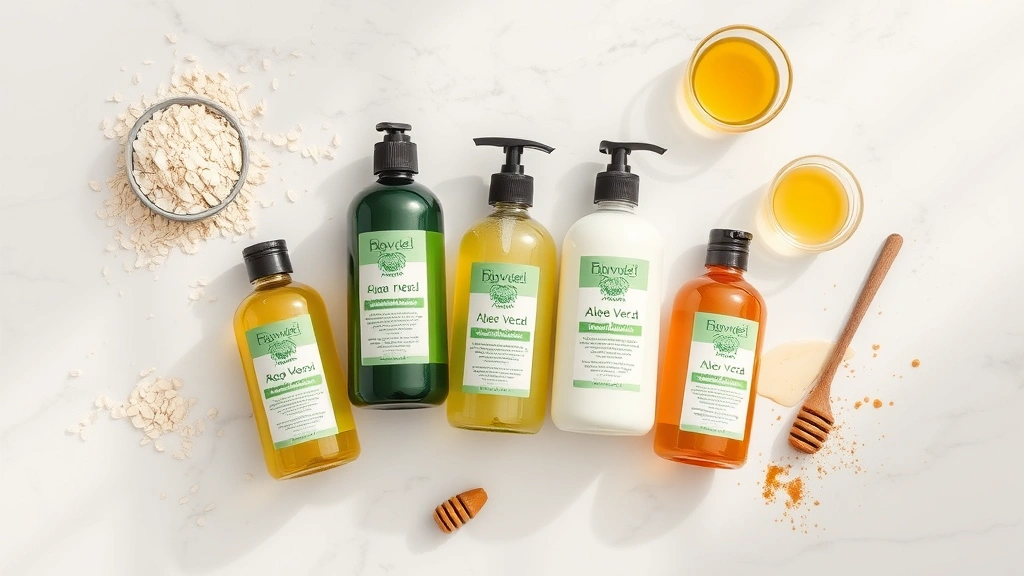
Oatmeal (Colloidal): The OG skin soother. Reduces itching and inflammation naturally.
Aloe Vera: Hydrates and heals. It’s like a cool compress in liquid form.
Coconut Oil: Natural antimicrobial and moisturizing. Plus, it smells amazing.
Honey: Antibacterial and soothing. Nature’s band-aid for irritated skin.
Ceramides: Help rebuild the skin barrier. Think of them as skin glue.
Tea Tree Oil: Antifungal properties, but use cautiously (some dogs are sensitive to it).
Ingredients to Avoid in Hypoallergenic Formulas
If a shampoo contains these, keep walking:
- Sodium Lauryl Sulfate or Sodium Laureth Sulfate
- Artificial dyes or colorants
- Synthetic fragrances (look for “fragrance” on the label)
- Parabens (methylparaben, propylparaben, etc.)
- Formaldehyde releasers
- Heavy alcohols
- Phenol or phenolic compounds
How Often Should You Bathe a Dog with Sensitive Skin?
This is crucial: over-bathing damages the skin barrier. For dogs with sensitivity, aim for:
- Mild sensitivity: Every 2-3 weeks
- Moderate sensitivity: Every 3-4 weeks
- Severe sensitivity: Every 4-6 weeks (or as directed by your vet)
Between baths, use dry shampoo or waterless cleansers. And always use lukewarm water—hot water is the enemy of sensitive skin.
Pro Tips for Bathing Sensitive-Skin Dogs
Technique matters as much as product choice:
Wet thoroughly first: Use lukewarm water to open the coat gently. No scalding hot showers—your dog isn’t a lobster.
Dilute the shampoo: Mix it with water to reduce concentration. This is especially helpful for severe sensitivity.
Massage, don’t scrub: Use gentle circular motions. Aggressive scrubbing irritates the skin further.
Rinse completely: Leftover shampoo residue causes itching. Rinse until the water runs clear.
Pat dry gently: Avoid vigorous rubbing. A microfiber towel works great.
Consider supplements: Skin and coat health foods with omega-3s can support skin from the inside out.

The Connection Between Diet and Skin Health
Here’s the truth bomb: sometimes the best shampoo can’t fix a diet problem. If your dog has food allergies, no hypoallergenic shampoo will solve the underlying issue. Ingredients like chicken, beef, wheat, and corn cause reactions in some dogs.
Work with your vet to identify food triggers. In the meantime, avoid what not to feed your dog and focus on high-quality, limited-ingredient diets. A healthy gut often means healthier skin.
Don’t Make the Cat Shampoo Mistake
Here’s a common blunder: using cat shampoo on your dog (or vice versa). Dogs and cats have different skin pH levels, and using the wrong product can backfire spectacularly. If you’re curious about this topic, we’ve covered it in detail in our article about can you use cat shampoo for dogs—spoiler alert: you shouldn’t.
Transitioning to a New Hypoallergenic Shampoo
Don’t just switch cold turkey. Introduce the new shampoo gradually:
- Week 1: Mix 25% new shampoo with 75% old shampoo
- Week 2: Use 50/50 mixture
- Week 3: Use 75% new, 25% old
- Week 4: Full switch to new shampoo
This gradual approach gives your dog’s skin time to adjust and helps you spot any adverse reactions early.
Frequently Asked Questions
Is hypoallergenic dog shampoo really necessary?
If your dog has normal skin, a regular quality shampoo is fine. But if your pup scratches constantly, has red patches, or flakes, hypoallergenic formulas are worth the investment. They’re gentler and specifically designed to minimize irritation.
How long does it take to see results?
Give it 2-4 weeks. Skin takes time to heal. You might see immediate relief from itching, but full recovery of the skin barrier takes longer. If there’s no improvement after a month, consult your vet—your dog might need prescription treatment.
Can I use hypoallergenic shampoo on all dogs?
Absolutely. Even dogs with normal skin benefit from gentle, natural formulations. There’s no downside to using hypoallergenic shampoo on any dog—it’s just more necessary for sensitive-skin pups.
Are expensive brands better than budget options?
Not necessarily. Some budget hypoallergenic shampoos are excellent. Focus on the ingredient list, not the price tag. A $15 bottle with great ingredients beats a $50 bottle full of junk.
What if my dog is allergic to the hypoallergenic shampoo?
Some dogs react to specific ingredients (like tea tree oil or certain plant extracts). Try a different hypoallergenic formula with a different ingredient profile. If reactions persist, see your vet—your dog might need a prescription shampoo.
Can hypoallergenic shampoo treat infections?
No. If your dog has a yeast or bacterial infection, you need medicated shampoo prescribed by your vet. Hypoallergenic shampoos are preventative and maintenance tools, not treatments for active infections.
Is it okay to use human hypoallergenic shampoo on dogs?
Avoid it. Human skin is more acidic than dog skin. Human shampoos can disrupt your dog’s pH balance and cause irritation. Stick to formulas designed specifically for canines.
Conclusion: Making the Right Choice for Your Pup
Choosing the right hypoallergenic dog shampoo is one of the best investments you can make in your dog’s health and comfort. The constant scratching, the red patches, the restless nights—all of it can improve with the right product and bathing routine.
Start by identifying your dog’s specific skin issues, choose a quality hypoallergenic formula with natural ingredients, and introduce it gradually. Combine good shampoo habits with proper nutrition and regular vet checkups, and your dog’s skin will thank you. Remember, every dog is unique, so what works for your neighbor’s golden retriever might not work for yours. Be patient, observe carefully, and don’t hesitate to consult your vet if problems persist.
Your dog deserves to be comfortable in their own skin—literally. With the right hypoallergenic shampoo, you’re one step closer to a happier, healthier, less-scratchy pup.





