
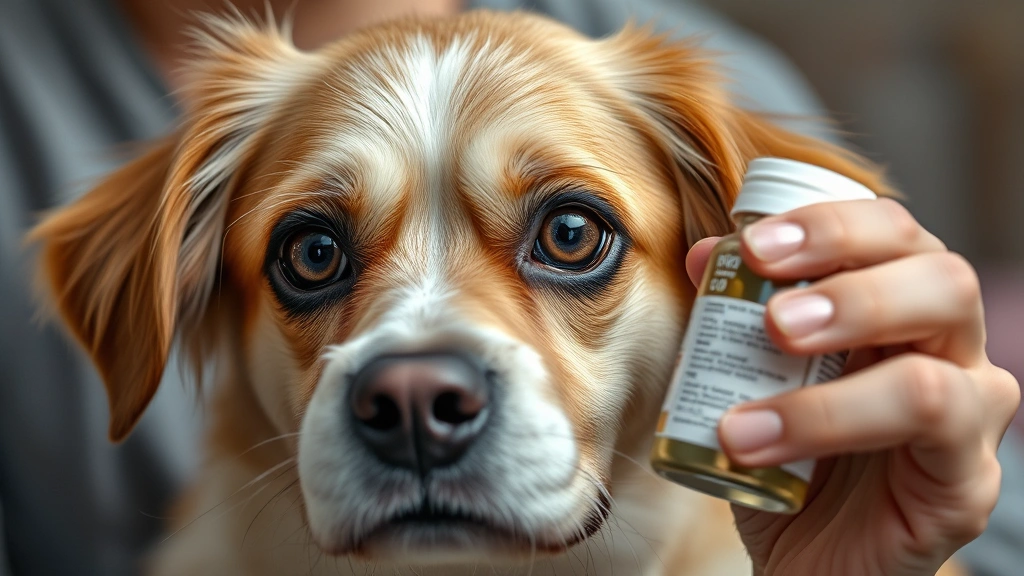
When your furry best friend has the runs, your first instinct might be to raid the medicine cabinet and grab that bottle of Imodium for dogs you’ve got stashed away. But hold your horses—or should we say, hold your pups? This anti-diarrheal medication isn’t quite the catch-all solution pet parents think it is, and using it wrong could actually make things worse. Let’s dive into what you really need to know before giving your dog any over-the-counter meds.
Table of Contents
- What Exactly Is Imodium and How Does It Work?
- When Imodium for Dogs Is Actually Appropriate
- The Dangerous Side: When NOT to Use Imodium
- Dosing Imodium for Dogs: The Numbers Game
- Side Effects and Complications to Watch For
- Breed-Specific Concerns with Loperamide
- The Better Alternatives to Consider First
- When You Need to Call Your Vet Immediately
- What Veterinarians Really Think About Imodium
- Creating a Diarrhea Action Plan with Your Vet
- The Bottom Line on Imodium for Dogs
- Frequently Asked Questions
What Exactly Is Imodium and How Does It Work?
Imodium’s active ingredient is loperamide, an opioid that sounds scarier than it actually is in this context. When your dog takes it, loperamide slows down gut motility—basically, it tells your dog’s intestines to chill out and move things along more slowly. This gives the intestinal lining time to absorb more water, which firms up those loose stools. It’s like hitting the pause button on your dog’s digestive system, which can be helpful in some situations but absolutely terrible in others.
When Imodium for Dogs Is Actually Appropriate
Not all diarrhea is created equal, and that’s where things get tricky. Your vet might recommend loperamide for simple, uncomplicated diarrhea—the kind that happens when your dog ate something slightly off or had a minor dietary indiscretion. If your pup got into the trash or scarfed down some table scraps and now has soft stools but is otherwise acting normal, this might be a situation where bland diet recipes for sick pets combined with cautious medication use could help.
Some dogs with chronic, non-infectious diarrhea might benefit from Imodium under veterinary supervision. We’re talking about dogs whose digestive systems are just perpetually fussy, not those dealing with acute illness. The key word here is “veterinary supervision”—your vet should be the one making this call, not you and your internet research at midnight.
The Dangerous Side: When NOT to Use Imodium
Here’s where things get serious. If your dog has infectious diarrhea—whether bacterial, viral, or parasitic—giving them Imodium can be genuinely dangerous. By slowing down intestinal movement, you’re basically trapping the infection inside your dog’s gut longer, allowing it to cause more damage and potentially leading to systemic infection. It’s like locking the bad guys in the house instead of showing them the door.
Dogs with inflammatory bowel disease, colitis, or other inflammatory conditions should absolutely avoid this medication. The same goes for puppies, senior dogs with compromised immune systems, and any dog showing signs of toxins or foreign body obstruction. If your dog has eaten something they shouldn’t have, Imodium could prevent their body from naturally expelling it, which is a medical emergency waiting to happen.
Dosing Imodium for Dogs: The Numbers Game
If your vet does recommend Imodium, the typical dosage is about 0.1 mg per pound of body weight, given every 6-8 hours. But—and this is a massive but—different formulations exist, and you absolutely cannot just eyeball this. A 50-pound dog needs a different amount than a 10-pound Chihuahua, and giving the wrong dose could lead to serious complications including constipation, toxic megacolon, or opioid toxicity.

This is exactly why you shouldn’t be playing pharmacist with your dog. Even if you’ve used Imodium for a previous dog, every situation is unique. When to call the vet about food issues applies equally to medication decisions—when in doubt, call your vet.
Side Effects and Complications to Watch For
Beyond the obvious risk of making an infection worse, Imodium can cause some genuinely unpleasant side effects. Constipation is the most common one—your dog goes from diarrhea to basically concrete in their colon, which creates its own set of problems. Some dogs experience drowsiness, dizziness, or loss of appetite. In rare cases, especially in certain breeds like Collies and Shelties, loperamide can cross the blood-brain barrier and cause neurological issues.
Toxic megacolon is the nightmare scenario—the colon becomes dangerously dilated and can rupture. This is a genuine emergency that can be fatal. It’s rare, but it happens, and it’s usually preventable by not using Imodium when you shouldn’t.

Breed-Specific Concerns with Loperamide
Some dog breeds carry a genetic mutation (MDR1 gene) that makes them hypersensitive to certain medications, including loperamide. Collies, Shelties, Australian Shepherds, and some other herding breeds are particularly at risk. If your dog is one of these breeds or a mix containing these breeds, Imodium is generally contraindicated without specific veterinary clearance and monitoring.
This is yet another reason why a one-size-fits-all approach to medication simply doesn’t work in veterinary medicine. Your vet needs to know your dog’s breed history and any genetic predispositions.
The Better Alternatives to Consider First
Before reaching for Imodium, there are several safer first-line treatments for mild diarrhea. A bland diet of boiled chicken and rice often works wonders. Probiotics specifically formulated for dogs can help restore healthy gut bacteria. Pumpkin puree (not pie filling) can help with both diarrhea and constipation, depending on how much you give. Some vets recommend supplements like slippery elm or bone broth to soothe the digestive tract.

Hydration is absolutely critical when your dog has diarrhea. Make sure they have constant access to fresh water, and consider offering bone broth or electrolyte solutions designed for dogs if they’re not drinking enough regular water. Dehydration can be more dangerous than the diarrhea itself, especially in small dogs or puppies.
When You Need to Call Your Vet Immediately
Don’t even think about using Imodium if your dog is showing any of these signs: blood or mucus in the stool, vomiting, fever, lethargy, loss of appetite, or abdominal pain. If your dog’s diarrhea lasts more than a couple of days, gets progressively worse, or is accompanied by other symptoms, your vet needs to see them. Virtual pet checkup services might be a quick way to get professional advice if you can’t get into your regular vet immediately.
Puppies with diarrhea should almost always be seen by a vet, as they’re more susceptible to dehydration and parasites. Senior dogs and those with pre-existing health conditions also warrant professional evaluation rather than home treatment.

What Veterinarians Really Think About Imodium
Most veterinarians are pretty cautious about recommending Imodium because the risks often outweigh the benefits. According to the American Association of Feed Control Officials and guidelines from veterinary pharmacology, loperamide should be used judiciously and only after ruling out infectious causes. Your vet would much rather see your dog on a bland diet with close monitoring than risk complications from inappropriate medication use.
The American Veterinary Medical Association and resources from PetMD both emphasize that diarrhea is often self-limiting and resolves on its own with supportive care. This is especially true for simple dietary indiscretions.
Creating a Diarrhea Action Plan with Your Vet
The best approach is to discuss diarrhea management with your vet before your dog actually gets sick. Ask them what they recommend for mild cases, at what point you should bring your dog in, and whether they’d ever consider Imodium appropriate for your specific dog given their age, breed, and health status. This way, when your dog inevitably eats something questionable (because that’s what dogs do), you already know your game plan.

Keep a record of your dog’s normal bowel habits so you can recognize when something’s actually wrong versus normal variation. Some dogs are just naturally loose-stooled, and that’s their baseline normal. Others are reliably solid, so even slightly soft stools might indicate a problem worth investigating.
The Bottom Line on Imodium for Dogs
Imodium for dogs can be helpful in specific situations under veterinary supervision, but it’s absolutely not a home remedy you should be reaching for without professional guidance. The risks—especially the possibility of trapping an infection or causing toxic megacolon—make it a medication that demands respect and expertise. Your dog’s diarrhea, while unpleasant, is usually temporary and manageable with simpler, safer interventions like dietary changes, hydration, and close monitoring.
When in doubt, contact your veterinarian. They can examine your dog, determine the underlying cause of the diarrhea, and recommend appropriate treatment. In many cases, time and a bland diet are all your pup needs to get back to normal. Save the Imodium for situations where your vet explicitly recommends it, and you’ll keep your dog safe while their digestive system sorts itself out.

Frequently Asked Questions
Can I give my dog Imodium without seeing a vet?
While Imodium is available over-the-counter, giving it to your dog without veterinary guidance is risky. Your vet needs to rule out infectious causes and assess whether your dog is actually a good candidate for this medication. Many diarrhea cases resolve better with supportive care alone.
How long does it take for Imodium to work in dogs?
If appropriate for your dog, Imodium typically begins working within 1-2 hours, with peak effects around 2-4 hours. However, effectiveness depends on the underlying cause of the diarrhea. If the diarrhea is caused by an infection, Imodium won’t address the root problem and could make things worse.
What’s the safest way to treat my dog’s diarrhea at home?
Start with a bland diet of boiled chicken and white rice, ensure constant access to fresh water, and monitor your dog closely. Consider adding a probiotic designed for dogs. If diarrhea persists beyond 2-3 days, worsens, or is accompanied by other symptoms, contact your vet. Convalescence foods from the kitchen can provide nutrition while your dog recovers.
Are certain dog breeds more at risk from Imodium?
Yes, breeds carrying the MDR1 gene mutation—including Collies, Shelties, Australian Shepherds, and some others—are more sensitive to loperamide and should avoid it unless specifically approved by their vet. Even mixed breeds with these breeds in their ancestry might be at risk.
When should I absolutely not use Imodium for my dog?
Never use Imodium if your dog has bloody stools, suspected infection, fever, vomiting, abdominal pain, or if they’ve eaten something they shouldn’t have. Also avoid it in puppies, senior dogs, and those with inflammatory bowel conditions unless explicitly directed by your vet.
What’s the difference between Imodium and other anti-diarrheal medications?
Imodium (loperamide) is an opioid that slows gut motility. Other options include bismuth subsalicylate (Pepto-Bismol), which reduces inflammation, or prescription medications your vet might recommend for specific conditions. Each has different risks and benefits for different situations.
Can I use the same Imodium dose I used for my previous dog?
Absolutely not. Dosing must be based on your dog’s current weight, age, and health status. Even if you’ve successfully used Imodium before, each dog and each situation is different. Always get fresh guidance from your vet, especially if your dog is older or has developed new health issues.





