
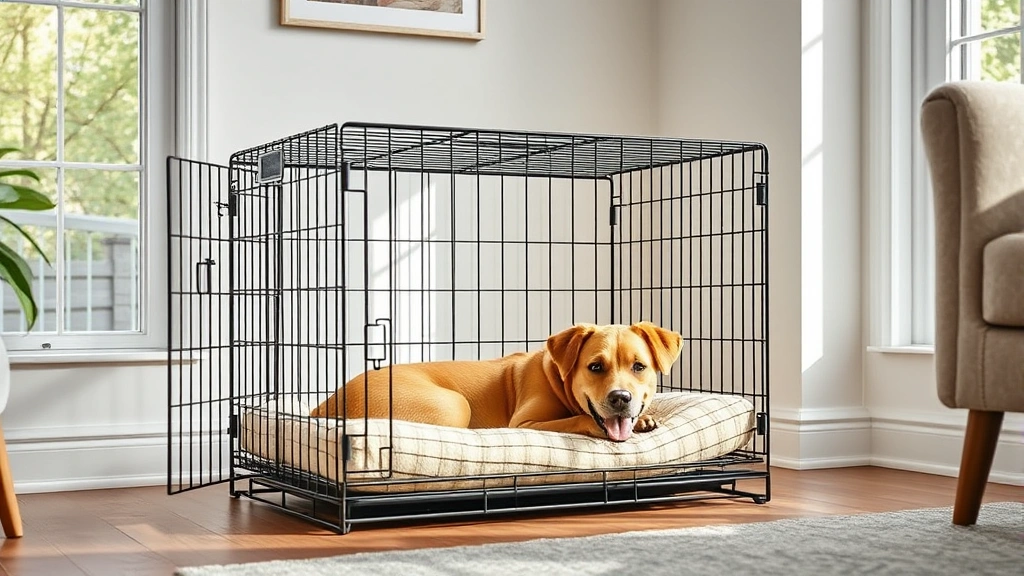
An indoor dog kennel is one of the smartest investments you can make for your furry best friend, whether you’re dealing with a rambunctious puppy, an anxious rescue, or just need a safe haven for your pup when life gets chaotic. Think of it as your dog’s personal fortress of solitude—a place where they can chill out, feel secure, and stay out of trouble while you’re tackling laundry, cooking dinner, or pretending to work from home.
Table of Contents
- Why Every Dog Owner Needs an Indoor Dog Kennel
- Types of Indoor Dog Kennels Explained
- Size Matters: Choosing the Right Dimensions
- The 5 Best Indoor Dog Kennels on the Market
- Training Your Dog to Love Their Indoor Kennel
- Indoor Kennels vs. Outdoor Kennels: What’s the Difference?
- Health and Safety Considerations
- Making the Kennel Comfortable and Inviting
- Maintenance and Cleaning Tips
- Budget-Friendly Options Without Sacrificing Quality
- Common Mistakes to Avoid
- Traveling with Your Indoor Dog Kennel
- Special Considerations for Puppies
- Frequently Asked Questions
- Conclusion: Investing in Your Dog’s Safety and Your Peace of Mind
Why Every Dog Owner Needs an Indoor Dog Kennel
Let’s be real: dogs need boundaries. Not in a mean way, but in a “I-know-where-my-dog-is-and-they’re-not-eating-my-couch” kind of way. An indoor dog kennel provides structure, security, and peace of mind. According to the American Kennel Club, properly introduced crate training can help with house training, reduce anxiety, and create a safe space for your dog during stressful situations like thunderstorms or vet visits.
The beauty of an indoor dog kennel is that it transforms a potentially chaotic situation into something manageable. Your dog gets their own territory, and you get the freedom to shower without wondering if your Golden Retriever is redecorating your bedroom with shredded pillows.
Types of Indoor Dog Kennels Explained
Not all indoor dog kennels are created equal, and choosing the right type depends on your dog’s size, temperament, and your living situation. Wire crates are the most popular—they’re durable, easy to clean, and offer excellent ventilation. Plastic crates (also called airline kennels) are great for travel and provide a more den-like atmosphere that some dogs find comforting. Soft-sided kennels are lightweight and portable but might not survive a determined chewer. Fabric pens and playpens offer more space for larger breeds or multiple dogs.
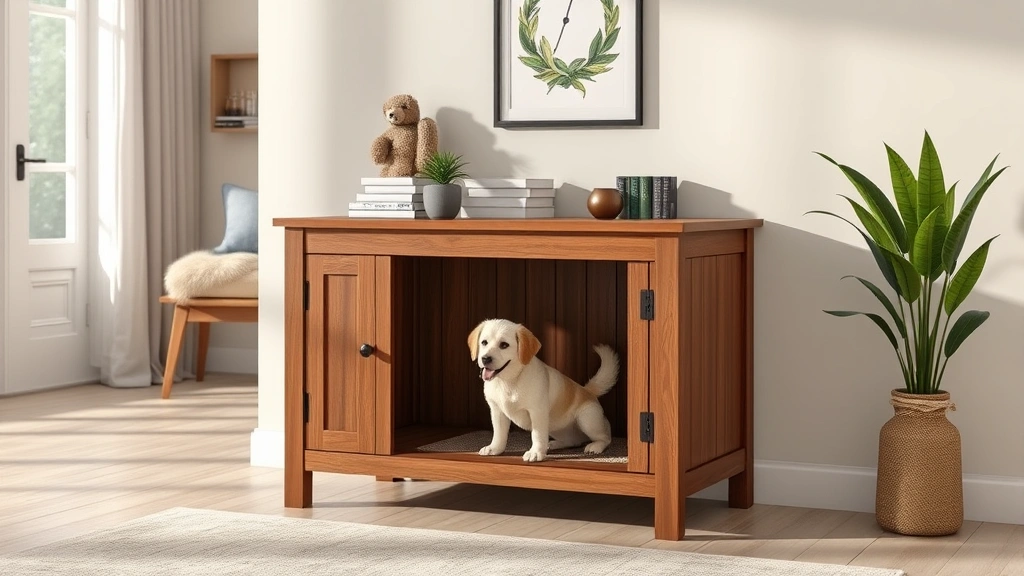
Then there’s the fancy stuff: wooden kennels that look like furniture, decorative crates with cushions, and even those Instagram-worthy designs that match your home décor. Because apparently, your dog’s kennel needs to be as stylish as your throw pillows.
Size Matters: Choosing the Right Dimensions
Your dog should be able to stand up, turn around, and lie down comfortably in their kennel. Too small, and it becomes a torture chamber. Too large, and your dog might use one corner as a bathroom and the other as a bedroom—defeating the purpose of house training. Measure your dog from nose to tail when lying down, then add a few inches for comfort. A general rule: the kennel should be about 1.5 times your dog’s length.
For a Chihuahua, you’re looking at something compact. For a Great Dane? You might need a kennel that doubles as a studio apartment. Check out our guide on Coonhound dogs to understand breed-specific space requirements if you have a larger hunting breed.
The 5 Best Indoor Dog Kennels on the Market
After extensive research (and let’s be honest, scrolling through countless Amazon reviews at 2 AM), here are the top contenders:
1. Midwest Homes for Pets iCrate – This wire crate is the workhorse of the kennel world. It’s affordable, durable, and comes with a divider panel for growing puppies. The double-door design is clutch when you’re trying to wrangle a reluctant pup.
2. Diggs Revol – If you want your indoor dog kennel to look like modern furniture, this is it. It’s stylish, sturdy, and has a removable tray for easy cleaning. Your Instagram followers will be jealous.
3. Petmate Vari Kennel – The classic airline-approved plastic crate. Lightweight, easy to transport, and perfect for dogs who prefer a cozy, enclosed space. It’s been around forever because it just works.
4. ProSelect Architectura – A wooden kennel that genuinely looks like a piece of furniture. Great for living rooms where you don’t want your dog’s home screaming “CRATE.” Premium price tag, but premium appearance.
5. MidWest Puppy Playpen – Ideal for puppies or small dogs who need more space to move around. The panels are modular, so you can adjust the configuration. Plus, it’s portable enough to move between rooms.
Training Your Dog to Love Their Indoor Kennel
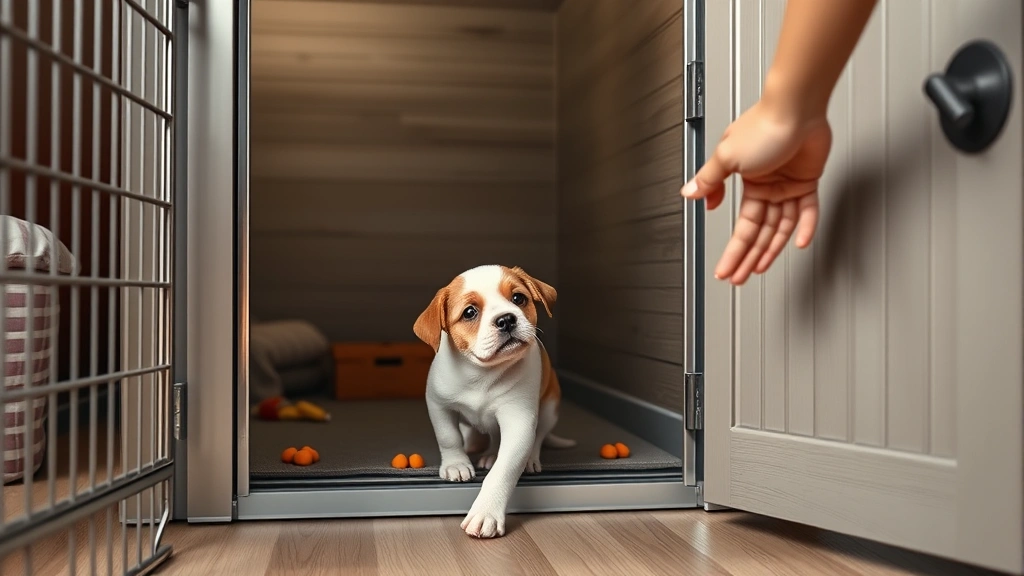
Here’s where most people mess up: they throw their dog in the kennel and expect instant acceptance. Wrong. Introduce the kennel slowly, making it a positive experience. Leave the door open initially. Toss treats inside. Feed meals in there. Make it the best place on Earth—better than the couch, better than your bed, definitely better than the trash can.
Never use the kennel as punishment. If your dog associates it with timeout, they’ll hate it. Use it as a safe space, a reward zone, and a place of comfort. According to PetMD, gradual introduction with positive reinforcement is key to successful crate training. Start with short periods and gradually increase duration as your dog becomes comfortable.
Indoor Kennels vs. Outdoor Kennels: What’s the Difference?
Indoor kennels are designed for living spaces—they’re typically smaller, more aesthetically pleasing, and built for shorter-term containment. Outdoor kennels are larger, weatherproof, and meant for extended periods. Indoor kennels are perfect for apartment living, multi-pet households, or when you need your dog contained while you’re home. They’re not meant to replace exercise or outdoor time; they’re a management tool.
An outdoor kennel might work for a dog with a large backyard, but an indoor dog kennel is more versatile for modern pet ownership. Plus, your dog gets to stay close to the action and feel like part of the family.
Health and Safety Considerations
Ensure your indoor dog kennel has proper ventilation—your dog shouldn’t be sweating in there. The materials should be non-toxic and free of sharp edges. Check regularly for rust, splintering wood, or damaged plastic. If your dog has separation anxiety or panic issues, consult with your vet before using a kennel, as it might exacerbate stress.
According to research from Cornell University’s College of Veterinary Medicine, proper kennel training can reduce stress-related behaviors, but the kennel itself should never be used as a substitute for proper exercise, socialization, or veterinary care.
Making the Kennel Comfortable and Inviting
Add a comfortable bed or blanket. Some dogs love having a toy in there. A chew toy can keep them occupied. Avoid toys with small parts that could become choking hazards. Some owners use white noise machines or calming music to help anxious dogs relax. You could even try single ingredient natural treats as rewards for kennel time.
The goal is to make the indoor dog kennel feel like a five-star resort, not a prison cell. Your dog should want to go in there voluntarily because it’s awesome.
Maintenance and Cleaning Tips
Keep that kennel clean. Wash bedding weekly, wipe down surfaces regularly, and do a deep clean monthly. For wire crates, use a damp cloth and mild soap. Plastic crates can go in the dishwasher (check the manual first). A clean kennel prevents odors, reduces bacteria, and keeps your dog healthy. Plus, your house won’t smell like a kennel, which is a win for everyone.
Budget-Friendly Options Without Sacrificing Quality
You don’t need to spend $500 on an indoor dog kennel. Mid-range wire crates from reputable brands cost $80-150 and last for years. Plastic airline crates are often under $100. If you’re on a tight budget, check Facebook Marketplace or Craigslist for used kennels—just inspect them thoroughly for damage. Your dog doesn’t care if the kennel is brand new; they care that it’s safe and comfortable.
Common Mistakes to Avoid
Don’t buy a kennel that’s too large. Don’t use it as punishment. Don’t leave your dog kenneled for excessive periods (puppies shouldn’t be crated for more than their age in months plus one hour). Don’t force your dog into the kennel before they’re ready. Don’t ignore signs of anxiety or distress. And please, don’t use it as a substitute for actual dog parenting.
Traveling with Your Indoor Dog Kennel
One of the best things about an indoor dog kennel is portability. Your dog travels in their safe space, which reduces anxiety and keeps them secure during car rides. Just make sure the kennel is properly secured in your vehicle. For detailed guidance on keeping your pup safe during travel, check out our article on pet food safety during travel.
Special Considerations for Puppies
Puppies need smaller kennels initially, but they grow fast. Many kennels come with divider panels that let you adjust the space as your puppy grows. This prevents them from using one end as a potty and the other as a bed. Puppies also need more frequent potty breaks—never leave a young puppy kenneled for more than a few hours without a bathroom break. And remember: puppies are adorable chaos agents, so the kennel becomes your sanity saver.
Frequently Asked Questions
How long can I leave my dog in an indoor kennel?
Adult dogs can handle 4-8 hours comfortably, depending on their age and bladder control. Puppies need breaks every 2-3 hours. Senior dogs might need more frequent breaks. The rule of thumb: one hour per month of age for puppies, plus one additional hour for adult dogs.
Will my dog get claustrophobic in a kennel?
Not if introduced properly. Dogs naturally seek enclosed spaces for security. However, if your dog shows signs of severe anxiety or panic, consult your veterinarian. Some dogs genuinely have anxiety issues that require professional help beyond just kennel training.
Can I use an indoor dog kennel for multiple dogs?
Only if they’re small dogs or puppies. Otherwise, get separate kennels. Dogs need their own space, and sharing can lead to territorial issues or fights. It’s not worth the drama.
What’s the difference between a kennel and a crate?
Technically, they’re the same thing. “Crate” and “kennel” are used interchangeably for indoor dog housing. Some people use “kennel” for larger structures and “crate” for smaller ones, but there’s no official distinction.
Is crate training cruel?
When done properly, absolutely not. Dogs are den animals and naturally seek enclosed spaces. The kennel becomes a safe haven, not a punishment. Cruel is forcing your dog into a kennel without proper introduction or leaving them there for excessive periods. Humane is creating a positive space they actually want to be in.
How do I stop my dog from barking in the kennel?
Ignore the barking—don’t let them out while they’re making noise, or you’re teaching them that barking works. Wait for a moment of silence, then release them. Also, make sure they’re getting enough exercise and mental stimulation outside the kennel. A tired dog is a quiet dog.
Should I put food and water in the kennel?
Water is fine, but only put food in there during designated meal times. Leaving food in the kennel can lead to accidents or unwanted behaviors. Water should always be available unless you’re actively house training a puppy.
Conclusion: Investing in Your Dog’s Safety and Your Peace of Mind
An indoor dog kennel isn’t about restricting your dog—it’s about creating a safe, secure space where they can relax while you handle life. Whether you’re choosing a budget-friendly wire crate or a designer wooden kennel, the best option is the one that fits your dog’s size, your home’s aesthetics, and your lifestyle.
Start with proper introduction, maintain the space regularly, and never use it as punishment. Your dog will learn to love their kennel because it represents safety, comfort, and routine. And you’ll love it because you can finally take a shower without wondering what chaos awaits on the other side of the bathroom door.
The right indoor dog kennel is an investment in your dog’s well-being and your household’s harmony. Choose wisely, introduce patiently, and enjoy the peace of mind that comes with knowing your furry friend is safe, secure, and content in their own little space.





