

An inflatable dog collar is basically the spa day your pup deserves after surgery, an injury, or a skin condition that won’t quit. Instead of the dreaded cone of shame that makes your dog look like a rejected satellite dish, these puffy pillows give your furry friend actual dignity while keeping them from gnawing at their wounds like it’s their job. Let’s dive into why these cushioned companions are changing the game for pet recovery.
Table of Contents
- What Exactly Is an Inflatable Dog Collar?
- Why Your Dog Needs a Soft Recovery Collar
- Top Features to Look For in Recovery Collars
- Best Inflatable Dog Collar Options for Your Pup
- How to Properly Fit Your Dog’s Inflatable Collar
- Transitioning Your Dog to Wearing a Recovery Collar
- Caring for Your Dog During Recovery
- Comparing Inflatable Collars to Traditional E-Collars
- When an Inflatable Collar Might Not Be Enough
- Cost Considerations and Where to Buy
- Nutrition and Comfort During Recovery
- Emergency Situations and Safety Precautions
- Frequently Asked Questions
- Conclusion: Comfort Meets Recovery
What Exactly Is an Inflatable Dog Collar?
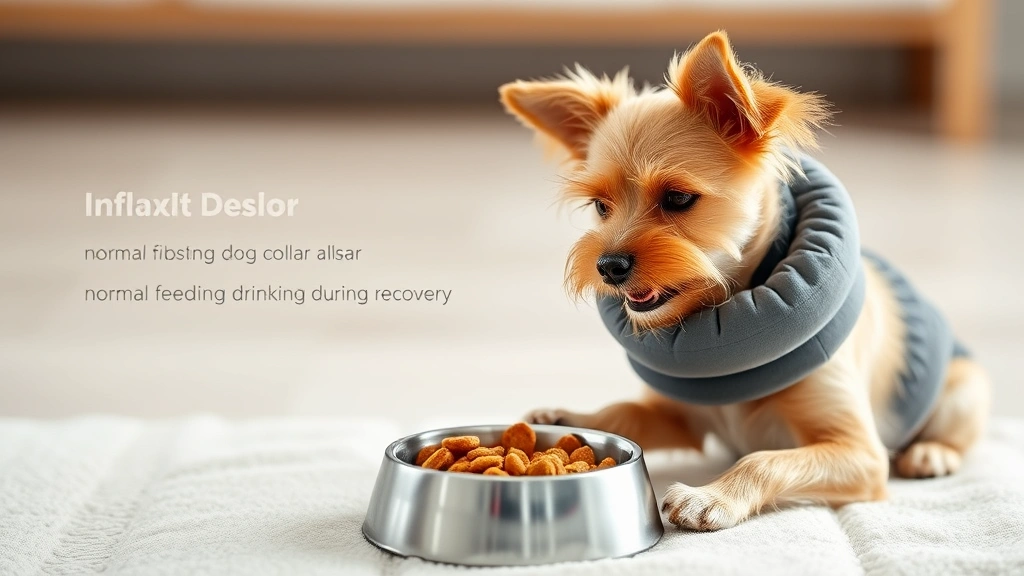
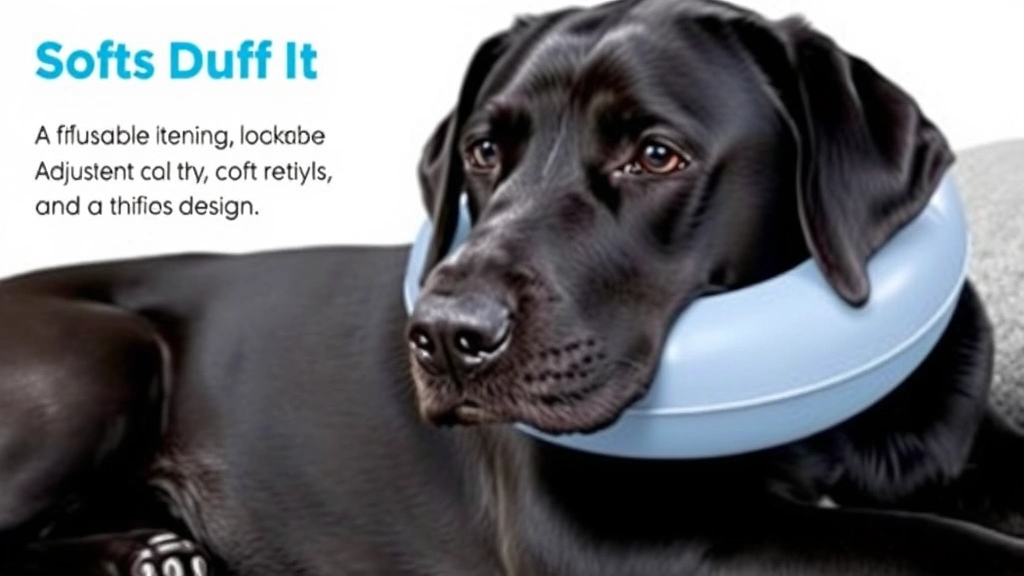
Think of an inflatable dog collar as the plushy alternative to the traditional Elizabethan collar (that plastic cone nightmare). It’s an inflatable ring that sits around your dog’s neck, creating a barrier between their face and any tempting wounds, stitches, or hot spots. The beauty? Your dog can actually move their head without feeling like they’re wearing a lampshade. They can eat, drink, and sleep without the dramatic head-bonking into furniture that makes those plastic cones so entertaining yet tragic.
The design typically features soft, medical-grade materials that won’t irritate your pup’s skin. Most inflate to a specific firmness that prevents access to the affected area while remaining comfortable enough for extended wear. It’s like the difference between sleeping on a rock and sleeping on a cloud—your dog will notice.
Why Your Dog Needs a Soft Recovery Collar
Recovery from surgery or injury is rough on dogs. They don’t understand why they can’t lick their wound, so they’ll try anyway, potentially causing infection or reopening stitches. A traditional cone restricts their vision and makes them feel claustrophobic. Enter the inflatable dog collar—it gives them freedom of movement while still protecting the healing area.
According to the American Kennel Club, proper wound protection during recovery is essential for preventing complications. These soft collars are particularly beneficial for anxious dogs or those with sensitive skin. They’re also way less likely to cause additional stress-related behavioral issues.
During the recovery period, your dog will appreciate being able to see their surroundings clearly and move naturally. This reduced stress can actually speed up healing and make the whole experience less traumatic for both you and your pup.
Top Features to Look For in Recovery Collars
Not all inflatable dog collar options are created equal. Here’s what separates the good ones from the duds:
Material Quality: Look for medical-grade, hypoallergenic materials. Your dog’s skin is sensitive, especially if they’re already dealing with a wound or skin condition. Cheap materials can cause additional irritation.
Adjustability: The collar should have multiple adjustment points so it fits snugly without cutting off circulation. Too loose and your dog will wiggle free; too tight and you’re creating new problems.
Durability: Your dog will test the limits. Make sure the seams are reinforced and the material can withstand some wear and tear.
Ease of Cleaning: Recovery collars get gross. Choose one that’s easy to wipe down or wash without compromising its integrity.
Best Inflatable Dog Collar Options for Your Pup
Here are five standout options that pet parents actually recommend:
1. Kong Cloud E-Collar: This inflatable option from Kong (a trusted name in pet products) offers exceptional comfort with a soft, cushioned design. It’s adjustable for dogs of various sizes and won’t obstruct their vision.
2. Comfy Cone Inflatable Collar: Specifically designed for sensitive pups, this collar features reinforced stitching and comes in multiple sizes. The soft material makes it suitable for extended wear.
3. Buster Inflatable Collar: A veterinarian-approved option that’s been around for years. It’s reliable, affordable, and comes with clear sizing instructions.
4. EDIPAL Soft Inflatable Recovery Collar: This newer option features extra padding and improved adjustability. Many pet parents praise its comfort and durability.
5. Petsafe Inflatable Collar: A budget-friendly choice that doesn’t sacrifice quality. It’s lightweight and easy for dogs to adjust to quickly.
How to Properly Fit Your Dog’s Inflatable Collar
Getting the fit right is crucial. A poorly fitted inflatable dog collar defeats the entire purpose. Here’s how to do it correctly:
Measure your dog’s neck circumference with a soft measuring tape. Most collars come with sizing charts—use them. When the collar is on, you should be able to fit one finger between the collar and your dog’s neck. This ensures it’s snug enough to prevent access to wounds but not so tight it restricts breathing or circulation.
Check the fit regularly during the first few days. As your dog moves around and the collar settles, you might need minor adjustments. Some dogs try to compress the collar by shaking their heads—monitor for this behavior and adjust as needed.
Transitioning Your Dog to Wearing a Recovery Collar
Dogs don’t naturally love wearing anything around their neck, so patience is key. Start by letting your pup wear the deflated collar for short periods while giving treats and praise. Gradually inflate it over several sessions. This helps them adjust psychologically before it’s actually protecting their wound.
Make the experience positive. Offer special treats they only get while wearing the collar. Take them for short, enjoyable walks. Keep initial wearing sessions brief—maybe 15-30 minutes—then gradually increase duration.
Most dogs adapt within 24-48 hours. If your pup continues struggling after a few days, consult your veterinarian about alternatives or techniques to ease the transition.
Caring for Your Dog During Recovery
An inflatable dog collar is just one part of the recovery puzzle. During this time, your dog needs proper nutrition to heal effectively. Check out our guide on convalescence foods from the kitchen for nutritious options that support healing.
Keep the wound area clean and dry as directed by your vet. Limit your dog’s activity level—no jumping or running around like a maniac, even if they feel better. Provide soft, comfortable bedding in a quiet area where they can rest undisturbed.
Monitor for signs of infection or complications. If you notice excessive swelling, discharge, or your dog seems to be in pain, contact your veterinarian immediately. According to PetMD, early intervention can prevent serious complications.
Comparing Inflatable Collars to Traditional E-Collars
The traditional plastic cone (Elizabethan collar) has been around forever, but it’s not without drawbacks. These rigid collars obstruct vision, make eating and drinking awkward, and can cause anxiety in sensitive dogs. They also take up way more space—your dog can’t fit through doorways as easily.
Inflatable collars offer superior comfort, better visibility, and easier mobility. Your dog can sleep more naturally and won’t feel quite as claustrophobic. The trade-off? They’re typically more expensive upfront, though they often last longer due to less stress-related damage.
Some vets now prefer soft recovery collars as a first-line defense for post-operative care, reserving traditional cones only for situations where maximum restriction is absolutely necessary.
When an Inflatable Collar Might Not Be Enough
Be honest about your dog’s behavior. If they’re a determined licker or if the wound is in a location they can still reach around the collar, you might need a traditional cone or combination approach. Some dogs are also surprisingly good at deflating these collars through sheer determination.
Discuss options with your vet. They can advise whether an inflatable collar will adequately protect your specific dog’s wound or if additional measures are needed. Sometimes combining a soft collar with a protective onesie or wrap provides optimal protection.
Cost Considerations and Where to Buy
Inflatable collars typically range from $15-$60 depending on brand, size, and quality. Compare this to traditional cones ($10-$30) and the choice becomes less about price and more about your dog’s comfort and your sanity during recovery.
You’ll find these collars at pet supply stores, online retailers, and directly from veterinary clinics. Many vets stock them and can provide sizing guidance. Some pet insurance plans may even cover a portion of recovery equipment costs—worth asking about.
Pro tip: Buy the size your vet recommends, not the size you think might work. Proper fit is non-negotiable for effectiveness.
Nutrition and Comfort During Recovery
Beyond the collar, proper nutrition accelerates healing. Your dog needs quality protein, healthy fats, and essential vitamins. If your pup is struggling with appetite during recovery, explore our soft treat recipes for senior pets—many of these work great for recovering dogs too.
Consult our pet nutrition advice for specific recommendations tailored to your dog’s recovery needs. Proper nutrition combined with appropriate wound protection creates the ideal healing environment.
Emergency Situations and Safety Precautions
While inflatable collars are generally safe, monitor your dog for signs of difficulty breathing or circulation issues. If your dog seems distressed, remove the collar immediately and contact your vet. Never leave your dog unsupervised for extended periods while wearing any type of collar.
Keep the number for Pet Poison Hotline handy in case your dog ingests anything concerning during their recovery period. Stressed or bored recovering dogs sometimes eat things they shouldn’t.
Check the collar daily for signs of wear, punctures, or leaks. A compromised collar won’t provide adequate protection. Replace as needed to maintain effectiveness.
Frequently Asked Questions
How long can my dog wear an inflatable collar?
Most dogs can wear an inflatable collar continuously during the recovery period, typically 7-14 days depending on the injury or surgery. However, give your dog brief breaks (under supervision) if they seem uncomfortable. Always follow your veterinarian’s specific recommendations for your dog’s situation.
Can my dog sleep with an inflatable collar on?
Yes, most dogs sleep fine with an inflatable collar. In fact, many sleep better with a soft collar than a rigid cone. Ensure they have a comfortable bed and monitor them initially to make sure they’re resting well. If they seem distressed, consult your vet.
Are inflatable collars waterproof?
Most are water-resistant but not fully waterproof. Avoid prolonged water exposure. If your dog needs a bath during recovery, consult your vet about the best approach—sometimes a protective wrap is better than removing the collar entirely.
What’s the difference between an inflatable collar and a soft cone?
Inflatable collars are filled with air and more cushioned, while soft cones are fabric-covered but still maintain a cone shape. Inflatable options typically offer better comfort and visibility. Choose based on your dog’s specific needs and your vet’s recommendation.
Can I use an inflatable collar for conditions other than post-surgery recovery?
Absolutely. Inflatable collars work great for allergies, hot spots, skin infections, or any condition where you need to prevent your dog from licking or biting at an area. They’re versatile tools in your pet care arsenal.
How do I know if the collar is the right size?
Follow the manufacturer’s sizing chart based on your dog’s neck circumference. When properly fitted, you should slide one finger between the collar and your dog’s neck. If unsure, ask your vet—they can measure and recommend the correct size.
Conclusion: Comfort Meets Recovery
An inflatable dog collar represents a significant improvement over traditional recovery methods. Your dog gets proper wound protection without sacrificing comfort, visibility, or mobility. During an already stressful recovery period, that matters tremendously.
Choose a quality collar that fits properly, introduce it gradually to your pup, and combine it with excellent nutrition and wound care. Most importantly, follow your veterinarian’s guidance throughout the recovery process. Every dog is different, and your vet knows your pup’s specific situation best.
Recovery doesn’t have to be miserable for you or your dog. With the right inflatable collar and proper care, you’ll both get through it with minimal drama and maximum healing. Your dog will thank you by getting back to their normal, ridiculous self as quickly as possible.





