
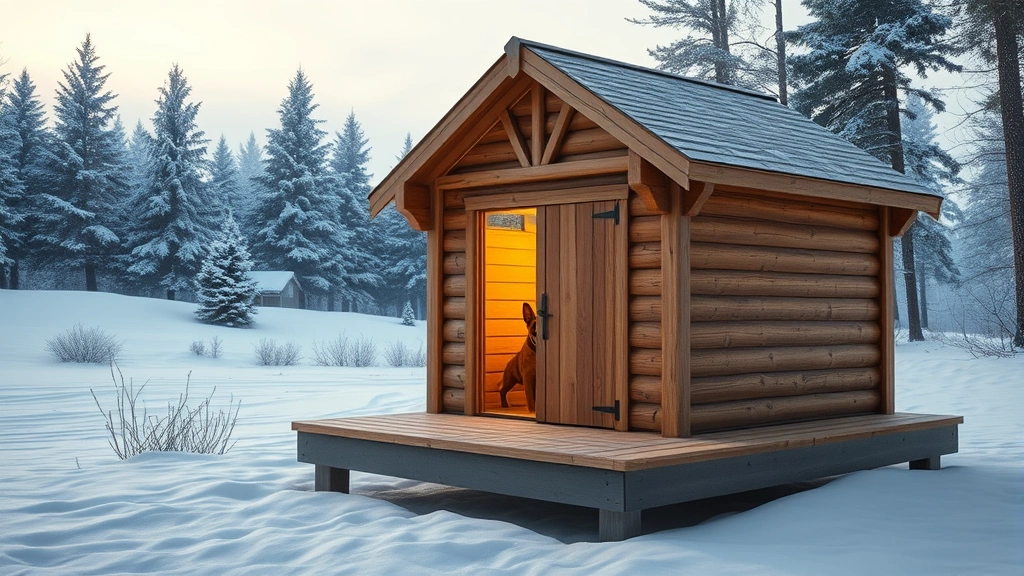
When winter rolls around and the temperature drops faster than your dog’s enthusiasm for a bath, an insulated dog house becomes less of a luxury and more of a necessity for outdoor pups. Your furry friend deserves a cozy retreat that keeps them warm, dry, and comfortable during those brutal cold months. Let’s dig into what makes a dog house truly insulated and which options are worth your hard-earned cash in 2024.
Table of Contents
- Why Your Dog Needs an Insulated Dog House This Winter
- Understanding Dog House Insulation Materials
- The Top 5 Insulated Dog Houses for Winter 2024
- Size Matters: Choosing the Right Dimensions
- Installation and Placement Tips
- Maintenance and Seasonal Care
- Additional Features Worth Considering
- Budget Considerations and Value
- Special Considerations for Different Breeds
- Frequently Asked Questions
- Final Thoughts: Keeping Your Pup Cozy
Why Your Dog Needs an Insulated Dog House This Winter
Look, I get it—your dog has a thick coat, so they must be fine outside, right? Wrong. Even the fluffiest pups can suffer from hypothermia, frostbite, and general misery when exposed to harsh winter conditions without proper shelter. An insulated dog house acts like a thermal barrier, trapping body heat and keeping the interior temperature significantly warmer than the outside air. According to the American Kennel Club, dogs should never be left outside for extended periods in freezing temperatures, and proper shelter is essential for their safety.
The best insulated outdoor dog houses use materials like foam insulation, double-wall construction, and reflective barriers to maintain warmth. Think of it as a tiny log cabin for your pup—except without the mortgage.
Understanding Dog House Insulation Materials
Not all insulation is created equal, and your outdoor dog house insulation game needs to be strong. Here’s what separates the mediocre from the magnificent:
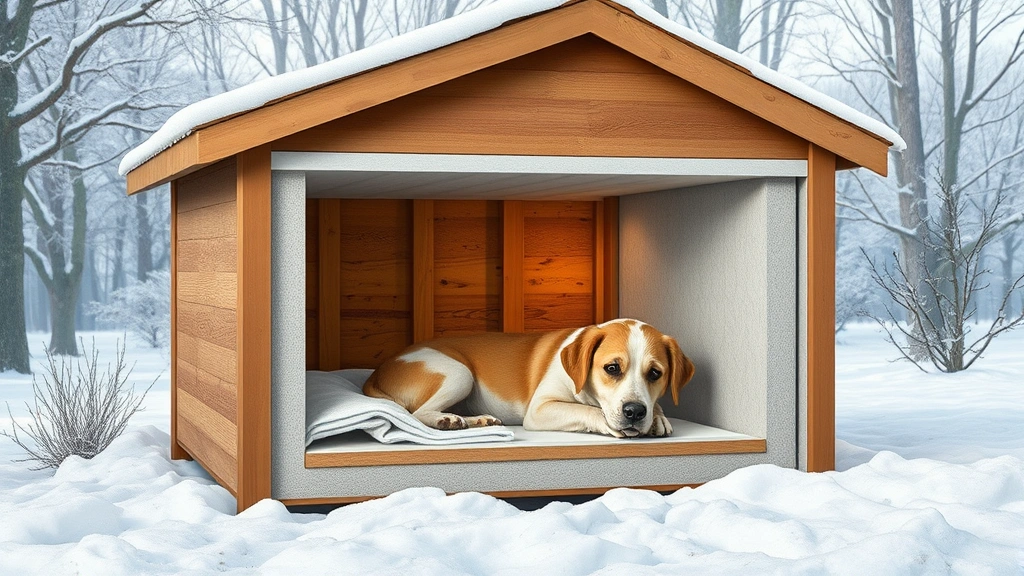
Foam Insulation: This is the heavyweight champion of dog house insulation. Closed-cell foam provides excellent R-value (that’s the resistance to heat flow, for those keeping score at home) and won’t absorb moisture like some cheaper alternatives.
Double-Wall Construction: Two walls with an air gap between them create a natural insulating layer. It’s like wearing two sweaters instead of one—effective and practical.
Weatherproof Materials: Cedar, treated wood, and composite materials resist rot and moisture, which is crucial because a damp house is a cold house. A heated dog house works best when it’s properly sealed and insulated.
The Top 5 Insulated Dog Houses for Winter 2024
Let’s talk about the actual products that’ll keep your pup toasty when Jack Frost comes knocking:
1. The Cozy Cabin Pro Deluxe
This beast features double-wall construction with foam insulation throughout. The hinged roof makes cleaning a breeze (because let’s be honest, you will need to clean it), and the elevated floor prevents moisture buildup. Perfect for medium to large breeds, and it won’t break the bank at around $299.
2. Arctic Shelter Supreme
Built like a tank with industrial-grade insulation, this outdoor dog house is designed for serious winter warriors. The sloped roof sheds snow and rain, and the weatherproof sealant keeps moisture out. Slightly pricier at $379, but your dog’s comfort is worth it.
3. Paws & Warmth Classic
Don’t let the “classic” name fool you—this insulated dog house packs modern features. The cedar construction naturally resists temperature fluctuations, and the thick foam insulation keeps interior temps stable. Great for small to medium dogs, around $249.
4. Thermal Guard Fortress
This one’s designed for extreme climates. The triple-seal weatherproofing and advanced insulation system make it ideal if you’re in a region where “cold” is an understatement. Expect to pay around $449, but it’s built to last.
5. Snug Pup Haven Standard
The budget-friendly option that doesn’t sacrifice quality. While not as heavily insulated as premium models, it still features adequate foam insulation and weatherproofing. Around $179, it’s perfect for dogs who don’t spend all day outside.
Size Matters: Choosing the Right Dimensions
Your dog house needs to be Goldilocks-approved—not too big, not too small, but juuust right. A house that’s too large wastes insulation efficiency because your pup’s body heat can’t warm the space effectively. Too small, and your furry friend feels cramped and uncomfortable.
The general rule: your dog should be able to stand up, turn around, and lie down comfortably. For a medium dog, aim for around 36″ x 36″ x 36″. Larger breeds might need 48″ x 36″ x 40″. Measure your dog from nose to rump, add a few inches, and you’ve got your length. Height should be about 6 inches taller than your dog’s standing height.
Installation and Placement Tips
Even the best insulated dog house won’t perform miracles if you install it like you’re playing darts blindfolded. Position your dog house on slightly elevated ground to prevent water pooling and mud accumulation. Face the entrance away from prevailing winds—check your local weather patterns to figure out which direction that is.
Add a flap door to the entrance (many premium models include this). It acts as an airlock, keeping cold air out while allowing your dog easy access. Some folks add straw or cedar shavings inside for extra insulation and comfort, though avoid hay as it can harbor mold.
Keep the house away from direct sun exposure in summer (yes, I know we’re talking winter, but you want year-round functionality) and ensure proper drainage around the perimeter. Your dog’s health depends on it.
Maintenance and Seasonal Care
An insulated dog house requires some TLC to keep performing at peak efficiency. During winter, check regularly for ice buildup around the entrance and clear it promptly. Inspect the roof for damage or gaps where cold air might sneak in.
Come spring, do a thorough cleaning with pet-safe disinfectant. Check the insulation for any signs of moisture damage or deterioration. If you notice soft spots or discoloration, it’s time for repairs. According to PetMD, proper shelter maintenance is crucial for preventing health issues in outdoor dogs.
Replace any damaged weatherproofing sealant, and consider applying a fresh coat of exterior stain every couple of years to extend the house’s lifespan. Think of it as preventative medicine for your dog’s home.
Additional Features Worth Considering
Modern insulated dog houses come with some pretty sweet add-ons. Heated dog house options incorporate safe heating pads or heating elements designed specifically for pet use. These can be game-changers in extreme climates, though they do require electricity.
Some models feature removable/washable bedding, ventilation systems to prevent condensation buildup, and even solar-powered heating options. Others include raised decks or porches for additional shelter. Look for models with hinged roofs for easy access when you need to check on your pup or perform maintenance.
Budget Considerations and Value
You don’t need to spend $500 to get adequate insulation, but you also shouldn’t cheap out with a $79 plastic doghouse. The sweet spot for quality insulated dog houses sits between $200-$400. This price range gets you genuine insulation, weatherproof materials, and construction that’ll last multiple winters.
Think of it as an investment in your dog’s health and safety. A quality insulated dog house might cost less than a few vet visits for cold-related illnesses. Plus, it’ll provide years of reliable shelter, making the per-season cost quite reasonable.
Special Considerations for Different Breeds
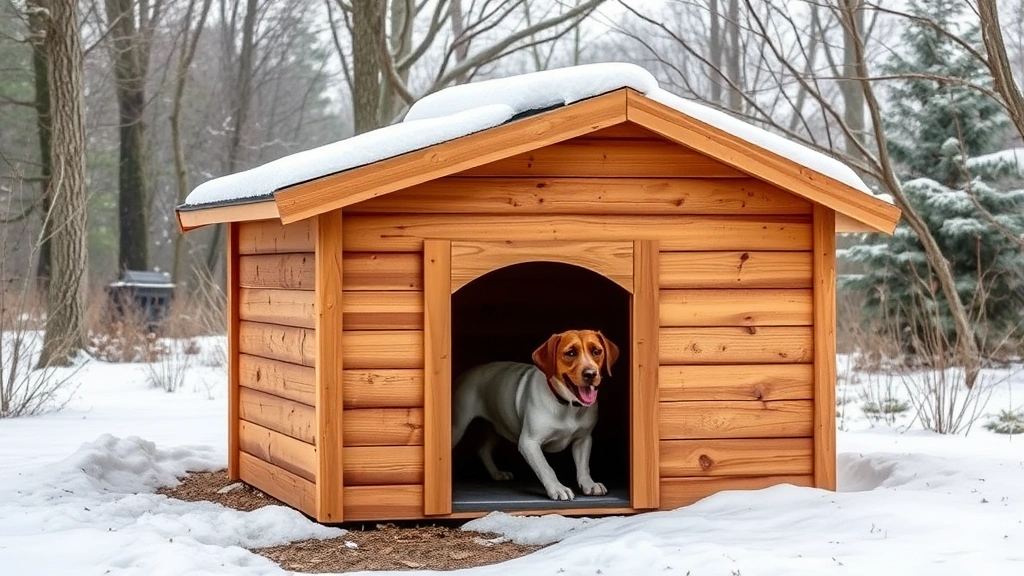
Your Husky’s insulation needs differ dramatically from your Chihuahua’s. Large, cold-weather breeds with thick coats can handle more exposure but still benefit from a quality insulated shelter. Small breeds and those with thin coats need more robust insulation and might require additional heating during extreme cold.
Short-haired breeds like Greyhounds or Boxers should have insulated dog houses with extra weatherproofing and possibly heating elements. Conversely, Nordic breeds like Malamutes and Saint Bernards thrive in well-insulated houses but might overheat if you add too much extra warmth.
Check breed-specific guidelines and consult your vet about your individual dog’s needs. What works for one pup might be overkill—or inadequate—for another.
Frequently Asked Questions
How much warmer does an insulated dog house keep compared to a regular one?
A properly insulated dog house can maintain interior temperatures 10-20°F warmer than the outside air, depending on insulation quality and your dog’s body heat. In extreme cold, this difference can literally mean the difference between comfort and danger.
Can I use an insulated dog house year-round?
Absolutely! A quality insulated dog house works year-round by trapping cool air in summer and warm air in winter. Just ensure adequate ventilation during warm months to prevent overheating.
Is a heated dog house better than an insulated one?
They’re complementary, not competing. Insulation is passive and always working. Heated options add active warming. For most situations, insulation alone suffices, but heated models help in extreme climates. Many pet owners use both for maximum comfort.
How often should I clean an insulated dog house?
Deep clean at least twice yearly (spring and fall), with spot-cleaning as needed. Check for moisture and mold monthly during winter. Your dog’s health depends on a clean, dry shelter.
What’s the best bedding for an insulated dog house?
Straw, cedar shavings, or orthopedic dog beds work well. Avoid hay (mold risk) and regular blankets (they absorb moisture and reduce insulation effectiveness). Cedar naturally repels insects and provides insulation.
Can I move an insulated dog house easily?
Most models are somewhat portable but heavy. Larger insulated houses can weigh 100+ pounds. Plan placement carefully before installation. Some have handles or wheels for easier relocation, though moving frequently can damage the structure.
Final Thoughts: Keeping Your Pup Cozy
Your dog depends on you to provide shelter from the elements, and an insulated dog house is one of the best investments you can make for their winter wellbeing. Whether you choose a budget-friendly option or go all-in with a premium heated model, the key is ensuring proper insulation, weatherproofing, and maintenance.
Don’t just assume your outdoor dog is fine in winter. Check on them regularly, monitor for signs of cold stress (shivering, reluctance to go outside, seeking warmth), and consider limiting outdoor time during extreme cold. For additional nutritional support during winter months, check out our guide on anti-inflammatory foods for pets, which can support your dog’s overall health and resilience.
An insulated dog house isn’t just about comfort—it’s about safety, health, and showing your furry friend that you’ve got their back when temperatures drop. Now get out there and find the perfect winter home for your pup!





