
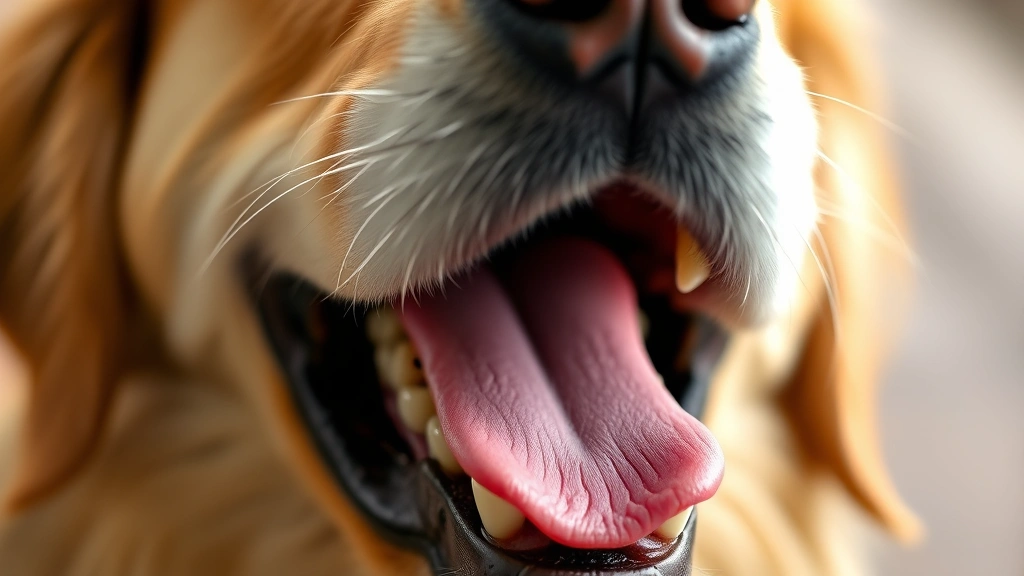
Is a dog’s mouth cleaner than a human’s mouth? This is one of the most persistent myths in pet ownership, right up there with “dogs see in black and white” and “a dog’s mouth is sterile.” Spoiler alert: the answer is a resounding no, and we’re about to break down exactly why your pup’s kisses might be more bacteria-laden than you think.
Table of Contents
- The Myth That Won’t Die: Dog Mouths Are Self-Cleaning
- What’s Actually Living in Your Dog’s Mouth
- Saliva: The Misunderstood Mouth Cleaner
- The Plaque and Tartar Problem in Canine Oral Health
- Diet and Dental Health: Why What Your Dog Eats Matters
- Pathogenic Bacteria: What Can Your Dog’s Mouth Actually Transmit?
- Professional Dental Care: What Dogs Actually Need
- Comparing Canine and Human Oral Microbiomes
- Why This Myth Persists (And Why It Matters)
- Proper Dental Care for Your Dog
- Conclusion: The Real Story About Dog Mouths
- Frequently Asked Questions
The Myth That Won’t Die: Dog Mouths Are Self-Cleaning
For decades, people have perpetuated the idea that a dog’s mouth is somehow cleaner than a human’s. This myth likely stems from the observation that dogs don’t brush their teeth, yet they seem to maintain decent oral health compared to wild animals. The reality? Dogs have evolved with different oral hygiene needs, but that doesn’t make their mouths cleaner. In fact, a dog’s mouth contains roughly the same amount of bacteria as a human mouth—sometimes even more, depending on diet and dental care habits.
The self-cleaning myth probably originated from the fact that dogs produce saliva that contains certain antimicrobial properties. While it’s true that canine saliva has some antibacterial compounds, this doesn’t make their mouths sterile or exceptionally clean. Human saliva has similar properties, and we still brush our teeth twice a day.
What’s Actually Living in Your Dog’s Mouth
Let’s talk bacteria. Both human and canine mouths are home to hundreds of different bacterial species. Studies have shown that dogs carry bacteria like Staphylococcus, Streptococcus, and E. coli—some of which can be pathogenic to humans. Your dog’s mouth also harbors food particles, plaque, and tartar buildup, especially if dental care is neglected. When you let your furry friend lick your face, you’re essentially exchanging microorganisms with a creature that may have just eaten something questionable from the yard. For more information on what’s safe for your dog to consume, check out our guide on what not to feed your dog.
The bacterial composition in a dog’s mouth can vary significantly based on their diet, age, and overall health. A dog eating processed kibble will have a different oral microbiome than one eating raw food. Neither is necessarily “cleaner”—just different.
Saliva: The Misunderstood Mouth Cleaner
Both humans and dogs produce saliva, and yes, it has antimicrobial properties. However, calling a dog’s mouth cleaner because of saliva is like saying your kitchen sink is clean because water flows through it. Saliva helps prevent some bacterial growth and aids in digestion, but it’s not a replacement for mechanical cleaning like brushing.
In fact, a dog’s saliva might actually be less effective at maintaining oral hygiene than human saliva in some ways. Dogs don’t have the same enzymatic complexity in their saliva that humans do. They also can’t brush their teeth or use mouthwash, so they’re relying entirely on saliva and the mechanical action of chewing to manage their oral health.
The Plaque and Tartar Problem in Canine Oral Health
One of the biggest differences between dog and human oral health is how quickly plaque and tartar accumulate. Dogs are notorious for developing tartar buildup, which leads to periodontal disease. By age three, most dogs have some degree of dental disease. This is why veterinarians recommend regular dental cleanings for dogs—something that wouldn’t be necessary if their mouths were actually cleaner than ours.
Plaque forms on teeth within hours of eating, and without brushing, it hardens into tartar. This tartar harbors bacteria and can lead to gum disease, tooth loss, and even systemic infections. The fact that dogs require professional dental care proves that their mouths aren’t self-maintaining in any meaningful way.
Diet and Dental Health: Why What Your Dog Eats Matters
A dog’s diet plays a crucial role in oral health. Dogs eating primarily soft, processed foods develop more plaque and tartar than those chewing on tougher foods. This is similar to humans—we wouldn’t expect our mouths to stay clean if we only ate soft foods and never brushed our teeth. For guidance on safe dietary choices, explore our resource on vet-approved human foods for pets.
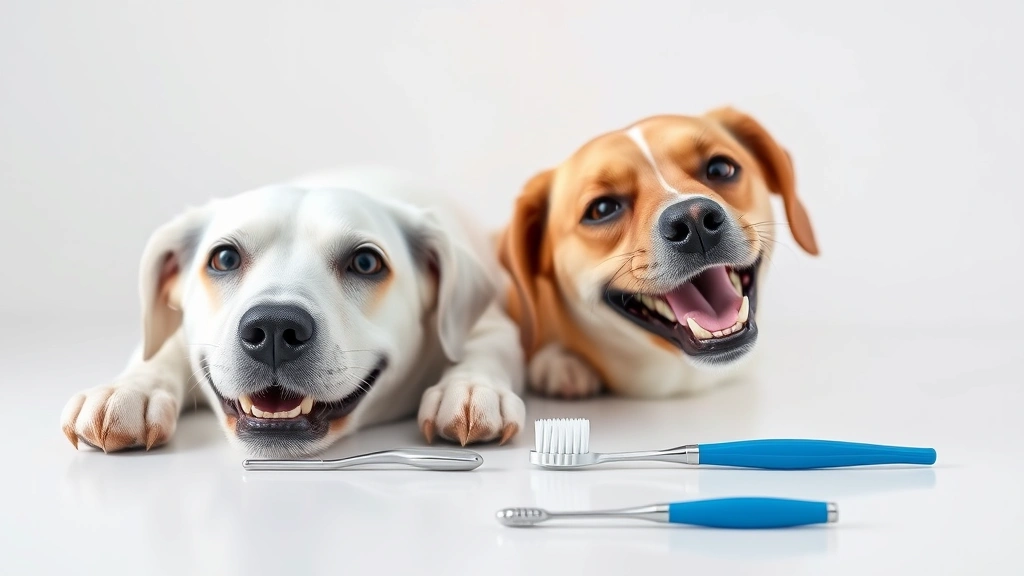
Some people believe that feeding dogs raw bones or certain “dental chews” keeps their mouths clean. While mechanical chewing can help reduce some plaque buildup, it’s not a substitute for proper dental care. Raw bones also come with their own risks, including choking hazards and potential bacterial contamination.
Pathogenic Bacteria: What Can Your Dog’s Mouth Actually Transmit?
Here’s where things get real. Your dog’s mouth can harbor bacteria that are pathogenic to humans. Pasteurella multocida, for example, is commonly found in dog saliva and can cause infections in humans, especially through bite wounds or scratches. Capnocytophaga is another bacterium found in dog mouths that can occasionally cause serious infections in immunocompromised individuals.
This doesn’t mean you should stop letting your dog give you kisses—most healthy humans have strong immune systems that can handle exposure to these bacteria. However, it does mean that the idea of a dog’s mouth being “cleaner” is medically inaccurate. If you’re concerned about exposure to harmful bacteria, check out our pet poison hotline resource for additional safety information.
Professional Dental Care: What Dogs Actually Need
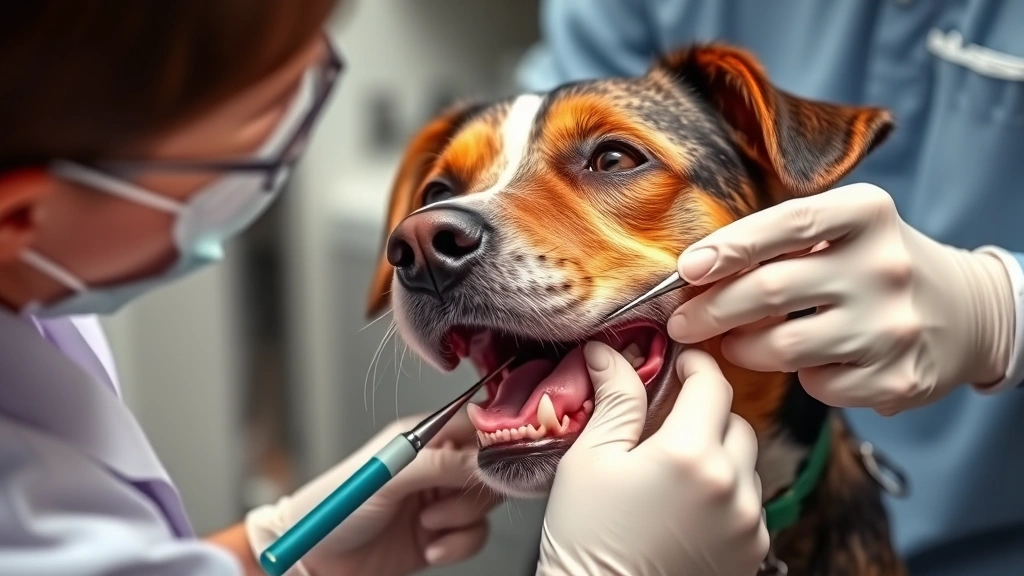
If dog mouths were truly cleaner than human mouths, dogs wouldn’t need professional dental cleanings. Yet veterinarians recommend annual or biannual dental cleanings for most dogs, especially as they age. These cleanings require anesthesia and are performed by trained professionals to remove tartar and check for underlying disease.
The American Veterinary Dental College (AVDC) recommends that dogs receive regular dental care to prevent periodontal disease, which affects up to 80% of dogs over the age of three. This statistic alone should dispel any notion that dog mouths are self-cleaning or inherently cleaner than human mouths.
Comparing Canine and Human Oral Microbiomes
Recent microbiome studies have shown that dog and human mouths are surprisingly similar in their bacterial composition, though the specific species and proportions differ. Both contain beneficial bacteria that aid in digestion and harmful bacteria that must be kept in check through hygiene practices.
The key difference isn’t that one is cleaner than the other—it’s that humans have developed sophisticated oral hygiene practices (brushing, flossing, mouthwash, professional cleanings) to manage their oral health, while dogs rely primarily on saliva and chewing. This is why humans generally have better dental health outcomes than dogs, not because our mouths are naturally cleaner.
Why This Myth Persists (And Why It Matters)
The myth that dog mouths are cleaner than human mouths persists because it’s a comforting narrative. Pet owners want to believe that their dog’s saliva has magical healing properties and that doggy kisses are harmless. In most cases, they are harmless—but not because the dog’s mouth is clean.
This myth also affects pet care decisions. Some dog owners skip dental care because they believe their dog’s mouth is naturally clean. This can lead to serious dental disease that causes pain, infection, and tooth loss. Understanding the truth about canine oral health helps pet owners make better decisions about their dog’s healthcare.
Proper Dental Care for Your Dog
So what should you actually do to keep your dog’s mouth healthy? Start with regular brushing. Yes, you can brush a dog’s teeth, and many veterinarians recommend doing so several times a week or daily if possible. Use a dog-specific toothpaste (human toothpaste can be toxic to dogs) and a soft-bristled brush.
Additionally, provide dental chews that are approved by the Veterinary Oral Health Council, maintain regular veterinary checkups, and schedule professional cleanings as recommended by your vet. Some dogs may also benefit from dental diets specifically formulated to reduce plaque and tartar buildup.
Conclusion: The Real Story About Dog Mouths
Is a dog’s mouth cleaner than a human’s? Absolutely not. While dog saliva has some antimicrobial properties, a dog’s mouth contains just as many bacteria as a human mouth—sometimes more. The myth of the “self-cleaning” dog mouth is just that: a myth. Dogs require proper dental care, including brushing and professional cleanings, to maintain oral health and prevent disease. The good news? You can still let your dog give you kisses without fear, as long as you understand that their mouth isn’t magically clean. Just remember to wash your hands afterward, and make sure your furry friend gets the dental care they need to stay healthy and happy.
Frequently Asked Questions
Is dog saliva actually antibacterial?
Dog saliva does contain some antimicrobial compounds, but it’s not sterile or significantly more antibacterial than human saliva. These compounds help prevent some bacterial growth, but they don’t make a dog’s mouth clean in any meaningful way. Regular dental care is still necessary for maintaining canine oral health.
Can I get sick from a dog licking my face?
Most healthy people won’t get sick from dog saliva exposure. However, dogs can carry bacteria like Pasteurella and Capnocytophaga that can cause infections, especially in immunocompromised individuals or through open wounds. Regular handwashing after dog contact is a good practice.
How often should I brush my dog’s teeth?
Ideally, you should brush your dog’s teeth daily or at least several times a week. Daily brushing is most effective at preventing plaque and tartar buildup. Even a few times per week is better than nothing and can significantly improve your dog’s oral health.
What are signs my dog has dental disease?
Common signs include bad breath, difficulty eating, drooling, swollen or bleeding gums, loose or missing teeth, and behavioral changes related to mouth pain. If you notice any of these signs, contact your veterinarian for an evaluation.
Are dental chews enough to keep my dog’s teeth clean?
Dental chews can help reduce some plaque buildup through mechanical action, but they’re not a substitute for brushing or professional cleanings. They should be part of a comprehensive dental care routine, not the only preventive measure.
How much does a professional dog teeth cleaning cost?
Professional dental cleanings typically cost between $200 and $800, depending on your location, the veterinary clinic, and your dog’s specific needs. Some dogs may require additional procedures like extractions, which increase the cost. Many vets offer dental plans or payment options to help manage these expenses.





