

So you’re sipping your morning almond milk latte, your pup gives you those irresistible puppy dog eyes, and you wonder: is almond milk safe for dogs? Before you share that creamy goodness, let’s talk straight about what vets actually say about this trendy beverage and your furry friend’s digestive system.
Table of Contents
- The Short Answer: Plain Almond Milk is Generally Safe (With Caveats)
- Why Dogs and Dairy Don’t Always Mix: The Lactose Intolerance Factor
- The Dangerous Additives: What Makes Commercial Almond Milk Risky
- Nutritional Value for Dogs: Does Almond Milk Actually Help?
- Signs Your Dog Had a Bad Reaction to Almond Milk
- Almond Milk vs. Other Milk Alternatives: The Comparison
- Safe Alternatives to Almond Milk for Your Pup
- Understanding Xylitol Toxicity: Why This Matters
- What About Homemade Almond Milk?
- Puppies vs. Adult Dogs: Age Matters
- The Bottom Line: Expert Recommendations
- Frequently Asked Questions
- Conclusion: Keep That Almond Milk in Your Cup, Not Your Dog’s Bowl
The Short Answer: Plain Almond Milk is Generally Safe (With Caveats)
Here’s the good news—plain, unsweetened almond milk won’t poison your dog. Unlike some human foods that belong nowhere near a dog’s mouth, plain almond milk sits in a gray zone: technically safe in small amounts, but not exactly recommended as a regular treat. Think of it like that friend who says “technically you *can* do that”—yes, but should you?
The real danger lurks in what manufacturers add to almond milk. Most commercial brands contain additives that can cause problems. We’ll get to those nasty culprits in a moment, but first, let’s understand why your dog’s body doesn’t naturally process milk like humans do.
Why Dogs and Dairy Don’t Always Mix: The Lactose Intolerance Factor
Most adult dogs are lactose intolerant. Shocking, right? Here’s the science: puppies produce lactase (the enzyme that breaks down lactose) when nursing, but most dogs lose this ability after weaning. It’s like your body deciding it no longer needs a skill you mastered as a kid.
When lactose hits your dog’s digestive system without proper enzymes to break it down, you get the trifecta of unpleasantness: gas, bloating, and diarrhea. Nobody wants to deal with that cleanup at 3 AM.
The good news about almond milk? It’s naturally low in lactose compared to cow’s milk, which is why it’s technically easier on your pup’s stomach. But “easier” doesn’t mean “ideal.”
The Dangerous Additives: What Makes Commercial Almond Milk Risky
This is where things get serious. Most store-bought almond milk contains ingredients that are genuinely problematic for dogs. Let’s break down the villains:
Xylitol: This artificial sweetener is literally toxic to dogs. Even small amounts can cause liver damage and dangerously low blood sugar. Some almond milk brands use xylitol as a sweetener, making them genuinely dangerous. Always check labels. If you see xylitol listed, keep that carton far away from Fido.
Added sugars: Dogs don’t need sugar, and regular consumption contributes to obesity, dental problems, and diabetes. Sweetened almond milk is basically liquid candy for your pup.
Thickeners and gums: Ingredients like carrageenan and guar gum can upset sensitive stomachs and cause digestive issues in some dogs.
Vanilla flavoring: Vanilla-flavored almond milk often contains vanilla extract, which has alcohol content. While the amount in milk is usually minimal, it’s another unnecessary risk factor.
Here’s the real talk: if you’re going to give your dog almond milk, it needs to be plain, unsweetened, and free of xylitol and other additives. That dramatically narrows your options at the grocery store.
Nutritional Value for Dogs: Does Almond Milk Actually Help?
Let’s be honest—dogs don’t need almond milk. They’re carnivores (okay, technically omnivores, but they thrive on meat-based diets). Almond milk offers minimal nutritional benefit for your pup. It contains some calcium and vitamin E, but your dog gets these nutrients far more effectively from their regular diet.
Dogs don’t require milk at all after puppyhood. Their complete nutrition should come from quality dog food formulated specifically for their needs. Almond milk isn’t harmful in this context, but it’s also not helpful. It’s basically a non-essential treat with limited upside.
If you’re looking for vet-approved human foods for pets, there are much better options that actually provide nutritional benefits.
Signs Your Dog Had a Bad Reaction to Almond Milk
If your dog somehow got into your almond milk stash, watch for these warning signs over the next 24-48 hours:
Digestive upset: Vomiting, diarrhea, or soft stools are the most common reactions. Your dog’s stomach is basically saying “thanks, but no thanks.”
Lethargy: If your normally bouncy pup becomes sluggish, that’s concerning, especially if the almond milk contained xylitol.
Loss of appetite: If your food-motivated dog suddenly ignores their meals, something’s off.

Excessive thirst: This can indicate blood sugar issues, particularly if xylitol was involved.
If you notice any of these symptoms after your dog consumes almond milk, contact your vet. If the almond milk contained xylitol, this is genuinely urgent—don’t wait. Check out when to call the vet about food for guidance on emergency situations.
Almond Milk vs. Other Milk Alternatives: The Comparison
Your dog’s digestive system doesn’t distinguish between almond, oat, coconut, or regular cow’s milk—they all present similar challenges. However, some alternatives are worse than others:
Oat milk: Generally better tolerated than almond milk, but still unnecessary for dogs.
Coconut milk: High in fat and can cause pancreatitis in susceptible dogs. Avoid this one.
Cow’s milk: The lactose content makes this problematic for most adult dogs, though some tolerate small amounts.
The pattern here? None of these are necessary or particularly beneficial. Your dog’s water bowl is their best beverage option.
Safe Alternatives to Almond Milk for Your Pup
If you want to give your dog a special treat or occasional snack, there are genuinely safe options that don’t involve dairy or plant-based milk alternatives:
Bone broth: Low-sodium, plain bone broth is loved by dogs and actually provides nutritional benefits. It’s hydrating and supports joint health.
Plain water: Revolutionary concept, I know. Water is always the right choice.
Dog-specific treats: There are thousands of treats formulated specifically for canine nutrition and safety.
Peanut butter (xylitol-free): Many dogs go crazy for this, and it’s actually safe when it doesn’t contain xylitol. Always verify the brand.
For more ideas, check out safe human snacks for pets to discover treats your vet actually approves of.
Understanding Xylitol Toxicity: Why This Matters
Let’s dive deeper into xylitol because this deserves serious attention. This artificial sweetener is increasingly common in “health-conscious” products, and it’s genuinely dangerous for dogs.
When dogs consume xylitol, it causes a rapid insulin release, leading to hypoglycemia (dangerously low blood sugar). Symptoms appear within 15-30 minutes and include vomiting, loss of coordination, seizures, and collapse. In higher doses, xylitol causes liver failure.
The terrifying part? You don’t need much. Even a few grams can cause serious problems in small dogs. This is why checking ingredient labels isn’t optional—it’s essential.
If your dog accidentally consumed xylitol-containing almond milk, contact your vet or pet poison hotline immediately. This isn’t a “wait and see” situation.
What About Homemade Almond Milk?
If you make almond milk at home (just blended almonds and water), it’s technically safer than commercial versions since you control the ingredients. However, this still doesn’t mean your dog should regularly consume it.
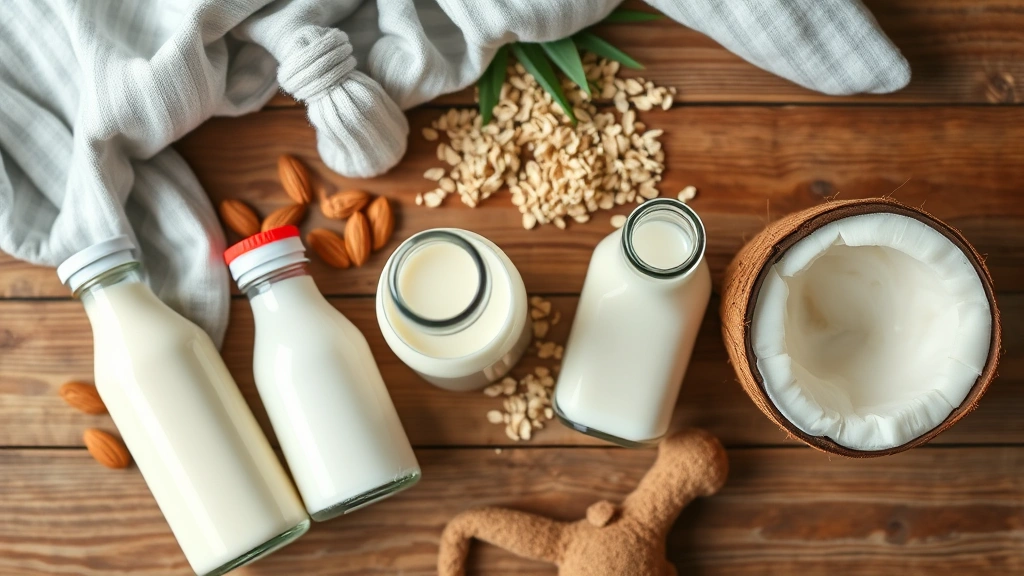
Homemade almond milk is essentially almond-flavored water with minimal nutritional value for dogs. The almonds themselves aren’t toxic, but they’re high in fat, which can cause pancreatitis in susceptible dogs. Plus, you’re still dealing with the lactose issue and the fact that your dog simply doesn’t need it.
If you give your dog a tiny amount of homemade almond milk as an occasional treat, monitor for digestive upset. But honestly? Save yourself the effort and stick with water.
Puppies vs. Adult Dogs: Age Matters
Young puppies nursing from their mother naturally consume milk, but once they’re weaned (around 4-6 weeks), their lactase production drops significantly. Giving almond milk to puppies presents the same risks as giving it to adult dogs, with potentially more severe consequences since puppies have more sensitive digestive systems.
If you’re raising a puppy, focus on high-quality puppy formula (if bottle-feeding) or appropriate puppy food. Skip the almond milk entirely. Their rapidly developing digestive system doesn’t need the confusion.
The Bottom Line: Expert Recommendations
Veterinarians consistently agree: almond milk isn’t recommended for dogs. It’s not toxic in plain, unsweetened form, but it offers no benefits and carries unnecessary risks. The potential for additives like xylitol makes commercial almond milk particularly concerning.
Your dog’s nutritional needs are best met through quality dog food formulated by veterinary nutritionists. Treats should be occasional, dog-appropriate, and selected with your vet’s input. Almond milk simply doesn’t fit into a healthy canine diet.
If you’re interested in learning more about what dogs should and shouldn’t eat, check out what not to feed your dog and nuts toxic to dogs for comprehensive guidance.
Frequently Asked Questions
Can dogs drink a small amount of almond milk?
A tiny amount of plain, unsweetened almond milk won’t cause harm in most dogs, but there’s no benefit to offering it. If your dog accidentally laps up a small amount, monitor for digestive upset but don’t panic. The real danger is xylitol-containing varieties—those require immediate veterinary attention.
Is almond milk better than regular milk for dogs?
Both are unnecessary, but plain almond milk is slightly better than cow’s milk due to lower lactose content. However, “slightly better” doesn’t mean “good.” Neither should be part of your dog’s regular diet. Water remains the superior choice.
What should I do if my dog drank almond milk with xylitol?
This is a genuine emergency. Contact your vet or poison control immediately. Don’t wait for symptoms to develop. Xylitol toxicity requires professional treatment, and time matters. Have the product label available so you can tell them exactly what your dog consumed.
Are almonds themselves toxic to dogs?
Plain almonds aren’t toxic, but they’re high in fat and can cause pancreatitis or digestive upset. They’re also a choking hazard for some dogs. While not as dangerous as macadamia nuts, almonds still aren’t recommended as dog treats.
Can I give my dog almond milk as a hydration source?
Absolutely not. Water is the only appropriate hydration source for dogs. Almond milk adds unnecessary calories and potential digestive upset without any hydration benefit. Stick with fresh, clean water available at all times.
What’s the difference between almond milk and almond flour for dogs?
Almond flour is ground almonds, making it even higher in fat and more likely to cause digestive issues than almond milk. Neither is recommended for dogs. The fat content in almond products is the real concern.
Conclusion: Keep That Almond Milk in Your Cup, Not Your Dog’s Bowl
So, is almond milk safe for dogs? Technically, plain, unsweetened almond milk without xylitol won’t cause acute poisoning. But “safe” and “recommended” are different things entirely. Almond milk offers zero nutritional benefit to your dog while introducing unnecessary risks through potential additives.
Your dog’s health is too important for “technically safe” choices. Stick with high-quality dog food, fresh water, and vet-approved treats. Your pup will thrive without ever tasting almond milk, and you’ll have the peace of mind knowing you’re making the best choices for their health.
When your dog gives you those irresistible puppy dog eyes while you’re enjoying your almond milk latte, offer them a bowl of fresh water instead. Your vet will thank you, and your dog will be just fine.





