
So you’ve heard all the buzz about argan oil of Morocco being good for dogs, and now you’re standing in your kitchen wondering if you should slather your pup in this fancy Moroccan elixir. Let’s cut through the hype and get real about whether this golden oil is actually worth the splurge for your furry friend.
Table of Contents
- What Exactly Is Argan Oil?
- The Benefits of Argan Oil for Dog Skin and Coat
- Safe Application Methods for Your Canine Companion
- The Ingestion Question: Can Dogs Eat Argan Oil?
- Potential Risks and Side Effects
- Argan Oil vs. Other Dog-Friendly Oils
- Quality Matters: Choosing the Right Argan Oil Product
- Breed-Specific Considerations
- Expert Opinions and Veterinary Perspectives
- How to Incorporate Argan Oil Into Your Dog’s Grooming Routine
- Frequently Asked Questions
- The Bottom Line: Is Argan Oil of Morocco Good for Dogs?
What Exactly Is Argan Oil?
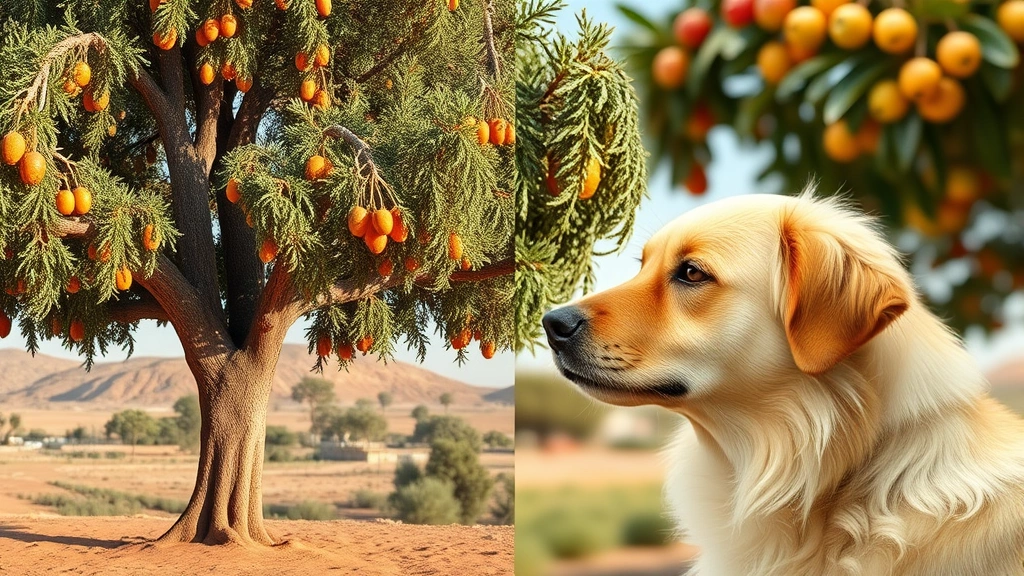
Argan oil comes from the kernels of the argan tree, which grows exclusively in Morocco (hence the name, obviously). It’s packed with vitamin E, antioxidants, and fatty acids that make it a darling of the skincare world. But here’s the thing: just because something works wonders on your face doesn’t automatically mean it’s safe for Fido. Dogs have different skin pH levels than humans, and their bodies process things differently. That’s why understanding argan oil’s properties specifically for canine health matters.
The Benefits of Argan Oil for Dog Skin and Coat
Now, let’s talk about the good stuff. Argan oil can actually be beneficial for dogs when used properly. The omega-3 and omega-6 fatty acids in argan oil help promote a shiny, healthy coat. If your dog has dry, flaky skin or a dull coat, argan oil might genuinely help. Many vets acknowledge that it can reduce itching and inflammation, making it useful for dogs with mild skin irritation or allergies.
The antioxidants in argan oil also support skin health by fighting free radicals. For senior dogs or those with sensitive skin, this can be a game-changer. Some pet owners report that their dogs’ coats look noticeably shinier and feel softer after regular argan oil treatments. Just remember, results vary depending on your dog’s individual skin type and underlying health conditions.
Safe Application Methods for Your Canine Companion
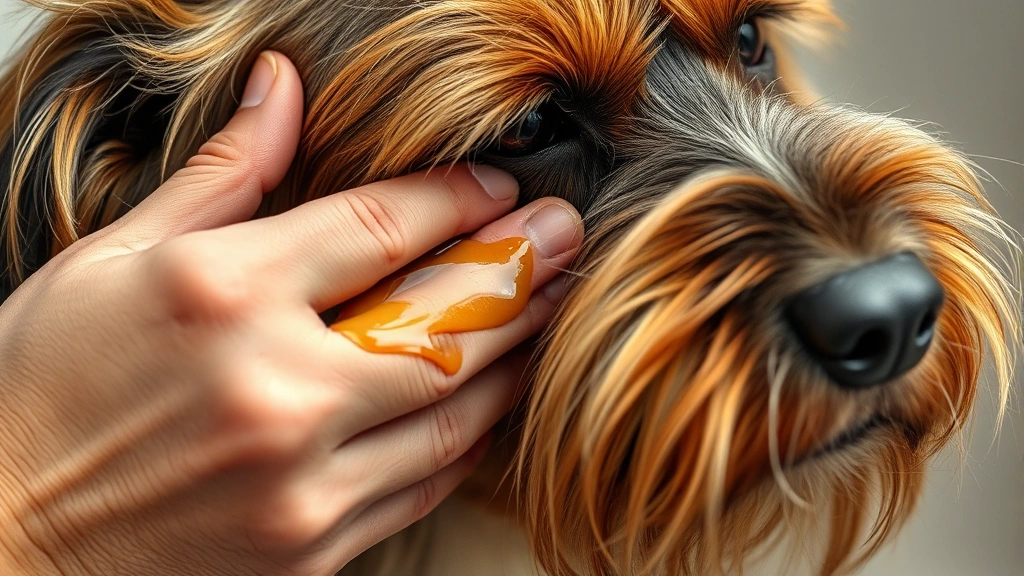
If you decide argan oil is right for your pup, application matters big time. Never pour it directly on your dog’s skin or coat and expect good results—that’s just messy and wasteful. Instead, apply a few drops to your hands and massage it gently into problem areas or work it through the coat during grooming. A little goes a long way, so don’t overdo it.
For dogs with sensitive skin, you might want to do a patch test first. Apply a tiny amount to a small, inconspicuous area and wait 24-48 hours to see if any irritation develops. If your dog has open wounds, infections, or severe skin conditions, skip the DIY treatment and consult your vet first. This is especially important if your pup is already on medications or has underlying health issues.
The Ingestion Question: Can Dogs Eat Argan Oil?
Here’s where things get tricky. While topical application is generally safe, ingesting argan oil is a different ball game. Some pet owners add tiny amounts of argan oil to their dog’s food thinking it’ll boost coat health from the inside out. While small quantities probably won’t hurt, it’s not necessary and could cause digestive upset in some dogs.
If your dog accidentally licks argan oil off their coat or you want to add it to their diet, keep amounts minimal—we’re talking a few drops at most. High-fat foods can trigger pancreatitis in susceptible dogs, so this is serious business. Always consult your vet before adding any supplements or oils to your dog’s diet. Check out our guide on safe human snacks for pets to understand what else might be okay for your pup.
Potential Risks and Side Effects
Not every dog will have a positive experience with argan oil. Some dogs develop allergic reactions, though this is relatively rare. Symptoms might include excessive itching, redness, hives, or swelling. If you notice any of these signs after applying argan oil, wash it off immediately and contact your vet.
Digestive issues are another concern if your dog ingests too much. Diarrhea, vomiting, or upset stomach can occur, particularly in dogs with sensitive digestive systems. Additionally, if your dog has certain skin conditions like yeast infections, argan oil might actually make things worse by creating a moisture-trapping barrier. This is why knowing when to call the vet about food and supplements is crucial.
Argan Oil vs. Other Dog-Friendly Oils
Argan oil isn’t your only option for improving your dog’s coat health. Coconut oil, fish oil, and olive oil are also popular choices among pet owners. Coconut oil has antimicrobial properties, fish oil is loaded with omega-3s for joint and coat health, and olive oil is gentle and nutritious. Each has its own benefits and drawbacks, so the best choice depends on your dog’s specific needs.
Fish oil, for instance, might be better if you’re looking for cognitive and joint support alongside coat improvement. Coconut oil works great for dogs with yeast sensitivities but can be too heavy for some coat types. Argan oil sits somewhere in the middle—effective but not necessarily superior to alternatives. The key is finding what works best for your individual dog and sticking with it.
Quality Matters: Choosing the Right Argan Oil Product
If you’re going to use argan oil on your dog, quality is non-negotiable. Look for pure, organic, cold-pressed argan oil with no additives, fragrances, or preservatives. Some commercial dog products contain argan oil mixed with other ingredients that might not be ideal for canine skin. Read labels carefully and avoid anything with essential oils, which can be toxic to dogs.
Price can be a good indicator of quality—super cheap argan oil is often diluted or processed with chemicals. However, expensive doesn’t always mean better. Stick with reputable brands that source their argan oil from Morocco and have transparent sourcing practices. If you’re unsure, ask your vet for recommendations. They might even carry quality products in their clinic.
Breed-Specific Considerations
Certain dog breeds benefit more from argan oil than others. Dogs with naturally dry coats, like German Shepherds or Huskies, often see great results. Breeds prone to skin issues, such as Bulldogs or Dachshunds, might find relief from inflammation and itching. However, dogs with oily coats or those prone to sebaceous gland problems might not need argan oil and could actually develop greasy coats.
Long-haired breeds generally respond well to argan oil because the oil distributes more evenly through their coat. Short-haired dogs might find it unnecessary unless they have specific skin concerns. Again, this is where knowing your dog’s individual needs and consulting with your vet makes all the difference. Our article on using human conditioner on dogs touches on similar breed-specific concerns.
Expert Opinions and Veterinary Perspectives
Most veterinarians agree that topical argan oil is safe for dogs when used appropriately. The American Kennel Club acknowledges that certain oils can benefit canine coat health, though they emphasize the importance of proper application and moderation. According to PetMD, while argan oil isn’t a cure-all, it can be a useful tool in a comprehensive grooming routine for dogs with dry or irritated skin.
The consensus among veterinary dermatologists is that argan oil works best as a supplement to proper nutrition and regular grooming, not as a replacement for either. If your dog has chronic skin issues, dietary problems, or allergies, addressing the underlying cause is more important than any topical oil. This is where understanding pet dietary restrictions becomes essential.
How to Incorporate Argan Oil Into Your Dog’s Grooming Routine
If you’ve decided argan oil is right for your pup, here’s how to make it part of their regular grooming routine. Use it once or twice a week, not daily, to avoid buildup. Apply it to damp coat after bathing for better distribution. Focus on areas that tend to be dryer, like the ears, tail, and elbows. Massage gently to help the oil penetrate and improve circulation.
You can also use argan oil as a leave-in conditioner by applying a tiny amount to your hands and smoothing it over your dog’s coat between baths. Just be mindful that your dog won’t track oil all over your furniture. Some owners prefer to apply it before bath time and let it sit for 15-30 minutes before washing. Experiment to find what works best for your dog and your lifestyle.
Frequently Asked Questions
Is argan oil toxic to dogs?
No, argan oil is not toxic to dogs when used topically in appropriate amounts. However, ingesting large quantities could cause digestive upset. Always use pure, unadulterated argan oil and apply it carefully to avoid excessive licking.
Can I use argan oil on a puppy?
Yes, but with caution. Puppies have more sensitive skin than adult dogs, so do a patch test first. Use less product and monitor for any adverse reactions. If your puppy has any skin conditions or sensitivities, consult your vet before applying argan oil.
How often should I apply argan oil to my dog?
Once or twice weekly is generally safe and effective. More frequent application isn’t necessarily better and could lead to buildup or greasiness. Start with once a week and adjust based on your dog’s response.
What’s the difference between argan oil for humans and dogs?
The oil itself is the same, but human products often contain additives, fragrances, or essential oils that aren’t safe for dogs. Always use pure, unscented argan oil designed for pets or at least check the ingredient list carefully.
Can argan oil help with my dog’s itching?
It can help reduce itching caused by dry skin or mild irritation, but it won’t solve itching caused by allergies, parasites, or infections. If your dog is constantly scratching, see your vet to identify the underlying cause.
Is argan oil better than fish oil for dogs?
Both have benefits. Fish oil is excellent for joint health and omega-3s, while argan oil is better for topical skin and coat care. Many vets recommend using both for comprehensive health support, but consult your veterinarian about what’s best for your dog.
The Bottom Line: Is Argan Oil of Morocco Good for Dogs?
So, is argan oil of Morocco good for dogs? The answer is yes—with caveats. When used topically in appropriate amounts, pure argan oil can genuinely benefit dogs with dry skin, dull coats, or mild skin irritation. It’s safe for most dogs and has a solid track record of improving coat quality and reducing inflammation.
However, it’s not a miracle cure and shouldn’t replace proper nutrition, regular grooming, or veterinary care. It works best as part of a comprehensive approach to your dog’s health and wellness. Before starting any new treatment, especially if your dog has existing health conditions, consult your veterinarian. They can assess your dog’s individual needs and recommend whether argan oil is appropriate.
If your dog has severe skin conditions, persistent itching, or dietary issues, check out our resource on pet poison hotline and don’t hesitate to reach out to your vet. Your pup’s health is worth the extra effort, and sometimes professional guidance is the best investment you can make. Start with small amounts, monitor your dog closely, and enjoy watching their coat transform into a shiny, healthy masterpiece.





