
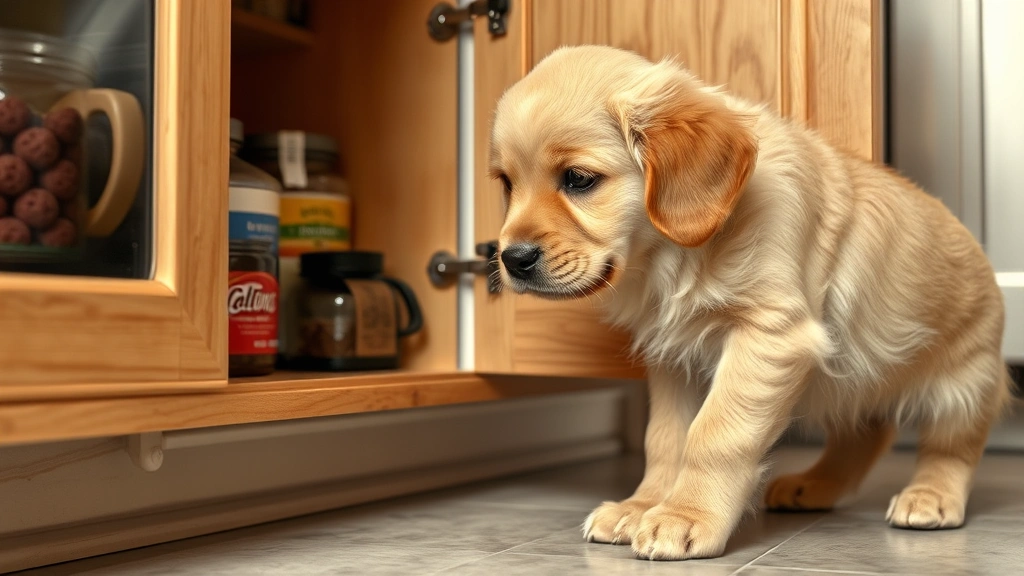
Is baking soda dangerous for dogs? The short answer is: it depends on the amount, but yes, it can be risky in certain situations. As a pet owner, you’ve probably got a box of baking soda sitting in your kitchen right now, maybe using it for everything from cleaning to deodorizing your fridge. But before your curious pup gets into your baking supplies, let’s talk about what actually happens when dogs ingest this common household ingredient.
Table of Contents
- What Exactly Is Baking Soda and Why Do Dogs Get Into It?
- The Toxic Threshold: How Much Baking Soda Is Actually Dangerous?
- Sodium Bicarbonate Poisoning Symptoms in Canines
- Baking Soda vs. Baking Powder: Don’t Confuse These Two
- Gastrointestinal Issues: The Most Common Concern
- Home Remedies and Natural Treatments: When Baking Soda Is Actually Used for Dogs
- Accidental Ingestion: What to Do Right Now
- Comparison with Other Kitchen Hazards: Context Matters
- Prevention: Keeping Your Pup Safe from Baking Soda
- When to Call Your Vet vs. When to Panic
- The Bottom Line: Risk Assessment for Your Individual Dog
- Frequently Asked Questions
- Summary: Is Baking Soda Dangerous for Dogs?
What Exactly Is Baking Soda and Why Do Dogs Get Into It?
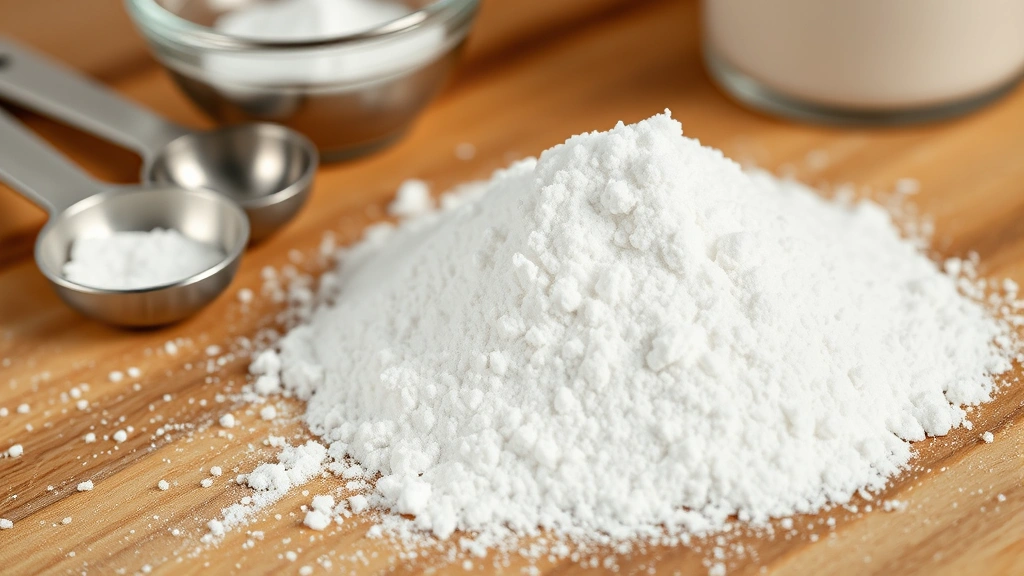
Baking soda, or sodium bicarbonate, is a white crystalline powder that’s been a kitchen staple for generations. It’s used in baking, cleaning, and even as a natural deodorizer. Dogs, being the curious creatures they are, might accidentally consume it while investigating your pantry or sniffing around during baking sessions. The real question isn’t just whether it’s dangerous—it’s understanding the threshold at which it becomes a problem.
The Toxic Threshold: How Much Baking Soda Is Actually Dangerous?
Here’s where things get specific. Small amounts of baking soda are generally considered safe for dogs. We’re talking about the tiny pinch that might stick to a treat or the residual powder on a biscuit. However, toxicity becomes a concern when dogs consume larger quantities—typically around 10-15 grams per kilogram of body weight. For a 50-pound dog, that’s roughly 225-340 grams of pure baking soda. That’s a LOT of powder, but it’s the amount that matters. If your Golden Retriever got into your baking supplies and consumed a tablespoon or two, you’re likely in the clear. If they somehow ate an entire box? That’s when you need to contact your vet immediately or use telehealth advice for pet poisoning.
Sodium Bicarbonate Poisoning Symptoms in Canines
If your dog has consumed a significant amount of baking soda, watch for these warning signs over the next few hours. Symptoms of sodium bicarbonate toxicity include vomiting, diarrhea, lethargy, tremors, seizures, muscle spasms, and in severe cases, metabolic alkalosis (an imbalance in blood pH). Some dogs might also experience loss of appetite or seem unusually disoriented. These symptoms can develop within 30 minutes to several hours after ingestion, so monitoring your pup closely is crucial if you suspect they’ve eaten a substantial quantity.

Baking Soda vs. Baking Powder: Don’t Confuse These Two
This is important: baking soda and baking powder are NOT the same thing, and they have different safety profiles for dogs. Baking powder contains baking soda plus acidic ingredients and cornstarch. While baking powder is generally considered safer than pure baking soda in small amounts, it can still cause issues in large quantities. Baking soda, being more concentrated, poses a greater risk. If your dog ate a muffin with baking powder, don’t panic. If they ate a handful of pure baking soda powder, that’s different. Learn more about other dangerous substances in xylitol poisoning in dogs, which is far more toxic than baking soda.
Gastrointestinal Issues: The Most Common Concern
The primary danger of baking soda for dogs isn’t necessarily acute poisoning—it’s the gastrointestinal distress it causes. When dogs consume baking soda, it can lead to metabolic changes in their stomach and intestines. The powder can cause gas production, bloating, and stomach upset. In some cases, it might even create a chemical reaction in the stomach that produces carbon dioxide, leading to gastric distension. This is uncomfortable for your pup and can lead to vomiting and diarrhea lasting 24-48 hours. While usually not life-threatening, it’s certainly unpleasant for both dog and owner.
Home Remedies and Natural Treatments: When Baking Soda Is Actually Used for Dogs
Here’s the twist: some vets actually recommend small amounts of baking soda for specific purposes. It’s sometimes suggested for dogs with urinary tract infections or certain kidney issues, as it can help alkalinize urine. However—and this is crucial—this should ONLY be done under veterinary supervision with proper dosing. Never self-medicate your dog with baking soda based on internet advice. The difference between therapeutic use and toxicity is all about proper dosing and medical guidance. If you’re considering any home remedies, consult with your vet first or use online vet advice for food reactions.
Accidental Ingestion: What to Do Right Now
So your dog just ate baking soda. First, don’t panic—most accidental ingestions won’t be fatal. Here’s your action plan: (1) Try to determine how much your dog consumed and when. (2) Monitor them closely for the next 4-6 hours for any symptoms. (3) If they show signs of distress, vomiting, or neurological symptoms, contact your veterinarian or emergency vet clinic immediately. (4) Have your dog’s weight handy when you call—this helps your vet assess the severity. (5) Don’t induce vomiting unless your vet specifically instructs you to do so. The good news? Most dogs recover completely from accidental baking soda ingestion without treatment, though they might have an uncomfortable tummy for a day or two.
Comparison with Other Kitchen Hazards: Context Matters
While baking soda can be problematic, it’s worth putting it in perspective with other kitchen dangers. Chocolate, grapes, raisins, avocado, and xylitol (found in sugar-free products) are FAR more dangerous to dogs than baking soda. Onions and garlic are also significantly more toxic. Baking soda is more of a “proceed with caution” ingredient rather than an absolute no-go like xylitol. Check out our guide on puppy safe human foods to understand which kitchen items are genuinely dangerous versus those that just cause minor tummy troubles.
Prevention: Keeping Your Pup Safe from Baking Soda
The best medicine is prevention. Store baking soda in a secure cabinet that your dog can’t access, especially if you have a clever pup who’s learned to open cupboards. Keep your baking supplies organized and out of reach during cooking sessions. If you’re baking, don’t leave bowls of dry ingredients unattended where your dog might sample them. Educate family members about the risks, especially kids who might accidentally leave baking supplies accessible. Consider storing baking soda in airtight containers on high shelves. These simple precautions eliminate the risk entirely.

When to Call Your Vet vs. When to Panic
Call your vet if: your dog consumed more than a few grams of baking soda, shows any symptoms within 6 hours, or if you’re uncertain about the amount ingested. Call an emergency vet clinic if: your dog is experiencing seizures, severe vomiting, inability to stand, or difficulty breathing. Don’t call if: your dog licked a small amount of batter or ate a single treat with baking powder—this is normal dog behavior and rarely causes issues. When in doubt, it’s always better to call and ask. Many vets offer phone consultations, and some provide pet telehealth services for quick advice.
The Bottom Line: Risk Assessment for Your Individual Dog
The danger of baking soda for dogs really comes down to individual circumstances: the amount consumed, your dog’s size and health status, and how quickly you respond if symptoms develop. A 10-pound Chihuahua who ate a tablespoon of baking soda faces greater risk than a 100-pound Labrador who ate the same amount. A senior dog with kidney issues might be more vulnerable than a healthy young pup. This is why personalized veterinary advice matters—your vet knows your dog’s specific health profile and can give you better guidance than any general article.
Frequently Asked Questions
Can I use baking soda as a natural flea treatment for my dog?
While some people suggest this, it’s not recommended. Baking soda can irritate your dog’s skin and respiratory system if inhaled. There are much safer and more effective flea treatments available. Talk to your vet about proven options instead.

Is baking soda safe in dog treats and commercial dog foods?
Yes, the tiny amounts used in commercial dog foods and treats are completely safe. Manufacturers carefully calculate ingredient proportions to ensure safety. It’s only problematic when dogs consume large quantities of pure baking soda powder.
What’s the difference between baking soda toxicity and baking powder toxicity in dogs?
Baking soda is more concentrated and poses greater risk. Baking powder is diluted with other ingredients, making it less toxic in similar quantities. However, large amounts of either can cause problems.
My dog ate baking soda 2 hours ago and seems fine. Should I still call the vet?
If your dog ate only a small amount (less than a teaspoon) and shows no symptoms after 2 hours, you’re likely fine. Continue monitoring for 24 hours. If they consumed more or show any symptoms, contact your vet regardless of how they currently seem.

Can baking soda cause long-term damage to my dog’s health?
In most cases of accidental ingestion, no. Dogs typically recover completely. However, chronic exposure to large amounts could potentially cause metabolic issues. One-time accidental ingestion, even if uncomfortable, shouldn’t cause lasting damage.
Are certain dog breeds more susceptible to baking soda toxicity?
No specific breed predisposition exists, but smaller dogs are at higher risk from the same amount due to their lower body weight. Senior dogs and those with kidney or heart conditions may be more vulnerable to the metabolic effects.
Summary: Is Baking Soda Dangerous for Dogs?
Yes, baking soda can be dangerous for dogs, but only in significant quantities. Small accidental exposures from treats or baking are rarely problematic. The real danger lies in dogs consuming large amounts of pure baking soda powder, which can cause gastrointestinal distress, vomiting, diarrhea, and in severe cases, metabolic alkalosis and neurological symptoms. Prevention through proper storage is your best strategy. If accidental ingestion occurs, assess the amount consumed and monitor your dog closely. Contact your vet if symptoms develop or if you’re uncertain about the quantity ingested. Remember, context matters—your dog’s size, age, and health status all factor into the actual risk level. When in doubt, reach out to your veterinarian for personalized guidance rather than relying on general information alone.





