
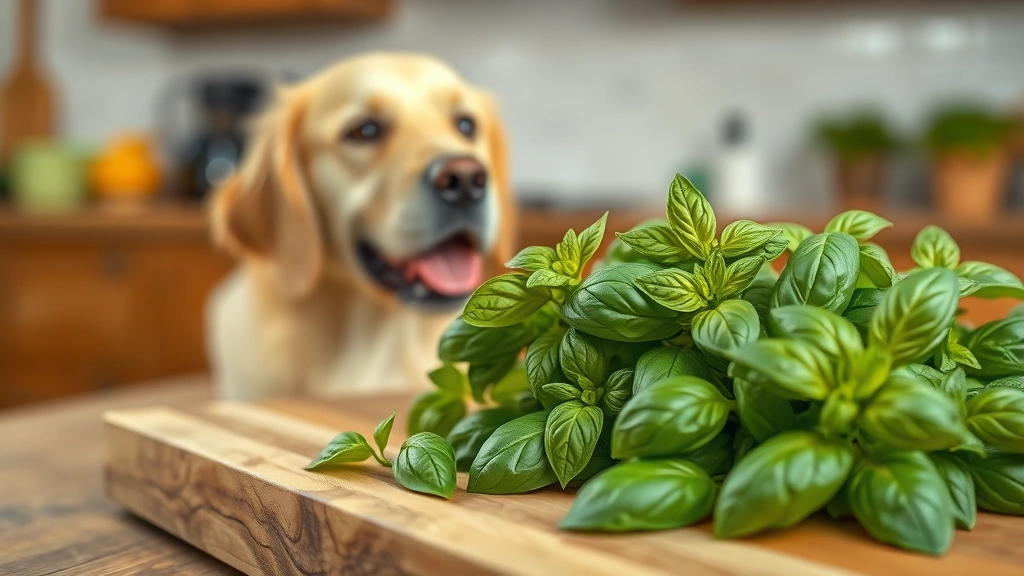
So you’re standing in your kitchen, chopping up some fresh basil for tonight’s pasta, and your furry best friend is giving you those irresistible puppy-dog eyes. You’re wondering: is basil harmful to dogs? The good news? Your pup can actually enjoy basil in moderation, and it might even offer some surprising benefits. Let’s dig into what you really need to know about basil and canine safety.
Table of Contents
- The Quick Answer: Is Basil Safe for Dogs?
- What Makes Basil Safe for Canine Consumption
- Potential Health Benefits of Basil for Dogs
- How Much Basil Can Dogs Safely Eat
- The Real Concerns: When Basil Becomes Problematic
- Signs Your Dog Has Eaten Too Much Basil
- Better Herb Alternatives for Your Dog
- Comparing Basil to Other Common Kitchen Items
- What About Basil Plants in Your Home
- The Vet’s Perspective on Herbs for Dogs
- Frequently Asked Questions
- Final Thoughts: Keep It Simple and Safe
The Quick Answer: Is Basil Safe for Dogs?
Yes, basil is generally safe for dogs to eat in small amounts. Unlike many herbs and plants that can be toxic to our four-legged friends, basil won’t poison your pooch. In fact, fresh basil is non-toxic and can even provide some health benefits when given occasionally. However, there’s a catch – moderation is absolutely key here. We’re talking about tiny amounts, not a full handful of your culinary herb garden.
The ASPCA confirms that basil is not on their list of toxic plants for dogs, which is reassuring news for herb-loving pet parents. That said, just because something is safe doesn’t mean your dog should have unlimited access to it.
What Makes Basil Safe for Canine Consumption
Basil contains no compounds that are inherently poisonous to dogs. The herb lacks the alkaloids, glycosides, or other toxic substances found in plants like sago palms, lilies, or certain mushrooms. This is why basil earned its spot on the puppy safe human foods list.
Fresh basil is primarily composed of water, fiber, and essential oils that give it that distinctive aroma and flavor. These essential oils are what make basil potentially interesting from a nutritional standpoint – they contain antioxidants and anti-inflammatory compounds that might benefit your dog’s health.
Potential Health Benefits of Basil for Dogs
While basil won’t transform your dog’s health, it does offer some minor nutritional perks when given occasionally. Here’s what basil brings to the table:
- Antioxidants: Basil contains polyphenols and flavonoids that help combat free radicals in your dog’s body
- Anti-inflammatory properties: The essential oils in basil may help reduce inflammation, which is particularly interesting for dogs with arthritis
- Digestive support: Small amounts might aid digestion, though this isn’t a primary benefit
- Fresh breath: Basil’s natural properties might help freshen your pup’s breath naturally
That said, these benefits are modest. You’re not going to see miraculous improvements by sprinkling basil on your dog’s kibble. Think of it more as a tiny nutritional bonus rather than a superfood.
How Much Basil Can Dogs Safely Eat
Here’s where the rubber meets the road: quantity matters enormously. A few small leaves occasionally? Totally fine. A bowl of pesto? Absolutely not. When we talk about safe basil consumption for dogs, we’re discussing tiny amounts – think a single leaf or two, maybe a few times per month at most.
The general rule is that treats (including herbs) should make up no more than 10% of your dog’s daily caloric intake. For most dogs, this means basil should be an occasional garnish, not a regular dietary staple. If your dog weighs 30 pounds, you’re looking at maybe one small leaf as an occasional treat.
Your dog’s size matters too. A Great Dane can handle slightly more basil than a Chihuahua, simply due to body weight differences. Still, we’re talking about minimal amounts across the board.
The Real Concerns: When Basil Becomes Problematic
While plain, fresh basil is safe, several scenarios can turn this innocent herb into a problem for your pup:
Basil in processed forms: Dried basil, basil powder, or basil mixed into sauces often contains added ingredients like garlic, onions, salt, or oils that are genuinely toxic to dogs. Never give your dog pesto, basil-infused oils, or seasoning blends containing basil. Check out our guide on safe human snacks for pets to understand which seasonings are actually dog-friendly.
Essential oil concentrates: Concentrated basil essential oil is a different beast entirely. These oils are potent and can cause gastrointestinal upset, neurological issues, or liver problems in dogs. Keep basil essential oil away from your pup completely.

Excessive amounts: While basil itself isn’t toxic, eating too much can cause stomach upset, vomiting, or diarrhea in sensitive dogs. Your dog’s digestive system is adapted for dog food, not herb gardens.
Allergic reactions: Some dogs may have individual sensitivities to basil. If your dog has never eaten it before, introduce it gradually and watch for signs of allergic reactions.
Signs Your Dog Has Eaten Too Much Basil
If your dog has managed to snack on a larger quantity of fresh basil than recommended, watch for these warning signs:
- Vomiting or retching
- Diarrhea or loose stools
- Abdominal pain or discomfort (excessive panting, restlessness)
- Loss of appetite
- Lethargy or unusual behavior
- Drooling more than usual
Most cases of basil overconsumption result in mild gastrointestinal upset that resolves within 24 hours. However, if your dog shows severe symptoms or doesn’t improve, contact your veterinarian immediately. It’s always better to err on the side of caution with your furry friend.
Better Herb Alternatives for Your Dog
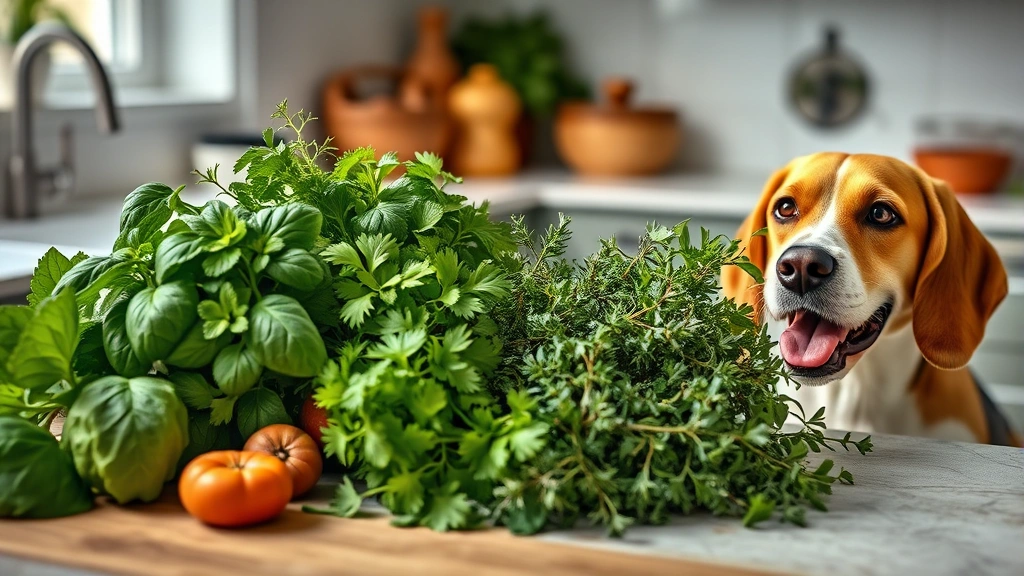
If you want to safely incorporate herbs into your dog’s diet, several options are even better than basil. Parsley, for instance, is not only safe but actually helps freshen dog breath naturally. Turmeric (in small amounts) offers anti-inflammatory benefits. Ginger can help with nausea and digestion. These herbs provide more pronounced health benefits than basil while remaining completely safe.
When exploring healthy pet treats, look for products that incorporate dog-safe herbs rather than trying to DIY herb additions to your pup’s meals. Commercial treats are formulated with appropriate quantities in mind.
Comparing Basil to Other Common Kitchen Items
Let’s put basil in perspective by comparing it to other herbs and foods your dog might encounter:
- Parsley: Even safer than basil, actively beneficial for breath
- Oregano: Safe in tiny amounts, but concentrated oil is problematic
- Thyme: Safe in small quantities
- Garlic: Toxic to dogs – avoid completely
- Onions: Toxic to dogs – avoid completely
- Avocado: Toxic to dogs – our detailed guide on avocado and pets explains why
This comparison helps illustrate why basil’s safety profile is actually pretty good compared to many kitchen staples. However, it also shows why you need to be careful about mixing herbs – many recipes that use basil also include garlic or onions, which are genuine hazards for dogs.
What About Basil Plants in Your Home
If you’re growing fresh basil on your windowsill or in a garden, your dog can occasionally nibble a leaf or two without harm. However, don’t make it a free-for-all snack station. Some dogs are curious about plants and might eat more than intended, leading to stomach upset.
The bigger concern with basil plants is pesticides or fertilizers. If you’ve treated your basil plant with any chemicals, keep it completely away from your dog. Homegrown, untreated basil is much safer than store-bought varieties that may have been sprayed with preservatives or pesticides.
The Vet’s Perspective on Herbs for Dogs
Most veterinarians agree that basil is fine for dogs in tiny quantities, but they generally don’t recommend it as a regular dietary addition. Why? Because dogs don’t need herbs the way humans do. Your dog’s complete and balanced commercial diet (whether kibble or fresh food) already contains all the nutrients they need.
If you’re interested in adding nutritional support to your dog’s diet, talk to your vet first. They might recommend specific supplements or dietary changes that are more appropriate than random herb additions. For dogs with specific health concerns like joint issues, your vet might suggest evidence-based supplements rather than relying on basil’s modest anti-inflammatory properties.
Frequently Asked Questions
Can dogs eat fresh basil from my garden?
Yes, dogs can eat small amounts of fresh, untreated basil from your garden. Just ensure the plant hasn’t been treated with pesticides or fertilizers. A leaf or two occasionally is fine, but don’t let your dog graze freely on your herb garden.
Is basil essential oil safe for dogs?
No, basil essential oil is not safe for dogs. Concentrated essential oils are too potent and can cause gastrointestinal upset, neurological problems, or liver damage. Keep all essential oils, including basil oil, completely away from your dog.
What if my dog ate a large amount of basil?
If your dog consumed a large quantity of fresh basil, monitor them for signs of gastrointestinal upset like vomiting, diarrhea, or abdominal pain. Most dogs will experience mild symptoms that resolve within 24 hours. Contact your vet if symptoms are severe or persist beyond a day.
Can I give my dog basil to freshen their breath?
While basil has mild breath-freshening properties, parsley is a much better choice for this purpose. Parsley is slightly safer and more effective at naturally freshening dog breath. A tiny amount occasionally won’t hurt, but don’t rely on basil as a breath remedy.
Is basil toxic to any dog breeds specifically?
No, basil toxicity doesn’t vary by breed. However, smaller breeds may be more affected by larger quantities simply due to body weight. A Chihuahua eating one leaf will have a different experience than a Great Dane eating the same amount, but basil isn’t toxic to any breed.
What about basil in dog food or treats?
Basil sometimes appears in commercial dog foods and treats in tiny amounts. This is generally fine since manufacturers carefully control quantities. However, always check the ingredient list to ensure the product doesn’t contain garlic, onions, or other harmful ingredients that might accompany basil in recipes.
Can puppies eat basil?
Yes, puppies can eat tiny amounts of fresh basil just like adult dogs. However, puppies have more sensitive digestive systems, so introduce it even more gradually and in smaller quantities. It’s probably best to skip basil entirely for puppies and focus on their specialized puppy nutrition.
Final Thoughts: Keep It Simple and Safe
So, is basil harmful to dogs? The answer is a reassuring no – basil is safe for dogs in moderation. Your dog won’t suffer any toxic effects from licking a basil leaf off your cutting board or accidentally munching one from your garden. However, that doesn’t mean you should actively add basil to your dog’s diet.
The bottom line is this: your dog doesn’t need basil, and they certainly don’t need concentrated basil products, pesto, or basil-infused oils. If you want to give your dog an occasional herb treat, stick to parsley or ginger, which offer more pronounced benefits. Focus on providing your dog with high-quality commercial dog food that’s nutritionally complete, and you’ll cover all their dietary needs without experimenting with your spice rack.
Remember, when it comes to your dog’s health and safety, the golden rule is: when in doubt, ask your vet. They know your individual dog’s health history and can provide personalized advice about what treats and supplements are appropriate. Keep your pup safe, keep them happy, and enjoy your basil-flavored meals knowing your furry friend can’t have any – they wouldn’t appreciate it anyway!





