

Is bone marrow good for dogs? Short answer: yes, but with some serious caveats that every dog parent needs to know before tossing a marrow bone into your pup’s food bowl.
Table of Contents
- What Exactly Is Bone Marrow?
- The Health Benefits: What Science Actually Says
- Bone Marrow and Skin and Coat Health
- The Real Dangers: When Bone Marrow Becomes a Problem
- Safe Ways to Serve Bone Marrow to Your Dog
- How Much Bone Marrow Is Too Much?
- Red Flags: When to Skip Bone Marrow Entirely
- Quality Matters: Where to Source Bone Marrow
- Alternatives to Whole Bone Marrow
- The Verdict: Is Bone Marrow Good for Dogs?
- Frequently Asked Questions
Bone marrow has become the darling of the pet wellness community, and honestly, there’s some legitimate science backing the hype. But like most good things in life, it comes with a side of “not so fast.” Let’s dig into what bone marrow actually does for your dog, when it’s safe, and when it could land your furry friend a one-way ticket to the emergency vet clinic.
What Exactly Is Bone Marrow?
Bone marrow is the soft, fatty tissue inside bones that produces red and white blood cells. It’s basically your dog’s internal factory for immune function and oxygen transport. When you crack open a bone, that rich, creamy center? That’s marrow, and dogs go absolutely bonkers for it (pun intended).
From a nutritional standpoint, bone marrow contains collagen, gelatin, amino acids, and minerals like calcium and phosphorus. It’s also packed with fat, which is why dogs find it irresistible and why moderation matters.
The Health Benefits: What Science Actually Says
Let’s talk about the legitimate perks. Bone marrow contains collagen and amino acids that support joint health and mobility—especially important for aging dogs or breeds prone to hip dysplasia. Studies published in veterinary nutrition journals suggest that the amino acids in bone marrow, particularly glycine and proline, can support joint health and cartilage maintenance.
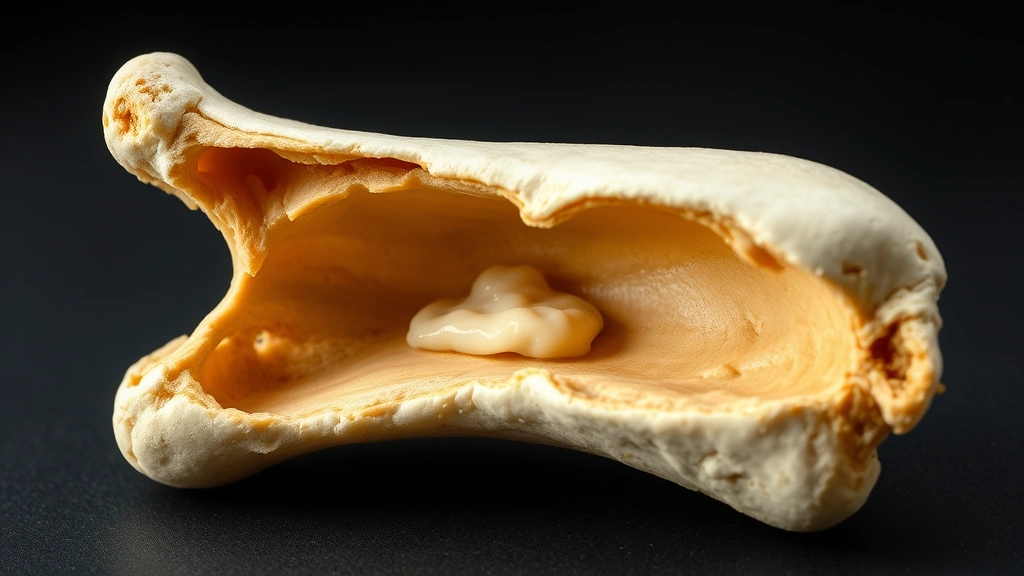
The gelatin in bone marrow may also support gut health by promoting the integrity of the intestinal lining. Some vets recommend bone broth for pets for exactly this reason—it’s essentially concentrated bone marrow goodness in liquid form.
Bone marrow also contains fat-soluble vitamins like vitamin A and vitamin D, which support skin and coat health. If your dog’s coat looks like it went through a wind tunnel, bone marrow might help with that shine and softness.
Bone Marrow and Skin and Coat Health
The omega-3 and omega-6 fatty acids in bone marrow can genuinely improve your dog’s coat quality. Combined with the amino acids, you’re looking at a food that supports collagen production—the protein that keeps skin elastic and fur glossy. This is why many premium meat-based treats for dogs include bone marrow as a key ingredient.
However, don’t expect miracles overnight. Coat improvement takes 6-8 weeks of consistent supplementation, and skin and coat health foods work best when combined with a balanced diet and proper grooming.

The Real Dangers: When Bone Marrow Becomes a Problem
Here’s where things get serious. Bone marrow is incredibly high in fat—we’re talking 90% fat in some cases. For dogs with pancreatitis or sensitive digestive systems, this can trigger inflammation, vomiting, diarrhea, or worse. Acute pancreatitis in dogs is no joke; it’s painful, expensive to treat, and can be life-threatening.
Raw bones with marrow can harbor bacteria like E. coli and Salmonella, which don’t bother dogs as much as humans, but can still cause issues—especially in puppies, senior dogs, or immunocompromised pups. Cooked bones are safer from a bacterial standpoint but become brittle and can splinter, causing intestinal blockages or perforations.
Then there’s the choking and obstruction risk. Dogs don’t always chew thoroughly; some just swallow. A chunk of bone marrow or bone can lodge in the esophagus, stomach, or intestines, requiring emergency surgery.
Safe Ways to Serve Bone Marrow to Your Dog
If your dog doesn’t have pancreatitis or a sensitive stomach, bone marrow can be part of a balanced diet. Here’s how to do it right:
Raw meaty bones: Serve raw, never cooked. Raw bones are softer and safer than cooked ones. Supervise always. Choose appropriately sized bones—large enough that your dog can’t swallow them whole. Marrow bones are typically safe for dogs over 25 pounds.
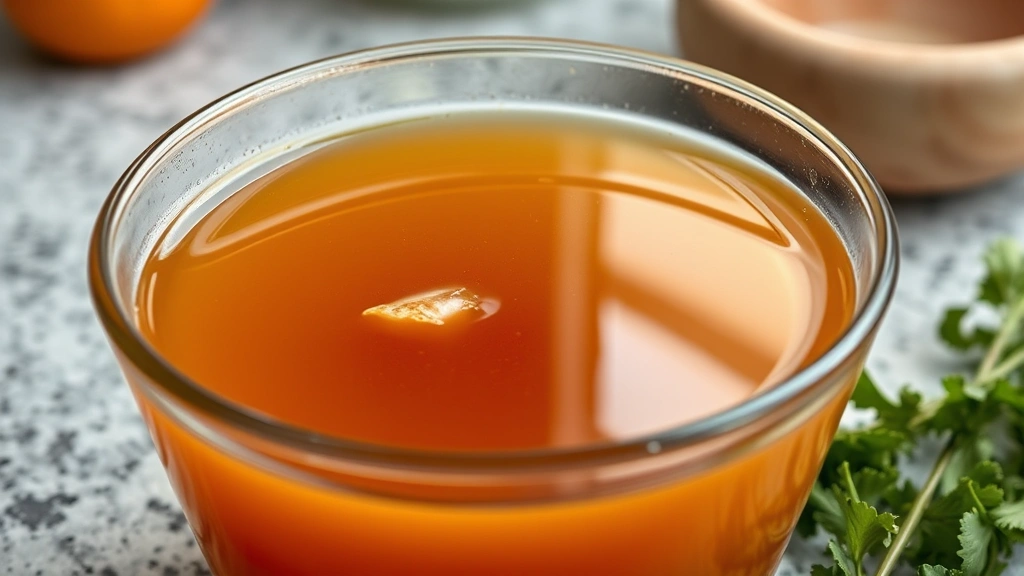
Bone broth: This is the safest option. Simmer bones (raw or cooked) for 12-24 hours, strain out all solids, and serve the liquid. You get all the marrow benefits without the choking risk. Add a tablespoon or two to your dog’s regular food.
Frozen marrow bones: Some pet stores sell frozen marrow bones specifically for dogs. These are pre-cleaned and safer than random bones from the butcher. Freeze them solid and give them to your dog for 15-20 minutes, then remove.
Marrow supplements: Powdered bone marrow supplements exist and eliminate most risks. Follow the dosing instructions on the package.

How Much Bone Marrow Is Too Much?
Portion control is critical. Bone marrow should make up no more than 5-10% of your dog’s daily caloric intake. For a 50-pound dog eating 1,000 calories daily, that’s roughly 50-100 calories from bone marrow—maybe one small marrow bone or 2-3 tablespoons of bone broth.
Puppies and senior dogs should get even less. Large breed puppies are especially vulnerable to pancreatitis from high-fat foods, so hold off until they’re fully grown.
Red Flags: When to Skip Bone Marrow Entirely
Don’t give bone marrow to dogs with:
- Pancreatitis (current or history)
- Inflammatory bowel disease
- Severe food allergies
- Obesity
- Gastrointestinal sensitivities
- Dental disease (if using whole bones)
If your dog has any of these conditions, talk to your vet before introducing bone marrow in any form. They might approve bone broth in small amounts, or they might recommend skipping it altogether.

Quality Matters: Where to Source Bone Marrow
Not all bones are created equal. Grass-fed beef bones are preferable to grain-fed because the fat profile is slightly better. Avoid bones from animals treated with antibiotics or hormones. Butcher shops are usually better sources than supermarket bones, which may have been sitting around longer.
Always follow proper pet food safety practices. Wash your hands after handling raw bones, clean surfaces thoroughly, and don’t let bone marrow sit at room temperature for more than two hours.
Alternatives to Whole Bone Marrow
If you’re nervous about the risks, there are safer ways to get similar benefits. Fish oil supplements provide omega-3s. Collagen peptides offer amino acids without the fat. Pumpkin and sweet potato provide fiber and nutrients. Green-lipped mussel supplements support joint health.
These alternatives give you the health benefits with less risk, though they lack the psychological satisfaction dogs get from gnawing on a bone (which is actually good for dental health and mental stimulation).

The Verdict: Is Bone Marrow Good for Dogs?
Yes—but it’s not a miracle food, and it’s not for every dog. Bone marrow can support joint health, coat quality, and gut function when given responsibly to healthy adult dogs. The key is moderation, proper sourcing, and choosing the safest delivery method for your individual dog.
If your dog has any health issues, check with your vet first. If your dog is healthy and you want to add bone marrow, start small with bone broth and watch for any digestive upset. Most dogs do fine with occasional bone marrow treats, but some will have a bad reaction—and that’s okay. Every dog is different.
Frequently Asked Questions
Can puppies have bone marrow?
Large breed puppies should avoid bone marrow entirely due to pancreatitis risk. Small breed puppies can have small amounts of bone broth after 8 weeks old, but whole bones should wait until they’re fully grown (12-18 months depending on breed).
Is raw or cooked bone marrow better?
Raw is safer than cooked whole bones (which splinter), but raw bones carry bacterial risks. Bone broth splits the difference—cooked for safety but still retains the marrow benefits. If you go raw, source from reputable butchers and supervise closely.

How often can I give my dog bone marrow?
2-3 times weekly is safe for healthy adult dogs. Bone broth can be added daily in small amounts. If your dog has pancreatitis, ask your vet before giving any.
Will bone marrow make my dog fat?
It can contribute to weight gain if you don’t account for the calories. Always reduce regular food portions when adding bone marrow treats. Monitor your dog’s weight and adjust accordingly.
What should I do if my dog swallows a large piece of bone?
Don’t panic immediately—many dogs pass bone fragments without issues. Watch for vomiting, constipation, abdominal pain, or lethargy over the next 48 hours. If any of these occur, contact your vet. If your dog is choking or unable to swallow, go to the emergency vet immediately.





