
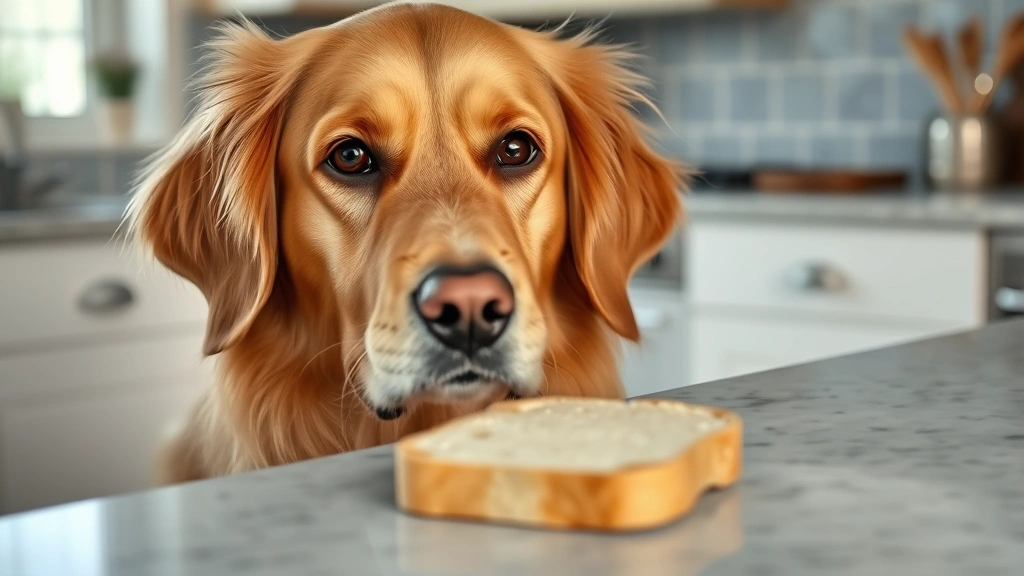
So, is bread bad for dogs? The short answer is: it depends. While plain, store-bought bread won’t send your pup to the emergency vet, it’s not exactly a nutritional powerhouse either. But before you toss that sandwich crust to your eager golden retriever, let’s dig into what you actually need to know about bread and canine health.
Table of Contents
- Plain Bread Is Generally Safe (But Kind of Boring)
- Raw Dough: The Silent Danger Every Dog Owner Should Fear
- Bread with Xylitol: A Deadly Trap
- Whole Wheat vs. White Bread: Which Is Less Bad?
- Bread with Add-Ins: The Sneaky Danger Zone
- What About Sourdough, Rye, and Other Specialty Breads?
- Bread and Digestive Issues: Why Your Dog Might Not Tolerate It
- Portion Control: How Much Bread Is Too Much?
- Healthier Alternatives to Bread for Dog Treats
- What to Do If Your Dog Ate Bread (The Action Plan)
- Training Your Dog to Decline Bread (And Other Table Food)
- Frequently Asked Questions
- The Bottom Line: Is Bread Bad for Dogs?
Picture this: you’re making a sandwich, your dog gives you those irresistible puppy dog eyes, and you’re wondering if sharing a piece of bread is harmless. Spoiler alert—most of the time it is, but there are definitely some bread-related scenarios that can make your vet’s phone ring at 2 AM. Let’s break down everything you need to know about dogs and bread, from the safe stuff to the absolute no-nos.
Plain Bread Is Generally Safe (But Kind of Boring)
Plain, white or wheat bread from your grocery store? Your dog can have a small piece without any drama. It won’t poison them, it won’t cause immediate harm, and it definitely won’t make them superhero-strong. Plain bread is basically the vanilla ice cream of dog treats—not harmful, just underwhelming.
The issue isn’t that plain bread is toxic; it’s that it offers virtually nothing nutritionally. Dogs don’t need carbs from bread. They’re carnivores (well, facultative omnivores if you want to get technical), and bread doesn’t contribute to their health in any meaningful way. It’s empty calories wrapped in a soft package. If your dog eats a slice or two of plain bread occasionally, they’ll be fine. Just don’t make it a habit or a meal replacement.
Raw Dough: The Silent Danger Every Dog Owner Should Fear
Here’s where things get serious. Raw bread dough is genuinely dangerous for dogs, and this is the scenario that should keep you up at night. When your dog ingests raw dough, their warm stomach becomes a perfect incubator for yeast to expand and ferment.

This causes two major problems:
- Bloating and distension: The dough expands in the stomach, creating gas buildup that can lead to bloat, a life-threatening emergency condition.
- Alcohol toxicity: As yeast ferments, it produces ethanol (yes, actual alcohol), which can poison your dog. Even small amounts of raw dough can cause serious intoxication in dogs.
Symptoms of raw dough ingestion include vomiting, restlessness, tremors, disorientation, and in severe cases, seizures. If you suspect your dog ate raw dough, call your vet or poison control immediately. This isn’t something to wait out or monitor at home. This is a genuine emergency that requires professional intervention.
Bread with Xylitol: A Deadly Trap
Some specialty breads and sugar-free baked goods contain xylitol, an artificial sweetener. Xylitol poisoning in dogs is one of the most serious threats from human foods, and bread is a sneaky culprit. Even tiny amounts of xylitol can cause severe hypoglycemia (dangerously low blood sugar) and liver damage in dogs.
Always check the ingredient list before sharing any baked goods with your pup. If you see xylitol, sorbitol, or other sugar alcohols listed, keep it far away from your dog. This applies to bread, cookies, peanut butter, and basically any processed food marketed as “sugar-free.”

Whole Wheat vs. White Bread: Which Is Less Bad?
If you’re going to give your dog bread, whole wheat is marginally better than white bread because it has slightly more fiber and nutrients. But we’re talking about a marginal difference here—it’s not like whole wheat bread is suddenly a superfood for dogs.
White bread is more processed, contains less nutritional value, and is basically just empty carbs. Whole wheat bread at least has some fiber and B vitamins, though your dog gets these from their regular diet anyway. Neither should be a regular treat, but if you had to choose, whole wheat is the slightly less pointless option.
Bread with Add-Ins: The Sneaky Danger Zone
This is where bread becomes genuinely problematic. Many flavored breads contain ingredients that are toxic to dogs:
- Garlic and onion bread: Both garlic and onions contain compounds that damage red blood cells in dogs, leading to hemolytic anemia. Even cooked garlic and onions are dangerous.
- Raisin bread: Raisins are toxic to dogs and can cause acute kidney failure. Grape and raisin toxicity in dogs is well-documented, and even a handful can be dangerous.
- Chocolate bread: Obviously, chocolate is toxic to dogs. The darker the chocolate, the more dangerous it is.
- Nuts in bread: Macadamia nuts are particularly toxic to dogs. Other nuts can cause pancreatitis, especially high-fat varieties like walnuts and pecans.
If your bread has any of these ingredients, keep it completely away from your dog. No exceptions, no “just a tiny piece.”
What About Sourdough, Rye, and Other Specialty Breads?
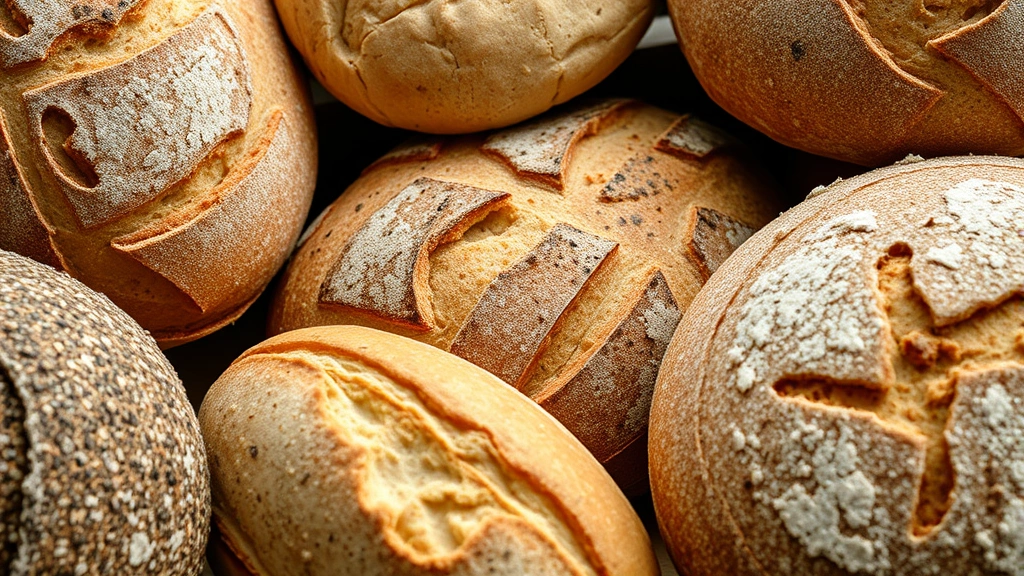
Sourdough is technically safe for dogs because it’s made with a starter culture rather than commercial yeast, though the fermentation process does reduce the dough’s ability to expand dangerously in the stomach. Rye bread is also generally safe in small amounts, though it’s darker and denser, which doesn’t make it any more nutritious for your pup.
The rule of thumb: if it’s plain and doesn’t contain toxic ingredients, your dog can have a small piece without harm. But again, “not harmful” doesn’t mean “good for them.” Just because something won’t hurt your dog doesn’t mean you should make it part of their diet.
Bread and Digestive Issues: Why Your Dog Might Not Tolerate It
Even if a bread is technically safe, some dogs have sensitive stomachs and might experience digestive upset from bread. Symptoms include diarrhea, vomiting, gas, or constipation. If your dog has a sensitive stomach or a history of pancreatitis, bread is best avoided entirely.
Dogs with grain allergies or sensitivities will also react negatively to bread. If you notice your dog itching, having skin issues, or experiencing digestive problems after eating bread, it’s time to eliminate it from their diet and chat with your vet about potential allergies.
Portion Control: How Much Bread Is Too Much?
If you’re going to give your dog bread, keep it to tiny amounts—think of it as an occasional treat, not a meal component. A small piece (think the size of a crouton) once in a while won’t hurt a healthy adult dog. But if your dog is overweight, diabetic, or has any health conditions, bread should be off the menu entirely.
Remember that treats, including bread, should make up no more than 10% of your dog’s daily caloric intake. Most dogs don’t need bread at all, so if you’re counting treat calories, there are much better options available.
Healthier Alternatives to Bread for Dog Treats
Want to give your dog a treat that’s actually good for them? Check out our guide on puppy safe human foods and safe human snacks for pets for options that won’t make your vet cringe.
Better treat options include:
- Carrots (great for teeth cleaning)
- Apples (seedless)
- Pumpkin (excellent for digestion)
- Plain cooked chicken
- Green beans
- Watermelon (seedless)
- Blueberries
These treats actually provide nutritional benefits instead of just empty calories.
What to Do If Your Dog Ate Bread (The Action Plan)
If your dog got into plain bread, take a breath. One slice won’t hurt them. Monitor for any signs of digestive upset over the next 24 hours. If they seem fine, you’re good.
If your dog ate raw dough, call your vet or emergency vet for food poisoning immediately. Don’t wait. Don’t watch and see. This is a genuine emergency.
If your dog ate bread with toxic ingredients (xylitol, raisins, chocolate, garlic, onions, macadamia nuts), contact your vet or poison control right away. Have the bread packaging available so you can tell them exactly what your dog ingested.

The ASPCA Animal Poison Control Center is available 24/7 at (888) 426-4435. Bookmark this number if you have a dog.
Training Your Dog to Decline Bread (And Other Table Food)
The best solution is teaching your dog not to beg for human food in the first place. Use positive reinforcement to reward them for staying in their bed while you eat. Redirect their attention to appropriate toys or treats when they show interest in your food.
If everyone in your household is consistent about not sharing table food, your dog will eventually learn that begging doesn’t work. This prevents bread-related incidents and keeps your dog healthier overall.
Frequently Asked Questions
Can dogs eat bread every day?
No. While plain bread won’t hurt your dog in small amounts, it offers no nutritional benefit and is basically empty calories. Regular bread consumption can contribute to obesity and displace more nutritious foods from their diet. Save bread for rare occasions at most.

Is whole wheat bread better for dogs than white bread?
Whole wheat bread is marginally better because it contains more fiber and nutrients, but honestly, neither is necessary for your dog’s health. If you’re going to share bread, whole wheat is the slightly better choice, but plain cooked vegetables are a much better treat option.
What happens if a dog eats raw bread dough?
Raw dough expands in the stomach as yeast ferments, potentially causing life-threatening bloat. Additionally, fermentation produces ethanol, which can poison your dog. Symptoms include vomiting, tremors, disorientation, and seizures. This is a medical emergency requiring immediate veterinary care.
Is sourdough safe for dogs?
Yes, plain sourdough is generally safer than regular bread because the fermentation process means the dough is less likely to expand dangerously in the stomach. However, it still offers no nutritional benefit and shouldn’t be a regular treat.
What bread ingredients are toxic to dogs?
Xylitol, garlic, onions, raisins, chocolate, and macadamia nuts are all toxic to dogs. Always check ingredient labels before sharing any bread or baked goods with your pup. When in doubt, don’t share it.

My dog ate a slice of bread—should I panic?
One slice of plain bread won’t hurt your dog. Monitor them for 24 hours for any signs of digestive upset. If they seem fine, they’re fine. Only panic if the bread contained toxic ingredients or if your dog ate raw dough.
Are there any health benefits to feeding dogs bread?
No. Dogs don’t need bread, and it provides no nutritional benefits they can’t get from their regular diet. It’s purely empty calories.
The Bottom Line: Is Bread Bad for Dogs?
Plain bread? Not inherently bad, just pointless. Your dog won’t suffer from a small piece of plain white or whole wheat bread, but they won’t benefit from it either. It’s a non-issue if it happens occasionally, but it shouldn’t be part of their regular diet.
Raw dough? Absolutely bad. This is a genuine emergency.

Bread with toxic ingredients? Definitely bad. Keep these completely away from your dog.
The real question isn’t whether bread is bad for dogs—it’s whether bread is good for dogs. And the answer is no. Your dog has zero nutritional need for bread, and there are countless better treat options available. If you want to give your dog a treat, choose something that actually benefits their health instead of just satisfying your desire to share human food.
Your dog doesn’t care if their treat is bread or a carrot. They just care that you’re giving them something. Make it count by choosing treats that contribute to their health rather than their waistline.





