

So, is brown rice good for dogs? The short answer: yes, but with some important caveats that every dog owner should know. Brown rice can be a nutritious addition to your pup’s diet, but it’s not a miracle food, and it definitely isn’t a substitute for a balanced commercial dog food. Let’s dig into what the science actually says about this wholesome grain.
Table of Contents
- Why Dog Owners Are Obsessed With Brown Rice
- Nutritional Breakdown: What’s Actually in Brown Rice for Dogs
- The Digestibility Question: Can Dogs Actually Process Brown Rice?
- Brown Rice and Weight Management: A Helpful Tool
- Potential Risks and When to Avoid Brown Rice
- How to Prepare Brown Rice for Your Dog
- Brown Rice vs. White Rice: Which Is Better for Dogs?
- Brown Rice as Part of a Complete Diet
- Brown Rice and Specific Health Conditions
- Common Brown Rice Myths Debunked
- Practical Serving Suggestions
- When to Talk to Your Vet About Brown Rice
- The Bottom Line on Brown Rice for Dogs
- Frequently Asked Questions
Why Dog Owners Are Obsessed With Brown Rice
Brown rice has become the darling of the health-conscious pet parent community, and honestly, there’s some legitimate reasoning behind the hype. Unlike white rice, brown rice retains its bran and germ layers, which means it packs more fiber, vitamins, and minerals. It’s the whole grain equivalent that makes humans feel virtuous about their lunch bowls, and naturally, we want the same benefits for our furry best friends.
The thing is, dogs have different nutritional needs than we do. They’re not exactly browsing farmer’s markets or reading nutrition labels. But that doesn’t mean brown rice is off-limits—it just means understanding the nuances matters.
Nutritional Breakdown: What’s Actually in Brown Rice for Dogs
Brown rice contains B vitamins, magnesium, phosphorus, and manganese. It’s also a decent source of protein compared to white rice, though it’s still not a primary protein source for dogs. The fiber content is where brown rice really distinguishes itself from its white counterpart, which can be beneficial for digestive health in certain situations.
Here’s the reality check: dogs are facultative carnivores, meaning they can digest and benefit from some plant-based foods, but they don’t need grains to thrive. Brown rice isn’t essential to your dog’s diet, but it can be a harmless and sometimes helpful addition when prepared correctly.
The Digestibility Question: Can Dogs Actually Process Brown Rice?
This is where things get interesting. Brown rice is slightly less digestible than white rice because of that extra fiber and bran layer. For most healthy adult dogs, this isn’t a problem—their digestive systems are equipped to handle it. However, puppies, senior dogs, or dogs with sensitive stomachs might struggle with brown rice more than white rice.
If you’re introducing brown rice to your dog’s diet, cook it thoroughly and serve it plain. Raw or undercooked brown rice can cause digestive upset and is harder for your pup to break down. Think of it like this: you wouldn’t eat raw rice either, so why would your dog?
Brown Rice and Weight Management: A Helpful Tool
Brown rice is lower in calories than many commercial dog treats and can be a filling addition to meals without packing on the pounds. If you’re working on low-calorie human foods for pets, brown rice can be part of your strategy. The fiber content helps dogs feel fuller longer, which is particularly useful for pups prone to begging or overeating.
That said, brown rice should never make up more than 10% of your dog’s daily caloric intake. It’s a supplement, not a main course replacement.
Potential Risks and When to Avoid Brown Rice
Not every dog should eat brown rice. Dogs with certain health conditions, allergies, or sensitivities might need to skip it entirely. Additionally, brown rice contains phytic acid, which can interfere with mineral absorption in large quantities. This isn’t a dealbreaker for occasional brown rice consumption, but it’s worth noting if your dog is eating brown rice daily.
If your dog has food allergies in pets, brown rice is generally a safe grain option, but always check with your vet before introducing any new food. Some dogs with grain sensitivities might react to brown rice even though it’s not a common allergen.
How to Prepare Brown Rice for Your Dog
Preparation matters. Here’s the right way to do it:
1. Cook brown rice in plain water without salt, butter, oils, or seasonings. Your dog doesn’t need flavor enhancement, and these additions can cause digestive issues or contribute to pancreatitis.
2. Cook it until it’s soft and easily digestible. Mushy is better than firm when it comes to dog food.
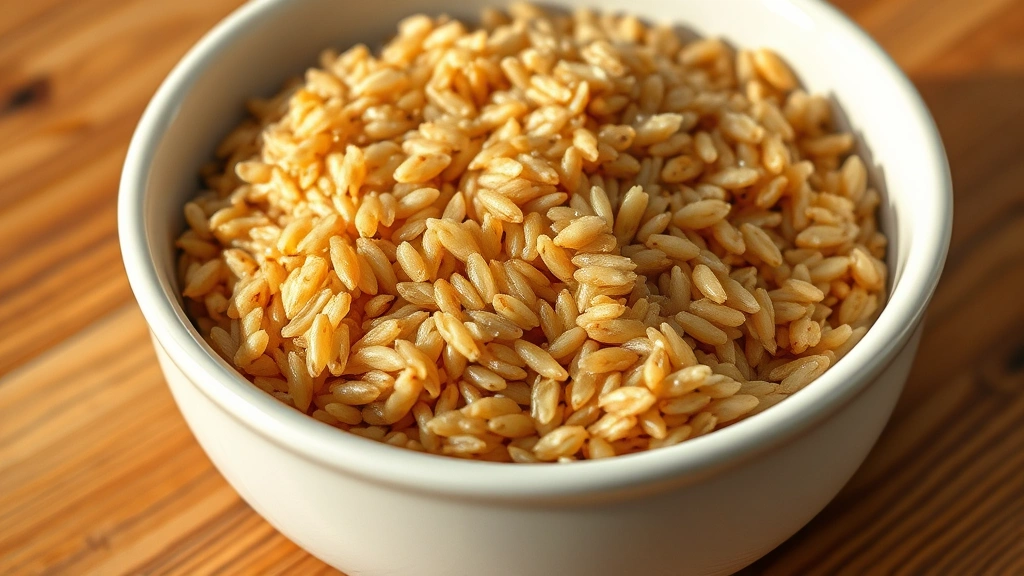
3. Let it cool completely before serving.
4. Store cooked brown rice in the refrigerator for up to 4 days, or freeze portions for later use.
Never serve brown rice with onions, garlic, or other seasonings that are toxic to dogs. Keep it boring—your dog won’t complain.
Brown Rice vs. White Rice: Which Is Better for Dogs?
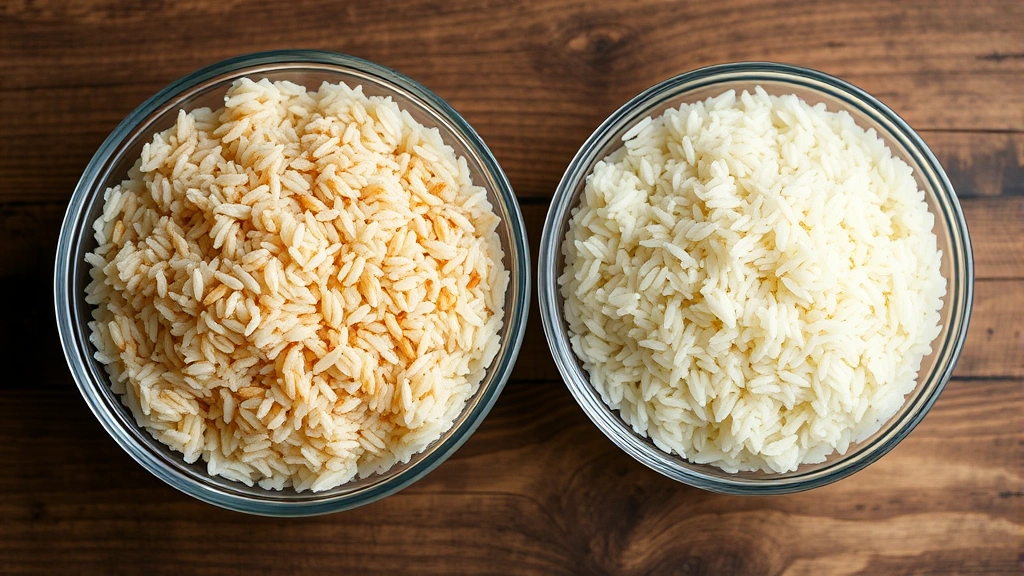
Both are safe for dogs, but they have different advantages. White rice is easier to digest and is often recommended for dogs with upset stomachs. Brown rice has more nutritional value and fiber. For a healthy adult dog with no digestive issues, brown rice is the slightly better choice. For dogs with sensitive systems, white rice might be the way to go.
The choice ultimately depends on your individual dog’s needs and health status.
Brown Rice as Part of a Complete Diet
Brown rice works best when it’s part of a well-rounded diet that includes quality protein sources, healthy fats, and other nutrients. If you’re considering adding brown rice to your dog’s meals, make sure you’re also providing vet-approved human foods for pets that complement it nutritionally.
Many vets recommend using brown rice as a carbohydrate base in homemade dog food recipes, but only if those recipes are formulated by a veterinary nutritionist to ensure complete and balanced nutrition. Homemade diets without proper nutritional guidance can lead to serious deficiencies.
Brown Rice and Specific Health Conditions
Brown rice can be beneficial for dogs dealing with certain digestive issues, though it’s not a cure-all. The fiber can help with constipation, and the bland nature makes it suitable for recovery meals after stomach upset. However, if your dog has chronic digestive problems, brown rice might actually exacerbate things due to its lower digestibility compared to white rice.
For dogs on restricted diets or those needing immune-boosting foods for pets, brown rice can be incorporated, but it should work alongside other nutrient-dense foods, not replace them.
Common Brown Rice Myths Debunked
Myth: Brown rice will cure your dog’s allergies. Reality: Brown rice is hypoallergenic for most dogs, but it won’t cure existing allergies. The allergen is usually a protein source, not the grain.
Myth: Brown rice is essential for a healthy dog diet. Reality: Dogs don’t need grains at all. Brown rice is optional and beneficial only in specific situations.
Myth: You can feed your dog unlimited brown rice. Reality: Portion control is crucial. Too much brown rice can lead to nutritional imbalances and weight gain.
Practical Serving Suggestions
Mix cooked, cooled brown rice with your dog’s regular kibble to add volume and fiber without significantly increasing calories. Use it as a base for adding lean proteins like chicken breast or ground turkey. Combine it with plain pumpkin puree for a digestive-friendly meal. Create frozen brown rice treats by mixing it with dog-safe broth and freezing in ice cube trays.
The key is moderation and balance. Brown rice should be an accent, not the main event.
When to Talk to Your Vet About Brown Rice
Before making brown rice a regular part of your dog’s diet, especially if your pup has existing health conditions, consult your veterinarian. This is particularly important if your dog is on a prescription diet, has digestive issues, or is overweight. Your vet can advise whether brown rice is appropriate for your specific dog and in what quantities.
Check out our comprehensive guide on pet nutrition advice and what not to feed your dog for more dietary guidance.
The Bottom Line on Brown Rice for Dogs
Is brown rice good for dogs? Yes, for most healthy adult dogs, brown rice is a safe and nutritious addition to their diet when prepared properly and served in appropriate portions. It’s not a superfood, and it’s not necessary for optimal canine health, but it can be a helpful tool for weight management, digestive support, and meal variety.
The real magic isn’t in the brown rice itself—it’s in feeding your dog a complete, balanced diet that meets their individual nutritional needs. Brown rice can be part of that equation, but it shouldn’t be the whole story.
Frequently Asked Questions
Can dogs eat brown rice every day?
Yes, dogs can eat brown rice daily as long as it makes up no more than 10% of their daily caloric intake and they don’t have underlying health conditions that contraindicate it. However, there’s no nutritional necessity for daily brown rice consumption. Variety in your dog’s diet is generally healthier than feeding the same thing every single day.
Is brown rice better than white rice for dogs?
Brown rice has more nutritional value and fiber than white rice, making it the better choice for most healthy dogs. However, white rice is easier to digest and is often preferred for dogs with sensitive stomachs or digestive upset. The best choice depends on your individual dog’s health status and needs.
How much brown rice can I give my dog?
Brown rice should constitute no more than 10% of your dog’s daily caloric intake. For a 50-pound dog, this typically means about 1/2 to 1 cup of cooked brown rice per day, mixed with their regular food. Always adjust based on your dog’s size, activity level, and overall diet.
Can puppies eat brown rice?
Puppies can eat brown rice, but it should be thoroughly cooked and served in small portions. Puppies have different nutritional needs than adult dogs and require more protein and specific nutrient ratios. Brown rice should never replace their puppy formula food and should only be introduced after consulting with your veterinarian.
What if my dog has a sensitive stomach?
If your dog has a sensitive stomach, white rice might be a better option than brown rice because it’s easier to digest. However, some dogs with sensitive stomachs do well with brown rice if it’s thoroughly cooked. Start with small portions and monitor for any digestive upset. If problems persist, switch to white rice or eliminate grains entirely.
Can brown rice cause allergies in dogs?
Brown rice is not a common allergen for dogs, but it’s technically possible for a dog to be allergic to rice. If your dog has a grain allergy or sensitivity, brown rice could trigger a reaction. If you suspect your dog has a food allergy, consult your veterinarian before introducing brown rice.





