

Is canned chicken good for dogs? Short answer: it depends on what’s in the can. While plain, unsalted canned chicken can be a decent protein boost for your pup, most commercial canned chicken products are loaded with sodium and preservatives that could make your furry friend’s kidneys cry. Let’s dig into what you actually need to know before you start emptying your pantry into Fido’s food bowl.
Table of Contents
- Understanding Canned Chicken: What’s Really in There?
- The Sodium Problem: Why Salt Is Your Dog’s Enemy
- Safe Ways to Use Canned Chicken for Dogs
- Comparing Canned Chicken to Other Protein Sources
- Signs Your Dog Has Eaten Too Much Sodium
- Best Practices for Dog Nutrition: Beyond Canned Chicken
- Special Considerations for Senior Dogs and Puppies
- Reading Can Labels Like a Pro
- When Canned Chicken Actually Makes Sense
- Expert Recommendations and What Veterinarians Say
- Frequently Asked Questions
- The Final Verdict: Is Canned Chicken Good for Dogs?
Understanding Canned Chicken: What’s Really in There?
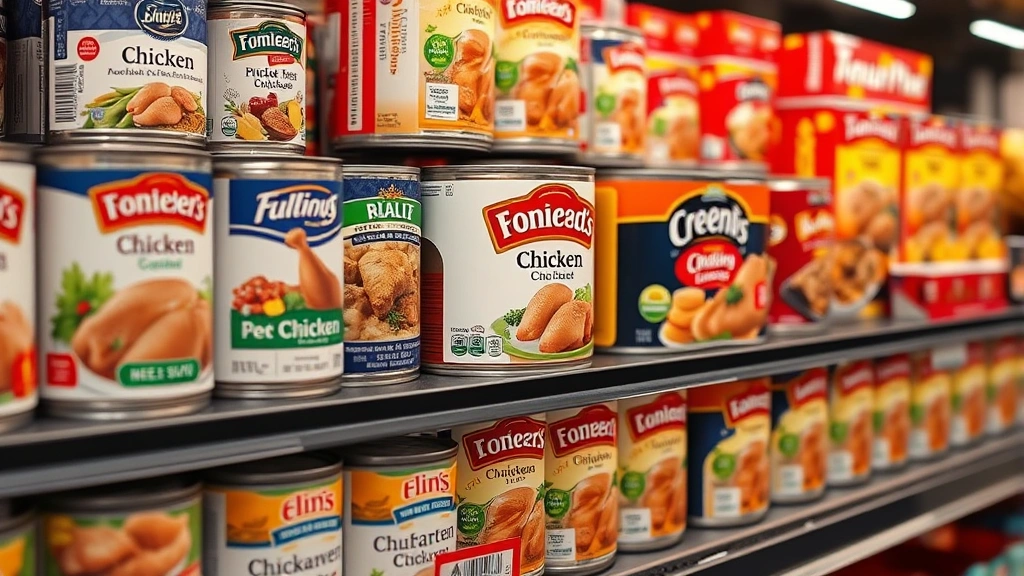
When you crack open a can of chicken, you’re not just getting pure poultry goodness. Most commercial canned chicken contains added sodium (sometimes 300-400mg per serving), preservatives like BPA in the can lining, and occasionally added oils or broths. Your dog’s kidneys aren’t equipped to handle the same sodium levels humans can tolerate. For context, a medium-sized dog only needs about 200mg of sodium daily, while one serving of canned chicken might exceed that in one sitting.
The best canned chicken options are those labeled “no salt added” or “low sodium.” These are rare unicorns in the grocery store, but they exist. Some pet owners swear by human-grade canned chicken from brands that cater to health-conscious eaters, though these cost more than standard options.
The Sodium Problem: Why Salt Is Your Dog’s Enemy
Here’s where things get spicy—and not in a good way. Excessive sodium intake in dogs can lead to increased thirst, increased urination, and in severe cases, sodium ion poisoning. Dogs with existing heart conditions, kidney disease, or hypertension should absolutely avoid regular canned chicken. Even healthy dogs shouldn’t make it a dietary staple because the sodium accumulates over time.
Think of it like this: one can of chicken might be fine as an occasional treat, but feeding it regularly is like your dog smoking cigarettes—technically survivable short-term, but not a lifestyle choice you should encourage. If you’re considering can dogs eat chicken as a regular addition to their diet, fresh or frozen options are infinitely better.
Safe Ways to Use Canned Chicken for Dogs
If you’ve got canned chicken in your pantry and want to use it responsibly, here’s the game plan:
Rinse It Thoroughly: Drain the liquid and rinse the chicken under cold water for 30 seconds. This removes about 50% of the sodium content. Not perfect, but better than nothing.
Mix It Sparingly: Use canned chicken as a topper for kibble (no more than 10% of their daily caloric intake) rather than a meal replacement. A tablespoon mixed into their regular food occasionally won’t hurt.
Check the Label Obsessively: Look for “no salt added,” “low sodium,” or ideally, products with fewer than 100mg sodium per serving. Some brands market specifically to pet owners—these are your friends.
Avoid Flavored Varieties: Canned chicken in broth, with seasonings, or “chicken in gravy” is a hard no. These contain garlic, onions, or excessive salt that can harm dogs.
Comparing Canned Chicken to Other Protein Sources
Let’s be real: canned chicken isn’t the MVP of dog nutrition. Fresh cooked chicken (boiled or baked with no seasoning) is superior because you control exactly what goes into it. Frozen chicken is also better than canned. Ground turkey, beef, and fish all offer comparable or better nutritional profiles without the sodium baggage.
If you’re looking for vet-approved human foods for pets, your veterinarian will likely recommend fresh options over canned. That said, canned chicken beats ultra-processed dog treats with mystery meat ingredients, so if you’re choosing between canned chicken and some sketchy treat from the dollar store, canned chicken wins.

Signs Your Dog Has Eaten Too Much Sodium
Watch for these red flags if your dog has consumed excessive canned chicken:
- Excessive thirst and frequent urination
- Vomiting or diarrhea
- Lethargy or unusual behavior
- Swelling in the face or limbs (severe cases)
- Seizures (very rare but possible with extreme sodium toxicity)
If your dog shows any of these symptoms, contact your vet immediately. Don’t panic if they ate a can once—most dogs can handle a one-time indiscretion. It’s the chronic consumption that causes problems.
Best Practices for Dog Nutrition: Beyond Canned Chicken
Rather than relying on canned chicken, build a nutrition strategy around whole foods. Fresh chicken, sweet potatoes, carrots, and green beans create a balanced, low-sodium meal that your dog will actually thrive on. Many vets now recommend incorporating fresh foods into your dog’s diet alongside quality kibble.
If convenience is your concern (and let’s face it, who has time to meal prep for their dog?), consider frozen chicken that you thaw and serve. Or invest in a good quality dog food that lists whole chicken as the first ingredient rather than chicken meal or by-products. Your dog’s energy levels, coat quality, and overall health will improve dramatically.
Special Considerations for Senior Dogs and Puppies
Senior dogs with existing health conditions should never eat regular canned chicken. Their kidneys are already working overtime, and excess sodium accelerates decline. Puppies, conversely, need balanced nutrition for proper development—canned chicken’s nutritional profile is too sodium-heavy and lacks the calcium-phosphorus balance puppies need.
If you have a senior dog and want to add protein variety, consult your vet about fresh options. Many seniors do better on lower-sodium, higher-quality diets as they age. Puppies should stick to quality puppy formulas designed specifically for their developmental needs.
Reading Can Labels Like a Pro
Become a label detective. Here’s what to look for:
- Sodium Content: Under 100mg per serving is acceptable; under 50mg is ideal
- Ingredients: Should list “chicken” as the first ingredient, not “chicken broth” or “water”
- Additives: Avoid BPA-lined cans if possible; look for BPA-free cans or pouches
- Expiration Dates: Always check—oxidation increases over time
Some brands like Vital Essentials and Primal offer frozen or freeze-dried options that are safer than traditional canned chicken. Yes, they cost more, but your dog’s health is worth the investment.
When Canned Chicken Actually Makes Sense
There are legitimate scenarios where canned chicken is useful:
- Emergency Situations: If you’re traveling and forgot dog food, rinsed canned chicken is better than nothing
- Picky Eaters: Sometimes a little canned chicken mixed in tempts dogs to eat their kibble
- Training Treats: Small amounts can be used for training treats from human food if you rinse thoroughly
- Recovery Periods: Some vets recommend canned chicken during recovery from illness (usually specific low-sodium brands)
In these cases, it’s a tool, not a staple. Use it strategically, not as your dog’s primary protein source.
Expert Recommendations and What Veterinarians Say
The American Veterinary Medical Association (AVMA) doesn’t specifically condemn canned chicken, but they recommend whole, fresh foods as the foundation of canine nutrition. According to PetMD, occasional canned chicken is acceptable if it’s low-sodium and rinsed, but shouldn’t exceed 10% of daily calories. The AAFCO (Association of American Feed Control Officials) sets nutritional standards for dog food but doesn’t regulate home-prepared meals, so when you’re adding canned chicken, you’re taking responsibility for balanced nutrition.
Most veterinary nutritionists recommend consulting with a vet before making significant dietary changes. If you want to incorporate canned chicken regularly, ask your vet about formulating a balanced diet that includes it safely.
Frequently Asked Questions
Can I give my dog canned chicken every day?
Not regular canned chicken with added sodium. If you use no-salt-added varieties and rinse thoroughly, occasional daily use (small amounts as a topper) might be okay, but fresh chicken is always better. Consult your vet before making it a daily habit.
Is canned chicken in water better than canned chicken in broth?
Slightly, yes. Water-packed canned chicken has less sodium than broth varieties. However, you should still rinse both thoroughly and check the sodium content on the label.
What’s the difference between canned chicken for dogs and canned chicken for humans?
Legally, nothing—it’s the same product. However, brands marketed for pets sometimes have lower sodium. Always check the label regardless of marketing claims.
Can canned chicken cause pancreatitis in dogs?
Not directly from the chicken itself, but if the canned chicken contains added oils or fats, excessive amounts could contribute to pancreatitis in susceptible dogs. Stick to plain varieties and use sparingly.
My dog ate a whole can of regular canned chicken. Should I panic?
One can won’t cause immediate poisoning in most dogs, but monitor for increased thirst and urination. If your dog shows signs of distress or has existing health conditions, call your vet. One incident isn’t a disaster, but it shouldn’t become a habit.
Are there dog-specific canned chicken products?
Yes, but they’re expensive and not always better than checking labels on human products. Some pet brands offer canned chicken with added vitamins and minerals, which could be worth it if your vet recommends supplementation.
The Final Verdict: Is Canned Chicken Good for Dogs?
Here’s the honest truth: plain, low-sodium, thoroughly rinsed canned chicken is *acceptable* for dogs in small, occasional amounts. It’s not toxic, it’s not evil, and it won’t destroy your dog’s health if used responsibly. But it’s not ideal, and it shouldn’t be your go-to protein source.
Fresh or frozen chicken, prepared without seasoning, is always superior. If you’re committed to human food alternatives for pets, invest in quality ingredients that don’t come with sodium baggage. Your dog will thank you with better energy, a shinier coat, and fewer trips to the vet.
The bottom line: canned chicken is fine in a pinch, acceptable as an occasional treat, but shouldn’t be a dietary foundation. When in doubt, ask your vet. They know your dog’s specific health situation and can give personalized advice that generic internet articles can’t.
Your pup deserves better than processed sodium bombs, even if they’re delicious ones. Treat canned chicken like the occasional indulgence it is, not the nutritional cornerstone of your dog’s diet. Your dog’s kidneys will appreciate the consideration.





