

So, is cheese good for dogs? The short answer is: it depends. While cheese isn’t toxic to most dogs, it’s not exactly a superfood either. Think of it more like that friend who’s fun to hang out with occasionally but probably shouldn’t move in with you. Let’s dig into the cheesy details (pun absolutely intended) to help you make the best decisions for your furry best friend.
Table of Contents
- Can Dogs Eat Cheese at All?
- Nutritional Content: What’s Actually in That Cheese?
- Lactose Intolerance in Dogs: The Digestive Reality
- Types of Cheese: Which Ones Are Safest?
- The Weight Management Concern
- Cheese as a Training Tool: Is It Worth It?
- Allergies and Sensitivities: When Cheese Becomes Dangerous
- Portion Size: The “Tiny” Rule
- Safer Alternatives to Cheese Treats
- What the Experts Say
- Special Considerations for Puppies and Senior Dogs
- The Bottom Line: Should You Give Your Dog Cheese?
- Frequently Asked Questions
- Conclusion
Can Dogs Eat Cheese at All?
Yes, most dogs can technically eat cheese without immediately keeling over. Unlike chocolate or grapes, cheese won’t poison your pup. However, there’s a crucial caveat: many adult dogs are lactose intolerant. When dogs transition from puppyhood to adulthood, they often lose the ability to digest lactose properly—the same sugar found in milk and cheese. This means that while your dog might beg for that cheddar cube with the intensity of a tiny furry lawyer, their digestive system might stage a protest later.
The good news? Some cheeses are lower in lactose than others, making them safer options for your canine companion. Harder cheeses like cheddar, Swiss, and Parmesan have less lactose than softer varieties because of how they’re processed. It’s like the difference between a regular soda and diet soda—not perfect, but better.
Nutritional Content: What’s Actually in That Cheese?
Cheese does offer some nutritional benefits, which is why it can work as an occasional treat. It contains protein, calcium, and vitamin B12—all things dogs need. However, cheese also packs a serious caloric punch and is loaded with fat and sodium. A single ounce of cheddar cheese contains about 110 calories and 9 grams of fat. For a small 10-pound dog, that’s like you eating a slice of pizza in one sitting.
The real issue? Cheese is calorie-dense and nutritionally unbalanced for dogs. It’s like giving your pup junk food—sure, they’ll love it, but it doesn’t provide complete nutrition and can quickly contribute to weight gain. If you’re considering cheese as part of your dog’s diet, you need to account for those calories by reducing their regular food intake, which most pet owners don’t do.
Lactose Intolerance in Dogs: The Digestive Reality
Here’s where things get interesting from a veterinary standpoint. Most adult dogs produce less lactase—the enzyme that breaks down lactose—as they age. This is completely normal and affects roughly 60% of dogs to some degree. When a lactose-intolerant dog eats cheese, the undigested lactose passes into the colon, where bacteria ferment it, causing gas, bloating, diarrhea, and general digestive discomfort.
The symptoms might not appear immediately. Sometimes your dog will seem fine after eating cheese, then surprise you with explosive diarrhea six hours later. Fun times, right? This is why it’s essential to know your individual dog’s tolerance level. Some dogs handle small amounts of cheese without issue, while others react to even tiny portions.
If you want to test your dog’s tolerance, start with a very small piece of hard cheese and monitor them for 24 hours. Look for signs of digestive upset like loose stools, excessive gas, vomiting, or behavioral changes. If your dog handles it well, you might be able to offer cheese occasionally—but that doesn’t mean you should make it a regular habit.
Types of Cheese: Which Ones Are Safest?
Not all cheese is created equal when it comes to dog safety. Here’s the breakdown:
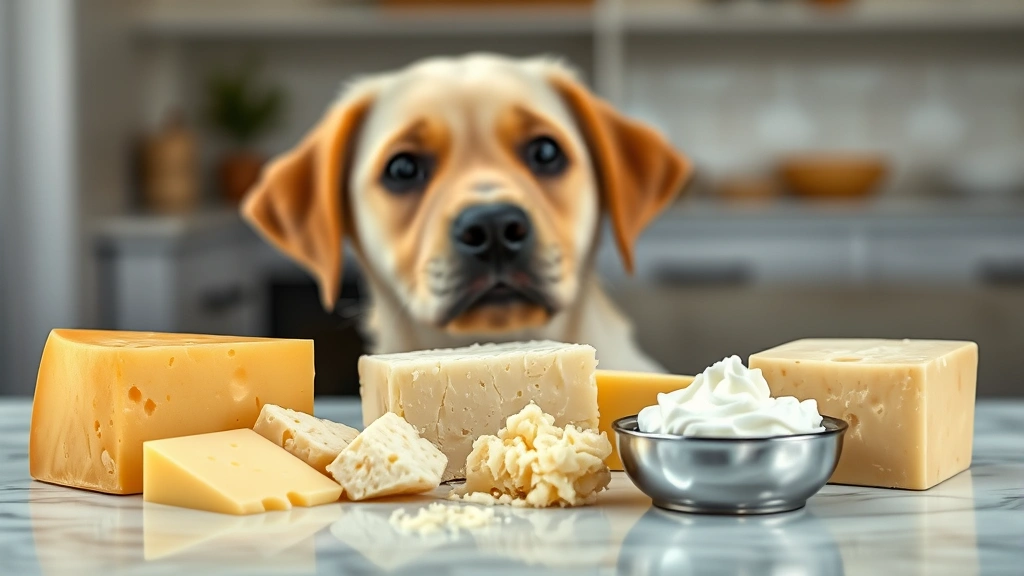
Safest Options (Lower Lactose): Cheddar, Swiss, Parmesan, and other hard aged cheeses are your best bets if you’re going to give cheese at all. The aging process reduces lactose content significantly. A tiny piece of Parmesan as an occasional treat is generally considered safer than a chunk of mozzarella.
Moderate Risk: Mozzarella, feta, and goat cheese contain moderate amounts of lactose and fat. They’re not ideal, but a small amount occasionally might be tolerable for some dogs.
High Risk: Cream cheese, cottage cheese, and soft cheeses like brie are higher in lactose and fat. Avoid these for lactose-intolerant dogs. Also, never give your dog any cheese with added ingredients like garlic, onions, or excessive salt—these can be genuinely toxic.
Check out our guide on safe human snacks for pets to see other treat options that might be better choices than cheese.
The Weight Management Concern
Let’s talk about the elephant in the room (or should we say, the chubby dog on the couch?). Obesity in dogs is a serious health issue affecting roughly 56% of dogs in the United States. Excess weight contributes to diabetes, joint problems, heart disease, and a shortened lifespan. Every calorie counts, especially for smaller dogs.
If your dog is already overweight or at risk for weight gain, cheese is basically the enemy. Even small pieces add up quickly, and many pet owners use cheese as a training treat without adjusting their dog’s overall calorie intake. This is a recipe for a chunky pup and expensive vet bills down the road.
For dogs needing weight management, consider human foods for weight management in pets that offer better nutritional value with fewer calories.
Cheese as a Training Tool: Is It Worth It?
Many trainers recommend using high-value treats like cheese to reinforce commands and positive behaviors. The logic is sound—dogs love it, it’s easy to portion, and it gets results. However, there are better alternatives that accomplish the same goal without the dietary drawbacks.
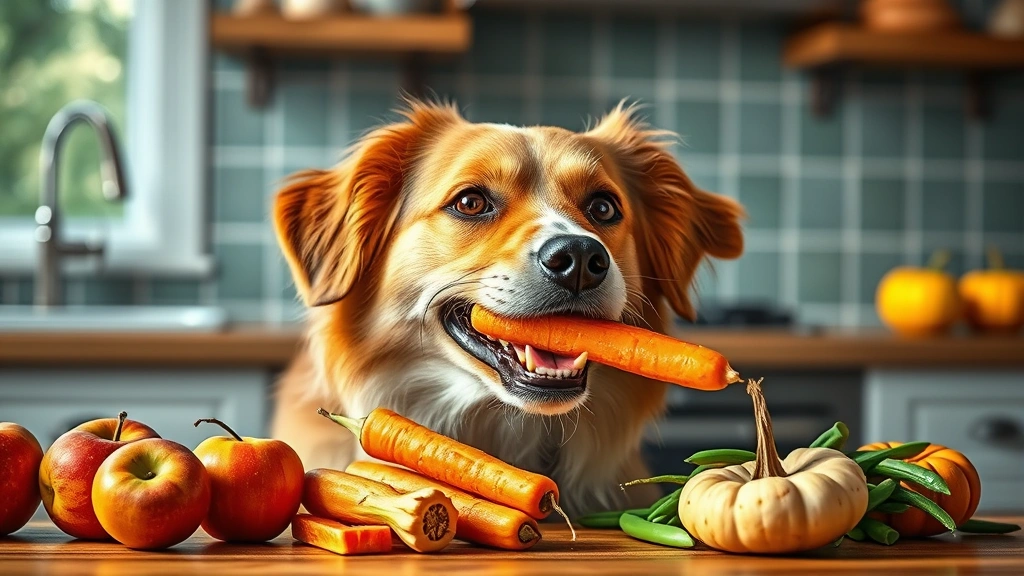
Consider using small pieces of cooked chicken, turkey, or lean beef instead. These protein-rich options are lower in fat, contain no lactose, and dogs find them equally rewarding. You could also use tiny pieces of apple or carrot for a lower-calorie option. The key is finding what your individual dog responds to best while keeping their overall health in mind.
If you do decide to use cheese for training, make sure you’re reducing your dog’s regular food portions to account for the extra calories. This is the part most people skip, which is why training treats often become a gateway to canine obesity.
Allergies and Sensitivities: When Cheese Becomes Dangerous
Beyond lactose intolerance, some dogs have genuine dairy allergies or sensitivities. This is different from lactose intolerance and involves the dog’s immune system reacting to milk proteins. Symptoms can include itching, skin rashes, ear infections, vomiting, diarrhea, or respiratory issues.
If your dog has a history of food allergies, digestive issues, or skin problems, cheese is probably not your friend. Some dogs with sensitive systems react to dairy even in small amounts. This is where knowing your dog’s individual health profile becomes crucial.
Learn more about potential reactions in our article on food allergies in pets to better understand your dog’s specific needs.
Portion Size: The “Tiny” Rule
If your vet gives you the green light and your dog tolerates cheese without digestive upset, the golden rule is: keep portions tiny. We’re talking about a piece roughly the size of a pea for small dogs and maybe a small dice-sized cube for larger dogs. This is enough to make your dog happy without causing nutritional imbalance or weight gain.
Think of cheese as an occasional treat, not a regular food item. Maybe once or twice a week, not daily. And always choose harder cheeses with lower lactose content. Your dog doesn’t need cheese to be happy and healthy—they need you, exercise, proper nutrition, and love. The cheese is just a bonus.
Safer Alternatives to Cheese Treats
If you’re looking for treat options that pack more nutritional punch and fewer digestive risks, consider these alternatives:
- Plain Cooked Chicken: Protein-rich, low-fat, and dogs love it
- Carrots: Low-calorie, great for teeth cleaning, and full of nutrients
- Apples (without seeds): Refreshing, low-calorie, and good for digestion
- Plain Pumpkin: Great for digestive health and low in calories
- Green Beans: Low-calorie, nutritious, and safe for most dogs
- Plain Yogurt (small amounts): If your dog tolerates dairy, plain yogurt has probiotics
Explore more options in our comprehensive guide on human food alternatives for pets.
What the Experts Say
The American Kennel Club (AKC) acknowledges that cheese can be given to dogs in moderation, but emphasizes that it should be a rare treat, not a dietary staple. PetMD veterinarians similarly recommend limiting cheese due to lactose content and high fat levels. Most veterinary professionals agree that while cheese isn’t inherently toxic, it’s not necessary for a dog’s diet and can cause problems if given too frequently.
The consensus among veterinary nutritionists is clear: there are better treat options available that offer more nutritional value with fewer potential downsides.
Special Considerations for Puppies and Senior Dogs
Puppies have better lactase production than adult dogs, so they generally tolerate cheese better. However, this doesn’t mean you should use it as a regular treat. Puppies are growing and developing, and their caloric needs are specific to support that growth. Extra cheese can throw off their nutritional balance.
Senior dogs often have more sensitive digestive systems and may be more prone to lactose intolerance. Additionally, many older dogs are prone to weight gain and health conditions like pancreatitis, which can be triggered or worsened by high-fat foods like cheese. For senior pups, it’s best to skip the cheese entirely and stick with safer, more nutritious options.
The Bottom Line: Should You Give Your Dog Cheese?
So, is cheese good for dogs? It’s not inherently bad, but it’s not particularly good either. It’s a gray area treat that works for some dogs in tiny amounts but poses digestive and nutritional risks for many others. Before giving your dog any cheese, consider these questions:
- Is my dog lactose tolerant? (The only way to know is to try a tiny piece and observe)
- Is my dog at a healthy weight, or does she need to lose weight?
- Does my dog have any existing digestive issues or food sensitivities?
- Am I prepared to reduce my dog’s regular food intake to account for the extra calories?
- Are there better treat alternatives that would provide more nutritional value?
If you answered “yes” to most of these questions, and your vet approves, then a tiny piece of hard cheese occasionally might be okay. If you answered “no” to any of them, skip the cheese and choose something healthier.
Frequently Asked Questions
Can puppies eat cheese?
Puppies have better lactase production than adult dogs, so they generally tolerate cheese better. However, it’s not recommended as a regular treat because puppies have specific nutritional needs for growth and development. A tiny piece occasionally won’t hurt, but there are better options available.
Is mozzarella cheese safe for dogs?
Mozzarella is softer and contains more lactose than hard aged cheeses, making it a moderate risk for lactose-intolerant dogs. If you choose to give mozzarella, use only a very small piece and monitor your dog for digestive upset. Harder cheeses like cheddar or Parmesan are safer choices.
What should I do if my dog eats a lot of cheese accidentally?
If your dog accidentally consumed a large amount of cheese, monitor them closely for signs of digestive upset like vomiting, diarrhea, or abdominal discomfort. Most cases resolve on their own, but if symptoms persist or worsen, contact your veterinarian. Avoid giving more food for a few hours to let their digestive system settle.
Can cheese cause pancreatitis in dogs?
High-fat foods like cheese can trigger pancreatitis in susceptible dogs, especially those with a history of the condition. Dogs with pancreatitis or those at risk should avoid cheese entirely. If your dog has had pancreatitis, consult your vet before offering any high-fat treats.
Is cream cheese safe for dogs?
Cream cheese is higher in lactose and fat than hard cheeses, making it a poor choice for dogs. It offers little nutritional benefit and poses greater digestive risks. Avoid cream cheese and stick with harder, aged varieties if you choose to give cheese at all.
What’s a safe amount of cheese for a dog?
If your vet approves and your dog tolerates it, a piece roughly the size of a pea for small dogs or a small dice-sized cube for larger dogs is appropriate. This should be given occasionally (once or twice weekly at most) and should be deducted from your dog’s regular daily calorie intake.
Are there dogs that shouldn’t eat cheese at all?
Yes. Dogs with lactose intolerance, dairy allergies, digestive sensitivities, pancreatitis, obesity, or a history of food-related health issues should avoid cheese entirely. Senior dogs and those on restricted diets should also skip it in favor of safer alternatives.
Can I use cheese for dog training?
While cheese works as a high-value training treat, there are better alternatives that provide more nutritional value with fewer risks. Cooked chicken, turkey, or lean beef are excellent protein-rich options that dogs find equally rewarding without the lactose and fat concerns.
Conclusion
Is cheese good for dogs? The honest answer is that it’s neither essential nor particularly beneficial for most dogs. While it’s not toxic and some dogs can tolerate small amounts, the potential downsides—lactose intolerance, high fat content, excessive calories, and digestive upset—often outweigh any benefits.
If your dog loves cheese and tolerates it well, an occasional tiny piece of hard cheese like cheddar or Parmesan won’t hurt. However, if you’re looking for treat options that are healthier, safer, and more nutritious, there are plenty of alternatives available. The key is knowing your individual dog’s tolerance level, maintaining their healthy weight, and prioritizing their long-term health over short-term food excitement.
Always consult with your veterinarian before introducing new foods into your dog’s diet, especially if your pup has any existing health conditions or dietary sensitivities. Your vet knows your dog’s individual needs better than anyone and can provide personalized guidance on what treats are appropriate for your furry friend.





