
Is creeping thyme safe for dogs? The short answer is yes, but with some important caveats that every dog owner should know before letting Fido nibble on your garden herbs.
Table of Contents
- What Exactly Is Creeping Thyme?
- Is Creeping Thyme Toxic to Dogs?
- Understanding Culinary Thyme vs. Creeping Thyme for Dogs
- When Creeping Thyme Becomes a Problem for Dogs
- Garden Safety: Protecting Your Dog from Harmful Substances
- Signs Your Dog Has Eaten Too Much Creeping Thyme
- Creeping Thyme and Specific Dog Breeds
- Can Dogs Actually Benefit from Creeping Thyme?
- Best Practices for a Dog-Safe Garden
- Other Herbs and Plants to Be Cautious About
- What Vets Actually Say About Creeping Thyme
- Frequently Asked Questions
- Summary: The Bottom Line on Creeping Thyme and Dogs
If you’re a dog parent who loves gardening, you’ve probably wondered whether your furry friend can safely hang out around your herb beds without turning into a furry salad bar. Creeping thyme is a popular ground cover plant that smells amazing, looks gorgeous, and is loved by gardeners everywhere. But when you have a curious canine companion, you need to know what’s safe and what’s not. Let’s dig into this topic and give you the peace of mind you deserve.
What Exactly Is Creeping Thyme?
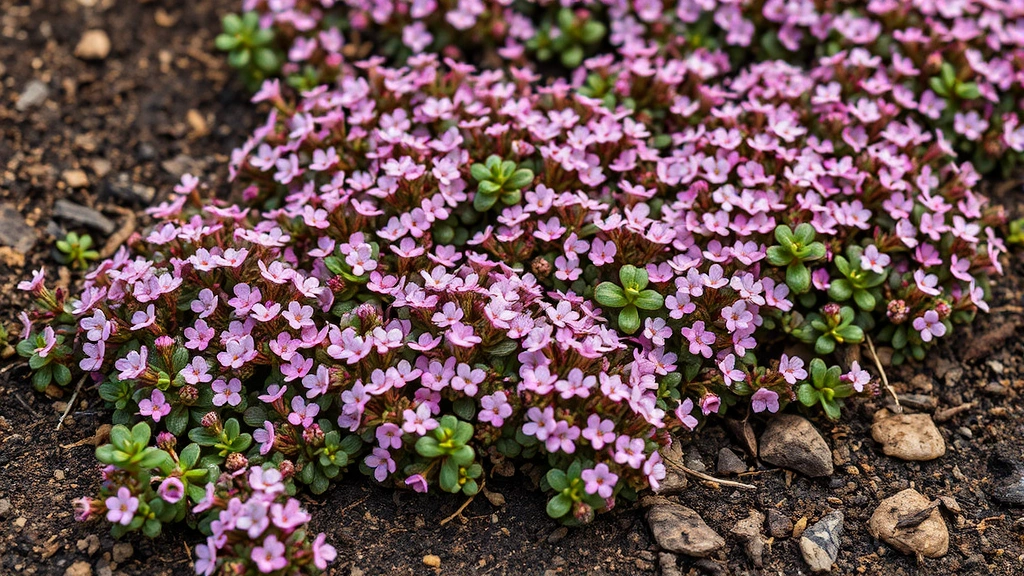
Creeping thyme (Thymus serpyllum) is a low-growing, woody perennial plant that spreads across the ground like a fragrant carpet. It’s not the same as the culinary thyme you use in your kitchen, though they’re cousins in the herb family. This plant features tiny leaves, delicate flowers in shades of pink, purple, or white, and a strong aromatic scent that’s absolutely divine. Gardeners adore it for ground cover, rock gardens, and pathway edging because it’s hardy, drought-tolerant, and attracts pollinators.
Is Creeping Thyme Toxic to Dogs?
Here’s the good news: creeping thyme is not toxic to dogs. According to the American Kennel Club, creeping thyme is generally safe for canine consumption. Unlike some herbs that can cause serious health issues, creeping thyme won’t poison your pup if they decide to munch on it. Your dog’s digestive system can handle small amounts of this herb without any problems.

However, “safe” doesn’t always mean “encouraged.” There’s a difference between something being non-toxic and something being beneficial for your dog’s health. We’ll explore that distinction in detail.
Understanding Culinary Thyme vs. Creeping Thyme for Dogs
The thyme you use in cooking (common thyme or culinary thyme) is different from creeping thyme, though they’re related. Both are generally safe for dogs in small quantities. However, the essential oils in thyme can be problematic in large amounts or concentrated forms. If you’re considering giving your dog thyme-based supplements or essential oils, that’s a different story entirely—always consult your vet first. For more information on herbs that are safe for your pets, check out our comprehensive guide on herbs safe for pets.
When Creeping Thyme Becomes a Problem for Dogs
While creeping thyme itself isn’t toxic, there are situations where it can cause issues for your four-legged friend. If your dog eats large quantities of creeping thyme, they might experience mild gastrointestinal upset. We’re talking about stomach irritation, vomiting, or diarrhea—the usual digestive drama that happens when dogs eat something unusual.

The thymol and carvacrol compounds in thyme can be irritating to the digestive tract in excessive amounts. Additionally, if your creeping thyme has been treated with pesticides or fertilizers, that’s where the real danger lies. Many garden chemicals are definitely not dog-friendly, so make sure your plants are grown organically if your pup has access to them.
Garden Safety: Protecting Your Dog from Harmful Substances
The bigger concern isn’t the creeping thyme itself—it’s what you’ve put on it. Pesticides, herbicides, and chemical fertilizers are genuinely dangerous for dogs. If you’re using conventional gardening products, keep your dog away from treated areas until they’ve dried completely. Even better, switch to organic gardening methods if you have a dog who loves to explore the garden.
Consider creating a dedicated dog-safe zone in your yard where you know nothing toxic has been applied. You could plant dog-friendly herbs and vegetables there. For more information on what’s safe to plant, explore our guide on safe vegetables for dogs.

Signs Your Dog Has Eaten Too Much Creeping Thyme
If your dog has munched on creeping thyme and you’re worried, watch for these symptoms:
- Vomiting or retching
- Diarrhea or loose stools
- Excessive drooling
- Loss of appetite
- Lethargy or unusual tiredness
- Abdominal discomfort or bloating
Most dogs who eat small amounts of creeping thyme experience no symptoms at all. If your pup does show signs of digestive upset, it’s usually mild and resolves on its own within 24 hours. However, if symptoms persist or worsen, contact your veterinarian.
Creeping Thyme and Specific Dog Breeds
Some dog breeds are more prone to digestive sensitivities than others. Small breeds like Chihuahuas, Toy Poodles, and Yorkshire Terriers might have more delicate systems. Dogs with pre-existing gastrointestinal issues, allergies, or sensitivities should definitely avoid creeping thyme. If your dog has a history of eating plants and getting sick, it’s better to be safe and prevent access to creeping thyme altogether.

Puppies are also more vulnerable because their digestive systems are still developing. Keep young dogs away from creeping thyme until they’re fully grown, just to be on the safe side.
Can Dogs Actually Benefit from Creeping Thyme?
Now, here’s an interesting question: can creeping thyme actually be good for dogs? In traditional medicine and some holistic practices, thyme has been used for its antimicrobial and antioxidant properties. However, there’s limited scientific evidence supporting the use of thyme as a health supplement for dogs.
If you’re interested in adding herbs to your dog’s diet for health benefits, that’s something to discuss with your veterinarian. They might recommend specific herbs with proven benefits, or they might suggest a different approach entirely. Never self-prescribe herbal remedies for your dog without professional guidance.

Best Practices for a Dog-Safe Garden
Want to keep your garden beautiful while keeping your dog safe? Here are some practical tips:
- Fence off herb gardens: Create a physical barrier between your dog and areas where you’re growing herbs.
- Choose dog-safe plants: Plant dog-friendly herbs and vegetables in accessible areas. Check out our spices safe for pets guide for more options.
- Avoid toxic plants: Keep dogs away from plants like sago palm, lilies, oleander, and foxglove.
- Skip the chemicals: Use organic gardening methods to avoid pesticide exposure.
- Provide alternatives: Give your dog safe chewing options like designated dog toys or safe herbs they can enjoy.
- Train your dog: Teach your pup to stay away from garden areas using positive reinforcement.
Other Herbs and Plants to Be Cautious About
While creeping thyme is safe, many other common garden herbs and plants are not. Garlic and onions are toxic to dogs, as are certain plants like sago palm and lilies. For a detailed look at plant toxicity, check out our article on garlic toxicity in pets. Always research plants before bringing them into your yard if you have a dog.
What Vets Actually Say About Creeping Thyme
According to PetMD, creeping thyme is generally recognized as safe for dogs in small quantities. The consensus among veterinarians is that accidental ingestion of creeping thyme is not an emergency. However, vets also emphasize that just because something is safe doesn’t mean it should be a regular part of your dog’s diet.

Most veterinarians recommend preventing unnecessary plant consumption altogether. The safest approach is to discourage your dog from eating plants, even safe ones, because you never know what else they might munch on or how their individual digestive system will react.
Frequently Asked Questions
Can my dog eat creeping thyme leaves?
Yes, small amounts of creeping thyme leaves are safe for dogs. However, it’s not recommended as a regular treat or dietary supplement. If your dog accidentally eats some while playing in the garden, don’t panic—it’s unlikely to cause serious harm.
What should I do if my dog ate a large amount of creeping thyme?
Monitor your dog for signs of gastrointestinal upset like vomiting or diarrhea. If your dog shows mild symptoms, they usually resolve within 24 hours. If symptoms persist, worsen, or your dog seems lethargic, contact your veterinarian immediately.

Is creeping thyme safer than other types of thyme for dogs?
Creeping thyme and culinary thyme are both generally safe for dogs in small amounts. The safety level is comparable between the two varieties. The main concern with any thyme is excessive consumption or contamination with pesticides.
Can I use creeping thyme as a natural flea treatment for my dog?
While thyme has antimicrobial properties, it’s not proven as an effective flea treatment for dogs. Never use thyme or any herbal remedy as a substitute for veterinarian-recommended flea prevention. Always consult your vet before trying natural remedies on your dog.
Should I worry if my dog rolls in creeping thyme?
Rolling in creeping thyme is generally harmless. Dogs often roll in plants to mask their scent or because they enjoy the texture and smell. Unless your dog is eating large quantities, rolling in creeping thyme shouldn’t cause problems. Just make sure the plant hasn’t been treated with chemicals.

What’s the difference between creeping thyme toxicity and other toxic plants?
Creeping thyme is non-toxic, meaning it won’t poison your dog. Many other common plants like lilies, sago palms, and certain mushrooms are genuinely toxic and can cause serious illness or death. For a comprehensive overview of safe options, check out our guide on vet approved human foods for pets.
Summary: The Bottom Line on Creeping Thyme and Dogs
Is creeping thyme safe for dogs? Absolutely, yes. This popular garden herb is non-toxic and won’t harm your dog if they accidentally munch on it. However, safe doesn’t mean your dog should be encouraged to eat it regularly. The best approach is to prevent unnecessary plant consumption while maintaining a beautiful, dog-friendly garden.
Focus on creating a safe outdoor environment by using organic gardening methods, fencing off treated areas, and choosing dog-safe plants. If your dog does eat creeping thyme, don’t panic—mild symptoms are rare and usually resolve quickly. For any concerns about your specific dog’s health or dietary needs, always consult with your veterinarian.
Your garden can be both beautiful and safe for your furry friend. It just takes a little planning and awareness. Happy gardening, and enjoy watching your pup play safely in your yard!





