
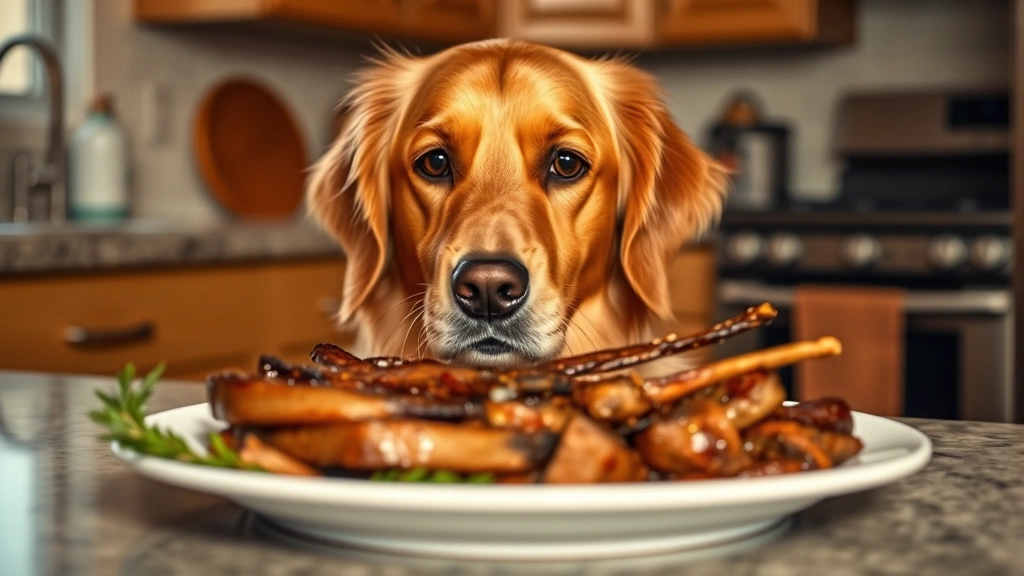
So you’re wondering if is deer meat good for dogs—maybe you’ve got a hunter in the family, or you’re curious about raw feeding trends. The short answer? It’s complicated, but mostly yes with some serious caveats. Let’s dig into what you actually need to know before sharing venison with your furry best friend.
Table of Contents
- The Nutritional Case for Venison
- Raw Venison: The Parasite Problem Nobody Talks About
- Cooked Venison Is Your Safest Bet
- Hunting Season Hazards: Bullets, Lead, and Gut Bacteria
- Venison for Dogs with Allergies and Sensitivities
- Portion Control and Feeding Guidelines
- Venison Bones: A Separate Conversation
- When Venison Becomes a Problem
- Commercial Venison Dog Foods vs. Whole Venison
- The Bottom Line: Vet Approval First
- Frequently Asked Questions
- Summary: The Verdict on Venison for Dogs
The Nutritional Case for Venison
Deer meat is legitimately nutrient-dense. It’s packed with high-quality protein, B vitamins, iron, and zinc—all things dogs need to thrive. Compared to beef, venison is actually leaner and contains more omega-3 fatty acids. For working dogs or active pups, the protein content can be genuinely beneficial. Many premium dog food brands actually include venison as a primary ingredient because it’s a digestible, nutrient-rich option.
The real appeal for dog owners is that venison is a novel protein, meaning it’s less likely to trigger allergies in dogs with sensitivities. If your pup has been having digestive issues with chicken or beef, venison might actually be worth exploring—though always check with your vet first.
Raw Venison: The Parasite Problem Nobody Talks About
Here’s where things get sketchy. If you’re thinking about giving your dog raw venison (like in a raw feeding diet), you need to understand the parasite risk. Deer can carry parasites like Toxoplasma gondii, tapeworms, and other nasties that can make your dog seriously ill. Raw feeding proponents argue that dogs have stronger stomach acid to handle this, but that’s not universally true—and the risk still exists.
Freezing venison at -4°F (-20°C) for 7 days can kill some parasites, but not all. This is why the American Veterinary Medical Association recommends cooking meat for dogs, period. If you’re dead-set on raw feeding, consult your vet about proper handling and sourcing.
Cooked Venison Is Your Safest Bet
Cooking venison eliminates most parasitic threats and makes it exponentially safer for dogs. Plain cooked venison—no seasoning, no garlic, no onions—is genuinely fine for dogs in moderation. You can boil it, bake it, or grill it without any added ingredients. Many dog owners use it as a training treat or meal topper, and honestly, most dogs lose their minds over it.
The key word here is moderation. Venison should be a supplement to a balanced diet, not the entire diet. Think of it like a premium treat, not a replacement for complete and balanced dog food. A few ounces a few times a week? Totally fine. Feeding it as the main protein source without nutritional balance? That’s where you run into problems.
Hunting Season Hazards: Bullets, Lead, and Gut Bacteria
If the venison came from a recent hunt, there’s another layer of concern: lead ammunition. Lead fragments from bullets can end up in the meat and cause lead poisoning in dogs (and humans, for that matter). This is a legitimate public health issue that doesn’t get enough attention. If you’re getting venison from a hunter, ask specifically about ammunition type and processing methods.
There’s also the gut bacteria issue. If the deer wasn’t processed immediately or properly, bacterial growth like E. coli or Salmonella can flourish. This is why pet food safety matters just as much with wild game as it does with store-bought meat. Always ask about how and when the animal was processed.
Venison for Dogs with Allergies and Sensitivities
Dogs with chicken or beef allergies often do really well with venison. It’s a novel protein that many allergic dogs haven’t been exposed to, so it doesn’t trigger the same immune response. If your pup is on an elimination diet or dealing with chronic itching and digestive issues, venison might genuinely help. This is one area where venison really shines compared to more common proteins.
However, food allergies are complex. Just because venison is novel doesn’t mean it won’t develop into an allergen over time if fed constantly. Rotate proteins, and don’t assume venison is a permanent solution. Check out our guide on human foods for pets with food allergies for more allergy-friendly options.
Portion Control and Feeding Guidelines
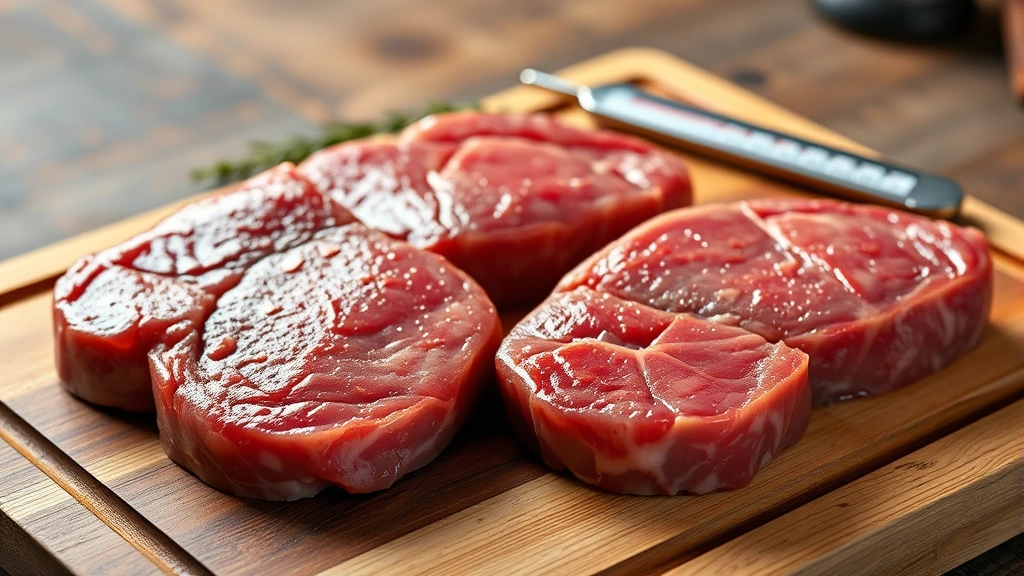
If you’re adding cooked venison to your dog’s diet, the general rule is that treats (including table scraps and special meats) should make up no more than 10% of daily caloric intake. For a 50-pound dog eating about 1,000 calories daily, that’s roughly 100 calories from treats—maybe 2-3 ounces of venison.
Don’t just dump a pile of venison in the bowl and hope for the best. Mix it with their regular food, use it as a training reward, or serve it as an occasional meal topper. This prevents digestive upset and maintains nutritional balance. If your dog has a sensitive stomach, introduce venison gradually over a week or so.
Venison Bones: A Separate Conversation
Venison bones are a completely different beast. Raw meaty bones can be beneficial for dental health and enrichment, but they also carry fracture risks and potential for impaction, especially in dogs with weak jaws or gulpers who don’t chew properly. Cooked venison bones should absolutely never be given to dogs—they splinter and can cause serious intestinal damage.
If you want to give venison bones, they should be raw, meaty, and appropriately sized for your dog. Supervise the entire time. Better yet, stick with the meat and skip the bones unless you’re really knowledgeable about raw feeding protocols.
When Venison Becomes a Problem
Watch for signs of digestive upset: vomiting, diarrhea, constipation, or lethargy after eating venison. Some dogs might have trouble digesting it, especially if they’re not used to rich proteins. If your dog shows any of these symptoms, when to call the vet about food becomes your next read.
Also watch for pancreatitis symptoms, which can be triggered by fatty meats. Venison is lean, so this is less of a concern than with beef or pork, but if your dog has a history of pancreatitis, check with your vet before introducing any new proteins.
Commercial Venison Dog Foods vs. Whole Venison
If you’re not comfortable handling raw venison or dealing with whole meat, commercial dog foods with venison are a solid alternative. They’re formulated to be nutritionally complete and balanced, which whole venison isn’t. Brands like Taste of the Wild and Orijen include venison as a primary ingredient, and they’ve been safety-tested.
The trade-off is cost and control—you don’t know exactly where the venison came from or how it was processed. But you do know it meets AAFCO standards for complete nutrition and has undergone quality control. For most dog owners, this is a reasonable middle ground.
The Bottom Line: Vet Approval First
Before you start serving venison to your dog, have a conversation with your vet. They know your dog’s health history, dietary needs, and any underlying conditions that might make venison a bad choice. Some dogs with kidney disease, for example, might need protein restrictions that make venison less ideal.
Your vet can also advise on proper sourcing, preparation, and portion sizes specific to your dog’s age, weight, and activity level. This isn’t overkill—it’s responsible pet ownership.
Frequently Asked Questions
Can dogs eat raw venison?
Technically yes, but it’s risky. Raw venison can carry parasites like Toxoplasma and tapeworms. If you insist on raw feeding, freeze venison at -4°F for 7 days and consult your vet about safe handling. Cooked venison is significantly safer.
Is venison better than beef for dogs?
Not necessarily better, just different. Venison is leaner, has more omega-3s, and is a novel protein that works great for allergic dogs. Beef is more nutrient-dense in some areas. Both are fine for dogs when prepared properly. Choose based on your dog’s individual needs.
How much venison can I give my dog?
Treats should be no more than 10% of daily calories. For a 50-pound dog, that’s roughly 2-3 ounces of cooked venison a few times weekly. Don’t use it as a meal replacement unless it’s part of a nutritionally balanced diet formulated by a vet.
Can venison cause pancreatitis in dogs?
Venison is lean, so pancreatitis risk is lower than with fatty meats like beef or pork. However, if your dog has a history of pancreatitis, check with your vet before introducing any new proteins, including venison.
What if my dog ate raw venison I didn’t know about?
Don’t panic immediately. Most dogs handle it fine. Monitor for vomiting, diarrhea, lethargy, or loss of appetite over the next few days. If symptoms appear, call your vet. If your dog seems fine after a week, they probably are—but mention it at the next checkup.
Is venison safe for puppies?
Cooked venison in small amounts is fine for puppies, but they need a complete and balanced diet formulated for growth. Don’t use venison as a primary protein source for puppies—they have specific nutritional requirements that whole meat doesn’t meet.
Summary: The Verdict on Venison for Dogs
Is deer meat good for dogs? Yes, when it’s cooked, sourced responsibly, and fed in moderation. Venison is nutritious, digestible, and genuinely useful for dogs with allergies. The risks—parasites, lead contamination, bacterial growth—are real but manageable with proper handling and preparation.
The takeaway: cooked venison is a great occasional treat or meal topper. Raw venison requires serious caution and vet guidance. Venison bones should either be raw and meaty (with supervision) or avoided entirely. Always check with your vet before making dietary changes, especially if your dog has health issues.
Your dog might go absolutely bananas for venison, and that’s fine. Just keep it in perspective as part of a balanced diet, not the whole diet. And if you’re sourcing from hunters, ask questions about ammunition, processing, and handling. Your dog’s health is worth the conversation.
For more on safe treats and feeding practices, check out our guide on safe human snacks for pets. And if your dog accidentally gets into something questionable, our resource on emergency vet for food poisoning has the info you need.





