
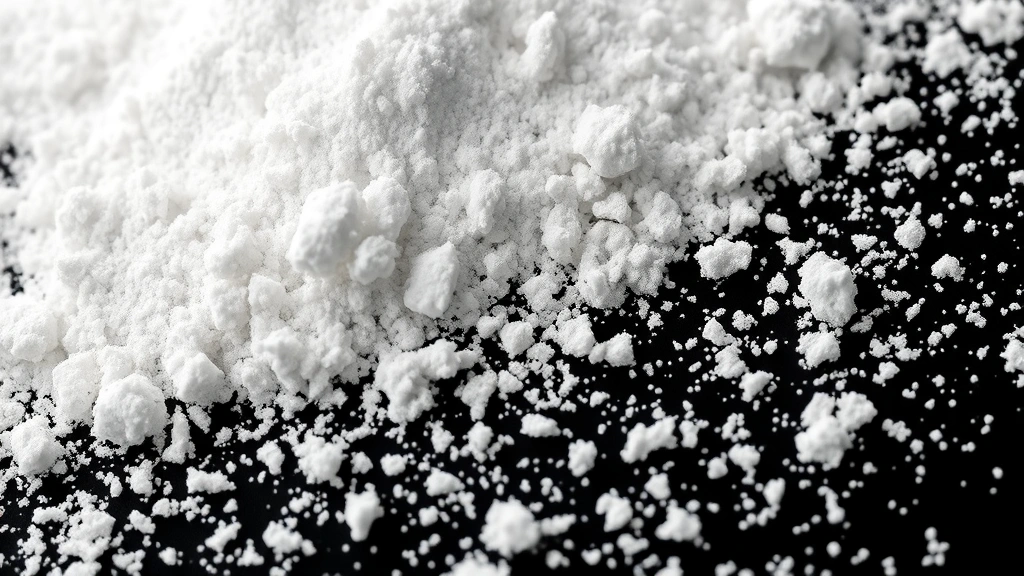
So you’ve heard the buzz about diatomaceous earth, and now you’re wondering: is diatomaceous earth safe for dogs? Great question, because this powdery substance is everywhere in the pet wellness world, and pet parents deserve straight answers without the marketing hype.
Table of Contents
- What Exactly Is Diatomaceous Earth?
- How Does Diatomaceous Earth Work Against Parasites?
- Food-Grade vs. Respiratory Risks: The Silica Problem
- Digestive System Concerns When Used Internally
- External Application: Is It Safer on the Skin?
- What Does the Veterinary Community Say?
- Safer Alternatives to Diatomaceous Earth
- Special Populations: Puppies, Seniors, and Health-Compromised Dogs
- If Your Dog Has Been Exposed to Diatomaceous Earth
- The Bottom Line: Is It Worth the Risk?
- Frequently Asked Questions
The short answer? It depends. Food-grade diatomaceous earth can be relatively safe for dogs when used properly, but there are important caveats, risks, and best practices you absolutely need to know before sprinkling this stuff on your furry friend.
Let’s dig into the nitty-gritty of what diatomaceous earth actually is, how it works, and whether it’s the right choice for your pup.
What Exactly Is Diatomaceous Earth?
Diatomaceous earth (DE) is a naturally occurring, powdery substance made from the fossilized remains of diatoms—tiny aquatic organisms with silica-based shells. When these ancient creatures died and accumulated on ocean and lake floors over millions of years, they formed deposits that we now mine and process.
There are two main types you’ll encounter:
- Food-Grade Diatomaceous Earth: This is the less processed version, typically containing about 0.5% to 2% crystalline silica. It’s marketed for internal and external use in pets.
- Industrial-Grade Diatomaceous Earth: This is heavily processed and contains up to 60% crystalline silica. It’s used in filtration, insulation, and other industrial applications—and it’s absolutely NOT safe for dogs or any pets.
The key difference? Crystalline silica content. Higher concentrations mean higher respiratory risks, which we’ll explore in detail.
How Does Diatomaceous Earth Work Against Parasites?
The theory behind using diatomaceous earth for pest control is fascinating. The microscopic shells of diatoms have sharp, jagged edges that supposedly damage the exoskeletons of insects and parasites like fleas, ticks, and intestinal worms. When these pests come into contact with DE, the theory goes, they become dehydrated and die.
Sounds brilliant, right? The problem is that the scientific evidence supporting this mechanism in dogs is… well, let’s say underwhelming. Most studies showing DE’s effectiveness were conducted in laboratory settings under controlled conditions—not in the messy reality of your dog’s gut or coat.
For pet food safety and parasite prevention, you’re honestly better off consulting your veterinarian about proven treatments like prescription flea and tick medications or deworming protocols.
Food-Grade vs. Respiratory Risks: The Silica Problem
Here’s where things get serious. Even food-grade diatomaceous earth contains crystalline silica, and when your dog inhales it—whether during application or consumption—it can irritate their respiratory system.
Repeated inhalation of crystalline silica is linked to:
- Chronic bronchitis
- Silicosis (a lung disease)
- Persistent coughing
- Breathing difficulties
- Inflammation of airways
Your dog’s lungs are delicate. Unlike humans who can consciously avoid inhaling powder, dogs will sniff, sneeze, and shake off DE powder, creating clouds of fine particles they’ll inevitably breathe in. Even “food-grade” products aren’t risk-free.
Digestive System Concerns When Used Internally
Some pet owners add food-grade diatomaceous earth directly to their dog’s food, believing it’ll eliminate intestinal parasites. But here’s the uncomfortable truth: the sharp particles can irritate your dog’s digestive tract lining.
Potential issues include:

- Stomach upset and gastroenteritis
- Constipation or diarrhea
- Intestinal inflammation
- Reduced nutrient absorption
- Dehydration
Additionally, DE doesn’t discriminate—it can damage beneficial gut bacteria your dog needs for healthy digestion and immune function. For actual parasite control, prescription medications prescribed by your vet are far more effective and safer. Check out pet nutrition advice for evidence-based dietary approaches to pet health.
External Application: Is It Safer on the Skin?
Applying food-grade diatomaceous earth directly to your dog’s coat seems like a safer option than internal use, but it still comes with risks.
When applied externally, DE can:
- Dry out your dog’s skin and coat excessively
- Cause itching and irritation
- Lead to secondary skin infections from scratching
- Be inhaled during grooming or when your dog shakes
- Get into eyes, ears, and mucous membranes
If your dog has sensitive skin, allergies, or existing dermatological conditions, external DE application is even riskier. The powder can stick to fur and be ingested during grooming, creating the same digestive concerns mentioned above.
What Does the Veterinary Community Say?
Most veterinary organizations, including the American Veterinary Medical Association, don’t recommend diatomaceous earth for dogs. The evidence supporting its efficacy is weak, while the potential risks are real and documented.
According to the American Kennel Club, there are far safer, more effective alternatives for flea, tick, and parasite prevention. Your veterinarian can recommend prescription-strength preventatives that actually work and won’t compromise your dog’s respiratory or digestive health.
If you’re concerned about parasites or your dog’s health, telehealth advice for pet poisoning and health concerns can connect you with professionals who can assess your specific situation.
Safer Alternatives to Diatomaceous Earth
Want to protect your pup from parasites without the risks? Here are evidence-based alternatives:
- Prescription Flea and Tick Preventatives: Products like NexGard, Simparica, and Bravecto are FDA-approved, highly effective, and safe when used as directed.
- Veterinary-Recommended Dewormers: Your vet can prescribe appropriate medications based on your dog’s age, weight, and health status.
- Regular Grooming and Inspection: Brushing your dog regularly and checking for parasites catches infestations early.
- Environmental Control: Keeping your home clean, washing bedding frequently, and maintaining your yard reduces parasite populations naturally.
- Proper Nutrition: A healthy diet supports your dog’s immune system, making them less susceptible to parasitic infections.
Special Populations: Puppies, Seniors, and Health-Compromised Dogs
Certain dogs face higher risks from diatomaceous earth:
Puppies: Their respiratory systems are still developing, and their digestive tracts are more sensitive. DE is especially risky for young dogs.
Senior Dogs: Older dogs often have compromised lung function and weakened digestive systems. Any respiratory irritant is problematic.
Dogs with Respiratory Conditions: Any pup with asthma, bronchitis, or other lung issues should absolutely avoid DE.
Dogs with Digestive Issues: Those with IBD, pancreatitis, or sensitive stomachs will suffer from DE’s irritating particles.
Brachycephalic Breeds: Flat-faced dogs like Bulldogs and Pugs already struggle with breathing—DE is a no-go.
If Your Dog Has Been Exposed to Diatomaceous Earth
Don’t panic if your dog has had some DE exposure. Most dogs won’t suffer serious harm from minimal contact. However, watch for these warning signs:
- Persistent coughing or wheezing
- Difficulty breathing or labored breathing
- Lethargy or unusual tiredness
- Loss of appetite
- Vomiting or diarrhea lasting more than a day
- Excessive scratching or skin irritation
If you notice any of these symptoms, contact your veterinarian immediately. They can examine your dog, take X-rays if needed, and provide appropriate treatment. For urgent concerns, remote pet health monitoring services can provide quick guidance while you arrange an in-person visit.
The Bottom Line: Is It Worth the Risk?
Here’s the honest truth: diatomaceous earth for dogs isn’t worth it. The risks—respiratory irritation, digestive upset, and potential long-term lung damage—outweigh any unproven benefits.
Modern veterinary medicine has given us safer, more effective parasite prevention options. Your dog deserves treatments backed by solid science, not internet trends or wellness marketing.
If you’re drawn to natural or holistic approaches to pet health, that’s understandable. But “natural” doesn’t automatically mean safe. Work with your veterinarian to find evidence-based solutions that align with your values while keeping your pup healthy and happy.
Frequently Asked Questions
Can I use food-grade diatomaceous earth on my dog?
While food-grade DE is less toxic than industrial-grade, it’s still not recommended by most veterinarians. The crystalline silica content poses respiratory risks, and its effectiveness against parasites isn’t scientifically proven. Safer alternatives exist.
How much diatomaceous earth is toxic to dogs?
There’s no established safe dose. Even small amounts can cause respiratory irritation, especially with repeated exposure. The risk increases with larger doses or prolonged use. It’s best to avoid it entirely.
Will diatomaceous earth kill fleas on my dog?
While DE might kill some fleas in laboratory conditions, real-world effectiveness is questionable. Prescription flea preventatives like NexGard or Simparica are far more reliable and don’t risk your dog’s health.
Is diatomaceous earth safe for puppies?
No. Puppies have developing respiratory and digestive systems that are more vulnerable to DE’s irritating effects. Stick to veterinarian-approved parasite prevention for young dogs.
Can diatomaceous earth cause lung damage in dogs?
Yes, repeated inhalation of crystalline silica can contribute to chronic lung conditions like silicosis. While acute toxicity is rare, chronic exposure poses real risks.
What’s the difference between food-grade and industrial diatomaceous earth?
Food-grade DE contains 0.5-2% crystalline silica, while industrial-grade contains up to 60%. Industrial DE is absolutely not safe for pets. Even food-grade carries risks.
Should I consult my vet before using diatomaceous earth?
Absolutely. Your veterinarian can recommend safe, effective alternatives tailored to your dog’s age, health status, and specific needs. They’ll help you avoid unnecessary risks.





