
So you’re wondering if is dog feces a good fertilizer—and honestly, it’s a question that deserves a straight answer instead of awkward silence at backyard barbecues. The short version? Not really, and here’s why you should probably keep your pup’s waste out of your veggie garden.
Table of Contents
- Why Dog Poop Isn’t Like Cow Manure
- The Parasite Problem: Your Garden’s Uninvited Guests
- Bacterial Contamination: E. Coli and Friends
- pH and Nutrient Issues: It’s Not Balanced
- What About human foods for pets with sensitive stomachs?
- The Composting Myth: Can You Make It Safe?
- Legal and Regulatory Concerns
- Safe Alternatives for Your Garden
- The Bottom Line on Dog Waste and Your Garden
- Frequently Asked Questions
Before you start composting Fido’s deposits, let’s dig into the science (pun absolutely intended) of why dog waste isn’t the gardening game-changer you might think it is.
Why Dog Poop Isn’t Like Cow Manure
Here’s the fundamental problem: dog feces and cow manure are completely different beasts—literally. Cow manure has been used as fertilizer for centuries because cows are herbivores. Their digestive systems break down plant material, and what comes out the other end is relatively nutrient-rich and safe for gardens. Dog poop? That’s a whole different story. Dogs are carnivores (or omnivores, depending on their diet), and their waste contains harmful pathogens that stick around way longer than you’d want them to.
The nitrogen content in dog feces might seem appealing on paper, but it comes with a dangerous price tag. We’re talking parasites, bacteria, and viruses that can contaminate your soil and potentially your food supply.
The Parasite Problem: Your Garden’s Uninvited Guests
This is where things get genuinely gross. Dog feces can harbor a stunning variety of parasites—roundworms, hookworms, tapeworms, and whipworms being the main culprits. These parasites can survive in soil for years, literally years, waiting for an opportunity to infect a new host. If you’re growing vegetables that touch the soil (spoiler: most of them do), you’re creating a direct pathway from your dog’s intestines to your dinner plate.
Even if you wash your vegetables thoroughly, some parasites are stubborn little jerks that don’t wash off easily. And if you have kids who play in the garden or put their hands in their mouths? Yeah, this becomes a legitimate health hazard.
Bacterial Contamination: E. Coli and Friends
Beyond parasites, dog feces are a bacterial party waiting to happen. E. coli, Salmonella, and Campylobacter are just some of the bacteria that thrive in dog waste. These aren’t theoretical threats—they cause real food poisoning in real people. The CDC has documented numerous outbreaks traced back to contaminated produce grown in or near areas with inadequate waste management.
The problem is that these bacteria can persist in soil even after composting, especially if your compost pile doesn’t reach temperatures high enough (we’re talking 140-160°F for extended periods) to kill them off. Most backyard compost operations don’t get nearly hot enough, making homemade dog waste compost a potential biological time bomb.
pH and Nutrient Issues: It’s Not Balanced
Even setting aside the health concerns, dog feces just isn’t nutritionally balanced for plants the way other manures are. Dog waste tends to be acidic, which can throw off your soil’s pH balance. While some plants like acidic soil, most vegetables prefer neutral to slightly alkaline conditions. You’d need to add significant amounts of lime or other amendments to counteract this, which defeats the purpose of using it as a free fertilizer.
Additionally, the nutrient ratios in dog poop are unpredictable. Unlike commercial fertilizers with guaranteed NPK ratios (nitrogen, phosphorus, potassium), you’re basically playing Russian roulette with your garden’s nutrition. One dog’s waste might be completely different from another’s depending on their diet, health status, and digestive efficiency.
What About human foods for pets with sensitive stomachs?
Here’s a fun fact: what you feed your dog directly impacts the safety profile of their waste. If your pup has digestive issues and you’re feeding them specialized diets, their feces might contain even more problematic bacteria and parasites as their immune system struggles to fight off pathogens. This is yet another reason why dog waste fertilizer is a risky proposition.
The Composting Myth: Can You Make It Safe?
Some people argue that if you compost dog waste properly, you can kill off the pathogens and make it safe. Technically, this is possible—but only under very specific conditions that most home gardeners don’t achieve. You need sustained temperatures of 140-160°F for at least several weeks. You need to turn the pile regularly. You need to monitor moisture and carbon-to-nitrogen ratios obsessively.
Even then, there’s debate among agricultural experts about whether dog waste compost is ever truly safe for vegetable gardens, especially those growing crops that will be eaten raw. The USDA and most agricultural extension services recommend against it entirely, which should tell you something.
Legal and Regulatory Concerns
Here’s something many people don’t realize: in many jurisdictions, using dog waste as fertilizer for edible crops is actually illegal or heavily regulated. Some municipalities have specific ordinances against it due to public health concerns. Before you even consider this, check your local regulations. The last thing you need is a citation from your health department because your neighbor reported your poop-fertilized tomato patch.
Safe Alternatives for Your Garden
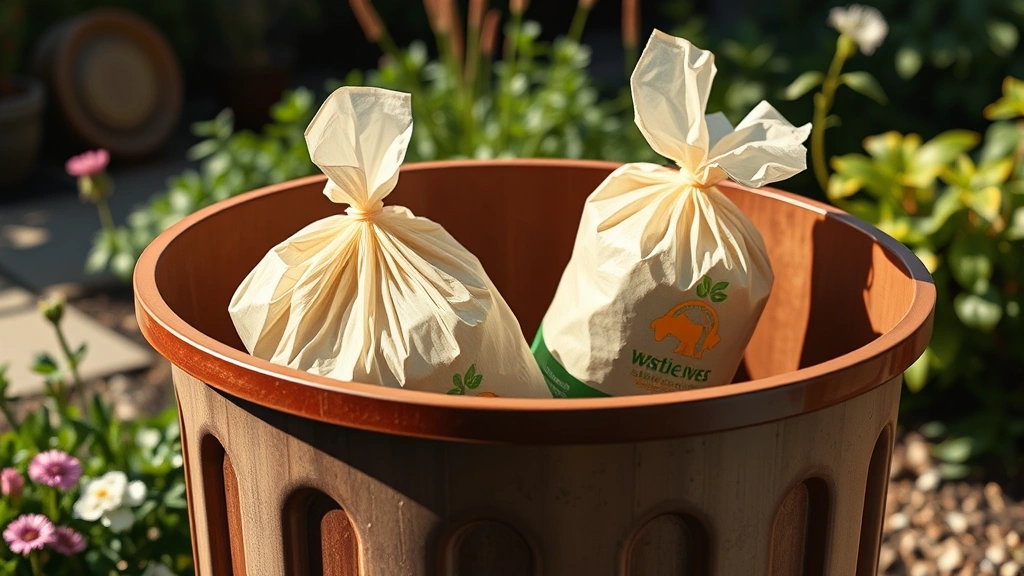
So what should you do with all that dog waste? The responsible approach involves biodegradable pet waste bags and proper disposal. Many communities have pet waste disposal stations, or you can simply bag it and throw it in the trash. Some areas even have specialized pet waste composting systems that are designed specifically for this purpose, with proper temperature and pathogen control.
If you’re committed to sustainable gardening, stick with proven options: horse manure (from animals on grain-only diets), chicken manure, cow manure, or commercial compost made from plant materials. These are safer, more predictable, and won’t turn your garden into a pathogen breeding ground.
The Bottom Line on Dog Waste and Your Garden
Is dog feces a good fertilizer? Absolutely not. It’s a health hazard masquerading as a free resource. The parasites, bacteria, and unpredictable nutrient content make it a terrible choice for any garden, especially one growing food. Your garden will thank you, your family’s health will thank you, and your neighbors will definitely thank you.
If you’re ever in doubt about what’s safe for your garden, consult your local agricultural extension office. They can provide guidance specific to your region and climate. And if your dog has health issues or you’re concerned about their waste contaminating your property, don’t hesitate to contact an emergency vet for food poisoning or your regular veterinarian for advice.
Frequently Asked Questions
Can you compost dog poop safely?
While theoretically possible at very high temperatures (140-160°F sustained), most home composting systems don’t get hot enough to reliably kill all pathogens. Agricultural experts and the USDA recommend against using dog waste compost for vegetable gardens due to persistent health risks.
Is dog feces better than no fertilizer at all?
For ornamental plants that won’t be eaten, dog waste is marginally better than nothing—but it still carries parasite risks and pH imbalances. For food crops, it’s significantly worse than no fertilizer because of contamination risks.
What about using dog waste for non-edible plants?
Even for ornamental plants, the parasite and bacteria risk remains. Roundworms and hookworms can infect humans and other animals through soil contact. If you have kids or pets who play in your yard, dog waste fertilizer isn’t worth the risk.
How long do parasites survive in dog waste?
Depending on the parasite and environmental conditions, some can survive in soil for several years. Roundworm eggs are particularly persistent and can remain viable in contaminated soil for extended periods.
What’s the best way to dispose of dog waste?
Use biodegradable bags and dispose of them in the trash, or use a dedicated pet waste composting system designed specifically for this purpose. Some communities have pet waste disposal stations—check your local resources.
Can you use dog poop if your dog is on a raw diet?
Absolutely not. Dogs on raw diets may actually shed more pathogens and parasites, making their waste even more dangerous for garden use. Stick with commercial disposal methods.





