
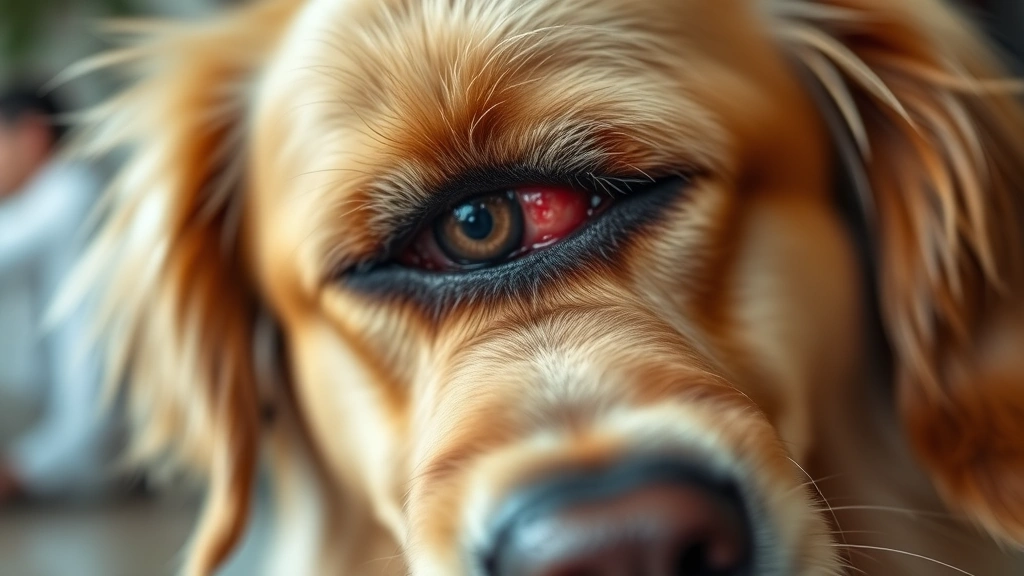
So your furry best friend woke up with a crusty, red eye that looks absolutely miserable, and now you’re wondering: is dog pink eye contagious to humans? The short answer is: it depends, but mostly no. However, there are some important nuances you need to understand before you panic or dismiss it entirely. Let’s dive into the gritty details of canine conjunctivitis and what it means for your household.
Table of Contents
- What Exactly Is Canine Pink Eye?
- The Types of Canine Conjunctivitis and Contagion Risk
- Can You Actually Catch Pink Eye From Your Dog?
- Symptoms Your Dog Has Pink Eye
- Treatment Options and Prevention Strategies
- When to Worry About Zoonotic Transmission
- Practical Hygiene Tips for Managing Infected Eyes
- Other Pets in Your Home: The Real Transmission Risk
- When Professional Help Is Essential
- The Bottom Line on Contagion Risk
- Frequently Asked Questions
What Exactly Is Canine Pink Eye?
Pink eye in dogs, medically known as conjunctivitis, is an inflammation of the conjunctiva—that thin, transparent membrane covering the white part of the eye and the inner eyelid. When your dog’s conjunctiva gets irritated, it turns red, swells up, and often produces discharge that ranges from clear and watery to thick and crusty. Your pup might squint, rub their eye constantly, or act like they’ve got something genuinely bothersome in there (because they do).
The condition can develop from allergies, foreign objects, dry eye, infections, or even trauma. Think of it as your dog’s eye throwing a tantrum when something isn’t right.
The Types of Canine Conjunctivitis and Contagion Risk
Not all pink eye is created equal, and understanding the cause is crucial when determining transmission risk to humans. Bacterial conjunctivitis, viral conjunctivitis, and allergic conjunctivitis all present differently and carry different contagion profiles.
Bacterial pink eye in dogs can be caused by various bacteria, some of which might theoretically affect humans. However, the bacteria that typically infect dog eyes are species-specific and rarely jump to human eyes. Your dog’s eye bacteria are basically homebodies—they prefer their canine hosts.
Viral pink eye in dogs is usually caused by canine-specific viruses. These viruses have evolved to target dog cells and don’t generally infect human cells. It’s like having a key that only fits one lock.
Allergic pink eye isn’t contagious at all since it’s an immune response, not an infection. Your dog’s immune system is just being dramatic about pollen, food, or environmental triggers.
Can You Actually Catch Pink Eye From Your Dog?
Here’s where the reassurance comes in: the risk of catching pink eye directly from your dog is extremely low. Veterinary ophthalmologists and infectious disease specialists agree that most canine conjunctivitis cases pose minimal to zero risk to humans. Your immune system and eye anatomy are sufficiently different from your dog’s that their eye pathogens typically can’t establish an infection in your eyes.
That said, there’s a teeny-tiny asterisk here. If your dog has a rare zoonotic bacterial infection (bacteria that can jump species), and you then touch your dog’s eye discharge and immediately touch your own eye without washing your hands, there’s a theoretical risk. But this scenario is about as likely as your dog winning the lottery.
The bigger concern? Cross-contamination within your household between family members or from your dog to other pets. If your dog has bacterial conjunctivitis and your other dog shares toys or bedding, transmission between dogs is possible.
Symptoms Your Dog Has Pink Eye
Knowing what to look for helps you get your pup to the vet quickly. Common symptoms include redness and swelling of the conjunctiva, excessive tearing or watery discharge, thick mucus or pus discharge, squinting or keeping the eye partially closed, pawing at the eye, and sensitivity to light. Some dogs also experience mild discomfort or behavioral changes like increased irritability.
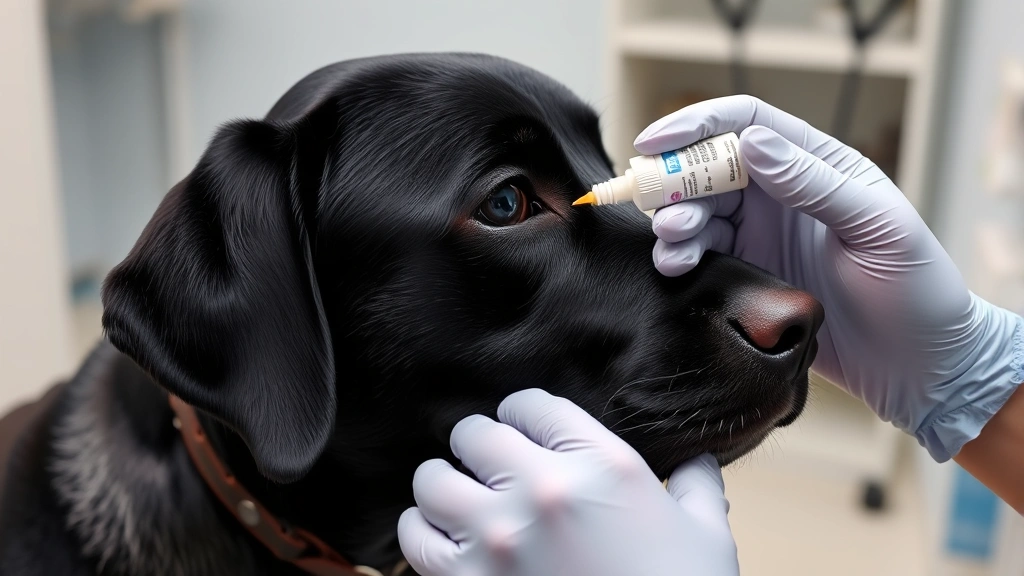
If your dog shows these signs, schedule a vet visit promptly. While pink eye itself isn’t usually serious, it can indicate underlying issues that need professional attention. Plus, a vet can determine whether it’s bacterial, viral, or allergic—information that matters for treatment and household management.
Treatment Options and Prevention Strategies
Treatment depends entirely on the cause. Bacterial conjunctivitis typically responds to antibiotic eye drops or ointments. You might explore options like whether you can use antibiotic ointment on dogs, but always follow your vet’s recommendations rather than self-treating. Viral pink eye usually resolves on its own with supportive care, though your vet might recommend eye drops to keep the eye comfortable and prevent secondary infections. Allergic conjunctivitis responds to identifying and avoiding triggers, plus sometimes antihistamine or steroid drops.
For prevention, maintain good hygiene practices. Wash your hands after touching your dog’s eyes, don’t share towels or eye care products between dogs, and keep your dog’s face clean and dry. If your dog swims frequently, consider rinsing their eyes with saline solution afterward to prevent irritation and infection.
For monitoring your dog’s recovery at home, remote pet health monitoring tools can help you track symptom progression and share updates with your vet between appointments.
When to Worry About Zoonotic Transmission
While direct eye-to-eye transmission is unlikely, certain situations warrant extra caution. If your dog has a confirmed bacterial infection and you’re immunocompromised, pregnant, or have an eye condition, take extra precautions like wearing gloves when applying eye medications and washing hands thoroughly afterward. If you develop eye symptoms after close contact with your dog’s infected eye, see an eye doctor—better safe than sorry, even if the risk is minimal.
Some rare bacterial pathogens like Chlamydia or Mycoplasma can theoretically affect both dogs and humans, though eye infections from these in dogs are uncommon. If your vet identifies an unusual bacterial culprit, ask specifically about zoonotic risk.
Practical Hygiene Tips for Managing Infected Eyes
When your dog has pink eye, implement these practical strategies: use separate towels for your dog’s face, wash your hands after any eye contact, don’t let your dog lick your face (easier said than done, we know), keep your dog’s bedding clean and wash it frequently, and consider using chlorhexidine for dogs as directed by your vet for gentle eye cleaning between medication applications. These measures protect both your dog’s recovery and your family’s health.
Other Pets in Your Home: The Real Transmission Risk
While humans are generally safe, other pets in your household face higher transmission risk. If you have multiple dogs and one develops bacterial conjunctivitis, keep them separated during the acute phase if possible. Wash your hands between petting them, and don’t share toys or bedding. Cats can also develop conjunctivitis, and while different pathogens usually affect each species, cross-contamination is theoretically possible.
Rabbits, guinea pigs, and other small pets have different eye pathogens, so cross-species transmission is even less likely. Still, basic hygiene practices benefit everyone.
When Professional Help Is Essential
Some cases of pink eye require immediate veterinary attention. Seek urgent care if your dog has severe pain, significant swelling, discharge that’s thick and yellow-green, vision changes, or if the eye appears cloudy. These signs might indicate corneal ulceration, glaucoma, or severe infection—conditions that can threaten your dog’s vision if untreated.

Your vet might refer you to a veterinary ophthalmologist for complicated cases. They can perform specialized tests like fluorescein staining to detect corneal damage or tonometry to check eye pressure.
The Bottom Line on Contagion Risk
Is dog pink eye contagious to humans? In practical terms, no—the risk is negligible for the vast majority of cases. Your dog’s eye infections are species-specific and rarely jump to human eyes. However, basic hygiene practices cost nothing and provide peace of mind. Wash your hands after touching your dog’s eyes, avoid touching your own eyes before washing, and keep your dog’s eye area clean.
Focus your energy on getting your pup comfortable and getting them to the vet for proper diagnosis and treatment. That’s where the real concern should lie—not on whether you’ll catch pink eye from your furry friend, but on ensuring they recover quickly and completely.
Frequently Asked Questions
Can I catch pink eye from my dog’s discharge?
Direct transmission of canine pink eye to humans is extremely rare. Most bacteria and viruses that cause conjunctivitis in dogs are species-specific and can’t infect human eyes. However, practicing good hygiene—washing hands after contact with eye discharge—is always wise.
Should I isolate my dog if they have pink eye?
You don’t need to isolate your dog from your family, but do separate them from other dogs if possible, especially if bacterial infection is confirmed. Keep separate towels, wash hands between petting different dogs, and avoid sharing toys or bedding.
How long is canine pink eye contagious?
Bacterial conjunctivitis is typically contagious to other dogs for 5-7 days after starting treatment. Viral conjunctivitis can remain contagious for 1-2 weeks. Once your dog completes a course of antibiotics, the contagion risk drops significantly.
Can I use my eye drops on my dog’s pink eye?
Absolutely not. Human eye medications are formulated for human eyes and can harm your dog. Always use medications prescribed specifically for your dog by a veterinarian. What works for humans might be toxic to dogs.
What if my dog’s pink eye doesn’t improve with treatment?
If symptoms persist beyond 7-10 days of appropriate treatment, return to your vet. There might be an underlying issue like a corneal ulcer, foreign object, or dry eye that requires different treatment. Sometimes a veterinary ophthalmologist’s expertise becomes necessary.
Is pink eye painful for dogs?
Pink eye causes discomfort ranging from mild irritation to significant pain, depending on severity. Your dog might squint, rub their eye, or show behavioral changes. Prompt treatment relieves discomfort and prevents complications.





