
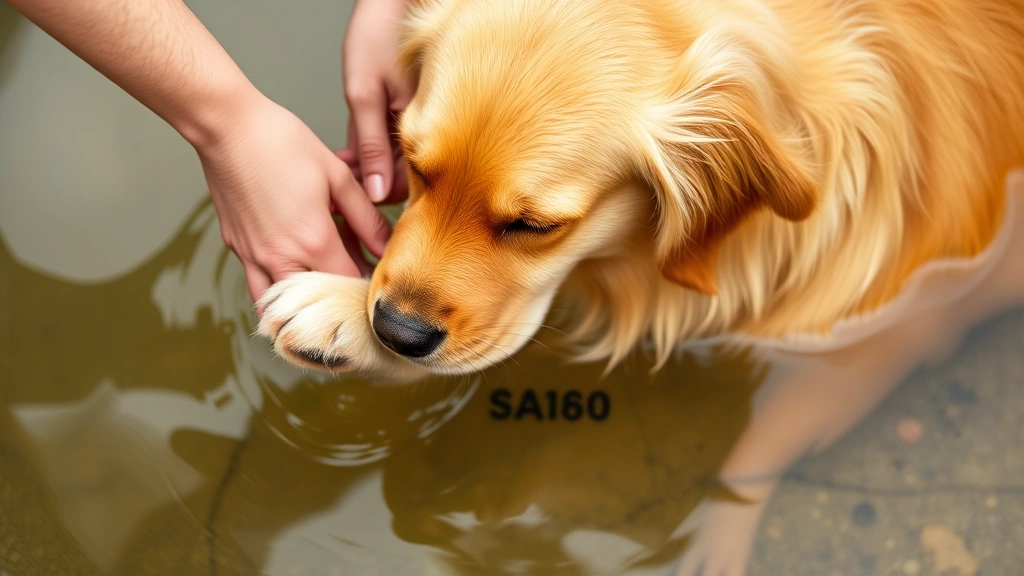
So you’re wondering if is epsom salt safe for dogs—and honestly, it’s a question more pet owners should be asking before they start dumping mystery powders into their pup’s bath water. The short answer? It depends on how you use it, but generally, epsom salt can be safe for dogs in controlled amounts and specific applications. Let’s dig into what you actually need to know before your golden retriever becomes a spa day casualty.
Table of Contents
- What Exactly Is Epsom Salt?
- Can Dogs Use Epsom Salt Baths Safely?
- The Ingestion Problem: Why Swallowing Epsom Salt Is Bad News
- Epsom Salt for Dog Paw Soaks: The Safe Way
- When Epsom Salt Is Absolutely NOT Safe for Dogs
- Signs Your Dog Has Ingested Too Much Epsom Salt
- Safe Alternatives to Epsom Salt for Dogs
- Consulting Your Vet Before Any Home Remedy
- The Bottom Line on Epsom Salt and Dogs
- Frequently Asked Questions
What Exactly Is Epsom Salt?
Epsom salt isn’t actually salt in the traditional sense—it’s magnesium sulfate, a naturally occurring compound that’s been used for centuries to soothe human aches and pains. When dissolved in water, it creates that luxurious bath experience people crave after a long day. But here’s the thing: your dog’s body chemistry is completely different from yours, so what feels amazing for you might make Fido feel pretty terrible.
The mineral composition of epsom salt includes magnesium and sulfate, which can interact with your dog’s digestive system if ingested. This is where the safety concerns start getting real.

Can Dogs Use Epsom Salt Baths Safely?
Yes, epsom salt soaks can actually be beneficial for dogs when used properly—think of it as a therapeutic tool rather than a casual spa treatment. Many veterinarians recommend diluted epsom salt baths for specific conditions like minor wounds, skin irritation, or swollen paws. The warm water combined with the mineral content can help reduce inflammation and promote healing.
However, the key word here is “diluted.” A proper epsom salt soak for dogs should contain no more than one cup of epsom salt per gallon of warm water. And here’s the critical part: your dog should never drink this water. Ever. We’re talking supervised soak sessions, not a casual bath where your pup is free to lap up the bathwater like it’s a refreshing beverage.

The Ingestion Problem: Why Swallowing Epsom Salt Is Bad News
This is where things get dicey. If your dog ingests epsom salt—whether by drinking bathwater or accidentally consuming the powder—you’re looking at potential gastrointestinal issues. Magnesium sulfate acts as a laxative, which means your dog could experience severe diarrhea, vomiting, and dehydration. In large quantities, this can become a serious medical emergency.
The severity depends on your dog’s size and how much they consumed. A tiny Chihuahua eating a spoonful of epsom salt powder will have a much worse time than a 100-pound Labrador, but both scenarios are unpleasant. We’re talking explosive diarrhea, abdominal cramping, and a very upset pup who’s going to need your attention at 3 AM.

Epsom Salt for Dog Paw Soaks: The Safe Way
One of the most common and legitimate uses for epsom salt with dogs is treating sore or infected paws. If your dog has a minor cut, splinter, or mild infection on their paws, a short epsom salt soak can help. Here’s the proper protocol:
Mix one cup of epsom salt in a gallon of warm (not hot) water. Soak your dog’s affected paw for 5-10 minutes, once or twice daily. Keep a close eye on your pup to ensure they’re not trying to drink the solution. Pat the paw dry afterward. If the issue doesn’t improve within a few days, or if it gets worse, contact your vet immediately.
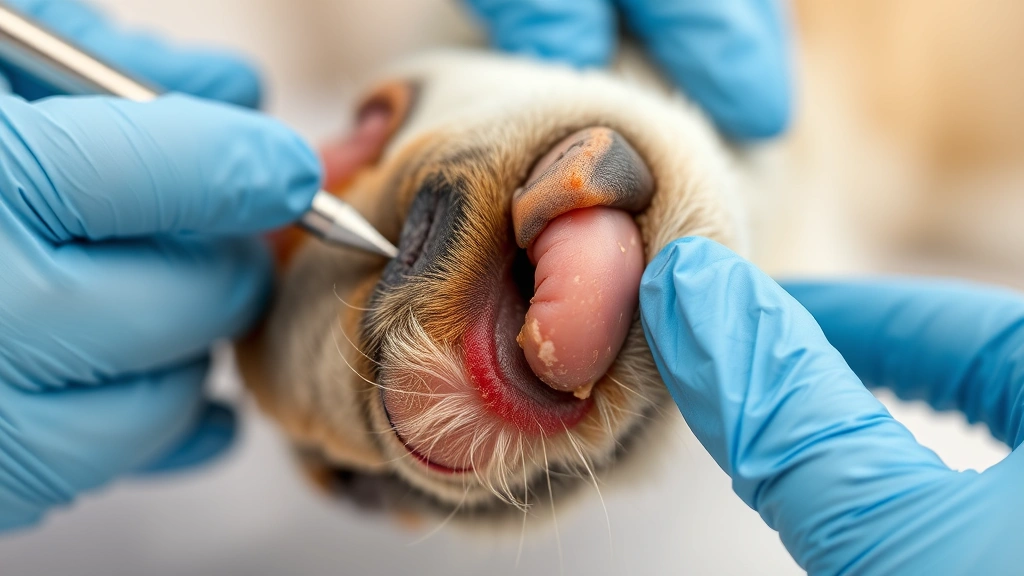
This method is particularly useful for dogs with infected paws that might benefit from antimicrobial treatments, though you should always consult your veterinarian before combining epsom salt with other remedies.
When Epsom Salt Is Absolutely NOT Safe for Dogs
Let’s be crystal clear about the situations where epsom salt is a hard no:

Internal use: Never give your dog epsom salt as a laxative or digestive aid, even if they’re constipated. There are safer, vet-approved options available.
Open wounds or severe injuries: While minor cuts might benefit from epsom salt soaks, deep wounds or surgical sites should only be treated under veterinary supervision with approved solutions.

Dogs with kidney disease: Magnesium and sulfate are processed through the kidneys, making epsom salt potentially dangerous for dogs with existing kidney problems.
Pregnant or nursing dogs: The mineral content could affect pregnancy or milk production, so it’s best to avoid it entirely.
Dogs with pancreatitis: Similar to how we discuss human foods for pets with pancreatitis, certain mineral compounds can trigger issues in sensitive dogs.
Signs Your Dog Has Ingested Too Much Epsom Salt
If your dog has gotten into epsom salt powder or drank a significant amount of epsom salt bathwater, watch for these warning signs:
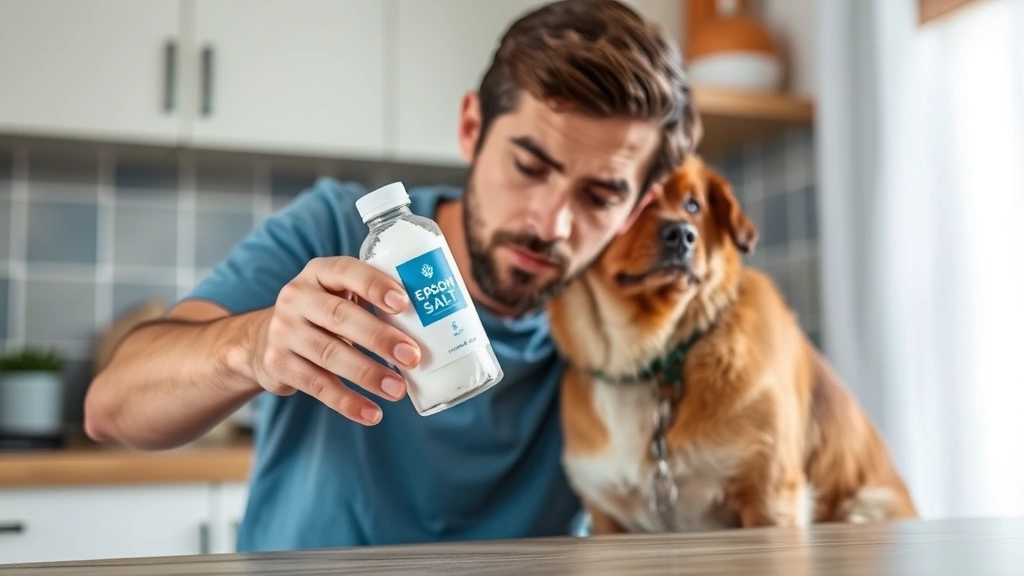
Severe diarrhea or loose stools, vomiting, lethargy or weakness, loss of appetite, excessive drooling, abdominal pain or distension, and tremors or muscle weakness. If you notice any of these symptoms, contact your veterinarian or emergency vet clinic immediately. Don’t wait to see if it passes on its own—epsom salt toxicity can escalate quickly.
Safe Alternatives to Epsom Salt for Dogs
If you’re looking to soothe your dog’s skin issues or inflammation without the epsom salt risk, several alternatives exist. Oatmeal baths are excellent for itchy skin and completely safe. Coconut oil can help with minor skin irritation. Chamomile tea (cooled) has anti-inflammatory properties. And of course, your veterinarian can prescribe medicated shampoos or other treatments specifically formulated for dogs.

For wound care, saline solution is often safer than epsom salt and is readily available at any pharmacy. It’s specifically designed for cleaning wounds without irritating surrounding tissue.
Consulting Your Vet Before Any Home Remedy
Here’s the honest truth: before you start any home treatment for your dog, including epsom salt soaks, you should consult with your veterinarian. What seems like a minor issue might actually require professional attention. Your vet can determine whether epsom salt is appropriate for your specific dog’s situation, taking into account their age, health status, and existing conditions.

If you’re dealing with food reactions or other health concerns, consider using telehealth vet appointments for quick professional guidance without leaving your home.
The Bottom Line on Epsom Salt and Dogs
Is epsom salt safe for dogs? In controlled, diluted applications for external soaks only—yes. As an ingested substance or casual bathing ingredient—absolutely not. The risk of gastrointestinal distress far outweighs the benefits for most situations, and there are safer alternatives available.

Your dog’s health and safety should always come first. If you’re considering epsom salt for any reason, get your vet’s approval first. They know your dog’s medical history and can provide personalized recommendations. And if your pup has already ingested epsom salt, don’t panic, but do reach out to your veterinarian or poison control for guidance.
Frequently Asked Questions
Can I use epsom salt in my dog’s regular bath water?
You can add a small amount of epsom salt to bathwater (about one cup per gallon), but you must supervise closely to ensure your dog doesn’t drink it. For most routine baths, it’s unnecessary and adds risk without significant benefit.
What should I do if my dog drank epsom salt bathwater?
Monitor your dog closely for signs of gastrointestinal distress like diarrhea or vomiting. Contact your veterinarian if symptoms develop or worsen. In the meantime, ensure your dog has access to fresh water to prevent dehydration.
Is epsom salt safe for dogs with sensitive skin?
Dogs with sensitive skin might actually benefit from diluted epsom salt soaks, but only under veterinary guidance. Many dogs with sensitive skin respond better to oatmeal baths or specially formulated medicated shampoos.
How often can I give my dog an epsom salt soak?
If your vet approves epsom salt soaks for a specific condition, once or twice daily for 5-10 minutes is typically safe. Always follow your veterinarian’s specific recommendations for your dog’s situation.
Can puppies have epsom salt baths?
Puppies have more sensitive systems than adult dogs, making epsom salt baths riskier. Consult your veterinarian before using any home remedies on puppies, as their developing bodies require extra caution.
What’s the difference between epsom salt and regular table salt for dogs?
Both should be avoided internally, but epsom salt (magnesium sulfate) acts as a laxative, while regular salt can cause sodium toxicity. Neither should be used casually with dogs. Check our guide on toxic vegetables for dogs for more information on substances to avoid.





