

So, is ginger ok for dogs? The short answer is yes—but with some important caveats that every dog owner needs to know before sprinkling this golden spice into your pup’s food bowl. Ginger can actually be a fantastic addition to your dog’s diet when used correctly, offering some legit health benefits. But like anything in the pet world, moderation and proper preparation are key.
Table of Contents
- What Exactly Is Ginger and Why Pet Owners Are Curious
- The Health Benefits of Ginger for Dogs (Yes, They’re Real)
- Safe Forms of Ginger for Your Canine Companion
- The Dosage Question: How Much Ginger Is Too Much?
- What About Ginger in Spices Safe for Pets? Avoiding Hidden Dangers
- Potential Side Effects and When to Worry
- Special Considerations: When Ginger Might Not Be Right for Your Dog
- How to Introduce Ginger to Your Dog’s Diet Safely
- Real-World Uses: Why Dog Owners Love Ginger
- The Bottom Line: Is Ginger OK for Dogs?
- Frequently Asked Questions
What Exactly Is Ginger and Why Pet Owners Are Curious
Ginger is a rhizome (fancy word for underground stem) that’s been used in human medicine for thousands of years. It’s loaded with gingerols and shogaols—compounds that give ginger its spicy kick and its potential health-boosting powers. Pet parents are increasingly interested in natural remedies, and ginger has made its way into the conversation about herbs safe for pets. But before you raid your spice cabinet, let’s dig into what science actually says about giving ginger to your furry friend.
The Health Benefits of Ginger for Dogs (Yes, They’re Real)
Here’s where ginger gets interesting. Studies and veterinary research suggest that ginger can offer several legitimate benefits for dogs:
Digestive Support: Ginger is known for settling upset stomachs in humans, and the same principle applies to dogs. It can help reduce nausea and improve digestive function, making it particularly useful for dogs with human foods for pets with sensitive stomachs. If your dog gets car sick or has occasional digestive issues, ginger might be worth discussing with your vet.
Anti-Inflammatory Properties: This is the big one. Ginger contains powerful anti-inflammatory compounds that can help with joint pain and arthritis—especially beneficial for senior dogs or breeds prone to joint issues. Many vets actually recommend ginger as part of a holistic approach to managing canine arthritis. It fits perfectly into the category of anti-inflammatory foods for pets.
Immune System Boost: The antioxidants in ginger may help support your dog’s immune system, keeping them healthier overall.

Safe Forms of Ginger for Your Canine Companion
Not all ginger products are created equal when it comes to dog safety. Here’s what you need to know:
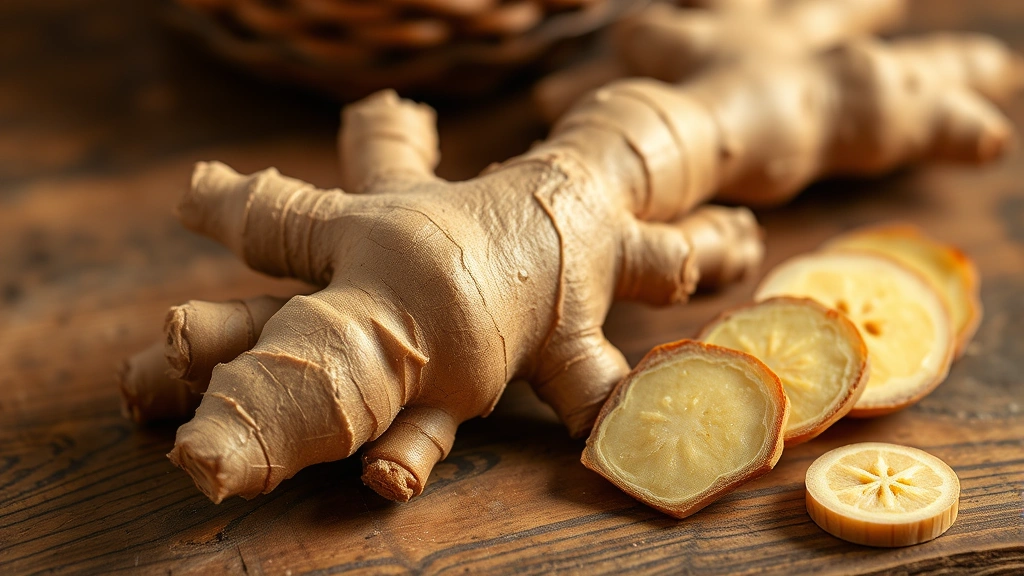
Fresh Ginger Root: This is the safest option. You can give your dog small amounts of fresh ginger root that’s been peeled and cut into tiny pieces. The key word here is “small”—we’re talking about pieces the size of a pea or smaller.
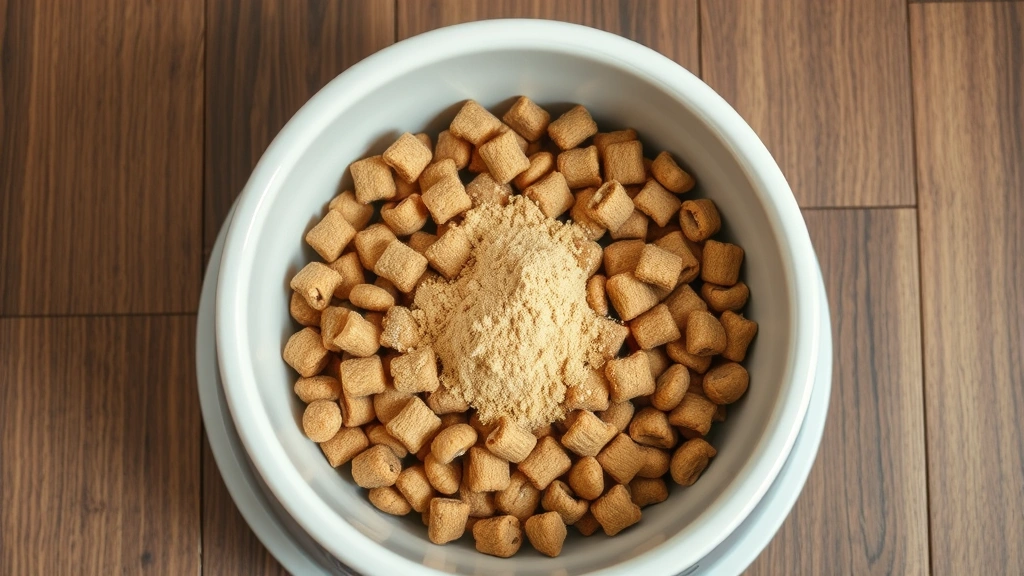
Ginger Powder: Plain ginger powder (with absolutely nothing else added) is also acceptable. However, it’s more concentrated than fresh ginger, so use even smaller amounts.
Ginger Treats: Some commercial dog treats contain ginger. If you go this route, make sure they’re specifically formulated for dogs and don’t contain xylitol or other harmful additives.
Ginger Supplements: Some pet supplement companies make ginger supplements specifically dosed for dogs. These can be convenient, but always check with your vet about proper dosing.

The Dosage Question: How Much Ginger Is Too Much?
This is where many well-intentioned dog owners go wrong. Just because ginger is safe doesn’t mean more is better. General guidelines suggest:
For small dogs (under 25 lbs): A tiny pinch of fresh ginger or 1/8 teaspoon of ginger powder, no more than a few times per week.
For medium dogs (25-50 lbs): Up to 1/4 teaspoon of ginger powder or a small piece of fresh ginger, a few times per week.
For large dogs (over 50 lbs): Up to 1/2 teaspoon of ginger powder or a slightly larger piece of fresh ginger, a few times per week.
These are conservative estimates designed to keep your pup safe. Always start with the smallest amount possible and observe how your dog reacts. If you’re unsure about proper dosing for your specific dog, when to call the vet about food is a great resource to bookmark.

What About Ginger in Spices Safe for Pets? Avoiding Hidden Dangers
Here’s the sneaky part: ginger by itself is fine, but ginger products often contain other ingredients that are absolutely not dog-friendly. Never give your dog:
Ginger Ale or Ginger Beer: These contain sugar and carbonation, which can cause digestive upset and weight gain in dogs.
Ginger Cookies or Baked Goods: Even “healthy” ginger cookies for humans often contain sugar, chocolate, or xylitol—all dangerous for dogs.
Ginger with Garlic or Onion: Some ginger products are combined with these ingredients, which are toxic to dogs. Always read labels carefully.
Candied Ginger: The sugar content makes this a no-go for your pup.

Stick to plain, pure ginger with zero additives. Your dog’s safety depends on it.
Potential Side Effects and When to Worry
While ginger is generally safe, some dogs might experience side effects, especially if given too much:
Mild Digestive Upset: Ironically, too much ginger can cause the very problem it’s meant to solve. If your dog experiences diarrhea, vomiting, or stomach discomfort after ginger, stop immediately.
Heartburn or Reflux: Some dogs might experience increased stomach acid, leading to discomfort.
Allergic Reactions: Though rare, some dogs might be allergic to ginger. Signs include itching, swelling, or difficulty breathing.
If your dog shows any concerning symptoms after consuming ginger, contact your veterinarian right away. Better safe than sorry when it comes to your furry friend’s health.
Special Considerations: When Ginger Might Not Be Right for Your Dog
Certain dogs should avoid ginger entirely or only consume it under veterinary supervision:
Pregnant or Nursing Dogs: While ginger is generally safe, it’s best to avoid it during pregnancy and nursing unless your vet specifically recommends it.
Dogs on Blood Thinners: Ginger has mild anticoagulant properties, so if your dog is on medications like aspirin or warfarin, check with your vet before adding ginger.
Dogs with Bleeding Disorders: For the same reason as above, ginger might not be appropriate.

Dogs About to Have Surgery: Stop giving ginger at least two weeks before any surgical procedure.
This is why having a conversation with your veterinarian before introducing any new food or supplement is so important. They know your dog’s medical history and can give you personalized advice.
How to Introduce Ginger to Your Dog’s Diet Safely
If your vet gives the green light, here’s how to do it right:
Start Small: Begin with the tiniest amount possible—think rice grain sized. This helps you gauge whether your dog tolerates it well.
Mix It In: Don’t serve ginger alone. Mix a tiny amount into your dog’s regular food so they’re less likely to reject it and the flavor is diluted.
Wait and Observe: Give it a few days between the first introduction and any increase in amount. Watch for any digestive changes or behavioral shifts.
Consistency: If you do decide to give ginger regularly, keep it consistent. A few times per week is ideal, not daily.
Keep Records: Note when you give ginger and any observations about your dog’s health or behavior. This information is valuable for your vet.
Real-World Uses: Why Dog Owners Love Ginger
Beyond the science, many dog owners swear by ginger for specific situations. Senior dogs with arthritis often show improved mobility after regular ginger supplementation. Dogs prone to car sickness sometimes benefit from a small amount of ginger before travel. Dogs recovering from surgery or illness might have their appetite stimulated by a touch of ginger in their food.
That said, anecdotal evidence isn’t the same as scientific proof. What works amazingly for one dog might do nothing for another. Individual dogs have different needs, different sensitivities, and different responses to supplements. This is why working with your vet is so important.

The Bottom Line: Is Ginger OK for Dogs?
Yes, ginger is generally safe for dogs when given in appropriate amounts and in the right form. It’s not a miracle cure, but it can be a useful addition to a comprehensive approach to your dog’s health and wellness. The key is doing it right: choosing pure ginger, using tiny amounts, avoiding products with harmful additives, and getting your vet’s approval first.
Your dog’s health is too important to guess about. Before starting any new supplement or food, have a conversation with your veterinarian. They can assess your individual dog’s needs and give you guidance tailored to your pup’s specific situation. Check out our guide on puppy safe human foods for more information about introducing new foods to your dog’s diet.
Frequently Asked Questions
Can I give my dog ginger every day?
While ginger is safe for dogs, daily consumption isn’t recommended. A few times per week is the sweet spot. Giving ginger every single day could lead to digestive upset or other issues. Think of it as an occasional supplement, not a daily staple.
Is ginger powder or fresh ginger better for dogs?
Both are safe, but fresh ginger is slightly better because it’s less concentrated. With fresh ginger, you have more control over the amount your dog receives. Ginger powder is more potent, so you need to use even tinier amounts. Either way, start small and observe your dog’s reaction.
Can ginger help with my dog’s arthritis?
Ginger’s anti-inflammatory properties make it a reasonable option for dogs with arthritis, especially older dogs. However, it shouldn’t replace veterinary treatment. If your dog has arthritis, discuss ginger with your vet as part of a comprehensive pain management plan that might include other treatments.

What if my dog ate a lot of ginger by accident?
Don’t panic, but do monitor your dog closely. A large amount of ginger might cause digestive upset like vomiting or diarrhea, but it’s unlikely to cause serious toxicity. If your dog shows severe symptoms or you’re concerned, contact your veterinarian or poison control. When in doubt, it’s always better to call and get professional advice.
Are there any dog breeds that shouldn’t have ginger?
No specific breeds are contraindicated for ginger, but dogs with sensitive stomachs or existing digestive issues should be introduced to ginger very carefully, if at all. Always consult your vet first, especially if your dog has a history of stomach problems.
Can puppies have ginger?
Puppies can technically have ginger, but it’s best to wait until they’re older before introducing it. Their digestive systems are still developing, and introducing new foods should be done cautiously. Talk to your vet about the right time to introduce ginger to your puppy.





