
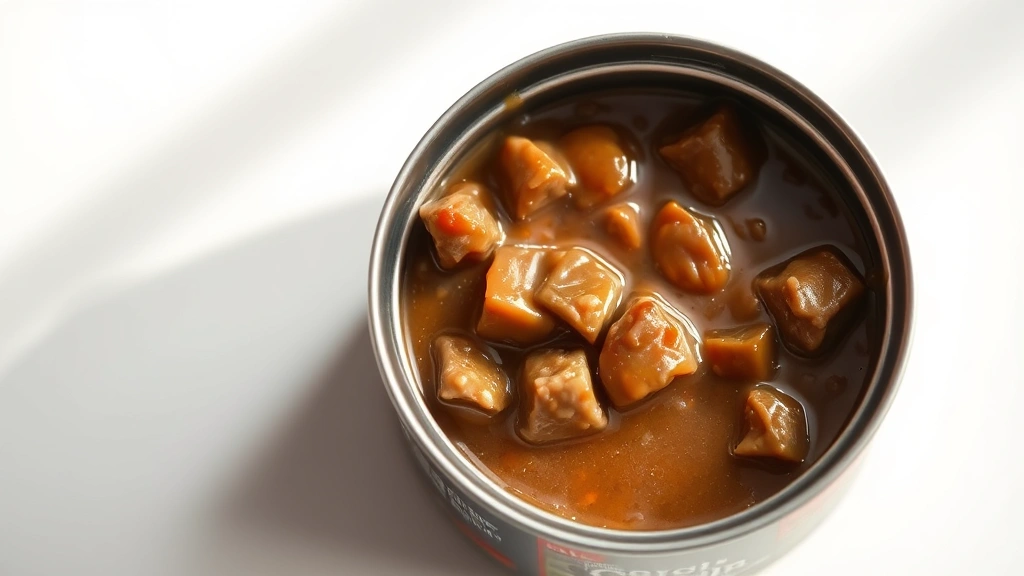
So you’re standing in the pet food aisle, staring at that box of Gravy Train, wondering: is Gravy Train good for dogs? Well, buckle up, because we’re about to dive into the real deal behind this budget-friendly dog food brand that’s been around since 1982. Spoiler alert: it’s not exactly what vets are recommending at their holiday parties.
Table of Contents
- What Exactly Is Gravy Train Dog Food?
- Ingredient Analysis: What’s Really in That Can?
- Protein Content: Is There Enough?
- The Gravy Problem: Sugar and Salt Concerns
- Digestibility and Nutrient Absorption Issues
- What Veterinarians Actually Say About Gravy Train
- Budget-Friendly Alternatives to Gravy Train
- Special Considerations for Different Life Stages
- Does Your Dog Actually Need Wet Food?
- The Bottom Line: Is Gravy Train Good for Dogs?
- Frequently Asked Questions
What Exactly Is Gravy Train Dog Food?
Gravy Train is a wet dog food brand owned by Big Heart Pet Brands (now part of J.M. Smucker Company). It’s known for its meaty gravy and chunks of meat-like bits suspended in a savory sauce. The brand has built its reputation on being affordable and palatable—dogs absolutely love the stuff. But here’s the thing: just because your pup thinks it’s delicious doesn’t mean it’s nutritionally sound. It’s like giving your kid candy for dinner because they’ll actually eat it without complaining.
Ingredient Analysis: What’s Really in That Can?
Let’s get into the nitty-gritty. The first few ingredients in most Gravy Train formulas typically include meat by-products, soybean meal, and corn. Now, meat by-products aren’t necessarily terrible—they’re the parts of the animal that don’t make it into premium cuts—but they’re definitely not the high-quality protein sources that nutritionists recommend. According to PetMD’s nutritional guidelines, dogs thrive on whole meat sources rather than by-products.
The inclusion of soybean meal and corn as primary ingredients is another red flag. These are cheap fillers that bulk up the food without providing optimal nutrition. Dogs are facultative carnivores, meaning they can digest plant-based ingredients, but they shouldn’t be the foundation of their diet. Pet food safety standards allow these ingredients, but that doesn’t mean they’re ideal for your furry friend.
Protein Content: Is There Enough?
Most Gravy Train formulas contain around 8-10% crude protein, which is on the lower end for dog foods. Adult dogs typically need at least 18% protein, while puppies need even more. This inadequate protein content means your dog isn’t getting optimal nutrition for muscle maintenance and overall health. It’s basically the nutritional equivalent of eating rice cakes for every meal—technically food, but not particularly nourishing.
The Gravy Problem: Sugar and Salt Concerns
That delicious gravy your dog goes crazy for? It’s loaded with sodium and often contains added sugars. High sodium intake can lead to increased thirst, frequent urination, and potentially contribute to hypertension in dogs, especially seniors. The gravy is essentially the dog food equivalent of junk food sauce—tasty but problematic in large quantities.
Additionally, the high moisture content (which makes up about 75-80% of wet food) means you’re paying premium prices for water. A can of Gravy Train might look substantial, but once your dog digests it, the actual nutritional value is relatively minimal compared to high-quality dry kibble or premium wet foods.
Digestibility and Nutrient Absorption Issues
Here’s where things get real: digestibility matters more than ingredient lists. Even if a food contains adequate nutrients on paper, if your dog’s digestive system can’t properly absorb them, it’s wasted money and wasted calories. The low-quality ingredients in Gravy Train mean lower digestibility rates. Your dog might need to eat more of it to feel satisfied, leading to weight gain and digestive issues.
Check out our guide on harmful foods for dogs to understand which ingredients to avoid entirely.

What Veterinarians Actually Say About Gravy Train
Most veterinarians don’t recommend Gravy Train as a primary diet. It’s not on the “never feed your dog” list, but it’s definitely not on the “optimal nutrition” list either. Vets typically suggest it as an occasional treat or mixer rather than a staple. The American Animal Hospital Association and most board-certified veterinary nutritionists recommend foods that meet AAFCO (Association of American Feed Control Officials) standards with higher-quality protein sources.
If you’re currently feeding Gravy Train and your dog seems healthy, that’s great—but you might see improvements in coat quality, energy levels, and digestive health by switching to a better brand. Pet diet transition advice can help you make the switch gradually.
Budget-Friendly Alternatives to Gravy Train
The main appeal of Gravy Train is its price point—it’s cheap. But there are better budget-friendly options that don’t sacrifice nutrition. Brands like Purina Pro Plan, Hill’s Science Diet, and even store brands from Costco (Kirkland) offer better ingredient quality at similar price points. You might pay slightly more per can, but you’ll likely feed less overall because your dog will feel fuller and more satisfied.
For a premium option that’s worth the investment, check out our review of Carna4 dog food, which offers high-quality ingredients without the premium price tag of luxury brands.
Special Considerations for Different Life Stages
Puppies have different nutritional needs than adult dogs, and seniors have different needs than middle-aged pups. Gravy Train’s low protein content is particularly problematic for puppies who need 22-32% protein for proper development. Senior dogs also benefit from higher protein to maintain muscle mass as they age. If you have a puppy, check our resource on puppy safe human foods to understand what’s appropriate for their developmental stage.
Does Your Dog Actually Need Wet Food?
Wet food isn’t inherently bad—it’s actually great for hydration and can be beneficial for dogs with certain health conditions. The problem is when the wet food you choose is nutritionally inferior. If you want to feed wet food, choose brands with higher protein percentages and whole meat sources. You can also mix high-quality dry kibble with small amounts of wet food to get the best of both worlds.
The Bottom Line: Is Gravy Train Good for Dogs?
No, Gravy Train is not good for dogs as a primary diet. It’s a budget option that prioritizes palatability and affordability over nutrition. While occasional use as a mixer or treat won’t harm most healthy adult dogs, it shouldn’t be a staple. The low protein content, meat by-products, excessive sodium and sugar, and poor ingredient quality make it an inferior choice compared to other options at similar price points.
If your dog is currently thriving on Gravy Train, you might not notice dramatic changes, but you could see improvements in energy, coat quality, and digestive health by switching to a better brand. For dogs with health issues, allergies, or digestive sensitivities, Gravy Train is definitely not the answer. Consider investing in immune boosting foods for pets that actually support your dog’s health long-term.
Frequently Asked Questions
Is Gravy Train bad for dogs?
Gravy Train isn’t toxic or immediately dangerous, but it’s nutritionally inferior to most other dog foods. The low protein content, meat by-products, and high sodium make it a poor choice as a primary diet. It’s acceptable as an occasional treat but shouldn’t be your dog’s main food source.
Can I feed my dog Gravy Train every day?
While feeding Gravy Train daily won’t immediately sicken your dog, it’s not recommended. Daily consumption means your dog isn’t getting optimal nutrition, which can lead to long-term health issues including poor coat quality, low energy, and potential weight problems.
What’s better than Gravy Train for budget-conscious owners?
Brands like Purina Pro Plan, Hill’s Science Diet, and Kirkland (Costco) offer better nutrition at similar or slightly higher price points. You’ll likely feed less overall because the food is more nutritionally dense and satisfying.
Why do dogs love Gravy Train so much?
The gravy is loaded with salt, fat, and flavoring agents that make it incredibly palatable to dogs. It’s basically the canine equivalent of junk food—highly appealing but not particularly nutritious. Just because dogs love it doesn’t mean it’s good for them.
Can Gravy Train cause digestive issues?
Some dogs may experience digestive upset from Gravy Train, particularly those with sensitive stomachs. The low-quality ingredients and high sodium content can trigger loose stools, gas, or vomiting in sensitive dogs.
Is Gravy Train AAFCO approved?
Yes, Gravy Train meets AAFCO standards, but AAFCO approval only means the food meets minimum nutritional requirements—not that it’s optimal or high-quality. Many foods exceed AAFCO standards significantly.





