
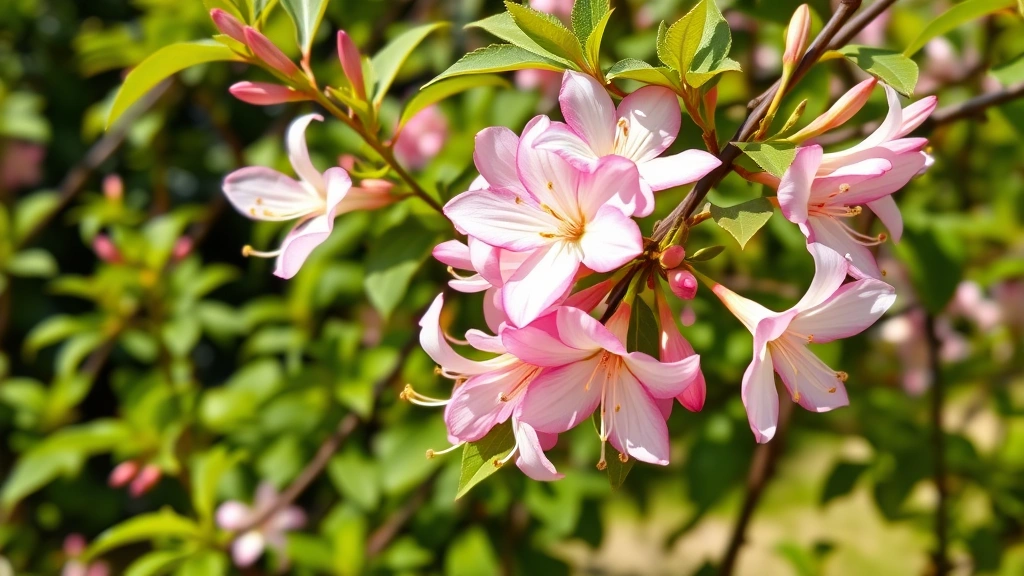
Is honeysuckle poisonous to dogs? This is a question that plagues many pet owners who love their gardens as much as they love their furry friends. The short answer: it depends on which part of the honeysuckle plant your dog gets into, but generally speaking, honeysuckle poses minimal toxicity risk to dogs compared to other common household plants.
Table of Contents
- Understanding Honeysuckle: The Plant Basics
- Honeysuckle Berries and Dog Safety
- Leaves and Stems: Are They Safe?
- Comparing Honeysuckle to Other Toxic Plants
- Symptoms to Watch For: Honeysuckle Poisoning Signs
- Different Honeysuckle Species: Know Your Plant
- Prevention: Keeping Your Dog Safe Around Honeysuckle
- What to Do If Your Dog Eats Honeysuckle
- Other Garden Plants to Worry About More
- Creating a Dog-Friendly Garden
- Frequently Asked Questions
- Conclusion: Honeysuckle and Your Furry Friend
Understanding Honeysuckle: The Plant Basics
Before we dive into the toxicity question, let’s talk about what honeysuckle actually is. Honeysuckle refers to over 180 species of flowering plants in the Lonicera genus. These beautiful vines and shrubs are beloved by gardeners for their sweet-smelling tubular flowers that come in shades of pink, white, yellow, and red. The plant produces small berries that ripen throughout the growing season, and here’s where things get interesting for dog owners.
Most honeysuckle varieties are non-toxic to dogs, which is great news if you’ve got a curious canine who likes to explore your garden. However, some species contain compounds that can cause mild gastrointestinal upset if ingested in large quantities. The toxicity varies depending on the specific honeysuckle species and which part of the plant your dog decides to munch on.
Honeysuckle Berries and Dog Safety
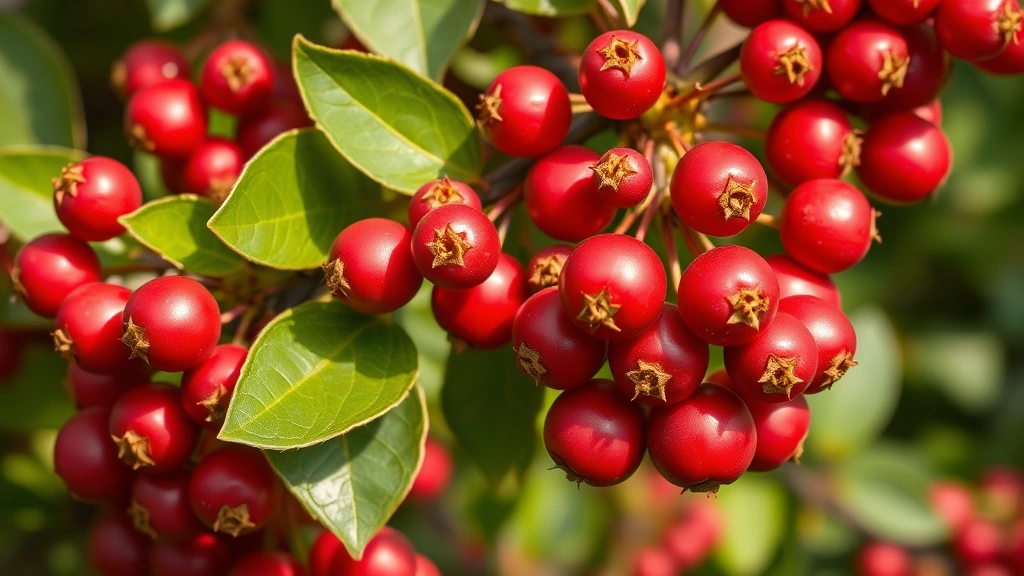
The berries are the part of the honeysuckle plant that poses the most concern for dog owners. While they’re not fatally toxic, the berries contain compounds that can cause digestive issues if your dog eats a significant amount. A few berries here and there? Probably not a problem. Your dog downing a handful of honeysuckle berries? That’s when you might see some mild symptoms like vomiting or diarrhea.
The good news is that most dogs find the berries mildly unpalatable, so they’re unlikely to eat large quantities anyway. It’s kind of nature’s built-in safety mechanism. Your pup might take a nibble out of curiosity, realize it’s not tasty, and move on to something more appealing like grass or that shoe you left by the door.
Leaves and Stems: Are They Safe?
The leaves and stems of most honeysuckle varieties are generally considered safe for dogs. They’re not particularly toxic, though they’re also not particularly appetizing to most dogs. If your dog happens to chew on a honeysuckle stem or leaf while playing in the yard, you don’t need to panic and rush to the emergency vet clinic.
That said, the stems can pose a choking hazard or cause intestinal blockage if your dog ingests large amounts, particularly if they’re a smaller breed. This is more of a mechanical concern than a toxicity issue, but it’s worth keeping in mind if you have a dog who likes to eat plants obsessively.
Comparing Honeysuckle to Other Toxic Plants
To put things in perspective, honeysuckle is far less toxic than many common household plants. Compare it to avocado and pets, which contains persin, a compound that can cause serious health issues in dogs. Or consider grapes and raisins toxicity, which can cause acute kidney failure in dogs—a genuinely scary situation that requires immediate veterinary intervention.
Honeysuckle doesn’t come close to the danger level of these plants. You’re far more likely to have problems with lilies, sago palms, or chocolate than you are with honeysuckle. This makes honeysuckle a relatively garden-friendly option if you’re trying to balance aesthetics with pet safety.
Symptoms to Watch For: Honeysuckle Poisoning Signs
If your dog does manage to eat a substantial amount of honeysuckle berries, watch for these mild symptoms: vomiting, diarrhea, stomach upset, or loss of appetite. These symptoms are typically mild and self-limiting, meaning they resolve on their own without intervention. Most dogs recover completely within 24-48 hours.
Serious symptoms like lethargy, severe abdominal pain, or inability to eat are rare with honeysuckle ingestion and would suggest something else is going on. If your dog shows any of these serious signs, that’s when you should contact your veterinarian or call the ASPCA Animal Poison Control Center at (888) 426-4435.
Different Honeysuckle Species: Know Your Plant
Here’s where it gets a bit complicated. Not all honeysuckle is created equal. The most common ornamental honeysuckles—like Japanese honeysuckle and trumpet honeysuckle—have very low toxicity to dogs. However, some less common species might have different toxicity profiles. If you’re unsure about the specific honeysuckle variety in your yard, snap a photo and take it to your local nursery or veterinarian for identification.

The berries of some honeysuckle species are actually edible for humans and are used in traditional medicine and culinary applications. This is another indicator that they’re not particularly toxic, though the fact that something is edible for humans doesn’t automatically make it safe for dogs in the same quantities.
Prevention: Keeping Your Dog Safe Around Honeysuckle
The best approach to honeysuckle safety is prevention. If you have honeysuckle in your yard and a dog who likes to eat plants, here are some practical steps you can take:
Supervise outdoor time: Keep an eye on your dog when they’re in areas where honeysuckle grows. This doesn’t mean you need to hover constantly, but periodic checks are smart.
Trim back growth: Keep honeysuckle trimmed away from areas where your dog frequently plays or rests. This reduces temptation and exposure.
Provide alternatives: Give your dog appropriate chew toys and safe plants to interact with. Check out safe vegetables for dogs if you want to offer your pup healthy snacking options.
Train your dog: If your dog has a habit of eating plants, basic obedience training to prevent this behavior is worthwhile. Teaching a solid “leave it” command can be a lifesaver.
What to Do If Your Dog Eats Honeysuckle
Stay calm. If your dog ate some honeysuckle berries or chewed on a stem, the chances of serious harm are very low. Monitor your dog for any signs of gastrointestinal upset over the next few hours. If you notice vomiting or diarrhea, make sure your dog has access to fresh water to prevent dehydration.
If symptoms are severe or persistent, or if you’re unsure whether what your dog ate was actually honeysuckle, contact your veterinarian. They can provide specific guidance based on your dog’s size, age, and health status. For poisoning concerns, telehealth advice for pet poisoning can be a convenient option if you need quick guidance outside of regular vet hours.
Other Garden Plants to Worry About More
If you’re concerned about plant toxicity in your garden, focus your energy on the truly dangerous plants. Lilies are extremely toxic to cats and cause kidney failure. Sago palms are highly toxic to dogs and can cause liver failure. Oleander, foxglove, and yew are all significantly more toxic than honeysuckle.
You might also want to be cautious about xylitol poisoning in dogs, which is a serious concern with certain sugar-free products and some baked goods that might be in your home rather than your garden.
Creating a Dog-Friendly Garden
The good news is that you don’t have to choose between a beautiful garden and a safe environment for your dog. Many attractive plants are safe for dogs. Consider adding dog-friendly options like sunflowers, roses (without pesticides), and zinnias to your garden. You can also create designated dog areas with grass, shade, and water, which reduces the temptation for your pup to explore and eat plants in other parts of the yard.
If you’re redesigning your garden with dog safety in mind, check out human food alternatives for pets for ideas on creating an enriching environment that keeps your dog happy and healthy.
Frequently Asked Questions
Is all honeysuckle toxic to dogs?
No, most honeysuckle varieties are non-toxic or have very low toxicity to dogs. The berries may cause mild gastrointestinal upset if eaten in large quantities, but serious poisoning is extremely rare. Always identify your specific honeysuckle species if you’re concerned.
How much honeysuckle would a dog need to eat to get sick?
A dog would typically need to eat a significant amount of honeysuckle berries to experience noticeable symptoms. A few berries or casual nibbling on stems is unlikely to cause problems. Small dogs might be affected by smaller quantities than large dogs due to their size.
What should I do if my dog ate honeysuckle?
Monitor your dog for signs of vomiting, diarrhea, or stomach upset over the next 24 hours. Ensure they have access to fresh water. If symptoms are severe or you’re concerned, contact your veterinarian or call the ASPCA Animal Poison Control Center at (888) 426-4435.
Are honeysuckle berries safe for dogs to eat?
Honeysuckle berries are not recommended as a treat for dogs, though they’re not fatally toxic. They can cause mild digestive upset if consumed in large quantities. It’s best to prevent your dog from eating them rather than offering them intentionally.
Can I keep honeysuckle in my yard if I have a dog?
Yes, you can keep honeysuckle in your yard with a dog. The risk is low if you supervise your dog’s outdoor time and keep the plant trimmed back from areas where your dog frequently plays. If your dog has a strong habit of eating plants, you might consider removing it or using barriers.
Conclusion: Honeysuckle and Your Furry Friend
So, is honeysuckle poisonous to dogs? The answer is nuanced but reassuring: honeysuckle is not significantly toxic to dogs, especially compared to many other common plants. While the berries can cause mild gastrointestinal upset if eaten in large quantities, serious poisoning from honeysuckle is rare.
You can absolutely have honeysuckle in your garden while keeping your dog safe. Focus on supervision, prevention, and training rather than removing the plant entirely. Reserve your worry for the truly toxic plants like lilies, sago palms, and oleander. Keep fresh water available for your dog, maintain a basic training regimen, and enjoy your beautiful garden without constant anxiety about your pup’s safety.
If you ever have specific concerns about your dog’s health or suspected poisoning, don’t hesitate to contact your veterinarian. They know your dog’s individual health status and can provide personalized guidance. Your dog can enjoy the garden, and you can enjoy your honeysuckle—it’s a win-win situation.





