

So, is it ok for dogs to chew on sticks? The short answer is: it depends, and honestly, it’s more complicated than your pup’s guilty face when caught mid-gnaw. While dogs have been chewing on sticks since the dawn of time, the reality is that stick-chewing comes with some serious risks that every dog owner should know about. Let’s dig into this woody situation and figure out what’s actually safe for your furry friend.
Table of Contents
- Why Do Dogs Love Chewing on Sticks Anyway?
- The Real Dangers of Stick Chewing for Dogs
- Which Sticks Are Most Dangerous?
- Signs Your Dog Has Stick-Related Injury
- Safe Chewing Alternatives to Sticks
- Training Your Dog to Stop Chewing Sticks
- What About Natural Chewing Instincts?
- Seasonal Considerations and Stick Chewing
- When to Call the Vet About Stick Concerns
- Special Considerations for Puppies and Senior Dogs
- Frequently Asked Questions
- The Bottom Line: Sticks Aren’t Worth the Risk
Why Do Dogs Love Chewing on Sticks Anyway?
Dogs are natural chewers—it’s hardwired into their DNA. When your pup spots a stick, their brain lights up like it’s Christmas morning. Chewing satisfies their instinct to explore, helps clean their teeth (sort of), provides mental stimulation, and gives them something to do when they’re bored. Plus, sticks are free, abundant, and smell like the great outdoors. From a dog’s perspective, they’re basically nature’s perfect toy.
The problem? Dogs don’t have the critical thinking skills to realize that not all sticks are created equal, and some can seriously hurt them. They’ll happily munch on a stick without considering the consequences—kind of like how they’ll eat their own vomit without hesitation.
The Real Dangers of Stick Chewing for Dogs
Here’s where things get serious. Stick chewing isn’t just a harmless quirk; it can lead to some genuinely dangerous situations. One of the biggest risks is gastrointestinal obstruction. When dogs chew sticks, splinters can lodge in their mouth, throat, or digestive tract. These splinters don’t break down like food does—they can accumulate and create a blockage that requires emergency surgery.
Splinters can also perforate the intestinal walls, causing peritonitis (infection in the abdominal cavity), which is life-threatening. We’re talking about emergency vet visits that cost thousands of dollars and potentially losing your dog if the damage is severe enough.
Beyond obstruction, stick chewing can cause choking, mouth lacerations, tooth fractures, and infections. Some sticks contain toxic compounds or have been treated with pesticides or fungicides. And if your dog is chewing on sticks from certain trees—like cherry, apple, or peach—they could be ingesting cyanogenic glycosides, which are poisonous.
Which Sticks Are Most Dangerous?
Not all sticks pose equal risk, though the safest stick is arguably no stick at all. Certain types are particularly problematic. Sticks from toxic trees like yew, sago palm, and oleander can poison your dog. Sticks that are rotting or moldy can harbor dangerous fungi and bacteria. Thin, splintery sticks are worse than thicker ones because they break apart more easily. Sticks that have been treated with chemicals, pesticides, or wood stain are absolutely off-limits.
Additionally, sticks from trees with thorns or sharp edges (like blackthorn or hawthorn) can cause puncture wounds in the mouth and digestive tract. Painted sticks are also dangerous because the paint might contain lead or other toxic substances. Basically, if you’re not 100% sure about the stick’s origin and safety, assume it’s dangerous.
Signs Your Dog Has Stick-Related Injury
If your dog has been chewing on sticks, watch for warning signs. Vomiting, loss of appetite, lethargy, abdominal pain, constipation, or diarrhea can indicate an obstruction or internal injury. Drooling excessively, difficulty swallowing, or visible wounds in the mouth are red flags. Some dogs might seem fine initially but develop symptoms days later as inflammation or infection sets in.
If you notice any of these signs, contact your vet immediately. Don’t wait to see if it resolves on its own—gastrointestinal obstructions are emergencies. Your vet might need to perform X-rays, ultrasounds, or even surgery to assess the damage. This is where having emergency vet for food poisoning information saved becomes invaluable, though stick injuries fall into the broader emergency category.
Safe Chewing Alternatives to Sticks
The good news? There are plenty of safe alternatives that satisfy your dog’s chewing urge without the stick-related risks. Rubber chew toys like Kongs are excellent—they’re durable, can be filled with treats, and won’t splinter. Rope toys are great for interactive play and help clean teeth. Bully sticks and yak chews are natural, digestible options that keep dogs occupied for hours.
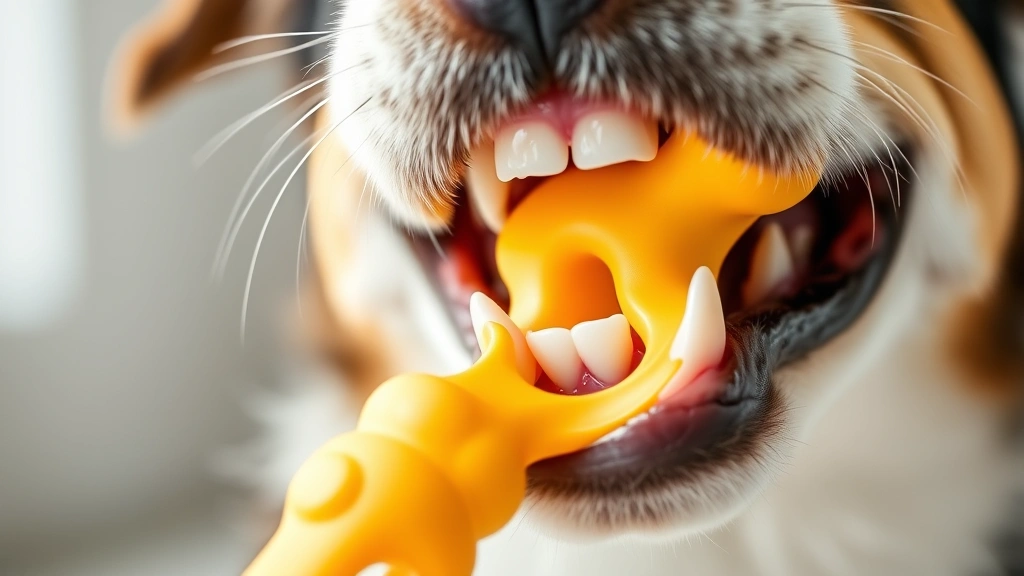
Dental chews designed for dogs are specifically formulated to be safe and beneficial for oral health. Puzzle toys provide mental stimulation while they chew. Rawhide alternatives made from natural materials are safer than traditional rawhide. Even frozen carrots or apples (in moderation) can provide a satisfying chew experience while offering some nutritional benefit. For more information on safe food options, check out our guide on vet approved human foods for pets.
Training Your Dog to Stop Chewing Sticks
Breaking the stick-chewing habit requires consistency and patience. First, supervise outdoor time closely and redirect your dog’s attention when they reach for a stick. Use a firm “leave it” command and immediately offer an approved alternative toy. Positive reinforcement works better than punishment—reward your dog enthusiastically when they choose the safe toy over the stick.
Make sure your dog gets enough physical exercise and mental stimulation throughout the day. A bored dog is more likely to seek out sticks for entertainment. Puzzle toys, training sessions, and regular play sessions can significantly reduce the urge to chew sticks. Some dogs are more prone to stick-chewing than others, so be patient if your pup is particularly stubborn about this habit.
What About Natural Chewing Instincts?
It’s important to recognize that chewing is a normal, healthy behavior for dogs. The goal isn’t to eliminate chewing entirely—it’s to redirect it toward safe options. Dogs need to chew for dental health, stress relief, and mental stimulation. Preventing all chewing would be like trying to stop your kid from playing; it’s not realistic or healthy.
The key is providing appropriate outlets for this instinct. Rotate toys regularly to keep them interesting. Offer a variety of textures and types of chew toys. Some dogs prefer soft toys, while others like harder materials. Experiment to find what your dog loves most, then stock up on those safe alternatives.
Seasonal Considerations and Stick Chewing
Stick-chewing often increases during certain seasons. Spring and early summer bring fresh branches and fallen twigs. Fall is notorious for sticks dropping from trees. Winter sticks might be frozen and more prone to splintering. Be especially vigilant during these seasons and keep your yard clear of fallen branches and twigs.
If you have trees in your yard, regularly rake up fallen sticks and branches. Trim low-hanging branches that your dog might reach. This simple maintenance can significantly reduce the temptation and opportunity for stick-chewing.
When to Call the Vet About Stick Concerns
Don’t be shy about calling your vet if you’re concerned. If you saw your dog swallow a large piece of stick, call immediately—don’t wait for symptoms to develop. If your dog has been chewing sticks and suddenly shows any behavioral changes, appetite loss, or digestive issues, that’s a vet call. If your dog has a visible wound in their mouth from stick-chewing, get it checked out.
Your vet might recommend observation, X-rays, or other diagnostics depending on the situation. Better safe than sorry with stick-related incidents. Many vets have seen the devastating consequences of stick ingestion, so they’ll take your concerns seriously. For more on recognizing when professional help is needed, review our pet food safety guidelines, which include knowing when to seek emergency care.
Special Considerations for Puppies and Senior Dogs
Puppies are particularly prone to stick-chewing because they’re exploring the world and teething. Their smaller digestive tracts make obstructions even more dangerous. Senior dogs might have dental issues that make stick-chewing more painful or risky. Dogs with a history of digestive issues or previous obstructions should absolutely avoid sticks.

Certain breeds seem more prone to chewing sticks—retriever breeds, for instance, love carrying sticks in their mouths. If you have a breed known for this behavior, be extra vigilant and provide plenty of appropriate alternatives.
Frequently Asked Questions
Is it ever safe for dogs to chew on sticks?
While some dogs chew sticks their entire lives without incident, the risks are significant enough that most veterinarians recommend avoiding sticks altogether. If your dog does chew sticks, supervise closely and watch for any signs of distress. The safest approach is to redirect toward approved chew toys.
What should I do if my dog swallowed a stick?
Contact your vet immediately, especially if it was a large piece. Don’t induce vomiting unless your vet specifically instructs you to. Your vet might recommend observation, X-rays, or other diagnostics. Time is critical with potential obstructions.
Can sticks cause blockages in dogs?
Yes, absolutely. Stick pieces can accumulate in the digestive tract and create life-threatening blockages. This is one of the most serious risks of stick-chewing and often requires emergency surgery.
Are there any safe wood products dogs can chew on?
Yes! Wood-based chew toys specifically designed for dogs are safe because they’re formulated to break down safely if ingested. Natural sticks from trees are not the same and should be avoided.
How can I tell if my dog has a stick splinter stuck in their mouth?
Look for excessive drooling, difficulty eating, bad breath, or visible wounds in the gums or tongue. Some splinters might be visible, while others are lodged deeper. If you suspect a splinter, have your vet examine your dog.
What’s the difference between sticks and approved chew toys?
Approved chew toys are manufactured to be safe, non-splintering, and digestible (or designed not to be ingested). Natural sticks splinter easily, can harbor bacteria or toxins, and don’t break down in the digestive system.
The Bottom Line: Sticks Aren’t Worth the Risk
So, is it ok for dogs to chew on sticks? Technically, some dogs do it without problems, but the potential consequences are serious enough that it’s simply not worth the gamble. Gastrointestinal obstructions, splinter injuries, and toxic exposure are all real dangers that can cost thousands in vet bills or, worse, your dog’s life.
The good news is that there are plenty of safe, engaging alternatives that satisfy your dog’s natural chewing instinct without the risks. By providing appropriate chew toys, supervising outdoor time, and redirecting stick-seeking behavior, you can keep your pup safe while still letting them enjoy the satisfying experience of chewing.
Your dog doesn’t know the difference between a stick and a Kong—they just know they want to chew. So make the smart choice: stock your home with safe alternatives, keep your yard clear of fallen branches, and save yourself the stress and expense of a stick-related emergency. Your dog’s health is worth it.





