
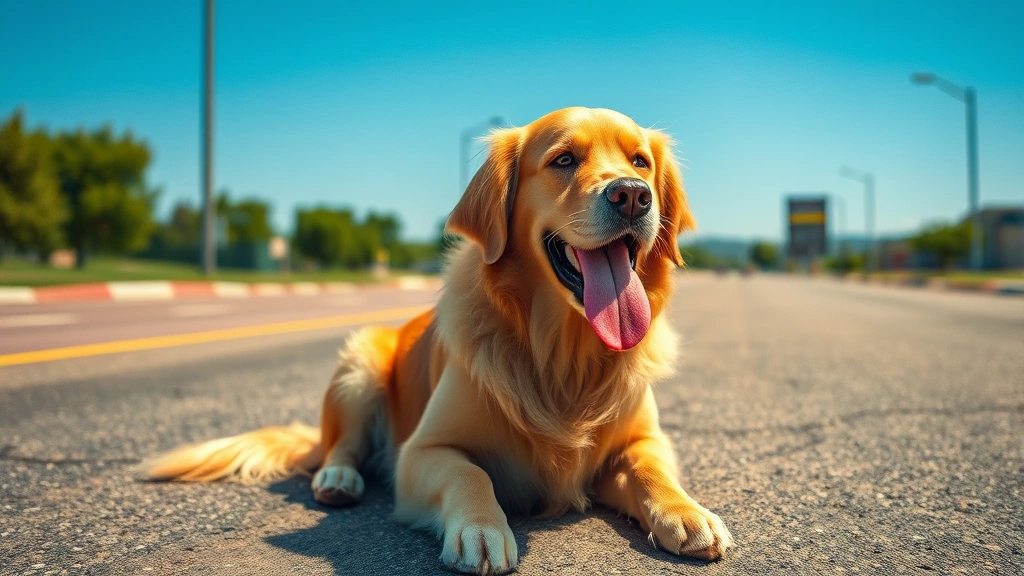
So you’re standing at the door with your pup’s leash in hand, wondering: is it too hot to walk my dog? That guilty feeling you get when Fido gives you those puppy dog eyes while the thermometer outside reads 85°F is totally valid. Summer walks can be tricky, and honestly, your dog’s safety depends on you making smart calls about heat and exercise.
Table of Contents
- How Hot Is Too Hot for Dog Walks?
- Signs Your Dog Is Overheating During Walks
- Best Times to Walk Your Dog in Summer
- Hydration and Heat: Keeping Your Pup Cool
- Protective Gear for Hot Weather Dog Walking
- Breed-Specific Heat Considerations
- When to Skip the Walk Entirely
- Emergency Response: What to Do if Your Dog Overheats
- Alternative Summer Exercise for Hot Days
- Long-Term Heat Safety Planning
- Frequently Asked Questions
Here’s the thing—dogs can’t sweat like we do. They’re basically furry heat-trapping machines, and when temperatures climb, their bodies struggle to cool down. Let’s break down everything you need to know about hot-weather dog walking so you can keep your best friend safe and happy all season long.
How Hot Is Too Hot for Dog Walks?
The magic number most vets throw around is 85°F (29°C). When the air temperature hits 85 degrees or higher, you should seriously reconsider that outdoor walk. But here’s where it gets complicated—it’s not just about the thermometer reading.
Pavement temperature is the real villain here. Asphalt can reach 140-180°F on an 85°F day, which is hot enough to literally cook your dog’s paw pads. Put your hand on the sidewalk for five seconds. If you can’t hold it comfortably, neither can your dog. This is especially critical for breeds prone to heat sensitivity like Bulldogs, Pugs, and other flat-faced dogs.
Humidity matters too. A humid 80°F day can feel more dangerous than a dry 90°F day because your dog’s body can’t cool itself as effectively through panting. The combination of heat and moisture is a recipe for heat exhaustion.

Signs Your Dog Is Overheating During Walks
Learn to recognize the red flags before they become emergencies. If you notice any of these symptoms, head inside immediately:
- Excessive panting that doesn’t slow down even after stopping
- Drooling more than usual or thick, sticky saliva
- Lethargy or reluctance to move (your normally energetic pup suddenly wants to lie down)
- Bright red gums or tongue
- Vomiting or diarrhea
- Glazed eyes or confusion
- Staggering or loss of coordination
These aren’t just “oh, my dog is tired” signals. Heat stroke in dogs can cause organ failure and death, so take this seriously. If your dog shows severe symptoms, get to an emergency vet clinic immediately.
Best Times to Walk Your Dog in Summer
Timing is everything. Early morning walks (before 7 AM) and late evening walks (after 7 PM) are your best friends during hot months. The pavement is cooler, the sun isn’t blasting down, and your dog can actually enjoy the experience.
Early morning walks also mean your dog gets exercise before the day heats up, and evening walks help tire them out before bed. It’s a win-win. Plus, you’ll probably see fewer people and other dogs, making for a more relaxed stroll.

If you absolutely must walk during midday hours, keep it brief—think 10-15 minutes max—and stick to shaded areas like parks with tree cover or residential streets with lots of shade. Avoid open fields and sunny parking lots like the plague.
Hydration and Heat: Keeping Your Pup Cool
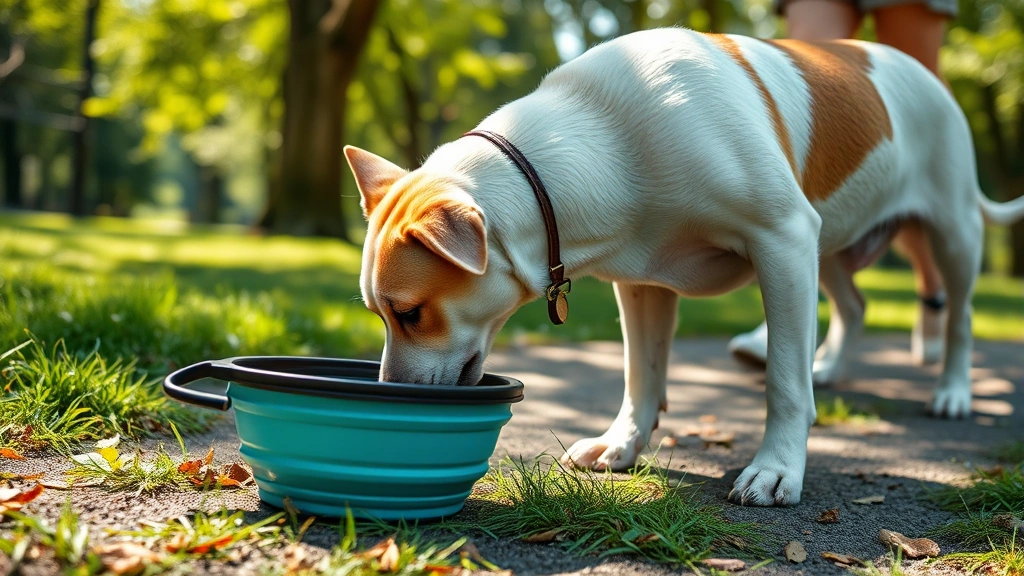
Water is non-negotiable during summer walks. Bring a collapsible bowl and offer water breaks every 10-15 minutes, even if your dog doesn’t seem thirsty. Dogs don’t always recognize when they need water, and by the time they’re panting heavily, they’re already getting dehydrated.
Consider incorporating hydrating human foods for pets into their diet on hot days—things like watermelon (without seeds) and plain pumpkin can help with fluid intake. Just keep it moderate and talk to your vet about dietary changes.
Some dogs love water so much they’ll drink stagnant puddles, which is a no-go. Stick with fresh water you bring along. Also, avoid letting your dog drink excessive amounts of cold water right after exercise, as this can cause stomach issues.
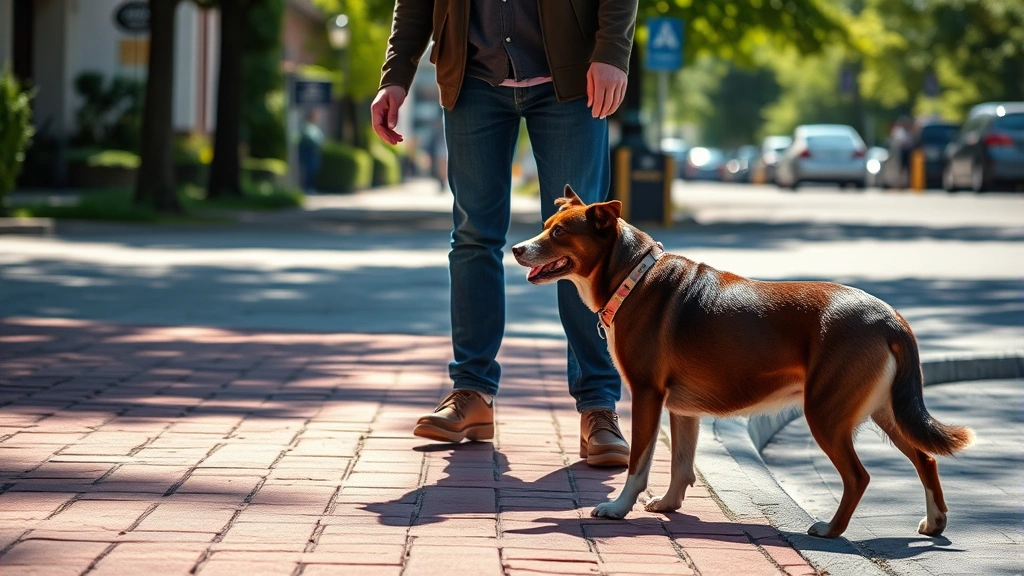
Protective Gear for Hot Weather Dog Walking
Paw protection is huge. Dog booties designed for hot pavement can save your pup’s paw pads from burns. Yeah, your dog might look like they’re wearing tiny sneakers, but it beats dealing with burned, blistered paws that won’t heal.
Some dogs benefit from cooling vests—these are specially designed jackets that use evaporative cooling technology. They’re especially helpful for thick-coated breeds or dogs with health conditions that make them heat-sensitive.
A lightweight, breathable harness is better than a collar in summer. Collars can trap heat around the neck, while harnesses distribute pressure more evenly. And skip the heavy leashes—go for a lightweight option that won’t add extra heat burden.
Breed-Specific Heat Considerations
Not all dogs handle heat the same way. Brachycephalic breeds (flat-faced dogs like Bulldogs, Pugs, Boston Terriers) are heat-sensitive because their shortened airways make panting less efficient. These dogs should have even stricter heat restrictions than other breeds.

Double-coated breeds like Golden Retrievers, German Shepherds, and Huskies have thick undercoats designed for cold climates. In summer, they overheat faster than short-haired breeds. Don’t shave your double-coated dog thinking it’ll help—their coat actually provides insulation and protection from UV rays. Instead, brush them regularly to remove loose undercoat.
Senior dogs and puppies are also more vulnerable to heat stress. Their temperature regulation isn’t as effective as adult dogs in their prime. If you have an older pup or a young one, be extra cautious with summer walks.
When to Skip the Walk Entirely
Some days, the best walk is no walk. If the temperature is above 90°F, humidity is high, or your dog has any health conditions (heart disease, respiratory issues, obesity), skip outdoor walks altogether.
On these days, keep your dog mentally stimulated indoors with puzzle toys, training sessions, or games. A tired mind is almost as good as a tired body. Set up an obstacle course in your living room, play hide-and-seek with treats, or practice commands. Your air-conditioned home is your friend.

If your dog suffers from anxiety during heat waves, you might want to explore calming foods for anxious pets to help them relax indoors.
Emergency Response: What to Do if Your Dog Overheats
If you suspect heat stroke, act fast. Move your dog to a cool area immediately—preferably air conditioning. Don’t use ice water; cool (not cold) water is better because extreme temperature changes can cause shock.
Wet your dog down with cool water, focus on the belly, inner thighs, and neck where blood vessels are close to the surface. You can also use cool (not frozen) washcloths on these areas. Get to an emergency vet clinic right away, even if your dog seems to recover. Heat stroke can cause internal damage that isn’t immediately obvious.
Contact your regular vet for guidance while you’re heading to the emergency clinic. They may recommend specific cooling techniques or want to see your dog immediately.
Alternative Summer Exercise for Hot Days
Who says exercise has to mean pavement pounding? Swimming is fantastic for hot-weather exercise. If you have access to a dog-friendly pool, lake, or beach, water activities are perfect for summer. Dogs cool off while getting great exercise, and most dogs love it.
Indoor alternatives include treadmill training (yes, dog treadmills exist), agility training in air-conditioned spaces, or even doggy daycare facilities with climate control. Some facilities have indoor pools too.
Mental exercise counts too. Training sessions, puzzle toys, and scent work tire dogs out without the physical heat stress. A 20-minute training session can be as exhausting as a 30-minute walk.
Long-Term Heat Safety Planning
Start preparing for summer heat in spring. Get your dog a vet checkup to rule out any underlying health conditions that could make heat sensitivity worse. Discuss your dog’s specific heat tolerance with your vet—they know your pup’s medical history best.

Keep your dog at a healthy weight. Overweight dogs struggle more with heat regulation, so if your pup is carrying extra pounds, summer is motivation to work on fitness. Just do it gradually and safely.
Consider pet insurance or have an emergency fund set aside. Heat-related emergencies can mean expensive vet bills, and you want to be able to afford immediate care without stress.
If you notice your dog is having recurring issues with heat sensitivity or if they have any medical conditions that worsen in summer, consult with your vet about whether telehealth options might help. Many vets now offer telehealth advice for pet poisoning and other emergencies, which can be helpful for quick consultations on hot days.
Frequently Asked Questions
What’s the best temperature to walk my dog?
Below 75°F is ideal for most dogs. Between 75-85°F requires caution and shorter walks. Above 85°F, reconsider outdoor walks entirely, especially for heat-sensitive breeds. Check pavement temperature—if it’s too hot for your hand, it’s too hot for paws.

Can I use sunscreen on my dog?
Dog-specific sunscreen is safe (human sunscreen can be toxic). Focus on areas with thin fur like the nose, ears, and belly. However, sunscreen isn’t a replacement for avoiding peak heat hours. It’s an additional protective measure, not a solution.
Should I get my dog’s fur cut short for summer?
For single-coated breeds, a slight trim is fine. For double-coated breeds, avoid shaving—their coat protects them from UV rays and actually helps regulate temperature. Regular brushing to remove loose undercoat is better than shaving.
How often should I offer water during walks?
Every 10-15 minutes during summer walks. Bring a collapsible bowl and fresh water. Don’t wait for your dog to show signs of dehydration—prevention is easier than treatment.
Is it ever safe to leave my dog in a car during summer?
No. Full stop. Cars heat up to dangerous temperatures within minutes, even with windows cracked. A car can reach 120°F in just 30 minutes on an 85°F day. Never leave your dog unattended in a vehicle during warm months.
What breeds are most at risk for heat stroke?
Brachycephalic breeds (Bulldogs, Pugs, Boston Terriers, Boxers), double-coated breeds (Huskies, Golden Retrievers, German Shepherds), senior dogs, puppies, and overweight dogs. But any dog can overheat in extreme conditions.
Can I give my dog ice cream or popsicles to cool down?
Plain ice (dog-safe popsicles are fine) can help, but don’t overdo it. Excessive cold can cause stomach upset. Water is still the best cooling method. Avoid ice cream with xylitol or excessive sugar.
What should I do if my dog refuses to walk in the heat?
Your dog is telling you something—listen to them. They might be sensing the heat danger. Skip the walk and do indoor activities instead. Some dogs are smarter about their limits than we give them credit for.





