
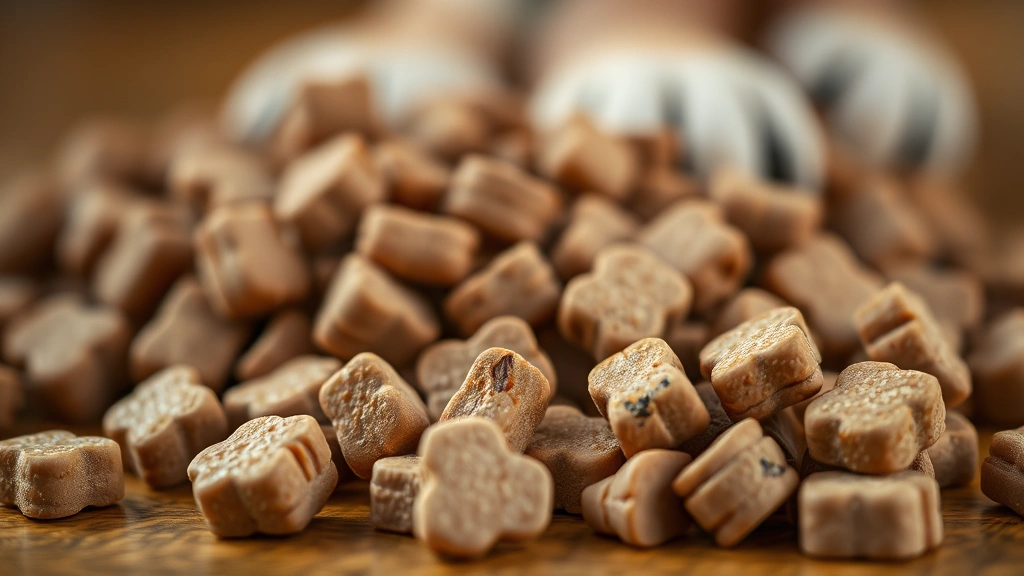
So, is natural balance a good dog food? That’s the question every dog parent asks when scrolling through pet food options at 10 PM, wondering if Fido deserves better than whatever’s on sale. Let’s cut through the marketing fluff and actually talk about whether Natural Balance lives up to the hype.
Table of Contents
- What Exactly Is Natural Balance Dog Food?
- Ingredient Quality: The Good, The Meh, and The Questionable
- Nutritional Profile and AAFCO Standards
- Real-World Performance: What Dog Owners Actually Report
- Price Point: Is It Worth the Investment?
- Special Formulas: Limited Ingredient and Grain-Free Options
- Comparison With Other Premium Brands
- Potential Health Concerns and Recalls
- Treats and Supplements: Building a Complete Nutrition Plan
- What Veterinarians Say About Natural Balance
- The Honest Verdict: Is Natural Balance Good Dog Food?
- Frequently Asked Questions
- Final Thoughts: Making the Right Choice for Your Dog
What Exactly Is Natural Balance Dog Food?
Natural Balance has been around since 1989, which means they’ve had over three decades to figure out what dogs actually need. The brand positions itself as a premium dog food made with natural ingredients and limited ingredient formulas. But “natural” is one of those words that sounds fancy at a dinner party but doesn’t mean much legally in the pet food world. Unlike “organic,” there’s no FDA standard for “natural” in dog food, so basically any brand can slap that label on their bags.
The company offers various lines including Limited Ingredient Diets (LID), grain-free options, and breed-specific formulas. They claim to use high-quality proteins and avoid artificial colors, flavors, and preservatives. Sounds good so far, right?
Ingredient Quality: The Good, The Meh, and The Questionable
Here’s where things get interesting. Natural Balance’s ingredient lists vary depending on which formula you pick, but let’s talk about what we typically see. The protein sources are usually decent—chicken, beef, fish, or lamb appear early in the ingredient list, which is what you want. However, some formulas include meat by-products and corn meal, which aren’t exactly premium ingredients.
The brand does avoid artificial preservatives, using mixed tocopherols (vitamin E) instead. That’s a legitimate plus. They also skip artificial colors and flavors, which is increasingly becoming table stakes for premium brands. But here’s the thing: just because a food avoids artificial ingredients doesn’t automatically make it superior. Some of their grain-inclusive formulas contain corn and wheat, which can be problematic for dogs with sensitivities.
If you’re considering Natural Balance for a pup with allergies, their chicken-free dog food options might be worth exploring, though you’ll want to check the specific formula’s ingredient deck carefully.
Nutritional Profile and AAFCO Standards
Natural Balance formulas are AAFCO-certified, meaning they meet minimum nutritional standards established by the Association of American Feed Control Officials. That’s the baseline—it’s like saying a restaurant passes health inspection. It doesn’t mean the food is amazing; it means it’s not going to poison your dog.
Most Natural Balance formulas provide adequate protein (typically 18-25% for adult dogs), fat content (10-15%), and fiber. The calorie content varies, but most hover around 350-400 calories per cup. For an average 50-pound dog, that works out to about 1,400-1,600 calories daily, depending on activity level.
The macro breakdown is reasonable, but “reasonable” doesn’t always mean “optimal.” Some competing premium brands offer higher protein percentages and better digestibility rates, though you’ll typically pay more for those.
Real-World Performance: What Dog Owners Actually Report
Let’s be honest—the best test of dog food is whether your actual dog thrives on it. Customer reviews are mixed, which is telling. Some owners rave about their dogs’ coat quality and energy levels after switching to Natural Balance. Others report digestive issues, including loose stools and gas (which, let’s face it, nobody wants in their house).
The digestive issues seem more common with their grain-free formulas, which aligns with emerging research suggesting grain-free diets may not be ideal for all dogs. If your pup has a sensitive stomach, this might not be the best choice unless you’re specifically trying a limited ingredient formula for allergy management.
One consistent theme: Natural Balance tends to be a middle-ground option. It’s better than grocery store brands like Purina or Pedigree, but it doesn’t consistently outperform other premium brands like Orijen, Acana, or even some veterinary-recommended options.
Price Point: Is It Worth the Investment?
Natural Balance typically costs between $30-50 for a 28-30 pound bag, depending on where you shop and which formula you choose. That puts it in the “premium” category but not the “luxury” tier. For comparison, you’re paying more than mainstream brands but less than ultra-premium options.
The real question: do you get what you pay for? Partially. You’re definitely getting better ingredients than budget brands, but you might not be getting significantly better results than some options at similar price points. It’s a decent value play, not a steal, and not overpriced either.

Special Formulas: Limited Ingredient and Grain-Free Options
Natural Balance’s Limited Ingredient Diet (LID) line is probably their strongest offering. These formulas are genuinely useful for dogs with allergies or sensitivities. They typically feature a single protein source and exclude common allergens like corn, wheat, and soy. If your dog is itchy, has ear infections, or experiences chronic digestive issues, an LID formula might actually help.
Their grain-free line, however, deserves some caution. The FDA has investigated potential links between grain-free diets and dilated cardiomyopathy (DCM), a serious heart condition. While no definitive causal relationship has been proven, many veterinarians now recommend avoiding grain-free formulas unless there’s a specific medical reason. If your dog doesn’t have grain sensitivities, stick with their grain-inclusive options.
Comparison With Other Premium Brands
How does Natural Balance stack up against competitors? Let’s do a quick rundown:
vs. Nutrish: Nutrish dog food is often cheaper and uses celebrity endorsements to market itself. Natural Balance has better ingredient transparency, but Nutrish isn’t terrible—it’s just a different positioning strategy.
vs. Orijen/Acana: These Canadian brands offer higher protein percentages and more meat-based formulas. They’re pricier but deliver noticeably better results for many dogs. If your budget allows, these are stronger choices.
vs. Merrick/Taste of the Wild: Similar price point, similar ingredient philosophy. Merrick tends to have slightly better ingredient quality, while Taste of the Wild is more budget-friendly within the premium category.
Potential Health Concerns and Recalls
Natural Balance has had recalls over the years—most notably in 2012 for potential salmonella contamination. That was over a decade ago, but it’s worth noting. Since then, their recall history has been relatively clean compared to some competitors, though no brand is perfect.
The bigger concern isn’t dramatic recalls but subtle issues: some formulas may cause digestive upset in sensitive dogs, and their grain-free line carries the theoretical DCM risk mentioned earlier. These aren’t deal-breakers, but they’re worth considering.
Treats and Supplements: Building a Complete Nutrition Plan
If you choose Natural Balance kibble, consider pairing it with quality treats. Meat-based treats for dogs complement grain-inclusive kibble well and provide mental enrichment. Just watch the calorie count—treats should be no more than 10% of daily calories. Obesity and human food treats is a real issue, and Natural Balance kibble, while decent, won’t prevent weight gain if you’re overfeeding treats.
For dogs on Natural Balance, consider adding safe vegetables for dogs as toppers—carrots, green beans, and pumpkin add nutrients and fiber without breaking the calorie bank. Avoid toxic vegetables for dogs like onions, garlic, and grapes, obviously.
What Veterinarians Say About Natural Balance
Veterinarians generally view Natural Balance as “fine, but not exceptional.” It’s not a brand they typically recommend first, but they’re not warning clients away from it either. Most vets would prefer you feed a consistently good food that your dog tolerates well than constantly switch between premium brands.
That said, vets often recommend prescription diets or veterinary-formulated brands for dogs with specific health issues. Natural Balance is more of a “healthy dog” food than a therapeutic one.
The Honest Verdict: Is Natural Balance Good Dog Food?
Here’s the real answer: Natural Balance is decent dog food for most healthy dogs, but it’s not exceptional. It sits comfortably in the “good but not great” category. You’re getting real meat, no artificial junk, and AAFCO certification. Your dog will probably be fine on it, and some dogs will genuinely thrive.
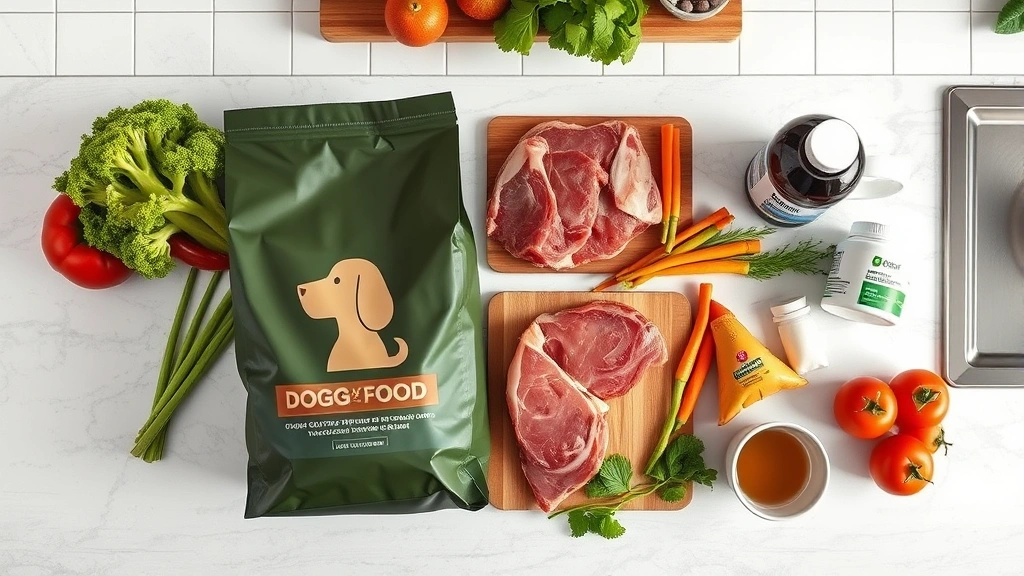
However, you might see better results with premium brands, and you might pay less with solid mid-tier options. Natural Balance is the middle path—respectable without being remarkable.
Choose Natural Balance if: Your dog does well on it, you want to avoid artificial ingredients, you’re looking for limited ingredient options for allergies, or you’ve found a formula that works and your dog’s coat looks good.
Skip it if: Your dog has chronic digestive issues (unless trying their LID line), you want the absolute highest protein content, or you’re willing to pay premium prices for premium results (in which case, explore Orijen or Acana).
Frequently Asked Questions
Is Natural Balance better than Purina or Pedigree?
Yes, significantly. Purina and Pedigree are mainstream brands with more fillers and lower-quality protein sources. Natural Balance uses better ingredients, though it’s not in the ultra-premium category. If you’re upgrading from those brands, your dog will likely benefit.
Will Natural Balance help with my dog’s allergies?
Their Limited Ingredient Diet line is specifically designed for allergies and is worth trying. However, if your dog has serious allergies, work with your vet—they might recommend a prescription diet instead. Natural Balance LID is a good middle-ground option for mild sensitivities.
Is Natural Balance grain-free safe?
The grain-free line carries theoretical concerns about DCM. Unless your dog has a diagnosed grain sensitivity, stick with their grain-inclusive formulas. Most dogs actually do fine with grains.
How much does Natural Balance cost compared to other brands?
Expect $30-50 for a 28-30 pound bag. That’s premium pricing but not ultra-luxury. It’s more expensive than grocery store brands but comparable to other premium options like Merrick or Taste of the Wild.
Do vets recommend Natural Balance?
Vets view it neutrally—not a top recommendation, but not discouraged either. They generally prefer consistent feeding of a decent food over constant switching between brands.
What’s the best Natural Balance formula?
Their Limited Ingredient Diet line is their strongest offering, especially for dogs with sensitivities. For healthy dogs without allergies, their regular grain-inclusive formulas are solid middle-ground options.
Final Thoughts: Making the Right Choice for Your Dog
At the end of the day, the best dog food is the one your dog eats well, maintains a healthy weight on, and shows good energy and coat quality with. Natural Balance can be that food for many dogs. It’s not going to blow your mind with results, but it’s respectable, reasonably priced, and widely available.
If you’re currently feeding your dog a low-quality mainstream brand, switching to Natural Balance will likely be an upgrade. If you’re already feeding a premium brand and your dog’s doing great, there’s no compelling reason to switch. And if you want the absolute best results and have the budget, exploring higher-tier options might be worth it.
The most important thing? Actually pay attention to your dog. Look at their coat, energy level, stool quality, and overall health. That’s the real test of whether any food—Natural Balance or otherwise—is working for your pup.





