
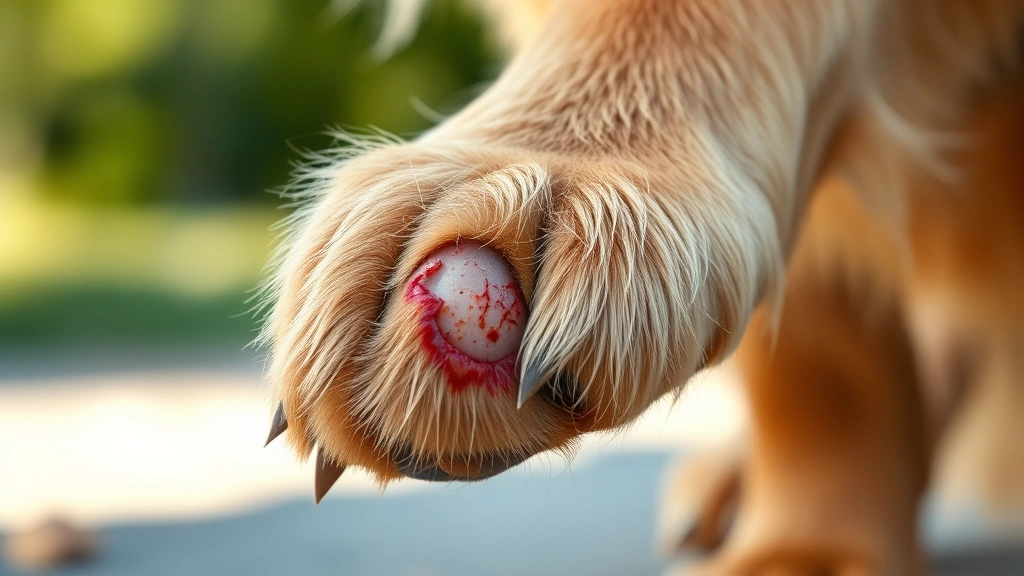
So your furry friend got a scrape, and your first instinct is to raid the medicine cabinet for that trusty tube of Neosporin—but hold up! Is Neosporin safe for dogs? The answer isn’t a simple yes or no, and there’s definitely some nuance here that every dog owner should understand before slathering antibiotics on Fido’s wound.
Table of Contents
- What Exactly Is Neosporin, Anyway?
- The Short Answer: Neosporin Is Generally Safe, But With Caveats
- Why Vets Prefer Alternatives to Neosporin for Dogs
- The Neomycin Problem: Allergic Reactions in Dogs
- What About Neosporin with Pain Relief?
- When Neosporin Might Be Acceptable (But Still Not Ideal)
- Better Alternatives to Neosporin for Your Dog
- Preventing Wound Licking: The Real Challenge
- Signs Your Dog’s Wound Needs Veterinary Attention
- The Bottom Line on Neosporin and Dogs
- Frequently Asked Questions
What Exactly Is Neosporin, Anyway?
Neosporin is a topical antibiotic ointment that’s been a household staple since the 1950s. It contains three active ingredients: neomycin, bacitracin, and polymyxin B. These antibiotics work together to prevent bacterial infection in minor cuts, scrapes, and burns. For humans, it’s basically a miracle worker for those annoying paper cuts and kitchen mishaps.
But dogs aren’t tiny humans with fur. Their skin pH is different, their licking habits are questionable at best, and their sensitivity to certain compounds can surprise even experienced pet owners. Understanding what’s actually in that tube matters when you’re deciding whether to use it on your pup.
The Short Answer: Neosporin Is Generally Safe, But With Caveats
Here’s the truth that vets will tell you: Neosporin isn’t toxic to dogs in small amounts. If your dog licked a tiny bit off their wound, you’re probably not looking at an emergency vet visit. However—and this is a big however—there are several reasons why vets don’t recommend it as a first-line treatment for canine wounds.
The main culprit? Neomycin. This ingredient can cause allergic reactions and contact dermatitis in some dogs, especially those with sensitive skin or existing skin conditions. Additionally, the ointment’s greasy base can trap moisture and bacteria against the wound, potentially making things worse rather than better.
Why Vets Prefer Alternatives to Neosporin for Dogs
Veterinarians have good reasons for steering you away from standard Neosporin. First, dogs have an overwhelming urge to lick their wounds—it’s instinctual, even though it’s counterproductive. When your dog licks Neosporin off, they’re ingesting those antibiotics, which might cause gastrointestinal upset or allergic reactions.
Second, chlorhexidine for dogs is often a vet-preferred alternative because it’s specifically formulated for canine use and less likely to cause irritation. Chlorhexidine is antimicrobial without the greasy residue that encourages licking and moisture buildup.
Third, some dogs have sensitivities to neomycin specifically. You might not know your dog has this sensitivity until you apply the ointment and their skin reacts poorly. Vets would rather use products tested and approved specifically for veterinary use.
The Neomycin Problem: Allergic Reactions in Dogs
Let’s talk about neomycin specifically, because this is where things get interesting. Neomycin is known to cause contact dermatitis and allergic reactions in both humans and dogs. Some dogs develop an itchy, red rash at the application site within hours or days of exposure.
If your dog has a history of skin allergies, ear infections, or sensitive skin, they’re at higher risk for a neomycin reaction. Signs include excessive scratching, redness, swelling, or hair loss around the treated area. If you notice these symptoms after applying Neosporin, wash it off immediately with warm water and contact your vet.
What About Neosporin with Pain Relief?
Some versions of Neosporin contain an additional ingredient: lidocaine, a local anesthetic for pain relief. Here’s where you absolutely need to pump the brakes. Lidocaine can be toxic to dogs if ingested in sufficient quantities, and given that dogs love to lick their wounds, this is a real concern.
Skip the pain relief versions entirely. If your dog is in pain from a wound, your vet has safer pain management options. This isn’t a situation where the human version is appropriate for canine use.
When Neosporin Might Be Acceptable (But Still Not Ideal)
If you’ve already applied a small amount of regular Neosporin (without pain relief) to a minor scrape and your dog hasn’t shown any adverse reactions, don’t panic. A single application of a tiny amount is unlikely to cause serious harm. However, this doesn’t mean you should make it a habit.
The key is prevention: use an Elizabethan collar (cone) to prevent licking, keep the wound clean with saline solution, and monitor for any signs of irritation. If the wound isn’t improving in a few days or shows signs of infection, when to call the vet about food and other health concerns applies to wounds too—don’t wait.
Better Alternatives to Neosporin for Your Dog
So what should you actually use? Here are vet-approved options:
- Saline solution: The safest first step. Just clean the wound gently with saline and let it air dry.
- Veterinary-specific antibiotic ointments: Products like Vetericyn or other vet-formulated options are designed with canine skin in mind.
- Chlorhexidine solution: As mentioned earlier, this is a solid antimicrobial choice that vets frequently recommend.
- Honey-based wound care: Medical-grade honey has antimicrobial properties and won’t harm your dog if licked.
These alternatives are either specifically formulated for dogs or have a lower risk profile than standard Neosporin.
Preventing Wound Licking: The Real Challenge
Here’s the uncomfortable truth: the biggest danger with any topical treatment on a dog isn’t the product itself—it’s your dog’s compulsive need to lick it off. Dogs lick wounds for several reasons: instinct, boredom, anxiety, or because it actually feels good to them.
The solution? An Elizabethan collar (cone) or recovery suit. Yes, your dog will hate it. Yes, they’ll give you the saddest eyes imaginable. But preventing them from licking the wound is more important than any topical ointment you apply. This is especially true for any wound that needs to stay clean and dry to heal properly.
Signs Your Dog’s Wound Needs Veterinary Attention
Don’t try to DIY every scrape. Contact your vet if:

- The wound is deep, gaping, or won’t stop bleeding after 10 minutes of pressure
- The wound shows signs of infection: pus, excessive redness, swelling, warmth, or a foul odor
- Your dog is limping or won’t put weight on the affected area
- The wound is on the face, paw, or near the eyes or genitals
- Your dog seems lethargic or has a fever
- The wound was caused by a bite or something dirty
When in doubt, call your vet. It’s better to be overcautious than to deal with a serious infection later. If you’re concerned about costs, pet poison hotline resources and your vet’s office can discuss payment options.
The Bottom Line on Neosporin and Dogs
Is Neosporin safe for dogs? Technically, small amounts of regular Neosporin aren’t toxic, but that doesn’t make it the right choice for treating your dog’s wounds. The risk of allergic reactions, the likelihood of your dog licking it off, and the availability of better alternatives make it a product you should skip.
Instead, reach for saline solution, use a cone to prevent licking, and contact your vet if the wound doesn’t improve in a few days. Your dog’s skin is different from yours, and they deserve products specifically designed with their needs in mind. Save the Neosporin for your own paper cuts and let your vet guide wound care for your furry friend.
Frequently Asked Questions
Can I use Neosporin on my dog’s paw pad?
Paw pads are especially problematic because dogs lick their feet constantly. Avoid Neosporin here and use a vet-approved alternative instead. If the pad is injured, a protective bootie and veterinary guidance are your best bets.
What if my dog ate Neosporin?
Small amounts of Neosporin are unlikely to cause serious toxicity, but monitor your dog for signs of gastrointestinal upset like vomiting, diarrhea, or loss of appetite. If your dog ingested a large amount or shows concerning symptoms, contact your vet or pet poison hotline immediately.
Is Neosporin okay for dogs with sensitive skin?
Absolutely not. Dogs with sensitive skin or a history of allergies are at higher risk for neomycin reactions. Stick with vet-approved products formulated for sensitive skin instead.
Can I use Neosporin Plus (with pain relief) on my dog?
No. The lidocaine in Neosporin Plus can be toxic to dogs, especially if ingested through licking. Avoid this version entirely and ask your vet about safe pain management options if needed.
How long should I wait before bathing my dog after applying a topical treatment?
This depends on the specific product. Most vet-approved wound treatments should stay on for at least a few hours. Check the product instructions or ask your vet for specific guidance on your chosen treatment.
What’s the difference between Neosporin and veterinary antibiotic ointments?
Veterinary-specific ointments are formulated with canine skin pH and safety in mind. They’re less likely to cause allergic reactions and are designed to discourage licking better than human products. They’re worth the extra cost.





