
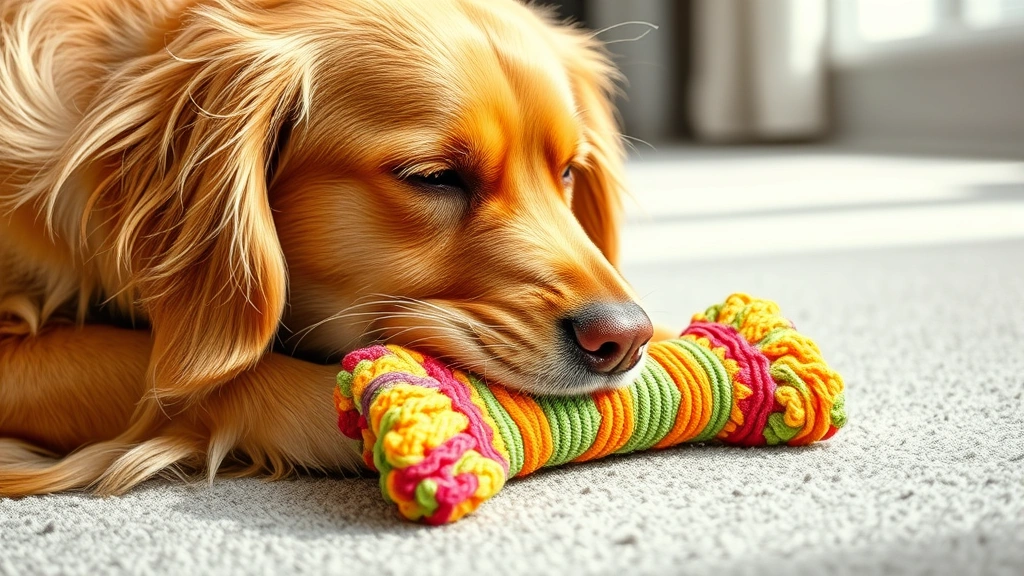
So, is Nylabone safe for dogs? The short answer is: mostly yes, but with some important caveats that every dog owner needs to know. As a vet tech who’s seen plenty of pups chewing away on these colorful nylon toys, I can tell you the reality is more nuanced than the marketing suggests. Let’s dig into what makes Nylabones tick, when they’re great, and when they might cause problems for your furry friend.
Table of Contents
- What Exactly Is a Nylabone?
- The Safety Profile: What the Research Says
- Potential Risks and When Things Go Wrong
- Dog Chewing Behavior and Individual Risk Factors
- Safe Nylabone Usage: The Rules You Need to Follow
- Safer Alternatives to Nylabones
- Warning Signs Your Dog Is Having Problems
- What Veterinarians Actually Recommend
- Nylabone Types and Which Are Safest
- Making the Right Choice for Your Dog
- Frequently Asked Questions
What Exactly Is a Nylabone?
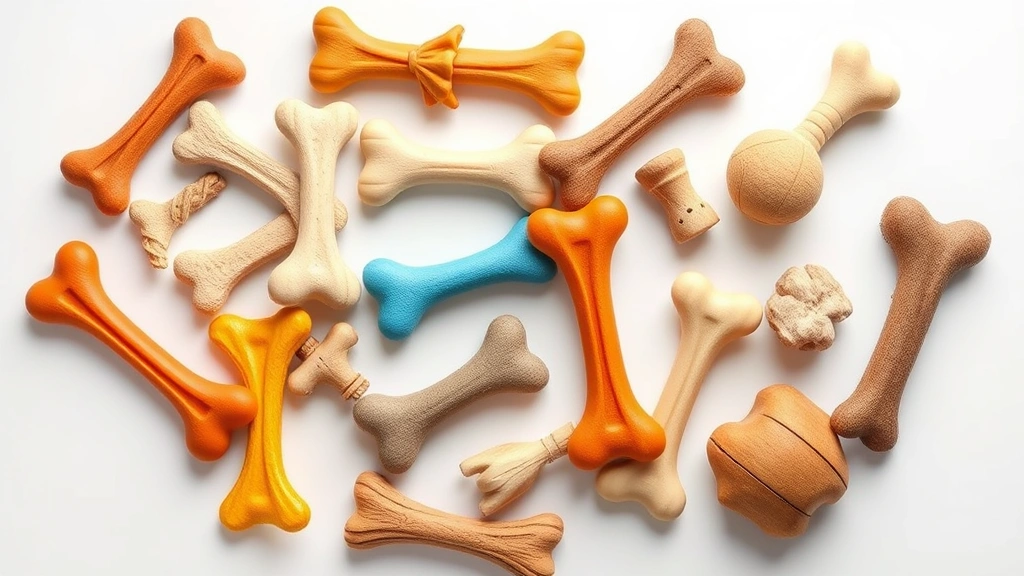
Nylabones are chew toys made from nylon polymer material, designed to satisfy your dog’s natural urge to chew. They come in various flavors (peanut butter, chicken, bacon—basically anything that makes dogs drool) and different sizes for different dog breeds. The idea is simple: give your pup something safe and durable to gnaw on instead of your furniture or shoes.
The brand has been around since the 1950s and has become a household name in the pet industry. You’ll find them in virtually every pet store, and most dog owners have at least one lying around their house. But popularity doesn’t always equal safety, which is why we need to dig deeper.
The Safety Profile: What the Research Says
From a veterinary standpoint, Nylabones are generally considered safe when used appropriately. The FDA doesn’t classify them as a drug or medication, so they don’t undergo the same rigorous testing as pharmaceuticals. However, the American Kennel Club (AKC) does acknowledge them as acceptable chew toys for many dogs.
That said, there have been scattered reports over the years of dogs experiencing issues from Nylabone chewing. These incidents, while relatively rare, are worth understanding. The key factor isn’t necessarily the Nylabone itself, but how your individual dog interacts with it.
Potential Risks and When Things Go Wrong
Here’s where we get real: some dogs are aggressive chewers who can break off pieces of the nylon. If your dog swallows these fragments, you’re looking at potential intestinal blockage—a serious condition that might require surgery. This is the primary concern veterinarians have about Nylabones.
Additionally, some dogs may experience digestive upset if they ingest small pieces. We’re talking vomiting, diarrhea, or constipation. While these symptoms are usually mild and self-resolving, they’re still uncomfortable for your pup and stressful for you.
Dental issues are another consideration. Overly aggressive chewing on hard nylon can wear down tooth enamel or even crack teeth, particularly in senior dogs or those with pre-existing dental problems. This is something many owners don’t realize until they’re sitting in the vet’s office with a $2,000 dental extraction bill.
Dog Chewing Behavior and Individual Risk Factors
Not all dogs are created equal when it comes to chewing habits. A gentle, moderate chewer might have a Nylabone for years without incident. A power chewer who treats toys like they’re personal enemies? That’s a different story entirely.
Puppies are particularly risky candidates for Nylabones because they’re still learning bite control and are more likely to swallow pieces. Senior dogs with compromised teeth or digestive systems are also higher risk. Dogs with a history of eating non-food items (pica) should probably skip Nylabones altogether.
Breed matters too. Larger, more powerful dogs like Pitbulls, German Shepherds, and Rottweilers can generate more force and are more likely to cause damage to the toy and potentially themselves. Smaller breeds might be fine, but you still need to supervise.
Safe Nylabone Usage: The Rules You Need to Follow
If you decide Nylabones are right for your dog, here are the non-negotiable safety rules:
Supervision is mandatory. Never leave your dog alone with a Nylabone for extended periods. Watch for signs of aggressive chewing or pieces breaking off.
Choose the right size. The toy should be large enough that your dog can’t fit the whole thing in their mouth. If they can swallow it, it’s too small.
Rotate toys regularly. Don’t let your dog chew on the same Nylabone for hours every day. Mix it up with other toys and chew options.
Inspect for damage. Check your dog’s Nylabone regularly for cracks, pieces missing, or signs of deterioration. If it’s falling apart, toss it.
Know your dog’s chewing style. If your pup is an aggressive chewer, Nylabones might not be the best choice. Consider alternatives like natural chew options or homemade alternatives.
Safer Alternatives to Nylabones
If you’re nervous about Nylabones or your dog has shown they’re not a good fit, plenty of alternatives exist. Natural chews like bully sticks, yak chews, and beef tendons are digestible if swallowed in small pieces. Homemade dog treats and chews give you complete control over ingredients.
Rubber toys like Kongs are another solid option, especially when stuffed with treats or peanut butter. They’re durable, less likely to cause blockages, and many dogs find them incredibly satisfying. Rope toys are great for interactive play, though they should be supervised since dogs can swallow fibers.
For aggressive chewers, consider antler chews or raw meaty bones (under supervision). These satisfy the chewing urge without the same blockage risk as nylon products.
Warning Signs Your Dog Is Having Problems
Even with the best precautions, problems can happen. Know the warning signs that your dog might be in trouble from Nylabone consumption:
Vomiting or repeated retching, loss of appetite, lethargy or unusual behavior, constipation or inability to defecate, abdominal pain (hunched posture, whining), diarrhea lasting more than a day, and difficulty passing stool are all red flags. If you notice any of these symptoms, especially after your dog has been chewing a Nylabone, contact your vet immediately. Don’t wait—intestinal blockages are emergencies. Check out our guide on emergency vet care for food-related issues if you suspect a problem.
What Veterinarians Actually Recommend
I’ve talked to dozens of vets about this topic, and the consensus is pretty clear: Nylabones are acceptable for most dogs, but they’re not the best option for every dog. Most vets recommend them with caveats—namely, supervision and knowing your dog’s chewing habits.
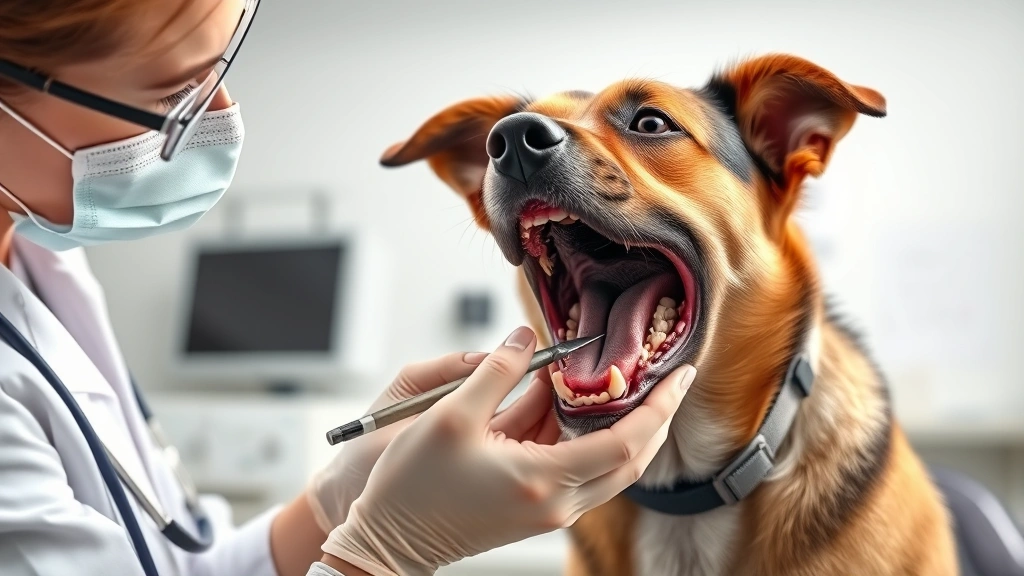
Some vets are more cautious and recommend avoiding them altogether, particularly for puppies or aggressive chewers. Others have no problem with them and have seen minimal issues in their practice. The variation in veterinary opinion reflects the reality that individual dogs vary so much in their behavior and risk factors.
Nylabone Types and Which Are Safest
Not all Nylabones are created equal. The original nylon chews are the most durable but also the hardest. Nylabone also makes softer options, flavored versions, and edible chews that are designed to be consumed.
If you’re going to use Nylabones, the softer varieties are generally safer because they’re less likely to cause dental damage or create large fragments. The edible versions are designed to be swallowed, so they’re appropriate for dogs who naturally consume their chew toys. However, they should still be supervised and given in appropriate portions.
Making the Right Choice for Your Dog
So, is Nylabone safe for dogs? The answer depends on your specific dog. For a gentle, moderate chewer with good bite control and no history of eating non-food items, a properly supervised Nylabone is probably fine. For an aggressive chewer, a puppy, or a senior dog with dental issues, you’re better off exploring alternatives.
The key is honest self-assessment. Do you know your dog’s chewing habits? Are you willing to supervise actively? Can you afford a potential emergency vet visit if something goes wrong? If you answered yes to all of these, Nylabones might work for you. If you hesitated on any of them, consider other options.
Remember, the goal is to keep your dog happy and healthy. There are plenty of ways to satisfy their chewing urge without taking unnecessary risks. Your vet can give you personalized recommendations based on your dog’s age, breed, size, and individual behavior patterns.
Frequently Asked Questions
Can Nylabones cause blockages in dogs?
Yes, if a dog swallows large pieces of nylon, it can cause intestinal blockage. This is rare but serious and may require surgery. The risk is highest in aggressive chewers and dogs with a history of eating non-food items.
Are Nylabones toxic to dogs?
Nylabones aren’t toxic in the traditional sense, but they can cause problems if pieces are ingested. The material itself isn’t poisonous, but the physical obstruction it creates can be dangerous.
How long should a dog chew on a Nylabone?
There’s no set time limit, but rotating toys and not allowing unlimited daily access is wise. Most vets recommend limiting chew time and always supervising. If your dog has been chewing the same Nylabone for hours every day, it’s time to switch things up.
What’s the best age to give a dog a Nylabone?
Adult dogs are safer candidates than puppies. Puppies are still learning bite control and are more likely to swallow pieces. Wait until your dog is at least 6-12 months old, and even then, supervise closely.
Can senior dogs use Nylabones?
Senior dogs should be cautious with Nylabones due to potential dental issues and more sensitive digestive systems. If you do use them with senior dogs, opt for softer varieties and maintain close supervision.





