

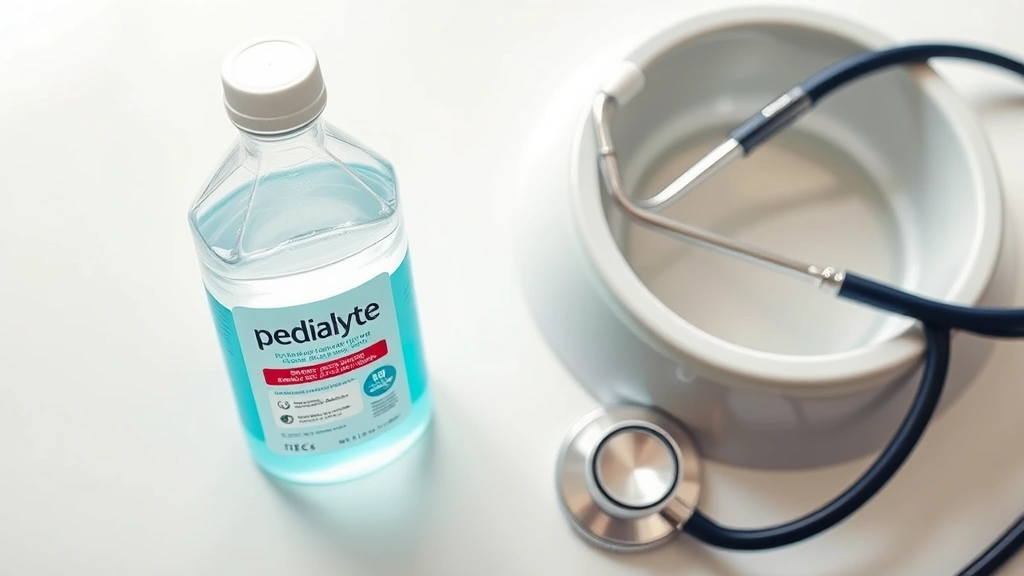
Is Pedialyte safe for dogs? This is one of those questions that pops into a pet parent’s head at 2 AM when their furry friend is having digestive troubles. The short answer: yes, plain Pedialyte can be safe for dogs in moderation, but there are some important caveats you need to know before you start pouring it into their water bowl.
Table of Contents
- Understanding What Pedialyte Actually Is
- When Your Dog Might Need Electrolyte Support
- The Plain Pedialyte Question: Is It Safe?
- Avoiding the Dangerous Versions
- Better Alternatives to Pedialyte for Dogs
- Dosing: How Much Is Too Much?
- Signs Your Dog Is Actually Dehydrated
- The Vet’s Perspective on Pedialyte for Dogs
- Underlying Conditions That Affect Hydration Needs
- When to Call the Vet Instead of Trying Home Remedies
- The Bottom Line on Pedialyte for Dogs
- Frequently Asked Questions
Understanding What Pedialyte Actually Is
Before we dive into whether your pup can have Pedialyte, let’s talk about what this stuff actually does. Pedialyte is an oral rehydration solution designed to replace fluids and electrolytes lost during dehydration. It contains water, sodium, potassium, chloride, and glucose—basically the VIP electrolyte squad that keeps bodies functioning properly. Humans use it for hangovers, stomach bugs, and intense workouts. Dogs? They have different needs, but the basic science behind rehydration applies to them too.
When Your Dog Might Need Electrolyte Support
Your dog might need electrolyte replacement if they’re dealing with vomiting, diarrhea, or excessive heat exposure. These situations cause fluid loss that plain water alone can’t always fix efficiently. If your pup has been sick or is recovering from dehydration, you’re probably wondering if Pedialyte could help. That’s actually a reasonable thought—electrolytes do matter for recovery. However, this is where consulting with a vet becomes crucial. An virtual vet consultation for diet questions can give you personalized advice for your specific dog’s situation.
The Plain Pedialyte Question: Is It Safe?
Plain, unflavored Pedialyte without artificial sweeteners is generally considered safe for dogs in small amounts. The electrolytes themselves aren’t toxic. However—and this is a big however—dogs don’t typically need the same electrolyte balance that humans do. Their bodies handle hydration differently. Additionally, the sodium content in Pedialyte might be higher than what your dog actually needs, especially if they’re just mildly dehydrated.
Avoiding the Dangerous Versions
Here’s where things get serious: many Pedialyte products contain xylitol, an artificial sweetener that’s absolutely toxic to dogs. Even small amounts can cause liver damage and dangerously low blood sugar. Always check the label. If it says “sugar-free” or lists xylitol in the ingredients, keep it away from your dog completely. Some flavored versions also contain ingredients that aren’t appropriate for canines. Stick with the original, plain formula if you’re considering giving any to your pup. For more information on harmful substances, check out our guide on harmful foods for dogs.
Better Alternatives to Pedialyte for Dogs
Honestly? There are better options specifically formulated for dogs. Products like DoggyLytes or similar veterinary-approved electrolyte solutions are designed with canine physiology in mind. They have the right balance of electrolytes for your dog’s body, not a human’s body. Your vet might also recommend bone broth (unsalted), coconut water (unsweetened, in tiny amounts), or simply offering water more frequently in small quantities. These alternatives often work better than Pedialyte for canine rehydration.
Dosing: How Much Is Too Much?
If your vet gives you the green light for plain Pedialyte, the amount matters tremendously. We’re talking small quantities—maybe a tablespoon or two mixed into their regular water, not full-strength Pedialyte as a primary drink. For a small dog, even less. For a large breed, slightly more, but still modest amounts. Never give it as their only water source. The goal is supplemental electrolyte support, not replacement of their entire fluid intake. When in doubt, contact an emergency vet for food poisoning or digestive distress before trying home remedies.
Signs Your Dog Is Actually Dehydrated
Before you even consider Pedialyte, make sure your dog is actually dehydrated. Dehydration in dogs shows up as dry gums, loss of skin elasticity (pinch the skin and it doesn’t bounce back quickly), lethargy, or reduced urination. Mild dehydration from a single episode of vomiting? Usually not an emergency. But persistent vomiting, diarrhea lasting more than a day, or signs of heat exhaustion? That’s vet territory. These situations might need IV fluids rather than oral rehydration, which is way beyond what Pedialyte can handle.
The Vet’s Perspective on Pedialyte for Dogs
Most veterinarians won’t recommend Pedialyte as a first-line treatment for canine dehydration. Why? Because they have better tools and products available. They can prescribe veterinary electrolyte solutions that are formulated specifically for dogs, or they can administer IV fluids if the situation is serious. If your dog is sick enough to need electrolyte replacement, they’re probably sick enough to warrant a professional evaluation. That’s not being overly cautious—that’s being smart.
Underlying Conditions That Affect Hydration Needs
Some dogs have health conditions that make them more prone to dehydration or that complicate electrolyte balance. Dogs with kidney disease, diabetes, or heart conditions need careful management of their fluid and electrolyte intake. If your dog falls into this category, Pedialyte without veterinary approval could actually be harmful. Always disclose your dog’s complete medical history when asking about rehydration solutions. For more on supporting your dog’s health, explore our resource on immune boosting foods for pets.
When to Call the Vet Instead of Trying Home Remedies
If your dog is experiencing vomiting or diarrhea that lasts more than a few hours, won’t eat or drink, seems lethargic, or shows any signs of distress, skip the Pedialyte experiment and contact your vet. Persistent digestive issues can indicate serious problems like pancreatitis, infections, or intestinal blockages. Home remedies might mask symptoms while the real problem gets worse. Your vet can run diagnostics, identify the actual cause, and recommend appropriate treatment. If you can’t reach your regular vet, telehealth advice for pet poisoning and digestive issues can provide quick guidance.
The Bottom Line on Pedialyte for Dogs
Is Pedialyte safe for dogs? Technically, the plain version can be given in very small amounts, but it’s rarely the best choice for canine rehydration. Your dog’s body handles fluids differently than yours does, and there are better alternatives specifically designed for them. If your dog is mildly dehydrated from a single episode of vomiting or diarrhea, encouraging them to drink water and eat their regular food is usually sufficient. If they’re more seriously dehydrated or the symptoms persist, a vet visit is non-negotiable. Don’t let the convenience of having Pedialyte in your medicine cabinet trick you into thinking it’s a substitute for professional veterinary care when your dog really needs it.
Frequently Asked Questions
Can I give my dog Pedialyte if they have diarrhea?
Plain Pedialyte in small amounts might help with mild, short-term diarrhea, but it’s not a treatment for the underlying cause. If diarrhea persists beyond a day or two, your dog needs veterinary evaluation to identify what’s causing it. Treating only the symptom (dehydration) while ignoring the cause could be dangerous.

What if my dog accidentally drank Pedialyte with xylitol?
This is an emergency. Xylitol is toxic to dogs and can cause liver damage and severe hypoglycemia. Contact your vet or an emergency veterinary clinic immediately, even if your dog seems fine. Time matters with xylitol toxicity, and vets can provide supportive care to prevent serious complications.
Is coconut water better than Pedialyte for dogs?
Unsweetened, unsalted coconut water in tiny amounts is sometimes considered safer than Pedialyte, but plain water is still the best choice for most situations. Coconut water has natural electrolytes, but it’s not formulated for canine needs. Always check with your vet before introducing new liquids to a sick dog.
How do I know if my dog is dehydrated?
Signs include dry gums, loss of skin elasticity, lethargy, reduced urination, and sunken eyes. The pinch test (gently pinching the skin on their neck) is helpful—if it doesn’t snap back quickly, dehydration might be present. When in doubt, contact your vet for guidance.
Are there Pedialyte products made specifically for dogs?
Yes! Several companies make electrolyte solutions formulated for dogs, like DoggyLytes. These are better choices than human Pedialyte because they’re balanced for canine physiology. Ask your vet which products they recommend.





