
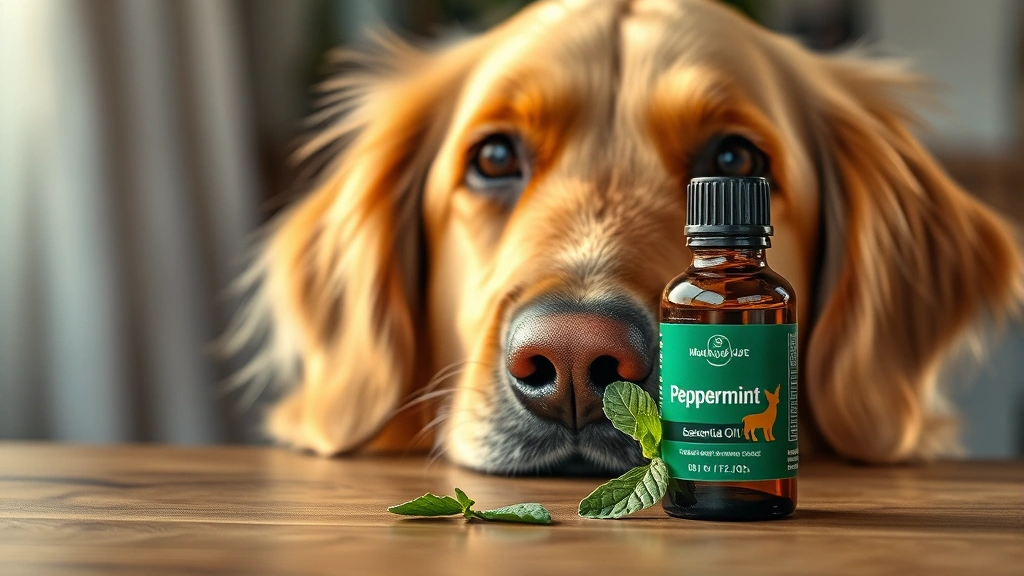
Is peppermint oil bad for dogs? The short answer is yes—peppermint oil can be toxic to your furry friend, and it’s way more dangerous than most pet owners realize. While peppermint might freshen your breath and calm your stomach, it’s a big no-no for dogs. Let’s break down exactly why this seemingly innocent plant extract poses real risks to your pup.
Table of Contents
- Understanding Peppermint Oil Toxicity in Dogs
- Symptoms of Peppermint Oil Poisoning in Canines
- Why Essential Oils Are Risky for Your Dog’s Health
- Common Peppermint Products That Pose Risks
- Peppermint Oil vs. Peppermint Extract: Know the Difference
- Safe Alternatives for Dog Breath and Digestive Support
- What to Do If Your Dog Ingests Peppermint Oil
- Breed-Specific Sensitivities to Peppermint Oil
- Prevention: Keeping Peppermint Products Away from Dogs
- When to Seek Veterinary Help
- Frequently Asked Questions
- Summary: Keep Peppermint Oil Away from Your Pup
Understanding Peppermint Oil Toxicity in Dogs
Peppermint oil contains several compounds that dogs’ bodies simply can’t handle well. The primary culprit is menthol, which makes up about 40-50% of peppermint oil. When dogs ingest peppermint oil—whether through direct consumption or absorption through the skin—menthol irritates their digestive tract and can cause serious problems. Unlike humans who metabolize menthol relatively safely, dogs lack certain liver enzymes that break down these volatile oils efficiently.
The concentration matters enormously. Pure, undiluted peppermint essential oil is far more dangerous than peppermint-flavored treats or tea. A single teaspoon of concentrated peppermint oil can cause toxicity symptoms in a medium-sized dog, while smaller breeds might react to even smaller amounts.
Symptoms of Peppermint Oil Poisoning in Canines
If your dog has gotten into peppermint oil, watch for these warning signs. Gastrointestinal distress typically appears first—vomiting, diarrhea, and loss of appetite are common initial symptoms. Your dog might also drool excessively or show signs of abdominal pain by hunching over or whining.

More severe cases involve neurological symptoms. Some dogs experience tremors, muscle weakness, or coordination problems. In rare instances, peppermint oil toxicity can cause liver damage or respiratory distress. If your pup seems lethargic, has difficulty breathing, or shows signs of seizures, get to a vet immediately. Don’t wait—these are emergency situations.
Why Essential Oils Are Risky for Your Dog’s Health
Essential oils in general present challenges for dogs because of their unique metabolism. Dogs have fewer liver detoxification pathways than humans, making them particularly vulnerable to compounds found in concentrated plant extracts. Peppermint oil is lipophilic, meaning it dissolves in fat and accumulates in body tissues over time with repeated exposure.
The problem gets worse if your dog has food allergies in pets or sensitive skin. Peppermint oil can trigger allergic reactions, causing itching, rashes, or worsening existing dermatological conditions. Some dogs also have genetic sensitivities to certain compounds that amplify the toxic effects.

Common Peppermint Products That Pose Risks
You’d be surprised where peppermint oil hides. Obviously, pure essential oils are dangerous, but so are many commercial products. Some homemade dog treats include peppermint oil as a “natural” breath freshener. Certain dental chews and toys are infused with peppermint. Even some flea and tick prevention products contain peppermint as an active ingredient.
Human products are another sneaky source. Toothpaste, mouthwash, lip balm, and aromatherapy diffusers all contain peppermint oil. If your dog chews on your toothbrush or ingests toothpaste, they’re getting a dose of peppermint. Diffusers are particularly problematic because dogs breathing in the aerosolized oil absorb it through their respiratory tract.
Peppermint Oil vs. Peppermint Extract: Know the Difference
Here’s where it gets confusing for dog owners. Peppermint extract used in baking is different from peppermint essential oil. Extract is typically diluted and contains much lower concentrations of menthol. A tiny amount of peppermint extract in a treat probably won’t harm your dog, though it’s still not ideal.

Essential oil, however, is the concentrated, undiluted form. It’s 10-100 times more potent than extract. If a product label says “peppermint essential oil” or “peppermint oil,” keep it away from your dog. When shopping for dog products, read ingredient lists carefully and look for these specific terms.
Safe Alternatives for Dog Breath and Digestive Support
Want to freshen your dog’s breath naturally? Skip peppermint and try these safer options. Coconut oil has natural antimicrobial properties and many dogs actually enjoy the taste. Parsley is safe for dogs and genuinely helps with breath odor. Carrots and apples (remove seeds) provide natural teeth cleaning action and freshen breath through mechanical action.
For digestive support, consider anti-inflammatory foods for pets like plain pumpkin or bone broth. Ginger is another safe alternative that supports digestion without the toxicity concerns of peppermint. Always introduce new foods gradually and consult your vet before adding supplements to your dog’s diet.
What to Do If Your Dog Ingests Peppermint Oil
First, don’t panic, but do act quickly. Call your veterinarian or poison control immediately. Have the product label handy so you can tell them the concentration and amount your dog consumed. The ASPCA Animal Poison Control Center operates 24/7 at (888) 426-4435.
Your vet might recommend bringing your dog in for observation, especially if it’s a small breed or if significant amounts were ingested. Treatment is typically supportive care—IV fluids, monitoring, and medications to manage symptoms. Early intervention dramatically improves outcomes, so don’t wait to see if symptoms develop.
Breed-Specific Sensitivities to Peppermint Oil
Some dog breeds show heightened sensitivity to essential oils. Toy breeds and small dogs metabolize compounds differently than large breeds, making them more vulnerable to toxicity at lower doses. Brachycephalic breeds (flat-faced dogs like Bulldogs and Pugs) also struggle more with respiratory irritation from peppermint oil exposure.

Dogs with liver disease, kidney problems, or caffeine and pets sensitivity are at increased risk. Puppies and senior dogs have less efficient detoxification systems, so they’re more susceptible too. If your dog falls into any of these categories, be extra vigilant about keeping peppermint products away from them.
Prevention: Keeping Peppermint Products Away from Dogs
Store all essential oils in a secure cabinet that your dog can’t access. Keep personal care products like toothpaste and mouthwash in bathroom cabinets or drawers. If you use a diffuser, place it in a room where your dog doesn’t spend time, or better yet, skip it entirely if you have a curious pup.
When buying dog treats and products, read every ingredient label. Don’t assume something labeled “natural” is safe for dogs—peppermint is natural but toxic. Talk to your vet about safe breath-freshening and digestive support options. Consider using online pet diagnostics if you’re unsure about ingredient safety or your dog’s reaction to something they’ve eaten.
When to Seek Veterinary Help
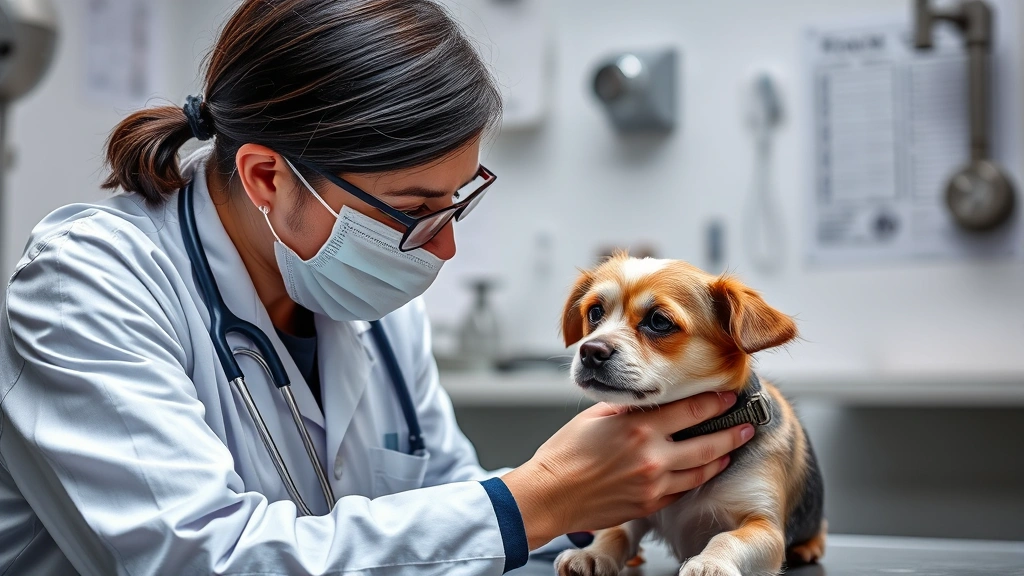
Contact your vet if your dog shows any signs of digestive upset after potential peppermint exposure. Don’t wait for severe symptoms to develop. Even mild vomiting or diarrhea warrants a call, especially if you know your dog got into something with peppermint oil.
If your dog has chronic digestive issues or human foods for pets with food allergies, ask your vet about safe alternatives to peppermint-based products. For peace of mind, consider telehealth vet appointments to quickly consult about ingredient safety before giving your dog new products.
Frequently Asked Questions
Can dogs have any amount of peppermint safely?
No amount of pure peppermint essential oil is safe for dogs. Even trace amounts can cause problems, especially in small breeds. Tiny amounts of peppermint extract in commercial treats might be tolerated, but it’s better to avoid it entirely. When in doubt, ask your vet.

Is peppermint tea safe for dogs?
Brewed peppermint tea is much more dilute than essential oil, but it’s still not recommended for dogs. The tea contains menthol and other compounds that can irritate their digestive tract. Stick to plain water or dog-safe herbal infusions approved by your vet.
What if my dog ate a peppermint candy?
A single peppermint candy probably won’t cause serious toxicity, but monitor your dog for symptoms. The bigger concern is usually the sugar content and potential xylitol (a sweetener toxic to dogs). Call your vet if your dog shows any signs of distress or if you’re unsure about the candy’s ingredients.
Are peppermint-flavored dog treats safe?
It depends on the concentration. Some commercial dog treats labeled “peppermint-flavored” contain minimal peppermint extract and are considered safe in small quantities. However, products with peppermint essential oil or high concentrations of peppermint are dangerous. Always check the ingredient list and ask your vet if you’re uncertain.

Can peppermint oil help with dog fleas?
While peppermint oil does have some insecticidal properties, it’s too risky to use on dogs. The toxicity dangers outweigh any potential flea-fighting benefits. Use vet-approved flea prevention products instead, which are safe and effective.
Summary: Keep Peppermint Oil Away from Your Pup
Is peppermint oil bad for dogs? Absolutely. This seemingly innocent essential oil poses real toxicity risks to your canine companion. From gastrointestinal distress to neurological symptoms, peppermint oil can cause serious health problems in dogs of all sizes and breeds.
The safest approach is simple: keep all peppermint products away from your dog. Read ingredient labels carefully, store essential oils securely, and choose safer alternatives for breath freshening and digestive support. If your dog does ingest peppermint oil, contact your vet or poison control immediately. Your vigilance today could save your dog from a trip to the emergency vet tomorrow. When it comes to your dog’s health, it’s always better to be overly cautious than to learn the hard way that peppermint and pups don’t mix.





