
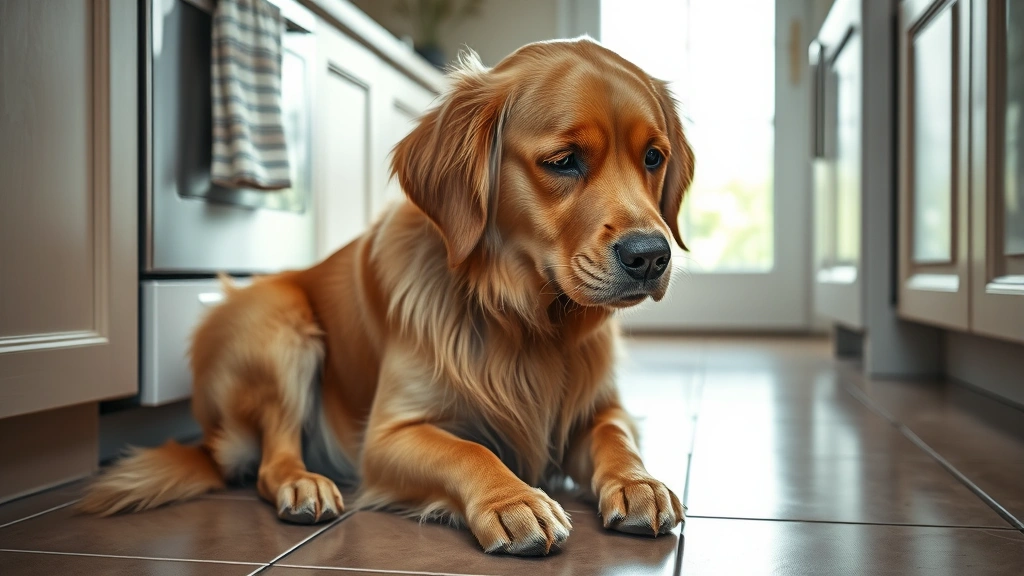
So your pup’s got an upset stomach and you’re wondering: is pepto bismol good for dogs? Before you raid your medicine cabinet, pump the brakes. While Pepto Bismol might be your go-to for digestive drama, giving it to your furry friend requires some serious vet-approved caution. Let me break down what you need to know as a vet tech who’s seen this question way too many times in the clinic.
Table of Contents
- What Is Pepto Bismol Anyway?
- Can You Give Dogs Pepto Bismol? The Short Answer
- The Bismuth Subsalicylate Problem for Canines
- When Vets Actually Recommend Bismuth Subsalicylate
- Safer Alternatives to Pepto Bismol for Dog Diarrhea
- Signs Your Dog Needs Actual Veterinary Care
- Bismuth Subsalicylate Toxicity Symptoms in Dogs
- Drug Interactions and Pepto Bismol
- The Bottom Line: Talk to Your Vet First
- Summary
- Frequently Asked Questions
What Is Pepto Bismol Anyway?
Pepto Bismol contains bismuth subsalicylate, which is basically a fancy way of saying it’s got salicylates in it—the same compound family as aspirin. The pink stuff works by reducing inflammation in your gut and killing off some nasty bacteria. For humans, it’s a miracle worker. For dogs? That’s where things get complicated.
The active ingredient does have some antimicrobial and anti-inflammatory properties that theoretically could help dogs, but the devil’s in the details. Salicylates can be problematic for our four-legged friends, especially when dosed incorrectly or given for the wrong reasons.
Can You Give Dogs Pepto Bismol? The Short Answer
Technically, yes—but with massive caveats. Some vets will prescribe bismuth subsalicylate for dogs with specific digestive issues, but it’s not something you should just eyeball from your medicine cabinet. The dosing is tricky, the side effects can be serious, and there are usually better alternatives available.
Think of it like this: just because something is safe for humans doesn’t mean it’s safe for dogs. Dogs metabolize medications differently, have different body weights, and different underlying health conditions that might make Pepto Bismol a terrible choice.
The Bismuth Subsalicylate Problem for Canines
Here’s where I need to get real with you. Bismuth subsalicylate can cause several issues in dogs if not handled properly. First, salicylates can irritate the stomach lining in some dogs, which is ironic when you’re trying to treat an upset stomach. Second, if your dog has any bleeding disorders or is on blood thinners, this stuff becomes a no-go zone.
The salicylate component also poses risks for dogs with certain health conditions. If your pup has kidney disease or liver issues, Pepto Bismol could complicate things significantly. Additionally, aspirin-like compounds can increase the risk of gastrointestinal bleeding in susceptible dogs.
When Vets Actually Recommend Bismuth Subsalicylate
Okay, so when WOULD a vet recommend this stuff? Generally, for mild diarrhea or gastroenteritis in otherwise healthy dogs. Some vets use it for short-term management of inflammatory bowel conditions. But here’s the thing—even when they do recommend it, they’re calculating exact dosages based on your dog’s weight, age, and health status.
The typical veterinary dose is around 0.25 mg per pound, given every 6-8 hours for no more than 3-7 days. Notice how specific that is? That’s why you shouldn’t just pour some pink liquid into your dog’s mouth and hope for the best. You’d likely overdose your dog or give it for too long, which increases the risk of toxicity.
Safer Alternatives to Pepto Bismol for Dog Diarrhea
Here’s the good news: there are way better options for treating your dog’s digestive upset. Probiotics are fantastic for restoring healthy gut bacteria without any of the salicylate concerns. Plain pumpkin puree (not pie filling) works wonders for both diarrhea and constipation because of its fiber content.
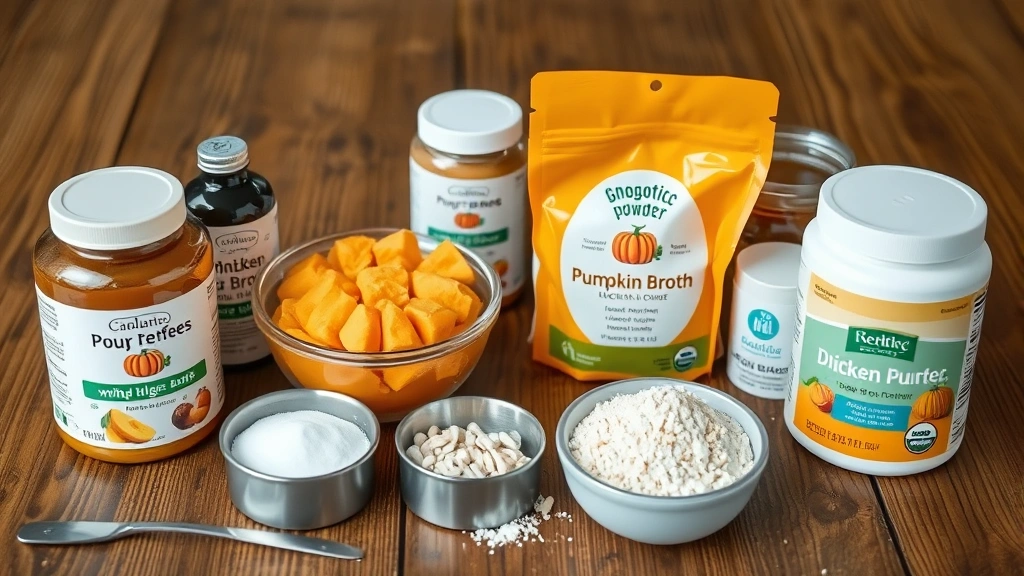
Many vets recommend bland diet protocols with boiled chicken and white rice for acute diarrhea. It’s boring, it’s simple, and it works. For more serious cases, prescription medications like metronidazole or famotidine are safer and more effective than over-the-counter Pepto Bismol.
If you’re concerned about your dog’s digestive health, consider telehealth vet appointments where you can get professional guidance without leaving home. This is especially useful for minor digestive issues that don’t require an emergency visit.
Signs Your Dog Needs Actual Veterinary Care
Don’t just self-treat with Pepto Bismol if your dog shows these red flags: persistent vomiting, bloody diarrhea, lethargy, loss of appetite lasting more than 24 hours, or abdominal pain. These symptoms suggest something more serious than mild indigestion, and you need a vet’s expertise, not a pink liquid band-aid.
If your dog has liver disease, pancreatitis, or other chronic conditions, skip Pepto Bismol entirely and call your vet. Similarly, if your dog is already on medications like ibuprofen or other NSAIDs, combining them with bismuth subsalicylate is a recipe for gastrointestinal problems.
Bismuth Subsalicylate Toxicity Symptoms in Dogs
If you’ve already given your dog Pepto Bismol and you’re worried, watch for these toxicity signs: black or tarry stools, vomiting, loss of appetite, lethargy, or unusual behavior. Salicylate toxicity can cause metabolic acidosis in severe cases, which is serious business.
The good news? Accidental single doses are usually not dangerous. But if your dog got into your Pepto Bismol bottle and drank a bunch, or if you’ve been giving it regularly without vet guidance, that’s when you need to act. Call your vet or emergency food poisoning telehealth services immediately.
Drug Interactions and Pepto Bismol
This is crucial information that most pet owners don’t know. Pepto Bismol can interact with various medications your dog might be taking. If your dog is on antibiotics, anticoagulants, or other medications, bismuth subsalicylate could interfere with their effectiveness or increase side effects.
For instance, if your dog is taking melatonin for anxiety or other conditions, adding Pepto Bismol without vet approval could complicate things. Always disclose all medications and supplements your dog is taking before considering any new treatment.
The Bottom Line: Talk to Your Vet First
Is Pepto Bismol good for dogs? It CAN be, but only under specific circumstances and with professional veterinary guidance. The risks outweigh the benefits for most situations, and there are genuinely better alternatives available. Your vet has access to safer, more effective medications and can properly diagnose what’s actually causing your dog’s digestive distress.
Home remedies and over-the-counter human medications might seem convenient, but they’re penny-wise and pound-foolish when it comes to your dog’s health. A quick vet consultation—whether in-person or via telehealth—takes 15 minutes and could save you from serious complications.
Summary
To recap: Pepto Bismol contains bismuth subsalicylate, which can be given to dogs in specific situations but requires precise dosing and professional oversight. The salicylate component poses risks for dogs with certain health conditions, bleeding disorders, or those taking other medications. Safer alternatives like probiotics, bland diets, and prescription medications are usually better choices. Never self-treat without consulting your veterinarian, especially if your dog shows signs of serious illness. When in doubt, reach out to your vet—that’s what they’re there for.
Frequently Asked Questions
Can I give my dog Pepto Bismol for diarrhea?
Only under veterinary supervision. While vets occasionally prescribe bismuth subsalicylate for diarrhea, safer alternatives like probiotics and bland diets are usually preferred. Never self-dose your dog without professional guidance, as incorrect dosing can cause harm.
How much Pepto Bismol can I safely give my dog?
The veterinary dose is approximately 0.25 mg per pound of body weight, given every 6-8 hours for no more than 3-7 days. However, this should only be administered under direct veterinary instruction. Never estimate dosing on your own.
What are the side effects of Pepto Bismol in dogs?
Potential side effects include black or tarry stools, vomiting, loss of appetite, lethargy, and gastrointestinal irritation. In severe cases, salicylate toxicity can cause metabolic acidosis. If you notice any of these symptoms, contact your vet immediately.
What’s a safer alternative to Pepto Bismol for dogs?
Probiotics, plain pumpkin puree, bland diet (boiled chicken and rice), and prescription medications like metronidazole are all safer, more effective options. Your vet can recommend the best choice based on your dog’s specific condition.
Is Pepto Bismol toxic to dogs?
Pepto Bismol isn’t inherently toxic in small amounts, but overdosing or prolonged use can cause salicylate toxicity. Dogs with certain health conditions are at higher risk. Always consult your vet before giving it to your dog.
Can I give my dog Pepto Bismol if they’re on other medications?
No, not without veterinary approval. Bismuth subsalicylate can interact with antibiotics, anticoagulants, and other medications. Always inform your vet of all medications and supplements before considering Pepto Bismol.





