

Is rice good for dogs everyday? The short answer: not really, but it’s not toxic either. Rice can be part of your dog’s diet, but making it an everyday staple is like feeding your pup the same sandwich for lunch every single day—boring, potentially problematic, and definitely not what veterinarians recommend.
Table of Contents
- What Happens When Dogs Eat Rice Daily?
- Brown Rice vs. White Rice for Daily Feeding
- Rice and Dog Digestive Health
- Nutritional Content: What Rice Actually Provides
- How Much Rice Is Safe for Dogs?
- Rice in Commercial Dog Foods vs. Homemade Diets
- The Rice and Allergies Connection
- What About Rice as a Weight Loss Tool?
- Rice and Specific Health Conditions
- Better Alternatives to Daily Rice Feeding
- The Bottom Line on Daily Rice Feeding
- Frequently Asked Questions
Let’s dig into what you actually need to know about rice and your furry friend’s nutrition, because there’s way more nuance here than most dog owners realize.
What Happens When Dogs Eat Rice Daily?
Here’s the thing: rice itself isn’t bad for dogs. It’s bland, easy to digest, and contains some beneficial nutrients. But feeding rice every single day? That’s where problems start creeping in. When you feed rice constantly, you’re basically replacing more nutrient-dense foods that your dog actually needs.
Dogs are omnivores (despite what some raw-feeding advocates claim), and they need a balanced diet with proper proteins, fats, vitamins, and minerals. Rice is mostly carbohydrates—about 80% when cooked. While dogs can digest carbs, they don’t need massive amounts of them. Feeding rice daily means your dog is getting calories from something that’s nutritionally lightweight compared to, say, sweet potatoes or lean proteins.
The real risk? Nutritional imbalance over time. Your dog might develop deficiencies in essential amino acids, certain vitamins, or minerals that rice alone can’t provide.
Brown Rice vs. White Rice for Daily Feeding
If you’re going to give your dog rice (and occasional rice is fine), brown rice is technically better than white rice because it contains more fiber and nutrients. The bran layer that makes brown rice brown also makes it more nutritionally complete.
White rice, on the other hand, has been stripped of most of its nutritional value during processing. It’s basically empty calories with a nice texture. Veterinarians often recommend white rice for dogs with upset stomachs because it’s bland and gentle on the digestive system—but that’s temporary feeding, not everyday feeding.
Here’s the practical breakdown:
- Brown rice: More fiber, more nutrients, slightly harder to digest for sensitive stomachs
- White rice: Easier on the gut, fewer nutrients, better for short-term digestive issues
- Best practice: Neither should be a daily staple
Rice and Dog Digestive Health
One reason vets recommend rice is because it’s genuinely easy on the digestive system. If your dog has diarrhea, vomiting, or a sensitive stomach, plain cooked rice can help settle things down. It’s bland, it’s familiar to most dogs’ systems, and it doesn’t irritate inflamed intestines.
But—and this is important—this benefit only applies to short-term use. We’re talking days to maybe a week or two while your dog recovers from gastroenteritis or food sensitivities. Once your pup is back to normal, they need to return to a complete, balanced diet that includes proper protein sources and other nutrients.
If you’re constantly feeding rice because your dog has perpetual digestive issues, that’s actually a sign you need to talk to your vet about a different food, not a sign that rice is the answer.
Nutritional Content: What Rice Actually Provides
Let’s talk numbers. A cup of cooked white rice contains approximately:
- 206 calories
- 4.3 grams of protein
- 45 grams of carbohydrates
- 0.2 grams of fat
- Small amounts of B vitamins and manganese
Compare that to the same amount of chicken breast (286 calories, 53 grams of protein, 0 grams of carbs), and you see the problem immediately. Your dog gets way more nutritional bang for their buck with actual protein sources.
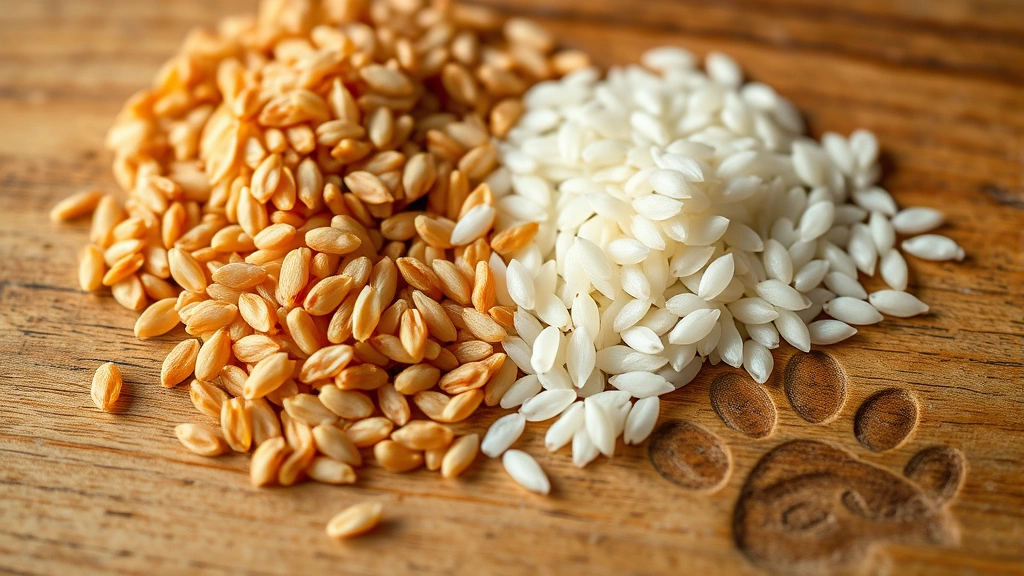
Rice does contain some beneficial elements like manganese (good for bone development) and B vitamins, but not in quantities that would make it a nutritional powerhouse. If your dog is eating a complete commercial dog food, they’re already getting these nutrients in appropriate amounts.
How Much Rice Is Safe for Dogs?
If you want to include rice in your dog’s diet occasionally, here’s what veterinarians generally recommend:
- Occasional rice: Up to 10% of your dog’s daily caloric intake is fine
- Mixed with other foods: Rice should never be the main ingredient in a homemade dog diet
- Portion size: A tablespoon or two mixed into regular meals, not a bowl of rice as a meal replacement
- Frequency: A few times a week, not daily
Think of rice like a side dish at dinner, not the main course. It can complement a balanced meal, but it shouldn’t be the foundation of your dog’s nutrition.
Rice in Commercial Dog Foods vs. Homemade Diets
You’ll notice that many commercial dog foods contain rice as an ingredient. This is different from feeding your dog plain rice every day. When rice is part of a formulated commercial diet, it’s balanced with proper proteins, fats, vitamins, and minerals to meet AAFCO (Association of American Feed Control Officials) standards.
The manufacturers have done the nutritional math. They’re not just throwing rice in there and hoping for the best. If you’re feeding a quality commercial dog food that includes rice, you’re fine—your dog is getting complete nutrition.
However, if you’re making homemade dog food and using rice as a filler or base, you need to be working with a veterinary nutritionist to ensure your dog is getting everything they need. This is where daily rice feeding becomes genuinely problematic. Sustainable dog food doesn’t mean cutting corners on nutrition—it means doing it right.
The Rice and Allergies Connection
Some dog owners think rice is hypoallergenic because it’s bland. Here’s the truth: rice allergies in dogs are relatively rare, but they do happen. More commonly, dogs are allergic to proteins (chicken, beef, wheat), not to rice itself.
If your dog has food allergies, rice might be part of an elimination diet to figure out what’s causing the problem, but it’s not a cure. And feeding rice every day as a preventative measure against allergies that your dog doesn’t have? That’s not a strategy—that’s just limiting their nutrition unnecessarily.
What About Rice as a Weight Loss Tool?
Some people try to use rice to help overweight dogs lose weight because rice is filling but relatively low in calories. This is misguided for a few reasons:
- Rice fills the stomach but doesn’t provide satiety through protein and fat
- Your dog will still feel hungry, just with a full belly
- You’re replacing important nutrients with empty carbs
- Actual weight loss requires proper calorie control with complete nutrition
If your dog is overweight, talk to your vet about a proper weight management diet. There are foods specifically formulated for weight loss that actually work better than rice-heavy diets.
Rice and Specific Health Conditions
There are legitimate medical reasons to include rice in your dog’s diet temporarily:
- Acute gastroenteritis: Plain rice mixed with chicken and broth for a few days
- Post-surgery recovery: Bland diet including rice while healing
- Pancreatitis: Low-fat diet that might include rice as part of the meal plan
But these are temporary medical interventions, not permanent feeding strategies. Once your dog recovers, they should return to a complete, balanced diet. If you need guidance on medical diets, virtual vet consultation for diet questions can provide personalized recommendations.

Better Alternatives to Daily Rice Feeding
If you’re looking to add variety or fill out your dog’s meals, consider these alternatives that provide better nutrition than daily rice:
- Sweet potatoes: More fiber, vitamins, and minerals than rice—and dogs love them
- Pumpkin: Great for digestive health, packed with nutrients
- Carrots: Low calorie, good for teeth, full of vitamins
- Green beans: Nutrient-dense and safe for dogs
- Lean proteins: Chicken, turkey, beef—what your dog actually needs
These foods provide actual nutritional value while still being safe and digestible. Check out our guide on what not to feed your dog to understand which foods to avoid entirely.
The Bottom Line on Daily Rice Feeding
So, is rice good for dogs everyday? No. Is it occasionally okay? Yes. Rice can be a helpful tool in certain situations—bland diet recovery, mixing with other foods, or as part of a complete commercial diet—but it shouldn’t be a dietary staple.
Your dog needs complete, balanced nutrition with proper proteins, fats, vitamins, and minerals. Rice is mostly carbs and doesn’t provide enough of what your dog actually needs. Feeding it daily means you’re essentially replacing more nutritious foods with nutritionally lightweight alternatives.
The best approach? Use rice occasionally when it makes sense (recovery periods, mixing with other foods), but keep your dog’s primary diet focused on complete, balanced nutrition. Your pup will be healthier, happier, and better nourished in the long run.
Frequently Asked Questions
Can I give my dog rice every day if it’s mixed with chicken?
Not really. While chicken adds protein, a rice-and-chicken diet still isn’t complete and balanced. You’d be missing essential vitamins, minerals, and fats that dogs need. If you’re making homemade dog food, work with a veterinary nutritionist to ensure proper balance. Commercial dog foods that include rice and chicken are formulated to be complete, so those are fine.
Is white rice or brown rice better for dogs?
Brown rice is nutritionally superior because it contains more fiber and nutrients. However, white rice is easier on sensitive stomachs. For occasional feeding, brown rice is the better choice. For short-term digestive issues, white rice is gentler. Neither should be a daily staple regardless of type.
How much rice can I give my dog safely?
Rice should make up no more than 10% of your dog’s daily caloric intake. That’s roughly a tablespoon or two mixed into meals a few times a week, not daily portions. Think of it as a supplement to their main diet, not a main ingredient.
Will rice help my dog’s upset stomach?
Yes, temporarily. Plain white rice mixed with boiled chicken can help settle an upset stomach for a few days. However, if your dog has chronic digestive issues, rice isn’t the solution—it’s a band-aid. See your vet to identify the underlying problem.
Is rice bad for dogs with diabetes?
Rice is high in carbohydrates, which can spike blood sugar. Dogs with diabetes should eat lower-carb diets. Talk to your vet about appropriate foods for diabetic dogs—rice likely isn’t the best choice for daily feeding.
Can rice cause allergies in dogs?
Rice allergies are rare in dogs. Most dog allergies are protein-based (chicken, beef, wheat). If your dog has food allergies, the issue is usually not rice. Your vet can help identify the actual allergen through elimination diets.





