

Yes, is salmon good for dogs? Absolutely! Salmon is one of the best protein sources you can give your furry best friend, packed with omega-3 fatty acids and nutrients that’ll make their coat shinier than a freshly waxed sports car. But before you start tossing raw salmon fillets at Fido, let’s dig into what makes this fish such a powerhouse for canine health and how to serve it safely.
Table of Contents
- Why Salmon is a Nutritional Powerhouse for Dogs
- Benefit #1: Gorgeous Coat and Skin Health
- Benefit #2: Brain Function and Cognitive Support
- Benefit #3: Joint and Bone Support
- Benefit #4: Immune System Boost
- Benefit #5: Heart Health and Cardiovascular Support
- How to Safely Prepare Salmon for Your Dog
- Salmon Serving Sizes by Dog Weight
- Potential Risks and When to Avoid Salmon
- Salmon vs. Other Fish Options for Dogs
- Incorporating Salmon into Your Dog’s Diet
- What the Experts Say About Salmon for Dogs
- Signs Your Dog is Thriving on Salmon
- Frequently Asked Questions
- Conclusion: Making Salmon Part of Your Dog’s Wellness Plan
Why Salmon is a Nutritional Powerhouse for Dogs
Salmon isn’t just tasty—it’s basically nature’s multivitamin wrapped in delicious pink flesh. This fatty fish contains high-quality protein that supports muscle development and maintenance, making it perfect for active pups who think they’re training for the doggy Olympics. The real magic happens with omega-3 and omega-6 fatty acids, which are essential nutrients dogs can’t produce on their own. These healthy fats are like premium fuel for your dog’s body, supporting everything from brain function to immune health. Many vets recommend salmon as part of a superfoods for pets rotation because it delivers results without the filler.
Benefit #1: Gorgeous Coat and Skin Health
Ever wonder why some dogs have coats that look like they just stepped out of a professional grooming salon? Salmon might be their secret weapon. The omega-3 fatty acids in salmon work like a spa treatment from the inside out, reducing inflammation and promoting healthy skin. Dogs eating salmon regularly often experience less itching, flaking, and dryness. If your pup has been scratching like they’re auditioning for a flea circus, salmon could be a game-changer. The anti-inflammatory properties help soothe irritated skin and create an environment where healthy fur can thrive. You’ll notice improvements in coat shine within 4-6 weeks of adding salmon to their diet.
Benefit #2: Brain Function and Cognitive Support
Salmon is brain food—literally. The omega-3 fatty acids, particularly DHA and EPA, are crucial for cognitive development in puppies and maintaining mental sharpness in senior dogs. Studies show that dogs with adequate omega-3 intake perform better in training and show improved memory retention. If you’ve got an older pup who’s starting to forget where they buried their favorite toy, salmon might help keep their noggin sharp. This is especially important for aging dogs, as DHA supports neurological function and can help slow age-related cognitive decline.
Benefit #3: Joint and Bone Support
Large breed dogs and seniors dealing with arthritis often benefit tremendously from salmon in their diet. The anti-inflammatory compounds in salmon help reduce joint pain and stiffness, meaning your dog might actually want to chase that tennis ball again instead of just watching it sadly. Salmon also contains selenium and other minerals that support bone health and can reduce the progression of degenerative joint diseases. Combined with other joint-supporting nutrients like collagen for dogs, salmon creates a one-two punch against age-related joint issues.
Benefit #4: Immune System Boost
The selenium, vitamin D, and B vitamins in salmon work together like a microscopic superhero team, strengthening your dog’s immune system. A robust immune system means fewer vet visits, less illness, and a happier, healthier pup overall. The antioxidants in salmon help fight free radicals that can damage cells, essentially giving your dog’s immune system premium armor against illness and infection.
Benefit #5: Heart Health and Cardiovascular Support
Omega-3 fatty acids aren’t just good for your dog’s coat and brain—they’re excellent for heart health too. These healthy fats help maintain healthy cholesterol levels, support proper blood pressure, and promote overall cardiovascular function. This makes salmon particularly beneficial for dogs prone to heart issues or those with a family history of cardiac problems. Regular salmon consumption can contribute to a longer, healthier life for your canine companion.
How to Safely Prepare Salmon for Your Dog
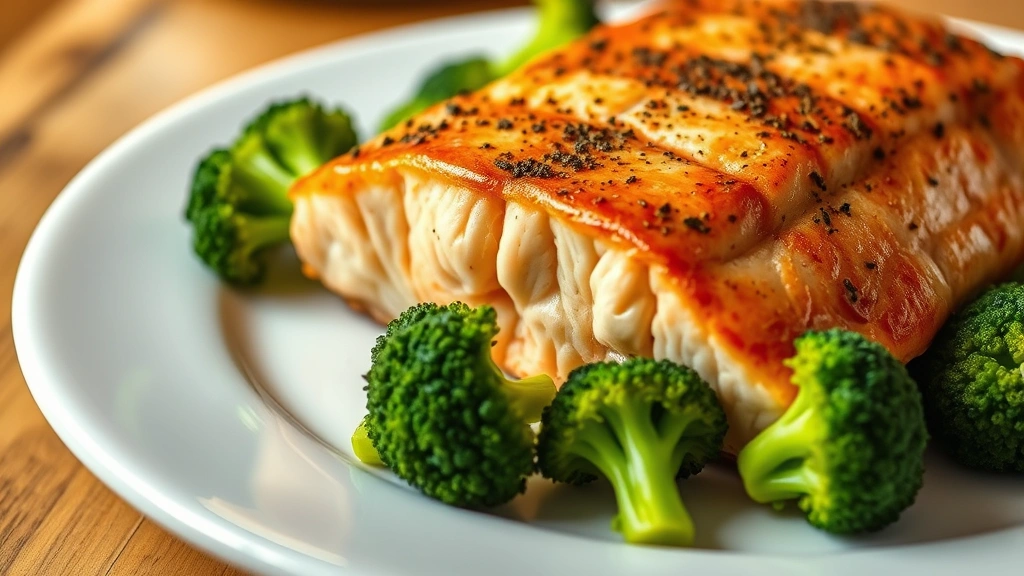
Now here’s where people mess up: you can’t just toss raw salmon at your pup and call it a day. Raw salmon can contain parasites and bacteria that make dogs sick, so always cook it thoroughly. Bake, boil, or steam salmon until it’s fully cooked—no pink in the middle. Remove all bones (they’re choking hazards and can splinter), and skip the seasonings, garlic, and onions that might make your dog’s stomach do backflips. Plain, cooked salmon is the way to go. You can serve it as a topper on their regular food, mix it into homemade dog food, or use it as a special healthy pet treat during training sessions. A general guideline is to serve salmon as 10% of your dog’s daily caloric intake to avoid overfeeding.
Salmon Serving Sizes by Dog Weight
Getting the portion right matters because too much of a good thing is still too much. Small dogs (under 25 lbs) should get about 1-2 ounces of cooked salmon 2-3 times per week. Medium dogs (25-50 lbs) can handle 2-3 ounces with the same frequency. Large dogs (50-100 lbs) can enjoy 3-4 ounces, and giant breeds can go up to 5 ounces. Always introduce salmon gradually to avoid digestive upset, and watch for any allergic reactions even though salmon allergies are relatively rare in dogs. If your dog has existing health conditions or is on a special diet, consult your vet before making salmon a regular part of their meal plan.
Potential Risks and When to Avoid Salmon
While salmon is generally safe, some dogs shouldn’t eat it. Dogs with fish allergies (though uncommon) might experience itching, vomiting, or diarrhea. Always watch for signs of allergic reactions when introducing any new food. Raw salmon should be avoided entirely due to parasites like Neorickettsia helminthoeca, which causes salmon poisoning disease in dogs. Additionally, if your dog has pancreatitis, you should limit fatty foods including salmon, as the high fat content could trigger flare-ups. Always check with your veterinarian before adding salmon to your dog’s diet, especially if they have existing health conditions. For more information on food safety, check out our guide on pet food safety.
Salmon vs. Other Fish Options for Dogs
While salmon is fantastic, other fish like sardines, herring, and mackerel also offer excellent omega-3 benefits. However, salmon tends to have better palatability for most dogs and contains slightly lower mercury levels than some alternatives. Canned salmon packed in water (not oil or salt) can be a convenient option, though fresh or frozen salmon is ideal. Avoid fish high in mercury like tuna or swordfish, which can accumulate toxins over time. Each fish has its own nutrient profile, so rotating between safe fish options can provide variety and prevent boredom.
Incorporating Salmon into Your Dog’s Diet
You don’t need to completely overhaul your dog’s diet to reap salmon’s benefits. Start by adding small amounts of cooked salmon to their regular kibble, or use it as a special reward during training sessions. Many dog owners find that salmon works wonderfully as a safe human snack for pets when prepared correctly. You can also make homemade salmon treats by mixing cooked salmon with sweet potato and oat flour, then baking until crispy. Frozen salmon cubes make excellent cooling treats on hot summer days. The key is consistency—regular, moderate salmon consumption provides better results than occasional large portions.
What the Experts Say About Salmon for Dogs
The American Kennel Club (AKC) recognizes salmon as a high-quality protein source appropriate for dogs, and veterinary nutritionists at PetMD consistently recommend omega-3 rich foods like salmon for supporting canine health. Research from veterinary nutrition departments at major universities confirms that dogs receiving adequate omega-3 supplementation show measurable improvements in coat quality, joint health, and cognitive function. These aren’t just anecdotal benefits—they’re backed by peer-reviewed studies and endorsed by veterinary professionals worldwide.
Signs Your Dog is Thriving on Salmon
Within a few weeks of adding salmon to your dog’s diet, you should notice visible improvements. Their coat becomes noticeably shinier and softer. They might have more energy and enthusiasm for playtime. Skin issues like excessive scratching or flaking should diminish. Senior dogs often show improved mobility and less stiffness, especially after exercise. Their overall demeanor might improve too—some owners swear their dogs seem happier and more alert. If you’re not seeing improvements after 6-8 weeks, consult your vet to rule out other underlying issues.
Frequently Asked Questions
Can dogs eat raw salmon?
No, dogs should never eat raw salmon. Raw salmon can contain parasites and bacteria that cause serious illness, including salmon poisoning disease. Always cook salmon thoroughly until it reaches an internal temperature of 145°F (63°C) before serving to your dog.

How often can I give my dog salmon?
Most dogs can safely enjoy salmon 2-3 times per week as part of a balanced diet. Salmon should comprise no more than 10% of your dog’s daily caloric intake. Always introduce it gradually and monitor for any adverse reactions.
Is canned salmon safe for dogs?
Yes, canned salmon packed in water is safe for dogs, but avoid varieties packed in oil or salt. Drain the liquid and remove any bones before serving. Check labels to ensure no added seasonings or preservatives are present.
Can salmon cause allergies in dogs?
Fish allergies in dogs are relatively rare but can occur. Signs include itching, vomiting, diarrhea, or ear infections. If you suspect your dog has a salmon allergy, discontinue it and consult your veterinarian.
What’s the best way to cook salmon for dogs?
Baking, boiling, or steaming are all excellent methods. Cook without any seasonings, oil, garlic, or onions. Remove all bones and skin, then serve plain cooked salmon. You can cut it into appropriate sizes based on your dog’s size.
Is salmon better than chicken for dogs?
Both are excellent protein sources, but salmon has the added benefit of omega-3 fatty acids that chicken lacks. Rotating between different protein sources, including salmon and chicken, provides nutritional variety and prevents boredom.
Can senior dogs eat salmon?
Absolutely! Senior dogs benefit greatly from salmon’s joint-supporting and cognitive-boosting properties. The omega-3 fatty acids can help reduce arthritis pain and support brain health in aging dogs.
Conclusion: Making Salmon Part of Your Dog’s Wellness Plan
So is salmon good for dogs? The answer is a resounding yes! This incredible fish delivers proven health benefits ranging from a lustrous coat to improved joint health, cognitive function, and immune support. The key to success is preparing it safely (always cooked, never raw), serving appropriate portions for your dog’s size, and introducing it gradually to their diet. Whether you’re looking to enhance your dog’s nutrition or address specific health concerns, salmon is a natural, whole-food solution that most dogs absolutely love. Start small, monitor your pup’s response, and watch as this nutritional powerhouse transforms their health from the inside out. Your dog’s future self—with a shinier coat, sharper mind, and healthier joints—will thank you for it.





