

Is salt good for dogs? The short answer is no—salt is generally not good for dogs and can pose serious health risks when consumed in significant amounts. While your pup needs some sodium to maintain proper bodily functions, the salt in most human foods and seasonings far exceeds what their bodies require.
Table of Contents
- Understanding Sodium in a Dog’s Diet
- Why Too Much Salt Is Toxic to Dogs
- Signs of Salt Poisoning in Canines
- Common Salty Foods That Harm Dogs
- Salt Toxicity: How Much Is Too Much?
- Salt and Your Dog’s Kidney Health
- What About Salt in Commercial Dog Food?
- Safe Alternatives to Salty Treats
- The Role of Salt in Dog Nutrition Myths
- What to Do If Your Dog Eats Something Salty
- Preventing Salt Exposure in Your Home
- Frequently Asked Questions
- Final Thoughts: Keep Your Dog Salt-Free
Understanding Sodium in a Dog’s Diet
Dogs do need a minimal amount of sodium to support nerve function, muscle contractions, and fluid balance. However, the Association of American Feed Control Officials (AAFCO) recommends that adult dogs consume only 0.3% sodium in their diet. Most commercial dog foods are formulated to meet this requirement without any additional salt supplementation. When you start adding extra salt from human foods, you’re pushing your dog’s sodium intake into dangerous territory.
Why Too Much Salt Is Toxic to Dogs
Excessive salt consumption can lead to a condition called hypernatremia, which occurs when sodium levels in the bloodstream become dangerously high. This disrupts the fluid balance in your dog’s cells and can cause serious neurological issues. Dogs metabolize salt differently than humans do, making them far more susceptible to salt toxicity. A study published on PetMD indicates that salt poisoning in dogs can occur with relatively modest amounts compared to what would affect a human.
Signs of Salt Poisoning in Canines
If your dog has consumed too much salt, watch for these warning signs: excessive thirst, vomiting, diarrhea, lethargy, tremors, seizures, and in severe cases, coma or death. Some dogs may also display disorientation or difficulty walking. The symptoms can appear within hours of salt ingestion, so immediate veterinary attention is crucial if you suspect your dog has eaten something overly salty. Check out our guide on Emergency Vet for Food Poisoning to know when to seek help.
Common Salty Foods That Harm Dogs
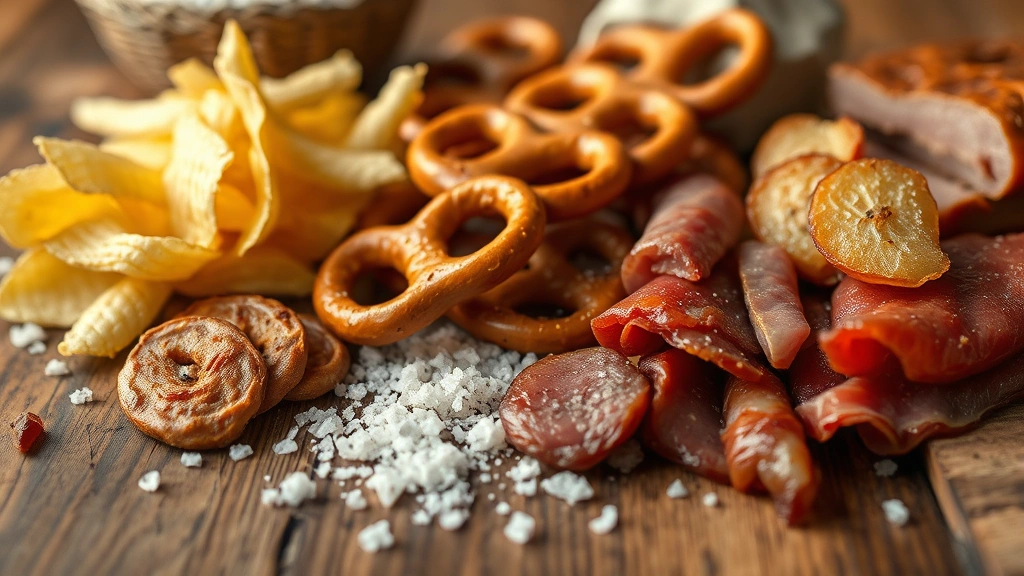
Many human foods contain dangerously high salt levels for dogs. Processed meats like bacon, ham, and deli turkey are major culprits—just a few slices can contain more sodium than a dog needs in a day. Salty snacks such as potato chips, pretzels, and salted nuts should never be shared with your furry friend. Even some seemingly innocent foods like canned vegetables and broths can pack surprising amounts of sodium. For a comprehensive list of dangerous foods, visit our article on Harmful Foods for Dogs.
Salt Toxicity: How Much Is Too Much?
The toxic dose of salt for dogs is approximately 1.5 grams per kilogram of body weight. For a 50-pound dog, this translates to roughly 34 grams of salt—which sounds like a lot until you realize that a single serving of salted popcorn or a handful of potato chips can contain 1-2 grams. Smaller dogs are at even greater risk since their bodies are less equipped to handle sodium overload. Puppies and senior dogs with compromised kidney function are particularly vulnerable.
Salt and Your Dog’s Kidney Health
Dogs with pre-existing kidney disease or hypertension are especially susceptible to salt-related complications. Excess sodium can exacerbate these conditions and accelerate organ damage. Even healthy dogs who consume high amounts of salt over time may develop chronic health issues. The kidneys work overtime to filter excess sodium, and this prolonged stress can lead to long-term damage. This is why maintaining low sodium intake throughout your dog’s life is essential for preventative health care.
What About Salt in Commercial Dog Food?
Reputable commercial dog foods are formulated to meet AAFCO standards, meaning they contain appropriate sodium levels for your dog’s health. You don’t need to add extra salt to your dog’s regular kibble or wet food. In fact, doing so can be harmful. If you’re preparing homemade dog food, consult with a veterinary nutritionist to ensure proper sodium balance. The AKC recommends working with professionals when creating custom diets for your pets.
Safe Alternatives to Salty Treats
Want to give your dog a special treat? Skip the salt-laden options and choose dog-friendly alternatives instead. Plain, cooked chicken, unsalted peanut butter (without xylitol), and fresh fruits like apples and blueberries are excellent choices. Carrots and green beans make crunchy, low-sodium snacks that many dogs love. Always check treat labels for sodium content, and remember that treats should comprise no more than 10% of your dog’s daily caloric intake. Our guide on Safe Human Snacks for Pets offers more delicious options.
The Role of Salt in Dog Nutrition Myths
Some pet owners believe that adding a pinch of salt to their dog’s food improves palatability or aids digestion. This is a dangerous myth. Dogs don’t have taste preferences for salt the way humans do, and their digestive systems don’t benefit from added sodium. Another misconception is that sea salt is safer than table salt for dogs—it’s not. Whether it’s sea salt, Himalayan pink salt, or table salt, all forms of salt pose the same risks to your canine companion.
What to Do If Your Dog Eats Something Salty
If your dog accidentally consumes a salty food item, don’t panic, but do monitor them closely. Offer fresh, clean water to help dilute the sodium in their system. If your dog shows any signs of distress—excessive drooling, vomiting, or lethargy—contact your veterinarian immediately. Be prepared to tell them exactly what your dog ate and approximately how much. In cases of severe salt toxicity, your vet may induce vomiting or provide supportive care to manage symptoms. For more information on food-related emergencies, check out What Not to Feed Your Dog.
Preventing Salt Exposure in Your Home
The best approach is prevention. Keep salty snacks stored in secure locations where your dog can’t access them. Be mindful when eating foods like chips, popcorn, or cured meats around your dog—accidental drops happen, and curious pups will investigate. Educate family members and guests about the dangers of feeding your dog human food, especially salty items. Consider designating a “dog-safe” snack area in your kitchen where only appropriate treats are stored. This simple organizational strategy can prevent accidental poisoning.
Frequently Asked Questions
Can dogs have a tiny bit of salt?
While dogs require trace amounts of sodium for normal body function, this is already present in balanced commercial dog foods. There’s no benefit to adding salt to your dog’s diet, and even small amounts of added salt can contribute to excessive sodium intake. It’s best to avoid giving your dog any extra salt whatsoever.

Is salt water dangerous for dogs?
Yes, salt water is particularly dangerous. If your dog drinks salt water at the beach or from a salt-water pool, it can cause rapid dehydration and electrolyte imbalances. Always rinse your dog with fresh water after beach visits and prevent them from drinking salt water. This is a common concern for coastal dog owners.
What happens if a dog eats a salted pretzel?
A single salted pretzel is unlikely to cause immediate toxicity in a large dog, but it’s still not recommended. Small dogs could experience symptoms with just one or two pretzels. Multiple pretzels or repeated exposure to salty snacks increases the risk of salt poisoning. Monitor your dog for signs of distress and contact your vet if concerned.
Are there any benefits to salt for dogs?
No additional benefits exist from adding salt to your dog’s diet beyond the minimal amount naturally present in quality commercial dog foods. In fact, excess salt only increases health risks. Focus on providing balanced nutrition through appropriate dog food rather than supplementing with salt.
How long does salt poisoning take to show symptoms?
Symptoms of salt poisoning can appear within hours of ingestion, typically between 6-12 hours. In severe cases with very high salt consumption, symptoms may develop more rapidly. This is why immediate observation and veterinary consultation are important if you suspect salt ingestion.
Final Thoughts: Keep Your Dog Salt-Free
Is salt good for dogs? Absolutely not. The risks far outweigh any potential benefits, and commercial dog foods already provide the minimal sodium your dog needs. By keeping salty human foods away from your pup and sticking to dog-appropriate treats, you’ll protect their health and potentially add years to their life. Your dog depends on you to make safe nutritional choices, so stay vigilant about what goes into their bowl and what they might sneak from the floor. When in doubt, consult your veterinarian about your dog’s dietary needs and safe treat options.





