
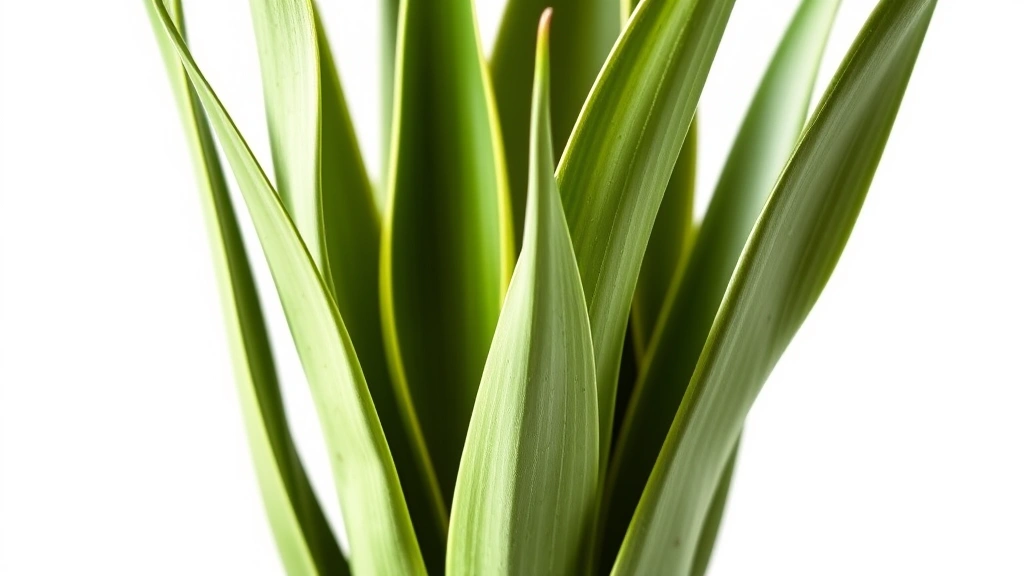
Is snake plant toxic to dogs? Yes, but before you panic and throw out your trendy Sansevieria, let’s talk about what actually happens when your pup decides to snack on your indoor greenery. Snake plants contain saponins, which are compounds that can cause some uncomfortable side effects in dogs, but the reality is a lot less dramatic than you might think.
Table of Contents
- What Exactly Is a Snake Plant?
- Understanding Saponins and Dog Toxicity
- Symptoms Your Dog Might Show
- How Much Snake Plant Is Actually Dangerous?
- What to Do If Your Dog Eats Snake Plant
- Snake Plant Toxicity Compared to Other Household Plants
- Prevention: Keeping Your Snake Plant and Pup Safe
- Pet-Safe Alternatives to Snake Plants
- When to Seek Veterinary Care
- Long-Term Management and Safety
- Frequently Asked Questions
- Final Thoughts on Snake Plant Safety
What Exactly Is a Snake Plant?
Snake plants (Sansevieria trifasciata) are those sleek, upright plants with sword-like leaves that every interior designer seems obsessed with lately. They’re practically indestructible, which makes them perfect for people who kill every other plant they touch. But here’s the thing: just because they’re tough doesn’t mean they’re safe for your four-legged friend. The plant’s popularity in homes means more dogs are getting curious about them, and that’s where problems can start.
Understanding Saponins and Dog Toxicity
The toxic culprit in snake plants is saponins—natural compounds that the plant produces as a defense mechanism. When dogs chew on or ingest snake plant leaves, these saponins can irritate their mouth, throat, and digestive system. Think of it like eating something spicy when you’re not expecting it; it’s uncomfortable but not necessarily life-threatening. The severity of symptoms depends on how much your dog consumed and their individual sensitivity to the plant.
Symptoms Your Dog Might Show
If your dog has been gnawing on your snake plant, watch for these telltale signs. Mild cases might involve drooling, vomiting, or diarrhea. Your pup might seem uncomfortable, lick their lips excessively, or refuse to eat. In more serious cases, you could see lethargy, loss of appetite, or abdominal pain. Most symptoms appear within a few hours of ingestion. If your dog shows severe symptoms like persistent vomiting, inability to keep water down, or extreme lethargy, that’s when you need to call your vet immediately.
How Much Snake Plant Is Actually Dangerous?
Here’s the good news: snake plants are considered mildly toxic to dogs, not severely toxic. Your dog would need to consume a significant amount of the plant to experience serious problems. A few nibbles on a leaf? Probably just an upset stomach. Eating an entire plant? Yeah, that’s going to require a vet visit. The ASPCA and veterinary toxicologists classify snake plants as low-risk, which means accidental exposure usually results in minor gastrointestinal upset rather than emergency situations.
What to Do If Your Dog Eats Snake Plant
First, don’t freak out. Take a deep breath. Remove any remaining plant material from your dog’s mouth and wash their face with water. Try to estimate how much they ate—was it just a bite, or did they demolish half the plant? Call your veterinarian or ASPCA Animal Poison Control Center (888-426-4435) to report what happened. Have your dog’s weight and the approximate amount ingested ready. Your vet might recommend monitoring your dog at home for symptoms or bringing them in for an examination, depending on the amount consumed.
Snake Plant Toxicity Compared to Other Household Plants
When you compare snake plants to other common houseplants, they’re actually on the safer side. Lilies are far more dangerous to cats, and sago palms are extremely toxic to dogs. According to PetMD, while snake plants can cause issues, they’re nowhere near as hazardous as plants like oleander, foxglove, or dieffenbachia. If you’re concerned about plant toxicity in general, check out our guides on chocolate toxicity in pets and garlic toxicity in pets to understand which household items pose real dangers.

Prevention: Keeping Your Snake Plant and Pup Safe
The best approach is prevention. Place your snake plant somewhere your dog can’t easily access—a high shelf, a locked room, or a hanging planter are all solid options. If you have a particularly curious or mischievous dog, you might want to skip the snake plant altogether and opt for truly pet-safe plants like spider plants or Boston ferns instead. Supervise your dog around houseplants, and if they show interest in chewing on greenery, redirect them to appropriate toys.
Pet-Safe Alternatives to Snake Plants
Want the aesthetic without the worry? Consider these dog-safe alternatives: spider plants are nearly impossible to kill and completely safe, African violets add color without risk, and Boston ferns bring that lush green vibe. Areca palms, parlor palms, and prayer plants are also excellent choices for pet owners. You can create a beautiful indoor garden without constantly worrying about whether your dog’s latest snack will land you at the emergency vet clinic.
When to Seek Veterinary Care
Contact your vet immediately if your dog shows severe symptoms like persistent vomiting, inability to keep food or water down, signs of pain, or behavioral changes. You should also call if your small dog (under 10 pounds) ate a large portion of the plant, or if your dog has pre-existing health conditions that might make them more vulnerable. Virtual vet consultations can be helpful for initial assessment, but if your dog is showing serious symptoms, an in-person exam is necessary.
Long-Term Management and Safety
After an incident, continue monitoring your dog for a few days. Most dogs recover completely within 24-48 hours with no lasting effects. If your dog has a habit of eating plants, work on training them to avoid houseplants using positive reinforcement. Keep them entertained with appropriate chew toys, and make sure they’re getting enough exercise and mental stimulation—bored dogs are more likely to get into trouble. Check out our pet dietary restrictions guide for more information on what dogs should and shouldn’t consume.
Frequently Asked Questions
Can snake plants kill dogs?
No, snake plants are unlikely to kill dogs. While they are toxic and can cause gastrointestinal upset, they’re classified as mildly toxic. Severe poisoning would require consumption of a very large amount of plant material, which is rare in accidental exposures.
How long does it take for snake plant toxicity symptoms to appear?
Symptoms typically appear within 2-4 hours of ingestion, though they can sometimes take up to 12 hours. Most dogs experience mild symptoms that resolve within 24-48 hours without treatment.

Is the entire snake plant toxic or just certain parts?
The entire snake plant is toxic to dogs, including the leaves, stems, and roots. The saponins are distributed throughout the plant, so any part can cause issues if ingested.
What if my dog just licked the snake plant?
A simple lick is unlikely to cause problems. Your dog might experience mild mouth irritation or a bit of drooling, but serious symptoms require actual ingestion of plant material. Monitor them for a few hours to be safe.
Are there any dogs that are more at risk?
Puppies and small dogs might experience more pronounced symptoms from the same amount of plant material due to their size. Dogs with sensitive stomachs or pre-existing digestive issues may also be more affected.
Can I keep a snake plant if I have a dog?
Yes, you can keep a snake plant with a dog if you place it somewhere your dog cannot access. High shelves, locked rooms, or hanging planters work well. However, if your dog is particularly curious or has a history of eating plants, a pet-safe alternative might be a better choice.
Final Thoughts on Snake Plant Safety
So, is snake plant toxic to dogs? Technically yes, but in a practical, real-world sense, it’s not the emergency-room-visit kind of toxic. It’s more of a “your dog will have an upset stomach and you’ll feel guilty” kind of toxic. The key is prevention—keep your snake plant out of reach, provide your dog with appropriate toys and activities, and monitor them around houseplants. If an accident happens, stay calm, call your vet if needed, and watch for symptoms. Most dogs who nibble on snake plants recover completely without any issues. Your job is to create a safe environment where your beautiful plants and your beloved pup can coexist peacefully. And if you’re still worried about plant toxicity in your home, check out our comprehensive pet nutrition advice to learn more about keeping your dog healthy and safe.





