

Yes, is sweet potato good for dogs? Absolutely! Sweet potatoes are one of the safest and most nutritious vegetables you can share with your furry best friend. Unlike some veggies that’ll send your pup running to the vet, sweet potatoes are packed with vitamins, fiber, and antioxidants that can actually boost your dog’s health. But before you start tossing whole sweet potatoes at Fido, let’s dig into what you need to know about serving this orange superfood safely.
Table of Contents
- Why Sweet Potatoes Are a Tail-Wagging Treat
- Nutritional Powerhouse: What’s Inside Sweet Potatoes
- The Right Way to Prepare Sweet Potatoes for Dogs
- How Much Sweet Potato Can Dogs Safely Eat?
- Sweet Potato vs. Other Dog-Friendly Vegetables
- Health Benefits Your Dog Will Experience
- Dogs That Shouldn’t Eat Sweet Potatoes (Or Need Limits)
- Sweet Potato Chews and Commercial Dog Treats
- Signs of Sweet Potato Allergies or Sensitivities
- Sweet Potato Recipes Your Dog Will Love
- Expert Recommendations and Veterinary Perspective
- Frequently Asked Questions
- Final Thoughts: Sweet Potatoes Are a Winner
Why Sweet Potatoes Are a Tail-Wagging Treat
Sweet potatoes aren’t just good for dogs—they’re genuinely fantastic. These root vegetables are loaded with beta-carotene, which converts to vitamin A in your dog’s body. Vitamin A supports eye health, immune function, and skin quality. Plus, sweet potatoes contain manganese, potassium, and B vitamins that support energy metabolism and nervous system function. Your dog’s coat might even look shinier and healthier after regular sweet potato snacks. The fiber content is another win, helping with digestive health and keeping your pup’s gut happy.
Nutritional Powerhouse: What’s Inside Sweet Potatoes
Let’s talk numbers without getting too nerdy. A 100-gram serving of cooked sweet potato contains about 86 calories, 1.6 grams of protein, and 20 grams of carbs. But the real magic is in the micronutrients. Sweet potatoes deliver vitamin A (961 IU per 100g), vitamin C, and potassium. They’re also rich in antioxidants like anthocyanins and caffeic acid, which fight inflammation and support overall wellness. These nutrients make sweet potatoes a stellar addition to your dog’s diet when prepared correctly.
The Right Way to Prepare Sweet Potatoes for Dogs
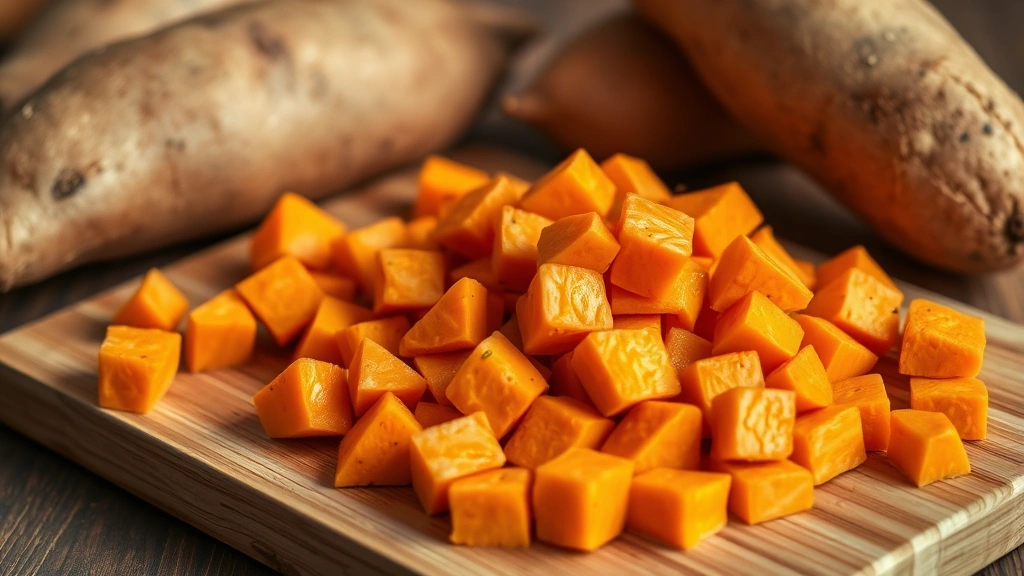
Preparation matters—a lot. Never feed your dog raw sweet potato because it’s tough to digest and could be a choking hazard. Instead, bake or boil them until they’re soft. Peel away the skin and cut into appropriate sizes based on your dog’s size. A Chihuahua gets pea-sized pieces; a Great Dane can handle chunks. Skip the butter, cinnamon, nutmeg, and definitely avoid candied versions. Plain is the way to go. You can also mash cooked sweet potato and mix it into their regular food for an easy nutrient boost. Some pet parents freeze mashed sweet potato in ice cube trays for refreshing summer treats.
How Much Sweet Potato Can Dogs Safely Eat?
Moderation is key, as with any treat. Sweet potatoes should make up no more than 10% of your dog’s daily caloric intake. For a 30-pound dog eating about 900 calories daily, that’s roughly 90 calories from treats—which equals about half a medium sweet potato. Puppies and senior dogs should get smaller portions. If your dog has never eaten sweet potato before, introduce it gradually to avoid digestive upset. Start with a teaspoon and work up over a few days.
Sweet Potato vs. Other Dog-Friendly Vegetables
When comparing sweet potatoes to other canine-approved veggies, sweet potatoes rank high. Unlike toxic vegetables for dogs like onions and garlic, sweet potatoes are completely safe. Carrots and green beans are also excellent choices, but sweet potatoes edge them out nutritionally due to their higher antioxidant content. Pumpkin is another popular option with similar digestive benefits. The beauty of sweet potatoes is their versatility—they work as training treats, meal toppers, or standalone snacks. For more options, check out our guide on can dogs eat fruits for other wholesome treat ideas.
Health Benefits Your Dog Will Experience
Regular sweet potato consumption can deliver noticeable health improvements. Dogs with digestive issues often benefit from the soluble fiber, which promotes healthy bowel movements. The antioxidants support cognitive function in aging dogs, potentially slowing mental decline. Joint health improves thanks to the anti-inflammatory compounds. Skin and coat quality typically enhance within weeks of adding sweet potatoes to the diet. Some pet owners report their dogs have more stable energy levels and better weight management when sweet potatoes replace higher-calorie treats. Just remember, sweet potatoes are supplements to a balanced diet, not replacements for quality dog food.
Dogs That Shouldn’t Eat Sweet Potatoes (Or Need Limits)
While sweet potatoes are generally safe, some dogs need caution. Dogs with diabetes should eat sweet potatoes sparingly due to their carbohydrate content—consult your vet first. Dogs prone to obesity might need smaller portions since sweet potatoes are calorie-dense. Those with severe kidney disease may need to avoid them due to potassium levels. Always check with your veterinarian if your dog has existing health conditions. Puppies can eat sweet potatoes, but introduce them after 12 weeks of age when their digestive system is more developed.
Sweet Potato Chews and Commercial Dog Treats
You’ve probably seen sweet potato chews at pet stores. These dehydrated strips are convenient and long-lasting, making them great for extended chewing sessions. They’re made from 100% sweet potato with no added ingredients, so they’re as safe as homemade versions. However, they’re still calorie-dense, so account for them in your dog’s daily intake. Some dogs find them easier to digest than fresh sweet potato. Compare these to other healthy snack alternatives by reading our healthy snack alternatives for dogs guide.
Signs of Sweet Potato Allergies or Sensitivities
Though rare, some dogs develop sensitivities to sweet potatoes. Watch for itching, ear infections, vomiting, diarrhea, or excessive gas after eating them. If you notice these symptoms, eliminate sweet potatoes and consult your vet. True allergies are uncommon but can happen. Gas and loose stools might simply indicate you’re feeding too much too quickly—slow down the introduction. Keep a food diary if your dog has suspected allergies to identify patterns. For comprehensive guidance on problematic foods, review what not to feed your dog.
Sweet Potato Recipes Your Dog Will Love
Get creative! Mix mashed sweet potato with plain Greek yogurt for a protein-packed treat. Bake thin sweet potato slices as homemade chips. Blend cooked sweet potato with peanut butter (xylitol-free!) for a spreadable treat. Mix into their kibble on training days for extra motivation. Freeze sweet potato puree in Kong toys for mental stimulation. Create sweet potato and chicken bites by combining mashed sweet potato with ground chicken and baking. These recipes keep mealtimes interesting while boosting nutrition.
Expert Recommendations and Veterinary Perspective
Veterinarians generally endorse sweet potatoes as a healthy dog treat. The American Kennel Club lists sweet potatoes among recommended vegetables for dogs. PetMD highlights their digestive and nutritional benefits. Research from veterinary nutrition programs confirms sweet potatoes’ safety and efficacy. Your veterinarian can provide personalized recommendations based on your specific dog’s health profile. For broader dietary guidance, explore our pet nutrition advice resource.
Frequently Asked Questions
Can puppies eat sweet potatoes?
Yes, puppies can eat cooked sweet potatoes after 12 weeks of age. Start with tiny portions and introduce gradually. Ensure pieces are appropriately sized to prevent choking. Always supervise and consult your vet about your puppy’s specific dietary needs.

Are sweet potato skins safe for dogs?
Sweet potato skins are technically safe but difficult for dogs to digest. Always peel cooked sweet potatoes before serving. The flesh provides all the nutritional benefits without digestive strain.
Can dogs eat sweet potato fries?
Homemade baked sweet potato fries without salt or seasonings are fine in moderation. Never give restaurant sweet potato fries—they’re loaded with salt, oil, and potentially harmful seasonings. Stick to plain, home-prepared versions.
How often can I feed my dog sweet potatoes?
Sweet potatoes can be offered 2-3 times weekly as treats. They shouldn’t exceed 10% of daily caloric intake. Daily feeding is unnecessary and could lead to nutritional imbalances or weight gain.
Do sweet potatoes help with dog diarrhea?
Cooked sweet potato can help firm up loose stools due to its soluble fiber content. However, if diarrhea persists beyond a few days, contact your veterinarian to rule out serious conditions.
Can diabetic dogs eat sweet potatoes?
Diabetic dogs should only eat sweet potatoes under veterinary supervision. Their carbohydrate content can affect blood sugar levels. Your vet may approve small portions or recommend alternatives like green beans.
Final Thoughts: Sweet Potatoes Are a Winner
So, is sweet potato good for dogs? The answer is a resounding yes! These nutritious tubers offer genuine health benefits when prepared and served correctly. They’re safe, affordable, and most dogs absolutely love them. Start small, observe your individual dog’s response, and enjoy watching your furry friend thrive on this wholesome treat. Remember to keep portions moderate, prepare them plainly, and consult your vet if your dog has underlying health conditions. Sweet potatoes deserve a permanent spot in your dog treat rotation.





