
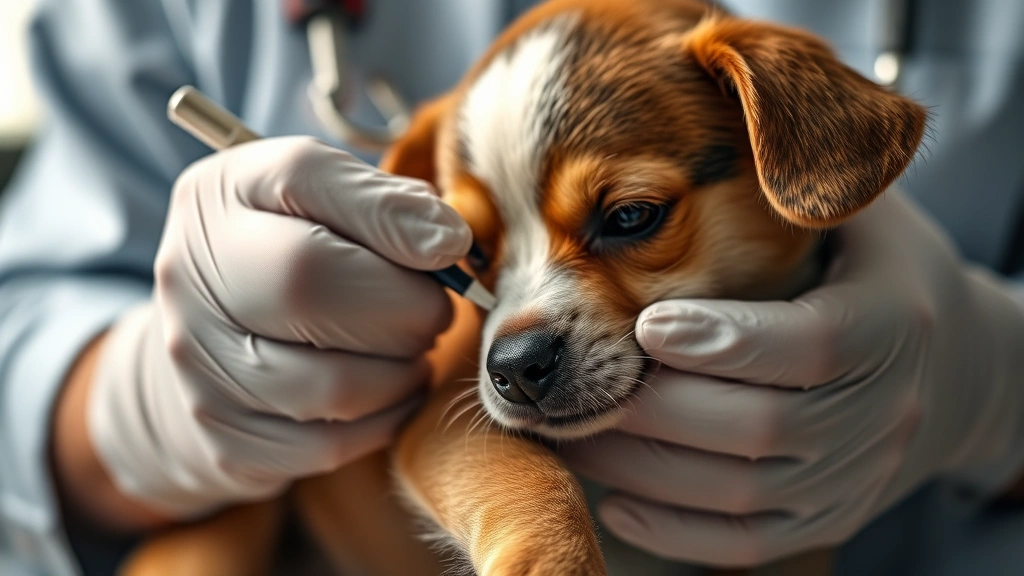
So your pup got a scrape, and you’re standing in your bathroom staring at that tube of triple antibiotic ointment wondering: is triple antibiotic ointment safe for dogs? Great question, and honestly, it’s way more nuanced than a simple yes or no. Let me break down what you actually need to know before you slather your furry friend with Neosporin or any other over-the-counter antibiotic cream.
Table of Contents
- What Exactly Is Triple Antibiotic Ointment?
- Is Triple Antibiotic Ointment Safe for Dogs? The Short Answer
- The Ingestion Problem: Why Dogs Licking It Off Matters
- Potential Side Effects and Allergic Reactions
- Better Alternatives for Dog Wound Care
- When Should You Actually Use It?
- Dogs with Sensitive Skin or Allergies: Extra Caution Required
- What About Neosporin Specifically?
- How to Properly Clean Your Dog’s Wound
- When to Call Your Veterinarian
- The Bottom Line on Triple Antibiotic Ointment for Dogs
- Frequently Asked Questions
What Exactly Is Triple Antibiotic Ointment?
Triple antibiotic ointment typically contains three active ingredients: bacitracin, neomycin, and polymyxin B. These three antibiotics work together to prevent bacterial infections in minor cuts, scrapes, and wounds. For humans, it’s a bathroom staple that’s been around for decades. But here’s the thing—your dog’s skin is fundamentally different from yours, and what works for you might not work (or could even harm) your canine companion.
The ointment also usually contains petroleum jelly as a base, which creates a barrier over the wound. Sounds harmless, right? Well, it mostly is, but there are definitely some caveats worth understanding before you use it on Fido.
Is Triple Antibiotic Ointment Safe for Dogs? The Short Answer
In small amounts on minor wounds, triple antibiotic ointment is generally considered safe for dogs. However—and this is a big however—most veterinarians don’t actually recommend it as a first-line treatment. Why? Because there are better, safer alternatives specifically formulated for canine skin, and because accidental ingestion is a real concern with topical products.
The safety profile depends on several factors: the size of your dog, the amount applied, the location of the wound, and whether your pup is the type to lick everything off their body (spoiler alert: most are).
The Ingestion Problem: Why Dogs Licking It Off Matters
Here’s where things get tricky. Dogs don’t understand that they should leave medical ointments alone. In fact, they’re basically programmed to lick their wounds. When your dog ingests triple antibiotic ointment, the neomycin component becomes the main concern. Neomycin can cause gastrointestinal upset, and in rare cases, it may lead to more serious issues like aminoglycoside toxicity with repeated exposure.
For a small amount licked off once? Your dog will probably be fine. For chronic ingestion over days or weeks? That’s when you need to worry. This is why vets often recommend using an Elizabethan collar (the dreaded cone) if you absolutely must use topical antibiotics on your dog.
If you’re concerned your dog has ingested a significant amount, contact the Pet Poison Hotline or call your veterinarian immediately. Better safe than sorry with your pup’s health.
Potential Side Effects and Allergic Reactions
Some dogs develop allergic reactions or sensitivities to one or more of the components in triple antibiotic ointment. Signs include:
- Increased redness or swelling at the application site
- Itching or excessive scratching
- Hives or rashes
- Hair loss in the treated area
- Oozing or discharge
Neomycin is the most common culprit for allergic reactions in dogs. If your pup shows any of these signs after applying antibiotic ointment, wash it off immediately and contact your vet. Some dogs also have contact dermatitis from the petroleum jelly base, which is why patch testing on a small area first is smart.
Better Alternatives for Dog Wound Care
Rather than reaching for human triple antibiotic ointment, consider these safer, vet-approved alternatives:

- Vetericyn Plus: Specifically formulated for dogs, this hypochlorous acid-based product is gentle and effective without antibiotics
- Chlorhexidine: A veterinary-approved antimicrobial solution that’s safer for dogs than neomycin-based products
- Silver sulfadiazine: A veterinary antibiotic cream that’s less likely to cause allergic reactions
- Plain saline solution: For basic cleaning, warm saline is often all you need
- Honey-based products: Manuka honey has natural antimicrobial properties and is safe for dogs
These alternatives are formulated with canine skin pH and physiology in mind, making them inherently safer choices than human medications. Your vet can recommend the best option for your specific situation.
When Should You Actually Use It?
If you absolutely must use triple antibiotic ointment on your dog, limit it to:
- Very minor superficial scrapes (think: tiny scratch from a bramble)
- Clean wounds that aren’t actively bleeding
- Single applications rather than repeated use
- Situations where you can monitor your dog closely and prevent licking
Honestly? Most minor dog wounds heal better with simple cleaning and air exposure than they do with topical ointments. Your dog’s saliva actually contains natural antimicrobial properties, so some licking is actually beneficial. The key is preventing excessive licking, which is where the cone comes in.
Dogs with Sensitive Skin or Allergies: Extra Caution Required
If your dog has a history of allergies, sensitive skin, or previous reactions to medications, triple antibiotic ointment is definitely not your go-to choice. These pups are more likely to develop adverse reactions to the neomycin or other components. Always inform your vet about your dog’s allergy history before using any topical medication, even over-the-counter ones.
Dogs with conditions like atopic dermatitis or food allergies need extra-gentle wound care. Your veterinarian can recommend specifically formulated products that won’t trigger additional skin inflammation.
What About Neosporin Specifically?
Neosporin is literally just a brand name for triple antibiotic ointment (bacitracin, neomycin, and polymyxin B). So everything we’ve discussed applies directly to it. However, Neosporin also makes a “Neosporin Plus Pain Relief” formula that contains benzocaine, a local anesthetic. Do not use this version on dogs. Benzocaine can cause serious complications in canines, including methemoglobinemia, which is a dangerous blood condition.
Stick with plain triple antibiotic ointment only if you use it at all, and honestly, there are better options. For more detailed information about Neosporin and dogs, check out our complete guide on using Neosporin on dogs.
How to Properly Clean Your Dog’s Wound
Before you even think about ointment, proper wound cleaning is essential:
- Wash your hands: Prevent introducing new bacteria
- Gently clean with warm water: Use a soft cloth to remove dirt and debris
- Use saline solution if available: This is gentler than tap water
- Pat dry gently: Don’t rub, as this can damage tissue
- Monitor for signs of infection: Increasing redness, swelling, discharge, or odor means vet visit time
If your dog has a wound that’s bleeding heavily, won’t stop bleeding, shows signs of infection, or is larger than a superficial scrape, skip the home treatment entirely and head to your vet or emergency clinic.
When to Call Your Veterinarian
Don’t mess around with home treatment if:

- The wound is deep or gaping
- There’s excessive bleeding that won’t stop with pressure
- The wound shows signs of infection (pus, swelling, heat, foul odor)
- Your dog is limping or seems to be in significant pain
- The wound is on the face, paw pads, or joints
- Your dog has ingested a large amount of antibiotic ointment
- Your dog shows allergic reactions after application
Your vet can properly assess the wound, determine if stitches or antibiotics are needed, and recommend the safest treatment plan for your specific pup. This is especially important for dogs with underlying health conditions or those taking other medications.
The Bottom Line on Triple Antibiotic Ointment for Dogs
Is triple antibiotic ointment safe for dogs? Technically, in tiny amounts on minor wounds, it’s unlikely to cause serious harm. But “unlikely to cause harm” isn’t the same as “recommended by vets,” and there are genuinely better options available. Most veterinarians would prefer you use products specifically formulated for dogs or stick with simple saline cleaning.
The real risks come from repeated use, ingestion from licking, and potential allergic reactions. If you’re going to use it, use it sparingly, keep the cone on, and monitor closely. But honestly? Save yourself the worry and grab a vet-approved alternative from your local pet store or ask your vet for a recommendation.
Your dog’s health isn’t worth gambling on, and there’s literally no downside to using products designed specifically for canine skin. Your pup will thank you (probably by licking your face, which is their way of showing love even if it’s gross).
Frequently Asked Questions
Can I use triple antibiotic ointment on my dog’s paws?
Paw pads are particularly problematic because dogs will definitely lick them. If your dog has a paw wound, it’s best to use a vet-approved product and consider a protective bootie or cone to prevent licking. For minor paw pad issues, consult your vet about safe topical options.
How much triple antibiotic ointment is safe for dogs?
If you must use it, apply only a thin layer to the affected area. A tube should last a very long time on a dog because you’re using such small amounts. If you find yourself reapplying regularly, stop and see your vet instead.
What if my dog licked triple antibiotic ointment?
A small lick is unlikely to cause problems. Monitor your dog for signs of gastrointestinal upset (vomiting, diarrhea, loss of appetite) over the next 24 hours. If your dog ingested a large amount or shows symptoms, contact your vet or emergency clinic immediately.
Is Neosporin Plus safe for dogs?
No. The “Plus” versions contain benzocaine or other pain relievers that can be dangerous for dogs. Stick with plain triple antibiotic ointment only if you use it at all.
Can I use expired triple antibiotic ointment on my dog?
No. Expired medications lose potency and can potentially become harmful. Always use fresh products and discard expired ones properly.
Are there any dog breeds that shouldn’t use triple antibiotic ointment?
Dogs with known sensitivities to neomycin or other components should avoid it. Breeds prone to skin allergies (like Golden Retrievers, Bulldogs, and Pit Bulls) should use alternatives. Always discuss your dog’s medical history with your vet.





