

Is tuna good for dogs? The short answer is: it depends. While tuna can be a tasty treat for your furry friend, there’s more to this story than just tossing a can of fish into their bowl. As a vet tech who’s seen plenty of pups with upset stomachs from well-meaning owners, I’m here to break down exactly when tuna is safe, when it’s dangerous, and how much your dog can actually handle without turning into a fish-flavored disaster.
Table of Contents
- Can Dogs Eat Tuna Safely?
- Mercury Content in Tuna: The Real Concern
- Sodium Levels: Why Your Dog’s Heart Might Not Thank You
- Thiamine Deficiency: The Hidden Problem with Raw Fish
- Safe Tuna for Dogs: How Much Is Too Much?
- Potential Allergic Reactions to Fish and Tuna
- What About Tuna Fish as Dog Food Ingredient?
- Better Fish Alternatives for Your Dog
- Signs Your Dog Has Eaten Too Much Tuna
- The Bottom Line: Should You Feed Your Dog Tuna?
- Frequently Asked Questions
Can Dogs Eat Tuna Safely?
Yes, dogs can eat tuna in moderation, but moderation is the operative word here. Unlike some human foods that are straight-up toxic to dogs (looking at you, chocolate and grapes), tuna isn’t poisonous. However, it’s not exactly a nutritional powerhouse for canines either. The real issue with tuna for dogs comes down to mercury content, sodium levels, and the fact that it’s not nutritionally balanced for their needs. Think of it like this: just because your dog CAN eat something doesn’t mean they SHOULD eat it regularly.
Mercury Content in Tuna: The Real Concern
This is where things get serious. Tuna, especially larger varieties like albacore, can contain elevated levels of mercury. Mercury is a heavy metal that accumulates in fish over time, and it’s not great for anyone—human or canine. While occasional small amounts won’t poison your dog, regular tuna consumption can lead to mercury accumulation in their body over time. This is particularly concerning for smaller dogs, puppies, and senior pups whose bodies can’t process heavy metals as efficiently. Your vet-approved pet nutrition should prioritize foods with minimal mercury exposure, which is why Pet Nutrition Advice from professionals is crucial before making tuna a regular menu item.
Sodium Levels: Why Your Dog’s Heart Might Not Thank You
Most canned tuna is packed in sodium—sometimes up to 400mg per small can. Dogs don’t need much sodium in their diet, and excess salt can lead to increased thirst, urination, and in severe cases, sodium ion poisoning. Fresh or boiled tuna has much lower sodium, but let’s be honest: most of us aren’t boiling tuna for our pups. If you do give your dog tuna, rinse it thoroughly or choose low-sodium versions. Your dog’s kidneys and heart will appreciate the consideration.
Thiamine Deficiency: The Hidden Problem with Raw Fish
Here’s something that surprises most dog owners: raw tuna contains an enzyme called thiaminase that breaks down thiamine (Vitamin B1). This is particularly problematic in raw or undercooked tuna. Thiamine is essential for your dog’s nervous system and metabolism, so a deficiency can cause serious neurological issues. Always cook tuna thoroughly before giving it to your dog, and never serve raw fish. This is one of those Vet-Approved Human Foods for Pets that requires proper preparation to be safe.
Safe Tuna for Dogs: How Much Is Too Much?
If you absolutely must give your dog tuna, here’s the safe approach: small amounts, occasionally. We’re talking about a teaspoon or two for small dogs, maybe a tablespoon for larger breeds, and only once in a while—not daily or even weekly. Fresh, cooked, unsalted tuna is your best bet if you’re going to do this. Canned tuna packed in water (thoroughly rinsed) is the next best option. Never give your dog tuna packed in oil or brine. Think of tuna as an occasional treat, not a dietary staple. The American Kennel Club recommends that treats make up no more than 10% of your dog’s daily caloric intake, so tuna should be a tiny fraction of that.
Potential Allergic Reactions to Fish and Tuna
Some dogs develop allergies to fish, and tuna is a common culprit. Signs of a tuna allergy include itching, ear infections, digestive upset, and skin problems. If your dog has never had fish before, introduce it in tiny amounts and watch for reactions over the next 24-48 hours. If you notice any of these symptoms, skip the tuna and consult your vet. For more information on identifying food sensitivities, check out our guide on Food Allergies in Pets.
What About Tuna Fish as Dog Food Ingredient?
Many commercial dog foods include fish meal or tuna as a protein source. This is different from feeding your dog actual tuna because manufacturers carefully control mercury levels, sodium content, and thiamine preservation. Quality dog food brands test their ingredients and balance them appropriately for canine nutrition. If your dog eats commercial food with tuna as an ingredient, that’s generally fine—you’re not adding extra tuna on top of it. Just check the label to ensure it’s not the primary ingredient if you’re concerned about mercury accumulation.
Better Fish Alternatives for Your Dog
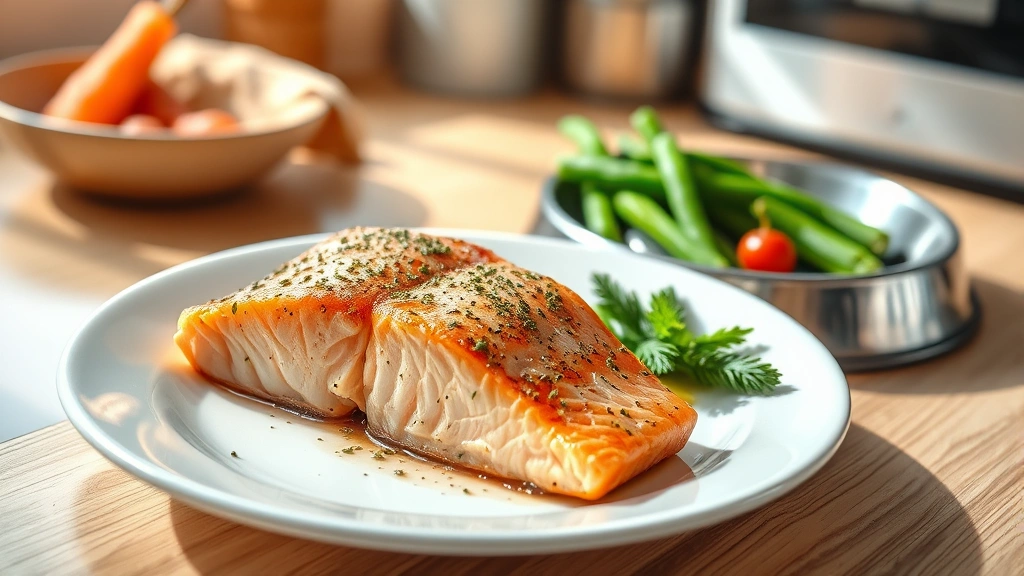
If you want to give your dog fish-based treats, consider safer alternatives. Salmon (cooked, unsalted) is actually better for dogs than tuna because it’s lower in mercury and rich in omega-3 fatty acids, which support coat and joint health. Sardines (packed in water, rinsed) are another excellent option. These smaller fish accumulate less mercury and offer better nutritional benefits. For a comprehensive look at nutritious options, explore Superfoods for Pets to find fish-based foods that actually benefit your pup’s health.
Signs Your Dog Has Eaten Too Much Tuna
If your dog accidentally devoured a whole can of tuna or you’ve been feeding it too frequently, watch for these signs: vomiting, diarrhea, lethargy, tremors, or loss of appetite. Thiamine deficiency symptoms include loss of appetite, weakness, and neurological issues like circling or lack of coordination. Mercury poisoning is rare from occasional tuna consumption but can cause tremors, anxiety, and coordination problems with chronic exposure. If you notice any concerning symptoms, contact your vet immediately and mention the tuna exposure.
The Bottom Line: Should You Feed Your Dog Tuna?
Honestly? There’s no compelling reason to. Your dog doesn’t need tuna to be healthy and happy. Their commercial dog food (if quality) or a balanced homemade diet provides everything they need. If you want to give your dog a special treat, there are safer, more nutritious options available. If your dog has already eaten a small amount of tuna once or twice, don’t panic—one incident won’t cause lasting damage. But making tuna a regular part of their diet? That’s where problems start. Your pup will love you just as much with a salmon treat instead.
Frequently Asked Questions
Can dogs eat canned tuna in water?
Yes, canned tuna in water is safer than oil or brine-packed versions, but it should still be thoroughly rinsed to remove excess sodium and given only occasionally in small amounts. Never make it a regular treat.
Is tuna toxic to dogs?
Tuna isn’t acutely toxic like chocolate or xylitol, but mercury accumulation and thiamine deficiency from regular consumption can cause health problems over time. Occasional small amounts are generally safe.

How much tuna can a dog eat?
A teaspoon or two for small dogs, up to a tablespoon for large dogs, and only once in a while. This should be fresh, cooked, and unsalted tuna. It shouldn’t be a regular part of their diet.
Can dogs eat tuna fish from a can?
They can eat small amounts of canned tuna packed in water (thoroughly rinsed), but it’s not recommended as a regular treat due to sodium content and mercury concerns. Fresh cooked tuna is a better choice if you must give it.
What fish is safe for dogs to eat?
Salmon and sardines are safer alternatives to tuna. Both are lower in mercury and higher in beneficial omega-3 fatty acids. Always serve cooked, unsalted, and in moderation.
Can tuna cause diarrhea in dogs?
Yes, tuna can cause digestive upset including diarrhea, especially if your dog isn’t used to it or if given in large amounts. The high fat content and rich flavor can irritate sensitive stomachs.





